Discover digestive bitters benefits with our expert guide. Explore tradition, emerging research, and gentle protocols for gut and whole body wellness.
Digestive Bitters Benefits Guide: Unlock Natural Wellness

Bitters are the missing taste in our modern lives. Once woven into everyday meals, bitter flavours have quietly faded from most plates, leaving our digestion and wellbeing missing a key spark.
Our bodies come equipped with special bitter receptors, not just on the tongue but deep in the gut. These clever sensors help “prime” our digestive system, preparing us to break down food and absorb nutrients more efficiently.
This guide is here to demystify digestive bitters benefits. We will explore their traditional roots, the science catching up, and how you can use them for natural wellness in 2026.
You will learn what bitters are, how they work, classic examples like gentian and dandelion, practical safety advice, and easy ways to get started. Curious? Let’s rediscover what your taste buds—and your gut—have been missing.
What Are Digestive Bitters? Origins, Types, and How They Work
“Bitters are the missing taste.” For centuries, humans naturally included bitter flavours in their diets, but today’s sweet and salty foods have crowded them out. This shift means many of us rarely activate the body’s bitter taste receptors, known as T2Rs. These receptors aren’t just on your tongue—they’re also found throughout your digestive tract, where they play a vital role in “priming” your gut for action.
When you taste something bitter, your body springs into gear. Saliva flows, the stomach produces more acid, the liver releases bile, and enzymes start breaking down your meal. This natural response is at the heart of digestive bitters benefits: they help prepare your digestive system to absorb nutrients and process food more efficiently.
Digestive bitters are simply herbs, roots, barks, or extracts with a pronounced bitter profile. Classic examples include gentian root, dandelion root, artichoke leaf, wormwood, burdock, and bitter melon. Each brings its own unique chemistry, but all work by engaging those crucial taste receptors.
Historically, bitters have deep roots in many healing traditions. In Traditional Chinese Medicine and Ayurveda, bitter herbs were prescribed for sluggish digestion and detox. European herbalists crafted bitters tonics for everything from indigestion to liver support, and by the 1700s, bitters even found their way into early cocktails and gout remedies. You can explore more about their rich history and resurgence in modern wellness in Bitters, Teas, and Digestive Tonics.
It’s important to distinguish between traditional uses of bitters and what emerging science now supports. For example, gentian and wormwood have been long used to stimulate appetite, dandelion for liver function, and artichoke to increase bile flow. Modern studies are beginning to confirm some of these digestive bitters benefits, such as improved enzyme output or bile production, though not all claims are equally backed by evidence.
Not all bitters are created equal. Some, like dandelion or artichoke, are gentle enough for daily teas. Others, such as wormwood, are potent and best used with care. A few, like certain wild plants, can be toxic if used improperly.
Wondering how to start? Here’s a simple “choose by symptom” guide to help match a bitter to your needs:
| Symptom | Suggested Bitter(s) | Notes |
|---|---|---|
| Bloating | Dandelion, artichoke, fennel | Gentle, promote bile and motility |
| Sluggish appetite | Gentian, wormwood | Strong bitters, appetite stimulation |
| Heavy meals | Artichoke, gentian | Enhance fat digestion |
To try bitters, take a small dose (such as a few drops of tincture or a cup of tea) about 10–30 minutes before eating. Hold it in your mouth for a moment to activate those taste receptors. Give it 1–2 weeks and see how you feel.
If you’re new or sensitive, digestive teas and elixirs that blend gentle herbs like dandelion, ginger, or artichoke are a lovely place to begin. However, bitters aren’t for everyone. If you have reflux, ulcers, are pregnant, breastfeeding, or on certain medications, consult your healthcare provider before using them.
Digestive bitters benefits are best unlocked with care, curiosity, and respect for your body’s unique needs.
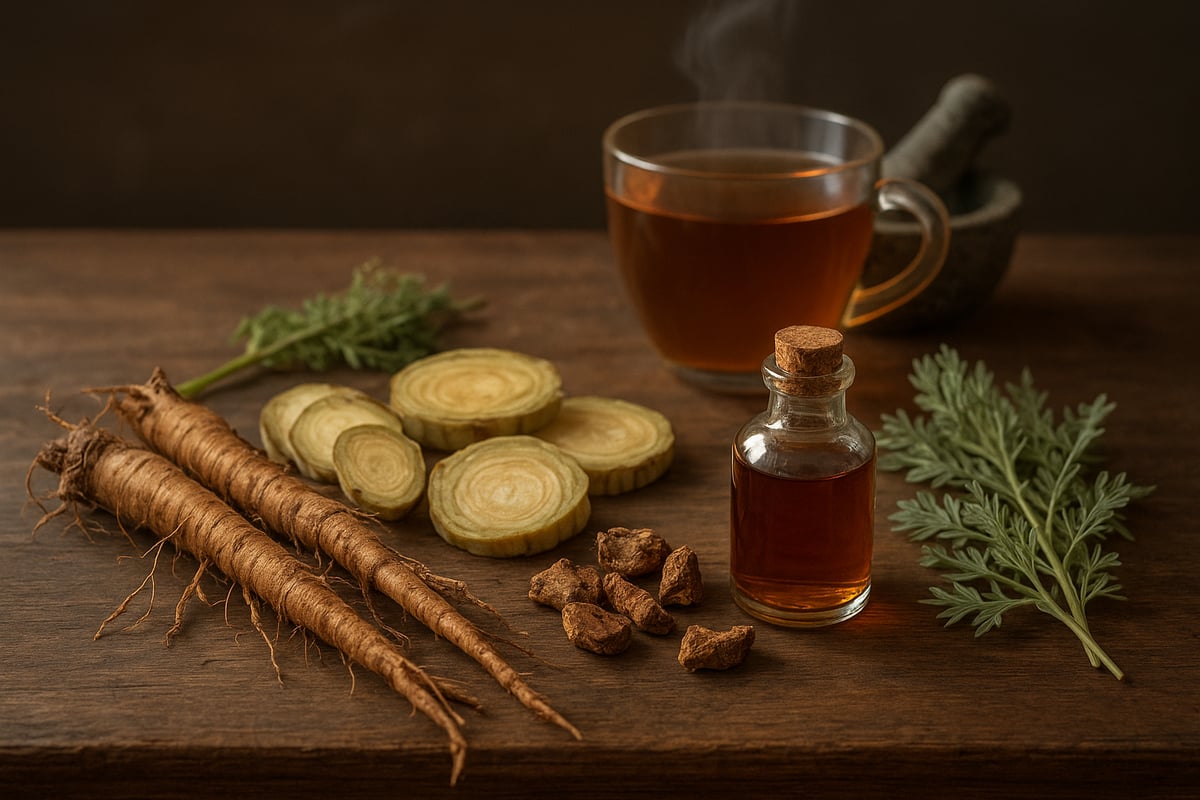
Digestive Bitters Benefits: From Gut to Whole-Body Wellness
“Bitters are the missing taste.” If you’ve ever wondered why modern meals rarely include truly bitter foods, you’re not alone. Our ancestors consumed a variety of bitter roots, leaves, and barks, but today’s diets have lost this flavour. Why does it matter? Our bodies have special bitter taste receptors in the mouth, gut, and even lungs. When you taste something bitter, these receptors send a signal to your digestive system, priming it to release saliva, gastric juices, bile, and enzymes. This natural priming is the magic behind many digestive bitters benefits, and it’s one reason bitters have been treasured in traditional medicine for centuries.
Classic digestive bitters include gentian, dandelion root, artichoke leaf, wormwood, burdock, and bitter melon. Each brings its own character: gentian and wormwood are famous for stimulating appetite, dandelion supports liver flow, and artichoke encourages bile production. Folk traditions from Europe to Asia have long used these herbs for sluggish digestion, after heavy meals, or as daily tonics. Today, research is catching up. Studies show bitters can relieve bloating, cramping, and nausea, as well as improve nutrient absorption and appetite regulation. For example, gentian increases saliva and gastric acid, artichoke supports fat digestion, and bitter melon helps balance blood sugar. Recent research even links bitter receptors to immune responses and anti-inflammatory effects. For more on the science and safety, see Digestive Bitters: Benefits, Risks and More.
Choosing the right digestive bitters depends on your needs. Here’s a quick guide:
| Symptom | Suggested Bitter(s) | Notes |
|---|---|---|
| Bloating | Dandelion, artichoke, fennel | Gentle, promote bile and motility |
| Sluggish appetite | Gentian, wormwood | Strong bitters, appetite stimulation |
| Heavy meals/fatigue | Artichoke, gentian | Enhance fat digestion |
Curious how to try bitters for yourself? Start gently: choose a suitable bitter, and take it 10 to 30 minutes before meals. Hold a few drops of tincture or a sip of tea in your mouth briefly, then swallow. Use consistently for 1 to 2 weeks, and notice the difference in how your gut feels. If you’re new, herbal teas or elixirs that blend dandelion, ginger, or artichoke are a gentle entry point. Not everyone should try bitters. Avoid if you have GERD, ulcers, are pregnant or breastfeeding, or take certain medications. Side effects are rare but can include nausea or cramping. Always consult your healthcare provider before starting. When used thoughtfully, digestive bitters benefits can support not just your gut, but your whole sense of wellbeing.
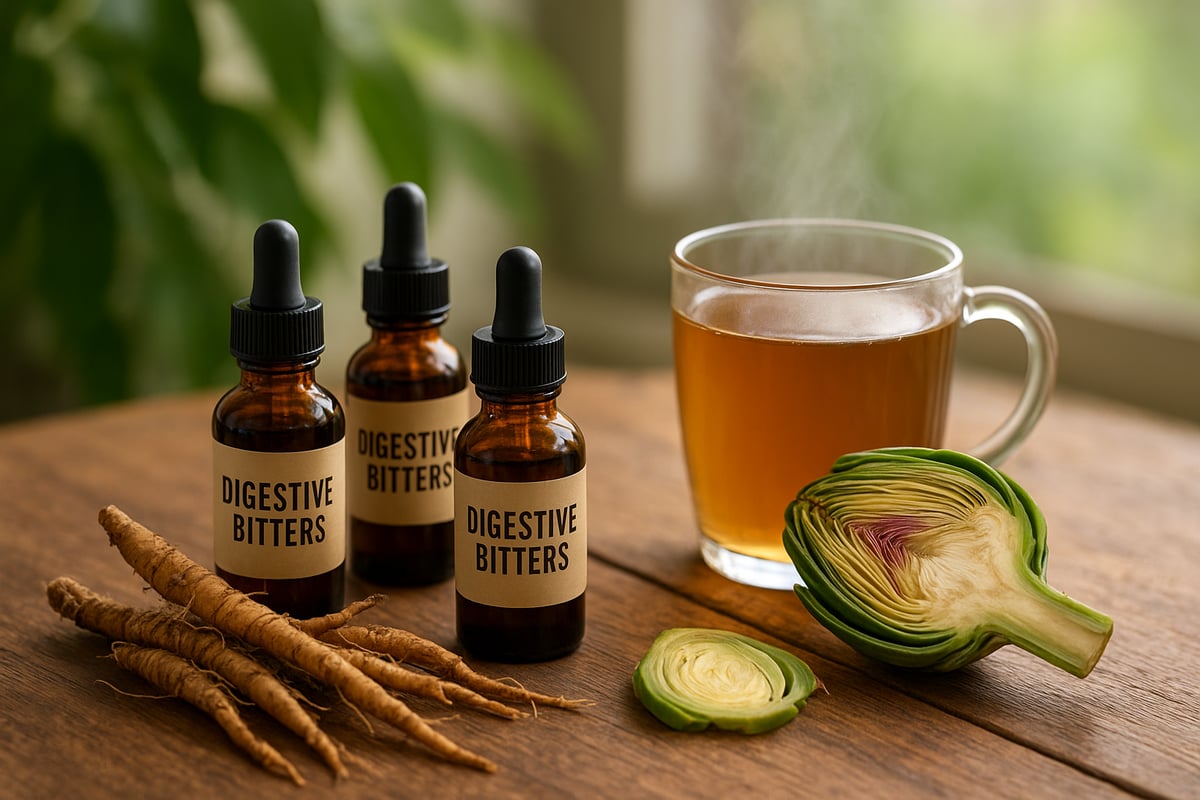
Choosing the Right Digestive Bitters: Classic Herbs, Research, and Symptom Matching
“Bitters are the missing taste.” In today’s world, our palates rarely encounter truly bitter flavours. Yet, our bodies are wired for them. Bitter taste receptors, found not only on the tongue but throughout the gut, are like tiny switches that help “prime” digestion. When bitters hit these receptors, they spark the release of saliva, gastric juices, and bile, setting the stage for smooth, comfortable digestion.
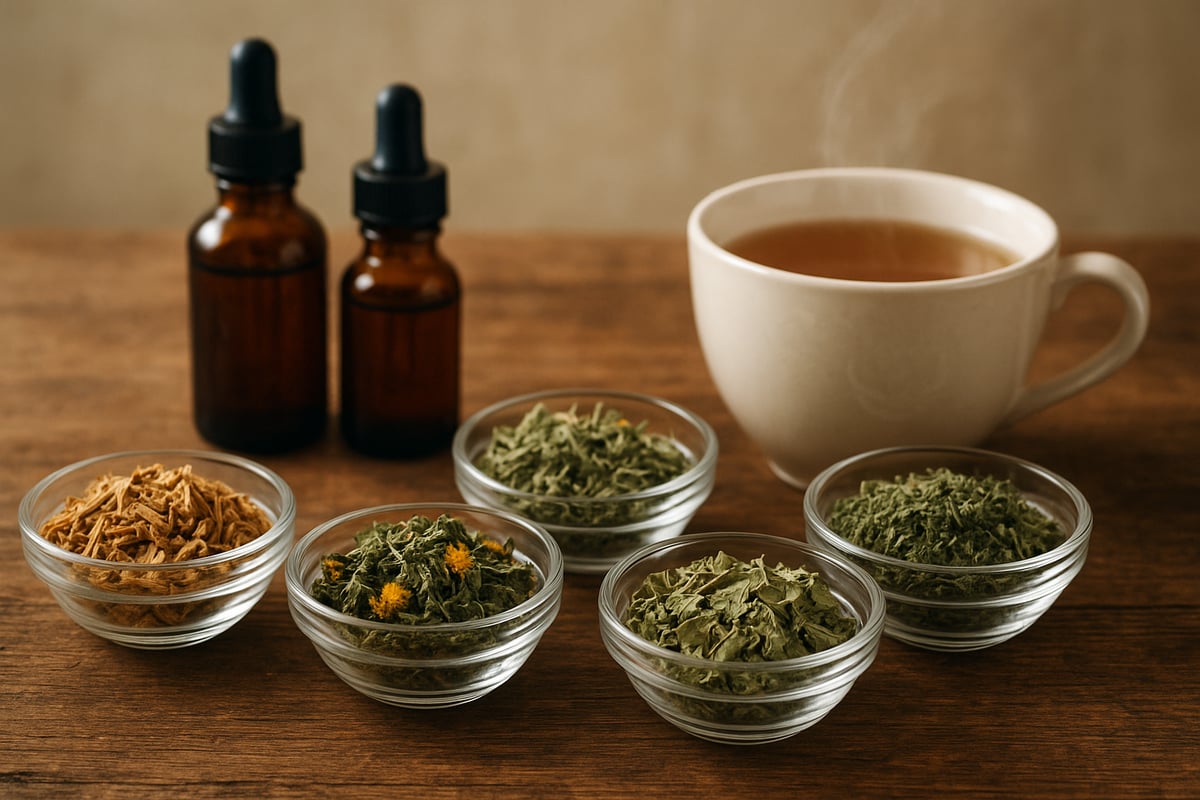
Classic Bitters: Traditional and Modern Favourites
Gentian root, dandelion root, artichoke leaf, and wormwood are time-honoured choices when exploring digestive bitters benefits. Gentian is renowned for its intensely bitter taste and its ability to kick-start appetite. Dandelion root is milder, often chosen for gentle liver and digestive support. Artichoke leaf, with its subtle bitterness, is favoured for aiding fat digestion and supporting bile flow. Wormwood, famous for its use in absinthe, is a strong digestive ally, though best used with care.
Other popular options include burdock root, bitter melon, angelica, milk thistle, fennel, ginger, and cardamom. Each herb brings a unique profile and supports different aspects of digestive wellbeing. Not all bitters are created equal—some are culinary, some are medicinal, and a few can even be toxic in high doses, so knowing the difference is key.
Traditional Uses vs. Research-Backed Actions
Traditionally, people used digestive bitters benefits to ease discomfort after heavy meals or to help with sluggish digestion. Folk remedies often involved sipping a bitter tonic before eating or taking a few drops of a tincture to stimulate the appetite.
Modern research is now catching up, showing how bitters can prompt the release of digestive hormones and enzymes. For instance, gentian has been shown to increase saliva and gastric juice, while artichoke leaf extract supports fat digestion. Some bitters, like bitter melon, have even been studied for their role in blood sugar balance. It’s important to note that while tradition offers wisdom, not all claims are equally supported by science, and effects can vary from person to person.
Choose By Symptom: Mini-Table
Finding the right bitter can be as simple as matching it to your current needs. Here’s a handy table:
| Symptom | Suggested Bitter(s) | Notes |
|---|---|---|
| Bloating | Dandelion, artichoke, fennel | Gentle, promote bile and motility |
| Sluggish appetite | Gentian, wormwood | Strong bitters, appetite stimulation |
| Heavy meals/fatigue | Artichoke, gentian | Enhance fat digestion |
| Sugar cravings | Bitter melon, dandelion | May support blood sugar balance |
| Occasional nausea | Ginger, chamomile | Soothing, mild bitters |
When you’re ready to try bitters, start gently. Take your chosen bitter 10–30 minutes before meals, either as a few drops of tincture or a cup of herbal tea. Hold it in your mouth for a moment to activate those receptors. Try this daily for 1–2 weeks and tune in to how your body responds. Safety first: bitters aren’t for everyone. Avoid if you have GERD, ulcers, are pregnant, or take certain medications. If unsure, check with a healthcare professional.
A gentle way to explore digestive bitters benefits is through herbal teas or elixirs that blend classic botanicals. For a soft entry, consider Digest & Detox Teas & Elixirs, which feature research-backed herbs in easy-to-use formats, perfect for daily rituals.
How to Use Digestive Bitters: Step-by-Step Protocol for 2026
“Bitters are the missing taste.” Most of us rarely encounter truly bitter flavours in our daily meals, yet our bodies are designed to respond to them. Bitter taste receptors, found on our tongue and throughout the gut, act like tiny switches. When activated, they “prime” digestion by stimulating saliva, gastric juices, and bile, setting the stage for smoother digestion and unlocking the full range of digestive bitters benefits.
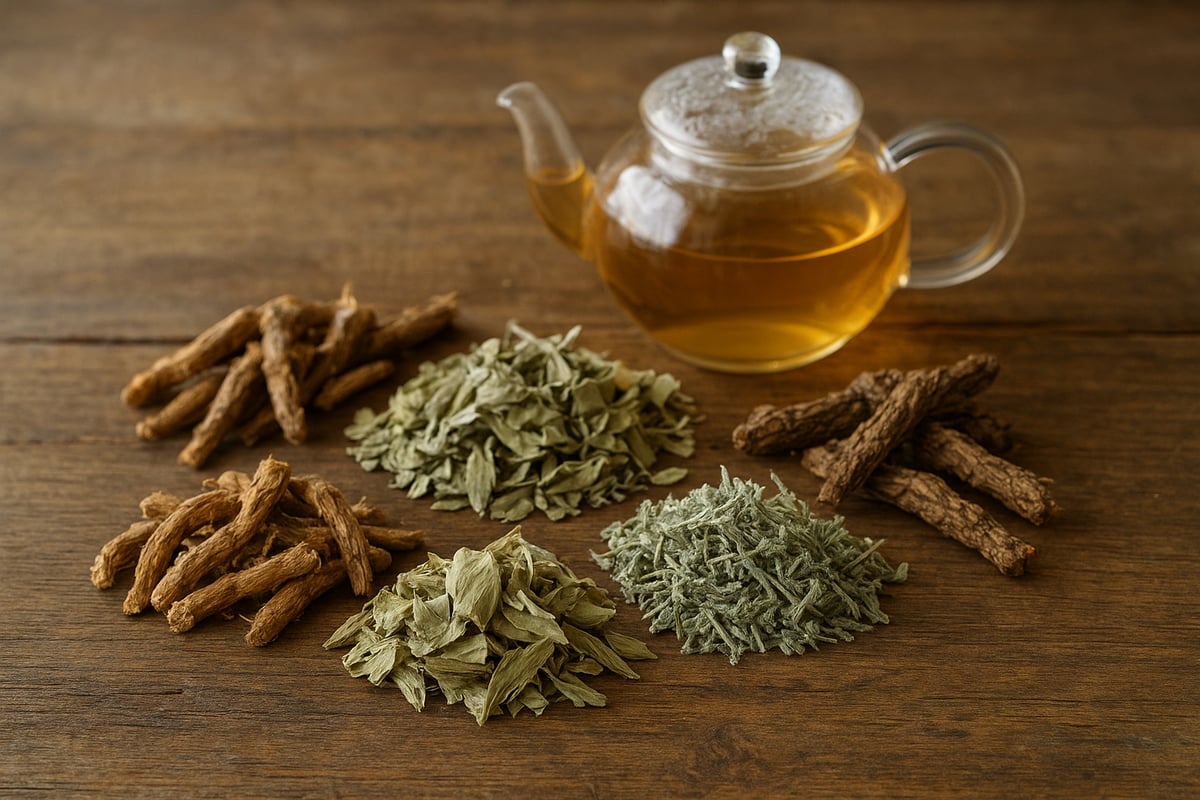
Classic Bitters: From Tradition to Research
Throughout history, herbalists have turned to gentian, dandelion root, artichoke leaf, and wormwood to support digestion. Gentian and wormwood were classic choices for appetite and digestive discomfort, while dandelion and artichoke were cherished for liver and bile flow.
Today, research supports many of these traditional uses. Gentian, for example, is shown to increase saliva and gastric juice. Artichoke leaf extract helps with fat digestion. Not every bitter herb is the same—some are gentle and culinary, others are potent and best used medicinally. Always match the bitter to your needs for optimal digestive bitters benefits.
How to Try Digestive Bitters: Simple Protocol
Curious about adding bitters to your routine? Here’s a simple protocol:
- Choose your bitter: Start with a gentle option like dandelion or artichoke if you’re new.
- Timing: Take bitters 10 to 30 minutes before meals to “prime” your digestive system.
- Dosage: Use as directed—usually a few drops of tincture or a cup of tea. Hold briefly in the mouth before swallowing.
- Duration: Try consistently for 1 to 2 weeks. Observe how your body responds.
- Routine: Use before larger meals, or daily if you find it helpful.
- Track effects: Record symptoms and improvements to fine-tune your approach.
For a deeper dive into practical tips and safety, see What To Know Before You Try Digestive Bitters.
Choose by Symptom: Mini-Table
| Symptom | Suggested Bitter(s) | Notes |
|---|---|---|
| Bloating | Dandelion, artichoke | Gentle, support bile and motility |
| Sluggish appetite | Gentian, wormwood | Potent, boost appetite |
| Heavy meals | Artichoke, gentian | Enhance fat digestion |
Matching your choice to your main concern can help you access the most relevant digestive bitters benefits.
Gentle Entry: Teas and Elixirs
If you prefer a softer start, herbal teas or elixirs blending traditional bitters like dandelion, ginger, and artichoke offer a gentle introduction. These blends support digestion, comfort, and detox, making them easy to weave into daily rituals.
Safety and Who Should Avoid
Digestive bitters benefits are best enjoyed with a little caution. Avoid if you have GERD, active ulcers, or are pregnant. Children and those on certain medications should consult a professional first. Side effects are rare but can include mild stomach upset. Always listen to your body and seek personalised advice when needed.
Safety, Contraindications, and Who Should Avoid Digestive Bitters
Bitters are the missing taste in modern life, but not everyone should jump straight into the world of digestive bitters benefits. While these herbal blends offer natural support for digestion, it’s important to know when to pause and proceed with care.
Who Should Use Caution or Avoid Digestive Bitters
Digestive bitters benefits are widely celebrated, but there are some people who should avoid them, or consult a professional first. Here’s who should take extra care:
- People with acid-related issues: If you have GERD, active ulcers, gastritis, or inflammatory bowel conditions, bitters can increase stomach acid and might irritate sensitive tissues.
- Pregnant or breastfeeding women: Many bitters are not recommended during pregnancy or breastfeeding due to potential uterine stimulation or limited safety data.
- Children: Most bitters, especially those in alcohol-based tinctures, are not suitable for children.
- Medication interactions: Bitters may interact with diabetes medications, blood thinners, antihypertensives, and other prescriptions. Always check with your healthcare provider before combining.
- Liver or kidney conditions: Certain herbs should be avoided in those with liver or kidney disease, especially at high doses.
- Allergies: Watch for signs of allergic reactions, such as swelling, difficulty breathing, or fainting. These require immediate medical attention.
Possible Side Effects and Safe Use
Most people tolerate digestive bitters benefits well, especially when starting with gentle options like herbal teas. However, mild side effects can include:
- Nausea
- Cramping
- Diarrhoea
- Gas
- Sore stomach
If you notice discomfort, reduce your dose or stop use. Bitters are not a cure, but rather a supportive tool for overall wellness. Their effects are often subtle and cumulative rather than dramatic.
Safe Practice and Professional Guidance
To gain the most from digestive bitters benefits, start with small amounts and pay attention to your body’s signals. Keep a journal of your experience and note any changes. Always consult a healthcare professional before starting bitters, especially if you take medication or have ongoing health conditions.
If you’re curious about gentle ways to support digestion and liver health, consider reading about gentle detox methods that complement digestive bitters. This approach can help you ease into the world of bitters with confidence and care.
Digestive bitters benefits can be part of a balanced, holistic approach to wellbeing. Listen to your body, proceed thoughtfully, and remember that sometimes less is more.
Frequently Asked Questions About Digestive Bitters
Bitters are the missing taste in most modern diets, sparking plenty of curiosity about how to use them and what to expect. Below, you’ll find answers to the most common questions about digestive bitters benefits, from how they work to who should use them with caution.
Is apple cider vinegar a digestive bitter? What’s the difference between bitters and enzymes?
Yes, apple cider vinegar is considered a mild digestive bitter, as it activates bitter receptors and gently primes digestion. However, its acidity can affect tooth enamel, so consider capsules or diluted preparations.
Digestive bitters benefits come from stimulating your own natural digestive juices, while digestive enzymes directly break down food. Bitters encourage your body to do the work, whereas enzymes are more like a helping hand for those with specific deficiencies.
Can I take bitters every day? How long until I notice effects? Are there alcohol-free options?
Most people can use bitters daily, but it’s best to cycle them and pay attention to how you feel. Some notice immediate digestive bitters benefits, such as less bloating or improved appetite, while others need a week or two of consistent use.
Alcohol-free options are widely available, including herbal teas, glycerine-based tinctures, and elixirs. These gentle formats are a great entry point if you’re new to bitters or want to avoid alcohol. For more on the broad range of benefits, see Bitters Improve More Than Just Cocktails: They Benefit Your Gut, Liver and Curb Cravings.
Are digestive bitters safe long-term? Can I use them with medication? Can they help with weight?
Long-term use depends on the specific herb and your individual health. Always check with a professional if you have a chronic condition or take medication, as some bitters interact with diabetes drugs, blood thinners, or antihypertensives.
Bitters may support appetite regulation and satiety, which can be helpful for healthy weight management, but they’re not a magic solution. The digestive bitters benefits extend to gut, liver, and even mood, as discussed in The Gut-Skin-Mood Connection.
If you experience nausea, cramping, or discomfort, reduce your dose or pause use. Pregnant women, children, and those with ulcers or severe digestive conditions should avoid bitters unless advised by a practitioner.
Now that you have a clearer picture of how digestive bitters can gently support your gut and whole body, you might be wondering how to bring these time-tested herbs into your own daily rituals. Whether you’re new to bitters or looking for a more natural, research-backed approach to digestive wellness, there’s a whole world of gentle, plant-powered remedies waiting for you. If you’re ready to explore blends crafted for daily comfort, mindful cleansing, and an inside out approach to wellbeing, I invite you to explore our Detox & Digest Collection to support gentle, daily cleansing rituals.