Discover gentle, research-backed natural remedies for IBS using traditional herbs. Learn how plants support digestive calm and comfort.
Natural Remedy for IBS: Plant-Based Digestive Support

Living with irritable bowel syndrome means navigating unpredictable discomfort that can shift your entire day. The bloating, cramping, and urgency become unwelcome companions, shaping what you eat, where you go, and how you plan your life. While IBS doesn't damage the gut structurally, its impact on quality of life is very real. Many people find themselves searching for gentler approaches that work with their body rather than simply masking symptoms. A natural remedy for IBS often begins with understanding the gut as an ecosystem-one influenced by what we eat, how we manage stress, and the plants we invite into our daily rituals.
Understanding IBS and the Gut's Complex Landscape
IBS affects the way your gut moves and communicates with your brain. It's not a single condition with one cause, but rather a cluster of symptoms that appear when digestive processes become dysregulated. Some people experience predominantly constipation, others diarrhea, and many cycle between both.
The key players in IBS include:
- Gut motility: The speed and coordination of intestinal muscle contractions
- Visceral sensitivity: How intensely you feel sensations in your gut
- Gut microbiome: The trillions of bacteria influencing inflammation and digestion
- Gut-brain axis: The constant dialogue between your digestive system and nervous system
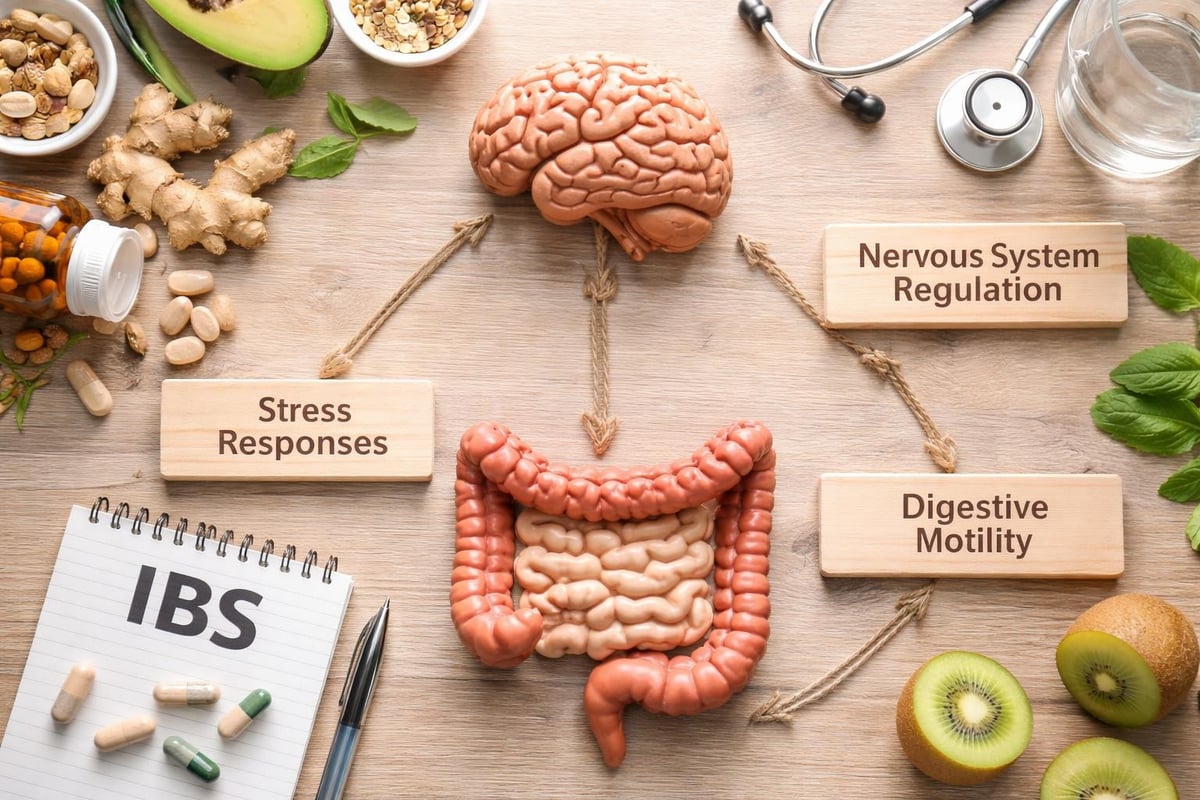
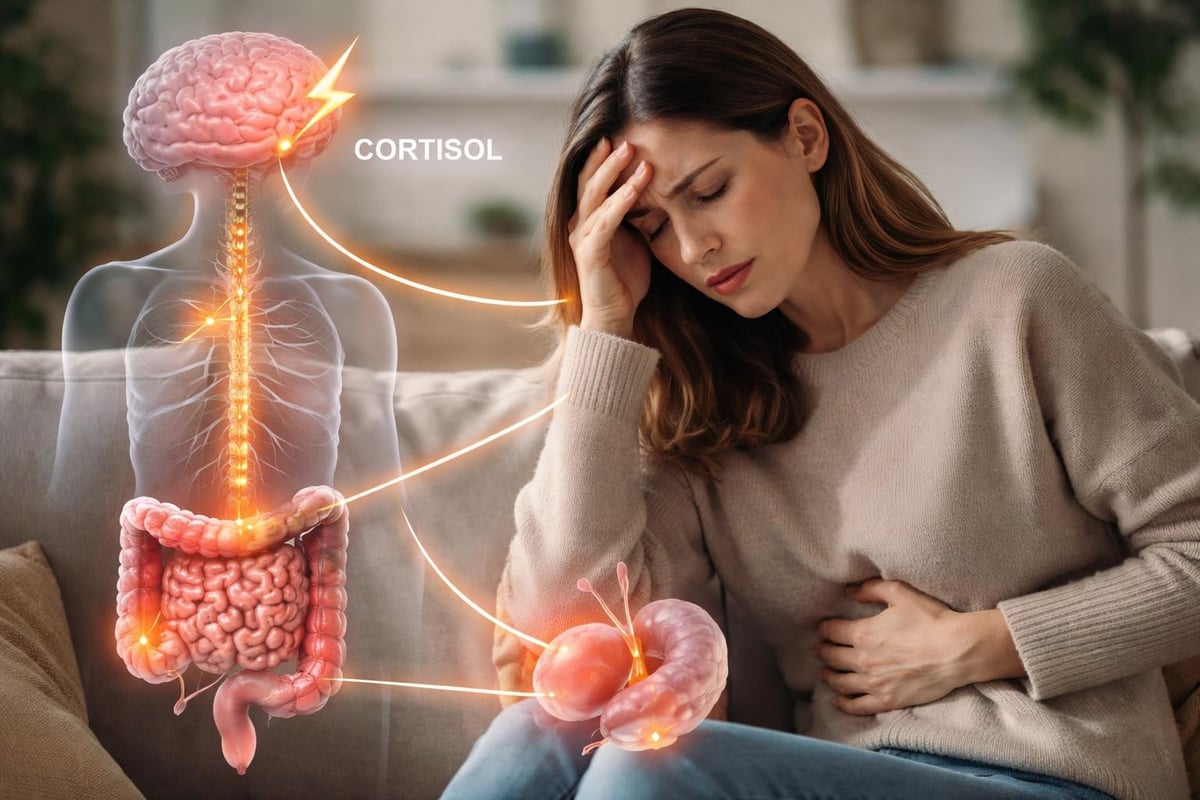
Research increasingly shows that IBS is closely linked to stress, anxiety, and nervous system dysregulation. The vagus nerve, which connects your brain and gut, plays a central role in this relationship. When you're chronically stressed, your digestive system receives signals that can alter motility, increase inflammation, and heighten pain perception.
This is where a natural remedy for IBS becomes particularly relevant. Rather than simply blocking symptoms, plant-based approaches often address multiple aspects: soothing inflammation, supporting the nervous system, and encouraging balanced gut motility.
Peppermint: The Digestive Soother
Peppermint holds a long history as a digestive aid across cultures, from Middle Eastern after-dinner rituals to European herbal traditions. Its active compound, menthol, has antispasmodic properties that help relax the smooth muscles lining your intestines.
How Peppermint Works
When those intestinal muscles contract too forcefully or irregularly, you feel cramping and urgency. Menthol acts on calcium channels in muscle cells, promoting relaxation. Clinical trials have consistently shown that enteric-coated peppermint oil capsules reduce abdominal pain and discomfort in people with IBS.
The "enteric-coated" part matters. Without this protective layer, peppermint oil releases in your stomach and can trigger heartburn. When it reaches your intestines intact, it delivers targeted relief where you need it most.
Using peppermint as a natural remedy for IBS:
- Choose enteric-coated capsules (typically 180-200mg, two to three times daily)
- Take 30-60 minutes before meals
- Alternatively, sip cooled peppermint tea between meals (not immediately after eating if you're prone to reflux)
- Allow 2-4 weeks to assess effectiveness
Herbalists often combine peppermint with other carminative (gas-relieving) plants for broader digestive support. You might find it paired with fennel, chamomile, or lemon balm in traditional formulas.
Ginger: Warming Digestive Movement
Ginger root has been treasured in Ayurvedic and Traditional Chinese Medicine for thousands of years as a digestive fire-starter and nausea remedy. Its pungent compounds-gingerols and shogaols-stimulate digestive secretions, support gut motility, and have anti-inflammatory effects.
For IBS, ginger's value lies in its ability to normalize movement. It's particularly helpful when constipation is part of your pattern, as it gently encourages peristalsis (the wave-like contractions that move food through your intestines). Research suggests ginger may also reduce bloating and gas by helping food move through the digestive tract more efficiently.
| Ginger Form | Dosage | Best For |
|---|---|---|
| Fresh root tea | 1-2 grams steeped 10 minutes | Daily digestive support, nausea |
| Dried powder | 250-500mg capsules, 2-3x daily | Consistent supplementation |
| Candied/preserved | Small amounts | Mild nausea, travel |
Practical Ginger Use
Start your morning with a simple ginger ritual: slice a thumb-sized piece of fresh ginger, steep it in hot water for ten minutes, and sip slowly before breakfast. This prepares your digestive system for the day ahead. Some people add a touch of honey and lemon, creating a warming tonic that also supports the nervous system through gentle hydration and ritual.
If diarrhea is your predominant symptom, use ginger cautiously and in smaller amounts, as its stimulating nature might not suit everyone in that state.
Fennel Seeds: Traditional Carminative Comfort
After meals in India, you'll often find a small bowl of fennel seeds offered as a digestive aid. This practice reflects generations of observation about fennel's ability to reduce gas, bloating, and cramping. The essential oils in fennel-particularly anethole-have antispasmodic and carminative properties.
Fennel works by relaxing the gut muscles while helping trapped gas move through and out of your system. Studies have shown that fennel oil can reduce abdominal pain and improve quality of life in people with IBS, though more research is needed to establish optimal dosing.
Ways to use fennel as a natural remedy for IBS:
- Chew half a teaspoon of fennel seeds after meals
- Steep one teaspoon of crushed seeds in hot water for 10 minutes, drink before or after eating
- Look for digestive tea blends that combine fennel with peppermint and chamomile
- Add fennel to cooking-it pairs beautifully with roasted vegetables and fish
The gentle, slightly sweet flavor makes fennel accessible even for those who find some medicinal herbs challenging to tolerate.

Chamomile: Nervous System Support for Gut Calm
Chamomile flowers have graced teacups across Europe and the Middle East for centuries, valued for their ability to settle both nerves and digestion. For IBS sufferers, this dual action is particularly valuable given the gut-brain connection's central role in symptom patterns.
The primary active compounds in chamomile-apigenin and bisabolol-have anti-inflammatory and antispasmodic effects. Chamomile also has gentle nervine properties, meaning it supports the nervous system. When you're stressed or anxious, your gut often responds with altered motility and increased sensitivity. Chamomile addresses both sides of this equation.
Chamomile's Multi-Level Action
Research on chamomile for IBS specifically is limited, but traditional use and preliminary studies suggest it may help reduce intestinal inflammation and ease cramping. It's particularly useful as part of an evening ritual when stress accumulation from the day might be affecting your digestive comfort.
Brew chamomile as a tea (1-2 teaspoons dried flowers steeped 5-10 minutes) and drink it warm about an hour before bed. This timing supports both digestive settling and sleep quality, another factor that influences IBS symptoms. Many people at Natura Sacra find chamomile blends particularly helpful when digestive discomfort intersects with nervous tension.
Probiotics: Rebuilding Your Inner Ecosystem
Your gut houses roughly 100 trillion microorganisms that influence everything from immune function to mood regulation. In IBS, this microbial community is often imbalanced, with certain beneficial strains depleted and potentially harmful bacteria overrepresented.
Probiotics-live beneficial bacteria-have become one of the most researched natural remedies for IBS. Multiple clinical trials show that specific strains can reduce bloating, gas, abdominal pain, and normalize bowel movements. The key word is "specific"-not all probiotics work equally well for IBS.
Strains with research support for IBS:
- Bifidobacterium infantis 35624: Reduces pain, bloating, and bowel movement difficulty
- Lactobacillus plantarum 299v: Improves overall symptoms, particularly bloating and pain
- Bifidobacterium bifidum MIMBb75: Supports symptom relief across IBS subtypes
- Multi-strain combinations containing various Lactobacillus and Bifidobacterium species
Start with a moderate dose (10-20 billion CFU) and take consistently for at least four weeks before assessing results. Probiotic effects are cumulative-they need time to colonize and influence your gut environment.
Fiber: The Careful Balancing Act
Fiber's role as a natural remedy for IBS is nuanced. Too little can worsen constipation; too much or the wrong types can increase gas and bloating. Understanding the difference between soluble and insoluble fiber helps you navigate this territory.
Soluble fiber dissolves in water, forming a gel-like substance that slows digestion and can help with both diarrhea (by absorbing excess water) and constipation (by softening stool). Sources include oats, psyllium husk, flaxseed, and cooked vegetables.
Insoluble fiber doesn't dissolve and adds bulk to stool, speeding transit time. Sources include wheat bran, whole grains, and raw vegetables. For many with IBS, insoluble fiber can be irritating, especially in larger amounts.
| Fiber Type | Action | IBS-D | IBS-C | Sources |
|---|---|---|---|---|
| Soluble | Gels, slows transit | Helpful | Helpful | Psyllium, oats, flaxseed |
| Insoluble | Bulks, speeds transit | May irritate | Can help | Wheat bran, raw veg |
Research indicates that gradually increasing soluble fiber while moderating insoluble fiber often provides the best results. Start with small amounts-perhaps a teaspoon of ground flaxseed in your morning smoothie-and increase slowly over several weeks. Sudden fiber increases almost always trigger temporary bloating and gas.
Lemon Balm: Gentle Nerve and Gut Soother
Lemon balm (Melissa officinalis) has been used since medieval times for "melancholy" and digestive upset. This connection between mood and digestion reflects what we now understand about the gut-brain axis. Lemon balm contains rosmarinic acid and other compounds with antispasmodic and mild sedative properties.
For IBS, lemon balm serves a dual purpose: it helps relax tense intestinal muscles while also calming an overactive stress response. When your nervous system shifts from sympathetic (fight-or-flight) to parasympathetic (rest-and-digest) mode, your gut functions more smoothly.
Herbalists often include lemon balm in digestive blends alongside peppermint and chamomile, creating a formula that addresses multiple layers of IBS discomfort. Brew it as a tea (1-2 teaspoons dried leaf steeped 10-15 minutes) or look for tinctures that preserve the plant's volatile oils.
Turmeric: Anti-Inflammatory Support
Turmeric root and its active compound curcumin have gained considerable attention for anti-inflammatory effects throughout the body. In the gut, chronic low-grade inflammation contributes to IBS symptoms, particularly pain and altered motility.
Preliminary research suggests turmeric may help reduce IBS symptoms, though larger human trials are needed. Curcumin appears to modulate inflammatory pathways while also influencing gut microbiome composition. Its poor bioavailability means you need to consume it with black pepper (which contains piperine, enhancing absorption) or with fats.
Making turmeric work as a natural remedy for IBS:
- Use fresh or dried root in cooking with a pinch of black pepper
- Try golden milk: warm nut milk with turmeric, ginger, cinnamon, and a touch of honey
- Consider curcumin supplements (500-1000mg daily with meals)
- Be consistent-benefits accumulate over weeks and months
Some people with very sensitive stomachs find turmeric initially increases discomfort. Start with small culinary amounts and increase gradually.
The Low-FODMAP Approach: A Dietary Reset
While not strictly a plant remedy, the low-FODMAP diet deserves mention as it helps identify which plant foods your particular gut tolerates well. FODMAPs (Fermentable Oligosaccharides, Disaccharides, Monosaccharides, and Polyols) are short-chain carbohydrates that feed gut bacteria.
In IBS, these compounds can trigger excessive fermentation, leading to gas, bloating, and altered motility. Common high-FODMAP foods include wheat, onions, garlic, beans, apples, and stone fruits.
The approach involves three phases:
- Elimination (2-6 weeks): Remove high-FODMAP foods to establish baseline symptom reduction
- Reintroduction (6-8 weeks): Systematically test individual FODMAP groups to identify personal triggers
- Personalization (ongoing): Eat a varied diet that avoids your specific triggers while including well-tolerated foods
Many herbal teas fit beautifully into a low-FODMAP approach. Peppermint, ginger, chamomile, and fennel are all FODMAP-friendly, making them accessible even during the elimination phase. You might explore Natura Sacra's tea collection for options that support digestive wellness while fitting dietary restrictions.
Mind-Body Practices: Where Plants and Breath Meet
Stress reduction isn't separate from natural IBS remedies-it's central to them. The gut contains more neurotransmitters than your brain, and chronic stress directly alters digestive function. Combining herbs with mind-body practices creates a more comprehensive approach.
Practices that support digestive calm:
- Diaphragmatic breathing: Activates the parasympathetic nervous system, signaling safety to your gut
- Gentle yoga: Specific poses massage internal organs and reduce tension
- Progressive muscle relaxation: Releases physical holding patterns that affect digestion
- Mindful eating: Slows consumption, improves chewing, and enhances digestive secretions
Consider pairing your herbal tea ritual with five minutes of quiet breathing. This combination-warm, aromatic tea sipped slowly while breathing deeply-sends multiple relaxation signals to your nervous system and gut simultaneously.
Creating Your Personal Protocol
No single natural remedy for IBS works universally because IBS itself varies so much between individuals. What helps someone with IBS-C might worsen symptoms for someone with IBS-D. Your most effective approach will likely combine several elements tailored to your specific pattern.
Building your protocol:
- Start with one or two herbs that match your symptoms (peppermint for spasms, ginger for sluggish digestion)
- Add probiotic support after 2-3 weeks once you've established herbal tolerance
- Adjust fiber intake gradually, focusing on soluble sources
- Incorporate stress practices daily, not just when symptoms flare
- Track patterns in a simple journal noting foods, herbs, stress levels, and symptoms
Give each intervention adequate time-at least 3-4 weeks-before adding or changing elements. This patience allows you to identify what actually helps versus what merely coincides with a natural symptom fluctuation.
The digestive support offerings from Natura Sacra are formulated with this layered approach in mind, combining complementary herbs that address multiple aspects of digestive wellness.
Safety Considerations and When to Seek Help
Natural doesn't automatically mean safe for everyone. Herbs are powerful, and interactions with medications or underlying conditions require attention.
Important safety notes:
- Peppermint oil can worsen GERD; avoid if you have severe reflux
- Ginger may interact with blood thinners and diabetes medications
- Turmeric in high doses can increase bleeding risk
- Probiotics should be used cautiously if you're immunocompromised
- Any herb can cause allergic reactions in sensitive individuals
Always inform your healthcare provider about herbs you're taking, especially if you're on medications. While a natural remedy for IBS can be remarkably effective, it shouldn't replace medical care for severe symptoms or warning signs like unexplained weight loss, blood in stool, or symptoms that wake you from sleep.
If you're new to herbal approaches, consider working with a qualified herbalist who can create a personalized protocol based on your complete health picture.
The Ritual Dimension of Healing
One often-overlooked aspect of herbal remedies is the healing power of ritual itself. When you prepare a cup of peppermint tea each evening, you're not just delivering menthol to your gut-you're creating a predictable moment of care and attention that signals safety to your nervous system.
This ritualistic element matters tremendously for IBS, where stress and unpredictability often feed the symptom cycle. The simple acts of measuring herbs, heating water, steeping, and sipping create structure and slowness in a hurried day.
Consider how you might weave herbal support into existing rhythms: morning ginger tea while journaling, mid-afternoon fennel seeds during a brief walk, evening chamomile as part of your wind-down routine. These consistent touchpoints become anchors that support both digestive and nervous system regulation.
Finding a natural remedy for IBS that works for your unique body often requires patience, observation, and a willingness to try different approaches. The plants discussed here-peppermint, ginger, fennel, chamomile, and others-offer gentle, multi-layered support that addresses the complex nature of IBS itself. At Natura Sacra, we create small-batch herbal formulations designed to support digestive wellness through the wisdom of traditional plant medicine combined with modern understanding, helping you build sustainable daily rituals that nurture your gut and overall wellbeing.