Kruidenveiligheid in 2026 is belangrijker dan ooit. Ontdek de belangrijkste risico's, EU-regels en tips van experts voor veilig kruidengebruik. Maak weloverwogen keuzes voor uw welzijn.
Gids Kruidenveiligheid: Essentiële inzichten voor 2026

Nu de kruidenmarkt in heel Europa blijft groeien, wenden steeds meer mensen zich tot planten voor natuurlijk welzijn en dagelijkse ondersteuning.
Deze golf brengt nieuwe vragen en zorgen met zich mee over de veiligheid van kruiden. Of u nu net begint of jarenlange kruidenervaring hebt, begrijpen waarom de veiligheid van kruiden zo belangrijk is, kan u helpen weloverwogen keuzes te maken.
In deze gids leiden we u door het nieuwste bewijsmateriaal, belichten we enkele risico's en delen we praktische stappen voor veilig kruidengebruik. We onderzoeken wat "kruidenveiligheid" betekent, veelvoorkomende misverstanden, nieuwe EU-regelgeving en deskundige tips voor het opbouwen van een veilige dagelijkse routine.
Het evoluerende landschap van kruidengebruik in 2026
Kruidengebruik in Europa ondergaat een opmerkelijke transformatie.In 2023 werd de Europese markt voor voedingssupplementen gewaardeerd op 40,7 miljard dollar. Tussen 2024 en 2030 zal de markt naar verwachting groeien met een jaarlijks percentage van 7,0%. Volgens de branchevereniging Food Supplements Europe neemt ongeveer 52% van de Europese consumenten supplementen om hun algehele gezondheid te behouden.
Meer mensen wenden zich tot kruiden voor preventie en dagelijks welzijn, aangetrokken door de belofte van natuurlijke oplossingen. Online winkels hebben de toegang tot zowel lokale als exotische botanische producten vergemakkelijkt, terwijl grensoverschrijdende verkoop nieuwe opties – en nieuwe risico's – met zich meebrengt. Functionele voedingsmiddelen en welzijnsdranken met kruidenextracten zijn nu algemeen verkrijgbaar in supermarkten. Socialemediainfluencers bepalen trends, waarbij mediterrane kruiden zoals oregano in Zuid-Europa en wilde Scandinavische botanische producten in het noorden in de schijnwerpers staan. Deze verschuivingen maken het gesprek over kruidenveiligheid urgenter dan ooit.
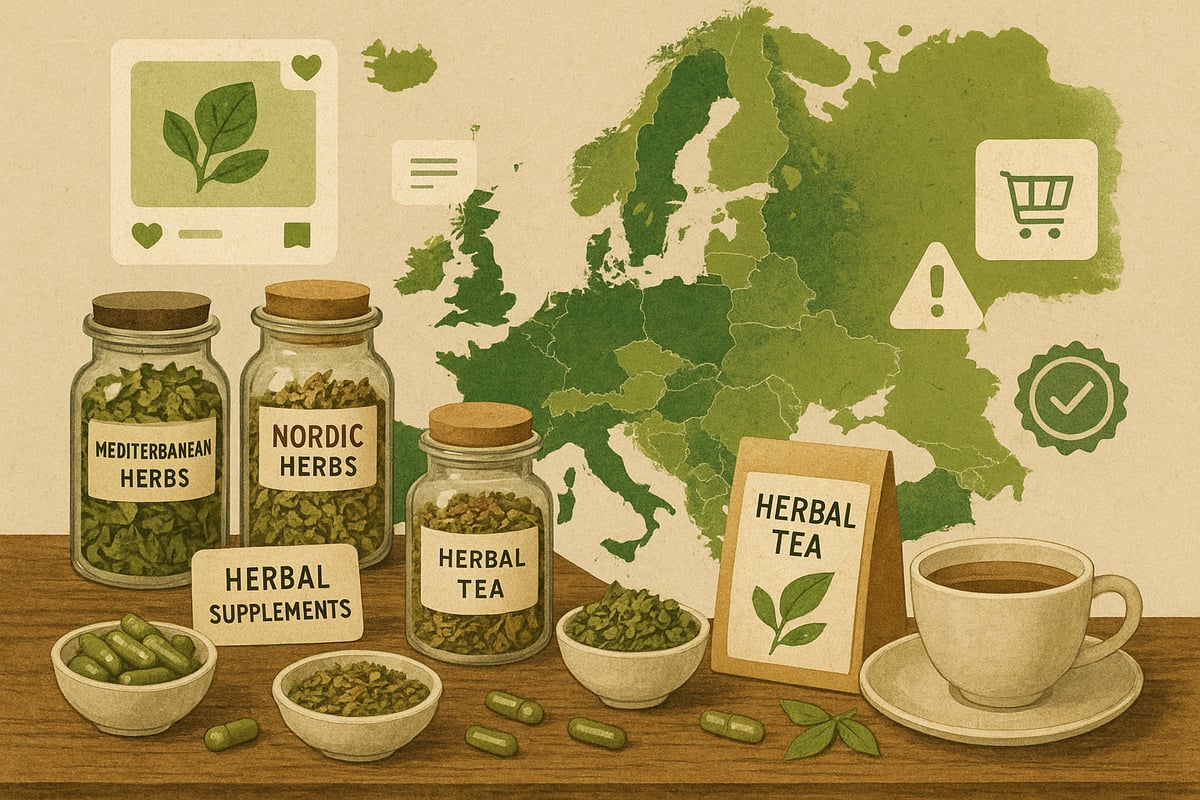
Wereldwijde en EU-trends in kruidenconsumptie
De Europese vraag naar kruidenproducten blijft stijgen, wat een wereldwijde toename van interesse weerspiegelt. Volgens de WHO vertrouwt het grootste deel van de wereldbevolking – ongeveer 80 procent – op kruiden voor een deel van de primaire zorg. In de EU wordt deze trend aangewakkerd door een verlangen naar preventie, duurzaam leven en vertrouwen in natuurlijke benaderingen. De online kruidenmarkt bloeit, waardoor grensoverschrijdend kopen gemakkelijker wordt, maar ook de traceerbaarheid bemoeilijkt. Functionele voedingsmiddelen en met kruiden verrijkte dranken zijn nu mainstream, vaak gepromoot door influencers en wellnessgemeenschappen. Regionale voorkeuren bepalen ook de markt: mediterrane gebieden neigen naar rozemarijn en salie, terwijl Scandinavische regio's wilde bessen en dennen prefereren. Dit dynamische landschap brengt zowel spannende kansen als dringende vragen over kruidenveiligheid met zich mee.
Veelvoorkomende motivaties en misvattingen
Veel mensen kiezen voor kruiden omdat ze milde, natuurlijke genezing willen en huiverig zijn voor synthetische medicijnen. Er bestaat een algemene overtuiging dat kruidenremedies altijd veilig zijn, vooral als ze in de keuken worden gebruikt. Echter, medicinaal sterke preparaten kunnen veel krachtiger zijn. De grenzen tussen traditioneel gebruik en modern bewijs zijn vaak vaag, wat tot verwarring leidt. Marketingtermen zoals "detox" of "immuunboost" kunnen misleidend zijn, waardoor potentiële risico's gemakkelijk worden onderschat. Mensen realiseren zich mogelijk niet hoe de dosering, bereiding of combinatie van kruiden met medicijnen de kruidenveiligheid kan beïnvloeden. Gebrek aan bewustzijn over interacties, vooral met voorgeschreven medicijnen, is een andere belangrijke zorg. Het begrijpen van deze misvattingen is de eerste stap naar het maken van weloverwogen keuzes.
De noodzaak van een veiligheid-eerst benadering
Met meer kruidenproducten op de markt, neemt ook het aantal meldingen van bijwerkingen en terugroepacties toe. Kruidenmengsels kunnen complex zijn, met een potentie die per partij varieert. Evidentiegebaseerd onderwijs en verantwoorde inkoop zijn nu essentieel voor iedereen die kruiden gebruikt. Er wordt aangedrongen op strenger toezicht, betere etikettering en uniforme normen in de lidstaten. Zorgprofessionals zijn steeds meer betrokken bij het begeleiden van veilig gebruik, en helpen gebruikers de juiste vragen te stellen over kwaliteit en risico's. Nu de EU haar regelgeving aanpast en consumenten transparantie eisen, is een veiligheid-eerst-mentaliteit essentieel. Voor meer informatie over de huidige regels en kwaliteitsnormen, zie de EU-regelgeving voor kruidengeneesmiddelen. Door van folklore naar bewijs te gaan en kruidenveiligheid te prioriteren, kunnen we met vertrouwen genieten van de voordelen van botanisch welzijn.
Wat betekent "kruidenveiligheid" nu echt?
Kruidenveiligheid vandaag de dag begrijpen betekent veel verder kijken dan het woord "natuurlijk". In 2026 is dit concept gebaseerd op een evenwicht tussen risico en voordeel, correct gebruik en zorgvuldige aandacht voor individuele behoeften. Niet elk kruid is onschadelijk alleen al vanwege zijn plantaardige oorsprong. In plaats daarvan houdt kruidenveiligheid rekening met hoe we kruiden gebruiken, de kwaliteit en bereiding van producten, en de unieke factoren van elke persoon.
Historisch gezien classificeerden traditionele geneeskundige systemen kruiden op basis van hun effecten, sterktes en zelfs toxiciteit. Nu helpen moderne kaders – zoals die van het Comité voor Kruidengeneesmiddelen – ons kruidenremedies te beoordelen met actuele wetenschappelijke bewijzen. Dit omvat het controleren van productetikettering, het monitoren van besmettingsrisico's en het onderscheiden van milde keukenkruiden en krachtige medicinale planten.
Definitie van kruidenveiligheid
Kruidenveiligheid gaat niet alleen over het gebruik van planten; het gaat over het kennen van het verschil tussen veilige traditie en moderne risico's. We moeten ons afvragen: Is dit kruid geschikt voor mijn behoeften? Is het product puur en nauwkeurig geëtiketteerd? Heb ik gecontroleerd op mogelijke besmetting of verkeerde identificatie?
In Europa spelen regelgeving en wetenschappelijke richtlijnen een steeds grotere rol bij het vormgeven van de veiligheid van kruiden. Deze normen helpen ervoor te zorgen dat producten worden getest, geëtiketteerd en gecontroleerd op bijwerkingen. We moedigen iedereen aan om te zoeken naar betrouwbare certificeringen en advies in te winnen bij deskundige beoefenaars. Verantwoorde kruidenveiligheid begint met weloverwogen, bewuste keuzes.
Soorten kruidenrisico's en bijwerkingen
Er zijn veel manieren waarop kruidengeneesmiddelen risico's kunnen opleveren, en het begrijpen daarvan is essentieel voor veilig gebruik. Sommige planten hebben een intrinsieke toxiciteit – monnikskap en aristolochia zijn voorbeelden waarbij zelfs standaarddoses schadelijk kunnen zijn (PubMed). Externe risico's zijn onder andere besmetting met zware metalen of pesticiden, vaak als gevolg van slechte inkoop of verwerking.
Verkeerde identificatie is een ander gevaar. Het gebruik van de verkeerde plantensoort kan leiden tot onverwachte of ernstige effecten. Kruid-geneesmiddelinteracties zijn bijzonder belangrijk; zo kan Sint-Janskruid bijvoorbeeld interfereren met antidepressiva, anticonceptiva en meer.
Overmatig of verkeerd gebruik – zoals het nemen van hoge doses gedurende lange perioden – kan schade veroorzaken, net als bij conventionele medicijnen. Allergische reacties en individuele gevoeligheden mogen niet over het hoofd worden gezien. Praktijkgevallen, zoals ephedra-gerelateerde hartproblemen in de VS (NEJM) en nierschade door aristolochiazuur in Europa, benadrukken waarom kruidenveiligheid essentieel is.
| Soort risico | Voorbeeldkruiden | Typische gevolgen |
|---|---|---|
| Intrinsieke toxiciteit | Monnikskap, Aristolochia | Hart- of nierschade |
| Besmetting | Elk | Zware metalen, pesticiden, ziekte |
| Kruid-geneesmiddelinteractie | Sint-Janskruid | Verminderde effectiviteit van medicatie |
| Verkeerde identificatie | Wilde kruiden | Onverwachte effecten |
| Overmatig/misbruik | Alle | Toxiciteit, langdurige schade |
Bewust zijn van deze risico's helpt ons allemaal veiligere keuzes te maken en een proactievere benadering van kruidenveiligheid te hanteren.
Belangrijke factoren die de kruidenveiligheid beïnvloeden
Verschillende factoren bepalen de kruidenveiligheid voor elk individu. Bereidingsmethoden zijn belangrijk – verwarmen, drogen of mengen van kruiden kan de toxiciteit verminderen of de potentie veranderen. Zo worden in traditionele mengsels soms kruiden gecombineerd om effecten in balans te brengen, zoals zoethout dat de kracht van monnikskap tempert.
Persoonlijke factoren tellen ook mee. Leeftijd, zwangerschap, gezondheidstoestand en zelfs genetica beïnvloeden hoe ons lichaam reageert op kruiden. De herkomst is cruciaal: biologisch geteelde kruiden van gerenommeerde leveranciers bevatten minder snel schadelijke verontreinigingen.
Effectieve regulering en de expertise van beoefenaars dragen ook bij aan de kruidenveiligheid. We raden aan uw eigen reacties te monitoren en bijwerkingen te melden aan zorgprofessionals. Geïnformeerd blijven, vragen stellen en kiezen voor kwaliteitsbronnen zijn de fundamenten van een veilige, moderne kruidengeneeskundige praktijk.
Kruidenregelgeving en kwaliteitsnormen navigeren
Het begrijpen van kruidenveiligheid in de EU begint met het weten hoe kruidenproducten worden gereguleerd. Het landschap is complex, gevormd door zowel EU-brede richtlijnen als nationale vereisten. Voor iedereen die kruidengeneesmiddelen gebruikt, helpt een beetje regulerende kennis al een heel eind om veiligere keuzes te maken.
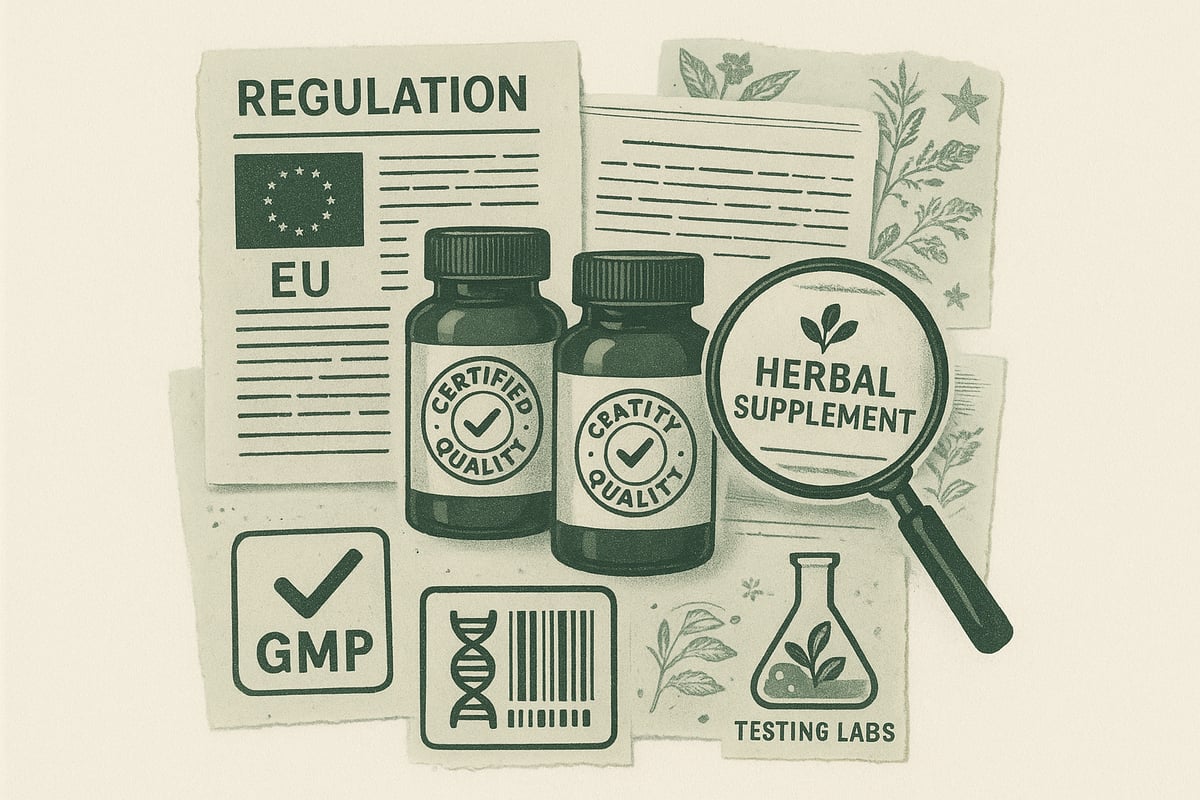
Huidig EU-regelgevingskader
In de EU worden kruidenproducten gegroepeerd als voedingssupplementen, traditionele kruidengeneesmiddelen of geregistreerde geneesmiddelen. Elke categorie volgt haar eigen regels, maar alle streven ernaar de kruidenveiligheid te prioriteren. Het Europees Geneesmiddelenbureau (EMA) overziet de wetenschappelijke evaluatie van kruidengeneesmiddelen, terwijl nationale autoriteiten de vergunningen en markttoezicht beheren.
Etikettering, gezondheidsclaims en veiligheidsvereisten kunnen verschillen tussen de lidstaten. De Richtlijn Traditionele Kruidengeneesmiddelen (THMPD) biedt een kader voor registratie, gericht op traditioneel gebruik en gedocumenteerde veiligheid. Met de opkomst van online winkelen en grensoverschrijdende verkoop is het waarborgen van compliance belangrijker dan ooit.
De afgelopen jaren zijn er strengere traceerbaarheid en duidelijkere etiketteringsnormen ingevoerd, wat de groeiende vraag van consumenten naar transparantie weerspiegelt. Voor degenen die officiële richtlijnen zoeken, bieden de wetenschappelijke richtlijnen voor kruidengeneesmiddelen van de EMA waardevolle inzichten in de huidige beste praktijken voor kruidenveiligheid.
Productkwaliteit en authenticiteit waarborgen
Kwaliteit is essentieel voor de veiligheid van kruiden. Betrouwbare merken maken gebruik van Good Manufacturing Practice (GMP)-certificering, die consistentie en reinheid gedurende het hele productieproces garandeert. Onafhankelijke testen controleren op zware metalen, pesticiden en verborgen toevoegingen, waardoor besmetting wordt voorkomen.
Botanische authenticatie, inclusief DNA-barcoding, wordt steeds vaker gebruikt om de identiteit van planten te bevestigen en onbedoelde verwisseling te voorkomen. Batchtraceerbaarheid – van zaad tot schap – zorgt ervoor dat producten kunnen worden gevolgd en teruggeroepen indien nodig. Zoek naar erkende certificeringen en keurmerken, die de toewijding van een merk aan kwaliteit aangeven.
Transparantie in de inkoop en duidelijke vermelding van ingrediënten zijn essentieel, vooral met de opkomst van ongereguleerde online verkopers en vage "eigendomsmengsels". Het prioriteren van deze kwaliteitskenmerken is een belangrijk onderdeel van de kruidenveiligheid.
Praktische tips voor het kiezen van veilige kruidenproducten
Navigeren op de kruidenmarkt kan ontmoedigend aanvoelen, maar een paar praktische stappen maken het verschil voor de veiligheid van kruiden:
- Lees altijd de productetiketten zorgvuldig. Let op duidelijke ingrediëntenlijsten, aanbevolen doseringen en batchnummers.
- Wees op uw hoede voor overdreven gezondheidsclaims of vage ingrediëntenbeschrijvingen.
- Kies producten van gerenommeerde, gecertificeerde merken met zichtbare kwaliteitskeurmerken.
- Controleer de houdbaarheidsdata en de integriteit van de verpakking voor gebruik.
- Controleer of het product biologisch, in het wild geoogst of duurzaam geproduceerd is.
- Raadpleeg bij twijfel een zorgverlener of een gekwalificeerde kruidendeskundige voor advies.
- Houd een register bij van alle kruidenproducten die u gebruikt om uw reactie bij te houden en eventuele problemen te melden.
- Bij kruidensupplementen is minder – over het algemeen gesproken – meer. Minder ingrediënten, pure kruiden, goed ingekocht is waar het om gaat.
De rol van onderwijs en verantwoorde merken
Educatie is de basis van kruidenveiligheid. Naarmate consumenten beter geïnformeerd raken, spelen verantwoorde merken een cruciale rol door transparante informatie en voortdurende ondersteuning te bieden. Merken die duidelijke veiligheidsadviezen geven, verantwoord inkopen en open dialoog aanmoedigen, dragen bij aan het opbouwen van vertrouwen en het stimuleren van gezondere keuzes.
Door nieuwsgierig te blijven en vragen te stellen, beschermt u niet alleen uw eigen welzijn, maar helpt u ook de standaarden in de kruidenindustrie te verhogen.
Veelvoorkomende risico's en hoe deze te vermijden: een praktische gids
Kruidenveiligheid begrijpen begint met praktische stappen die u elke dag kunt toepassen. Kruidenproducten kunnen van echte waarde zijn, maar alleen als u weet hoe u de risico's ervan moet inschatten en ze verstandig moet gebruiken. Of u nu nieuw bent met kruiden of een ervaren liefhebber, deze stappen in gedachten houden helpt u een veiligere, zelfverzekerdere benadering van kruidenwelzijn te ontwikkelen.
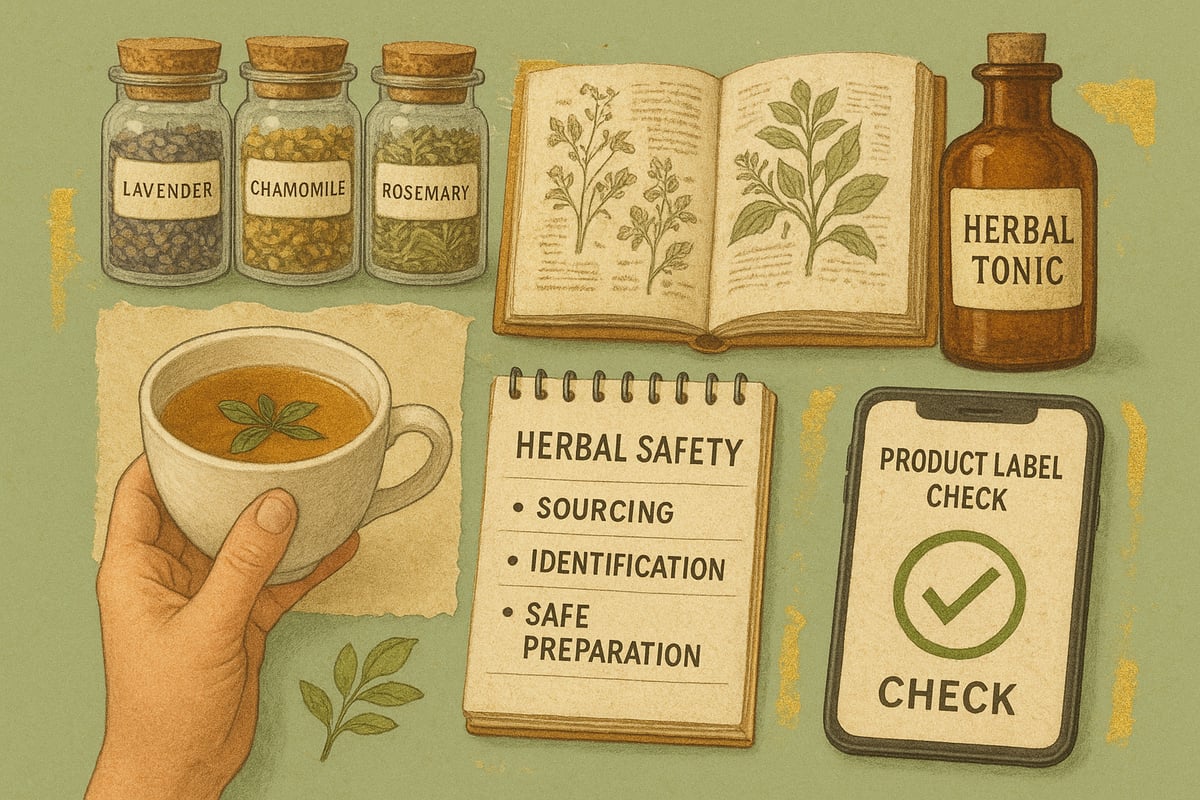
Stap 1: Ken uw kruiden en hun traditionele context
De eerste stap in kruidenveiligheid is begrijpen wat u neemt. Elk kruid heeft een unieke achtergrond, met traditionele toepassingen gevormd door cultuur en langdurige praktijk. Zo wordt kurkuma in de Ayurveda gewaardeerd om ontstekingen te verzachten en de spijsvertering te bevorderen, terwijl valeriaan een klassiek Europees slaapmiddel is.
Het herkennen van het verschil tussen keukenkruiden en medicinaal sterke preparaten is cruciaal. Sommige planten, zoals smeerwortel of aristolochia, hebben bekende risico's en kunnen het beste worden vermeden of alleen met deskundige begeleiding worden gebruikt. Traditionele methoden, zoals drogen of decocteren, verminderen vaak de toxiciteit en vergroten de veiligheid.
Gebruik bij onderzoek altijd betrouwbare bronnen zoals het Europees Geneesmiddelenbureau of PubMed. Raadpleeg bij twijfel een gekwalificeerde kruidendeskundige. Deze context helpt u weloverwogen keuzes te maken, wat de basis is van kruidenveiligheid.
Stap 2: Beoordeel uw persoonlijke gezondheidsprofiel
De veiligheid van kruiden hangt ook af van uw persoonlijke omstandigheden. Leeftijd, zwangerschap, allergieën en chronische gezondheidsaandoeningen beïnvloeden allemaal uw risicoprofiel. Sommige kruiden interageren met voorgeschreven medicijnen. Zo kan Sint-Janskruid de effectiviteit van anticonceptiva en antidepressiva verminderen, wat een goed gedocumenteerde zorg is (PubMed).
Kinderen, ouderen en zwangere vrouwen of vrouwen die borstvoeding geven zijn bijzonder gevoelig voor kruidenproducten. Informeer uw zorgverlener altijd over alle supplementen die u gebruikt. Als u nieuwe symptomen opmerkt na het starten van een kruid, stop dan en vraag advies. Het personaliseren van uw keuzes versterkt de veiligheid van kruiden en beschermt uw gezondheid.
Stap 3: Kruiden veilig inkopen en bereiden
Waar en hoe u uw kruiden koopt, is een belangrijke factor voor de veiligheid van kruiden. Kies gecertificeerde leveranciers die transparante informatie en testen door derden aanbieden. Het zelf plukken van wilde kruiden is riskant, tenzij u getraind bent in plantidentificatie. De juiste bereiding, zoals het maken van thee of tinctuur, kan zowel de potentie als de veiligheid beïnvloeden.
Houd er rekening mee dat sommige kruiden een speciale behandeling nodig hebben om toxiciteit te verminderen, zoals het verwarmen van bittere amandelen. Bewaar kruiden op de juiste manier en controleer altijd de houdbaarheidsdata.
Stap 4: Monitoren, rapporteren en aanpassen
Kruidenveiligheid is geen eenmalige beslissing, maar een continu proces. Houd een dagboek bij van uw kruidengebruik en noteer alle effecten, positief of negatief. Let op vroege tekenen van bijwerkingen, zoals huiduitslag, spijsverteringsproblemen of stemmingswisselingen.
Als u bijwerkingen ervaart, stop dan met het kruid en raadpleeg een professional. Het melden van ernstige reacties aan gezondheidsautoriteiten helpt de veiligheid voor iedereen te verbeteren. Blijf op de hoogte van productterugroepacties en ervaringen van de gemeenschap. Door uw reis te delen, helpt u een veiligere kruidencultuur voor iedereen te creëren.
Heldenplanten: Traditionele wijsheid, moderne inzichten en veiligheidsoverwegingen
Kruidenveiligheid wordt het best begrepen aan de hand van echte voorbeelden. Laten we vijf heldenplanten verkennen die de Europese kruidentradities hebben gevormd en een rol blijven spelen in het moderne welzijn. Voor elk ervan zullen we delen hoe traditie en onderzoek elkaar ontmoeten, en praktische stappen bieden voor veilig gebruik.
Kurkuma (Curcuma longa)
Kurkuma is een hoofdbestanddeel in Ayurvedische en Zuid-Aziatische tradities, gewaardeerd om het verzachten van ontstekingen en het bevorderen van de spijsvertering. In Europese keukens voegt het kleur en warmte toe aan maaltijden, maar de diepere rol ligt in medicinale preparaten.
Curcumine, de belangrijkste werkzame stof, is het onderwerp van veel onderzoek. Studies suggereren dat kurkuma de gewrichten en een gezond metabolisme kan ondersteunen, maar hoge doses kunnen de leverenzymen beïnvloeden (zie onderzoek). Voor kruidenveiligheid raden we aan kurkuma in voedsel of als gestandaardiseerd supplement te gebruiken, niet in buitensporige hoeveelheden.
Over het algemeen wordt kurkuma goed verdragen, hoewel het kan interageren met bloedverdunners en soms spijsverteringsongemak kan veroorzaken. Raadpleeg altijd een professional voordat u nieuwe kruiden aan uw routine toevoegt.
Valeriaan (Valeriana officinalis)
Valeriaan heeft een rijke geschiedenis in de Europese kruidenkunde als kalmerend kruid voor slaap en milde angst. Traditioneel werd het gebrouwen in theeën of tincturen tijdens stressvolle periodes of om rustige nachten te bevorderen.
De ontspannende effecten komen voort uit verbindingen die het zenuwstelsel zachtjes kalmeren. Moderne studies geven aan dat valeriaan de slaapkwaliteit enigszins kan verbeteren (zie onderzoek), hoewel de resultaten per individu verschillen.
Voor kruidenveiligheid, begin met lage doses, bij voorkeur als avondthee. Valeriaan is niet geschikt voor kinderen of zwangere vrouwen, en kan soms slaperigheid of levendige dromen veroorzaken. Vermijd het combineren met andere kalmerende middelen.
Sint-janskruid (Hypericum perforatum)
Sint-janskruid is een klassiek Europees middel voor stemmingsondersteuning en wondgenezing. Traditioneel werd het gebruikt in zonnige infusies en zalven. De belangrijkste verbindingen, hypericine en hyperforine, helpen de effecten te verklaren.
Onderzoek suggereert dat sint-janskruid effectief is bij milde tot matige depressie (zie onderzoek), maar het heeft een hoog potentieel voor interacties tussen kruiden en medicijnen. Het kan de effectiviteit van veel medicijnen verminderen, waaronder anticonceptiemiddelen en antidepressiva. Voor een gedetailleerde kijk op de risico's, bezoek onze pagina Sint-janskruid veiligheid begrijpen.
Kruidenveiligheid betekent dat sint-janskruid alleen met professionele begeleiding en nauwlettende controle mag worden gebruikt.
Zoethout (Glycyrrhiza glabra)
Zoethout is geliefd in zowel Europese als Aziatische tradities voor het kalmeren van de spijsvertering en het ondersteunen van de ademhalingsgezondheid. Het hoofdbestanddeel, glycyrrhizine, levert zoetheid en medicinale waarde.
Onderzoek benadrukt mogelijke voordelen voor het genezen van zweren en immuunondersteuning (zie onderzoek). Toch is kruidenveiligheid essentieel: regelmatige of hoge inname kan de bloeddruk verhogen en de kaliumbalans verstoren.
Gebruik zoethout af en toe als thee of zuigtablet. Mensen met hoge bloeddruk of zwangere vrouwen moeten het vermijden, en alle gebruikers moeten zich bewust zijn van cumulatieve effecten.
Gember (Zingiber officinale)
Gember is een wereldwijde favoriet, te vinden in Europese keukens en traditionele middelen. Het wordt gewaardeerd om het verlichten van misselijkheid en het ondersteunen van de spijsvertering, van thee tot verwarmende soepen.
De actieve bestanddelen, gingerolen en shogaolen, zijn goed bestudeerd. Onderzoek ondersteunt de rol van gember bij het verlichten van milde misselijkheid en spijsverteringsproblemen (zie onderzoek).
Voor kruidenveiligheid is gember over het algemeen veilig in voedsel en matige supplementdoses. Grote hoeveelheden kunnen brandend maagzuur veroorzaken of interacties hebben met bloedverdunners. Begin altijd klein en observeer de reactie van uw lichaam.
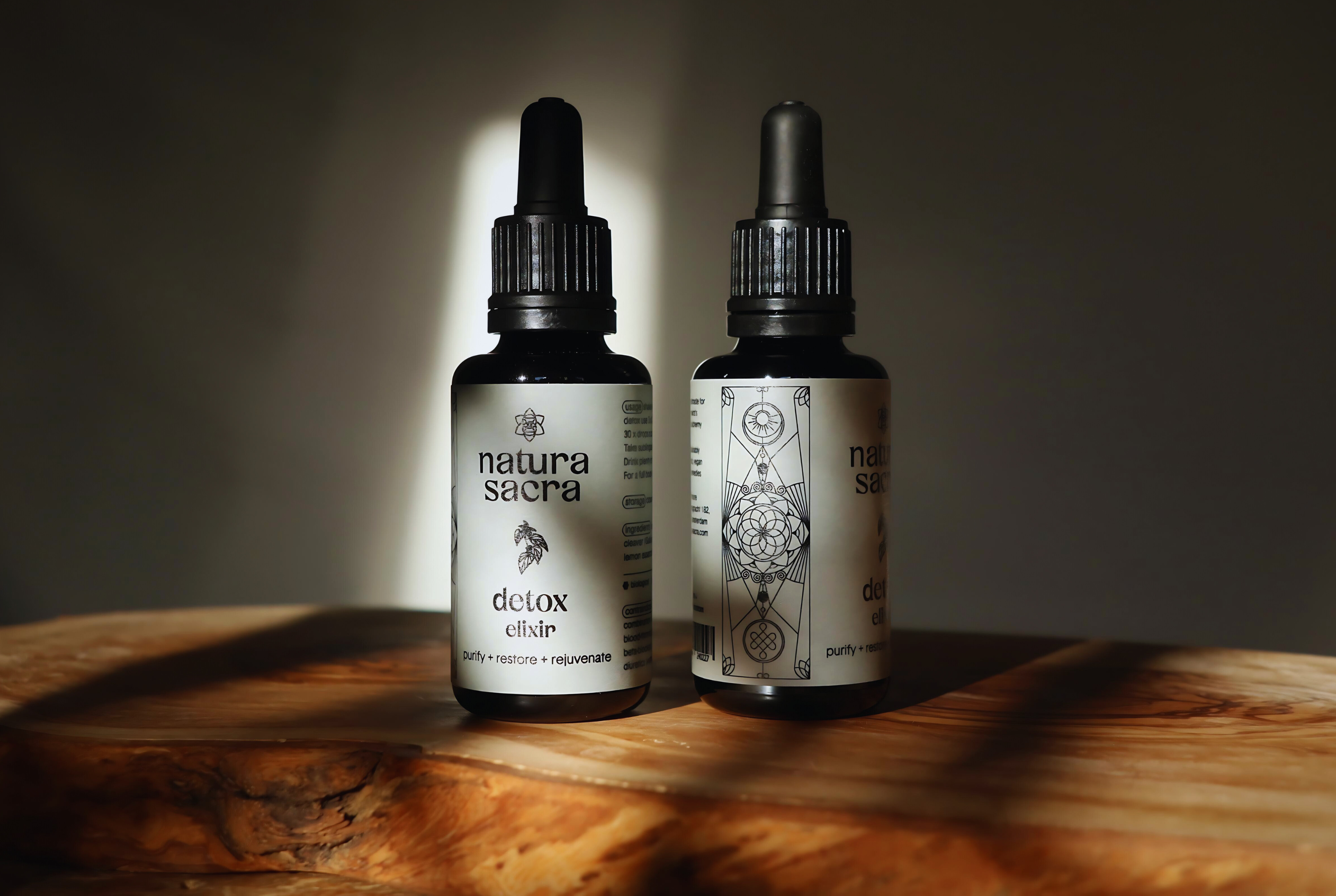
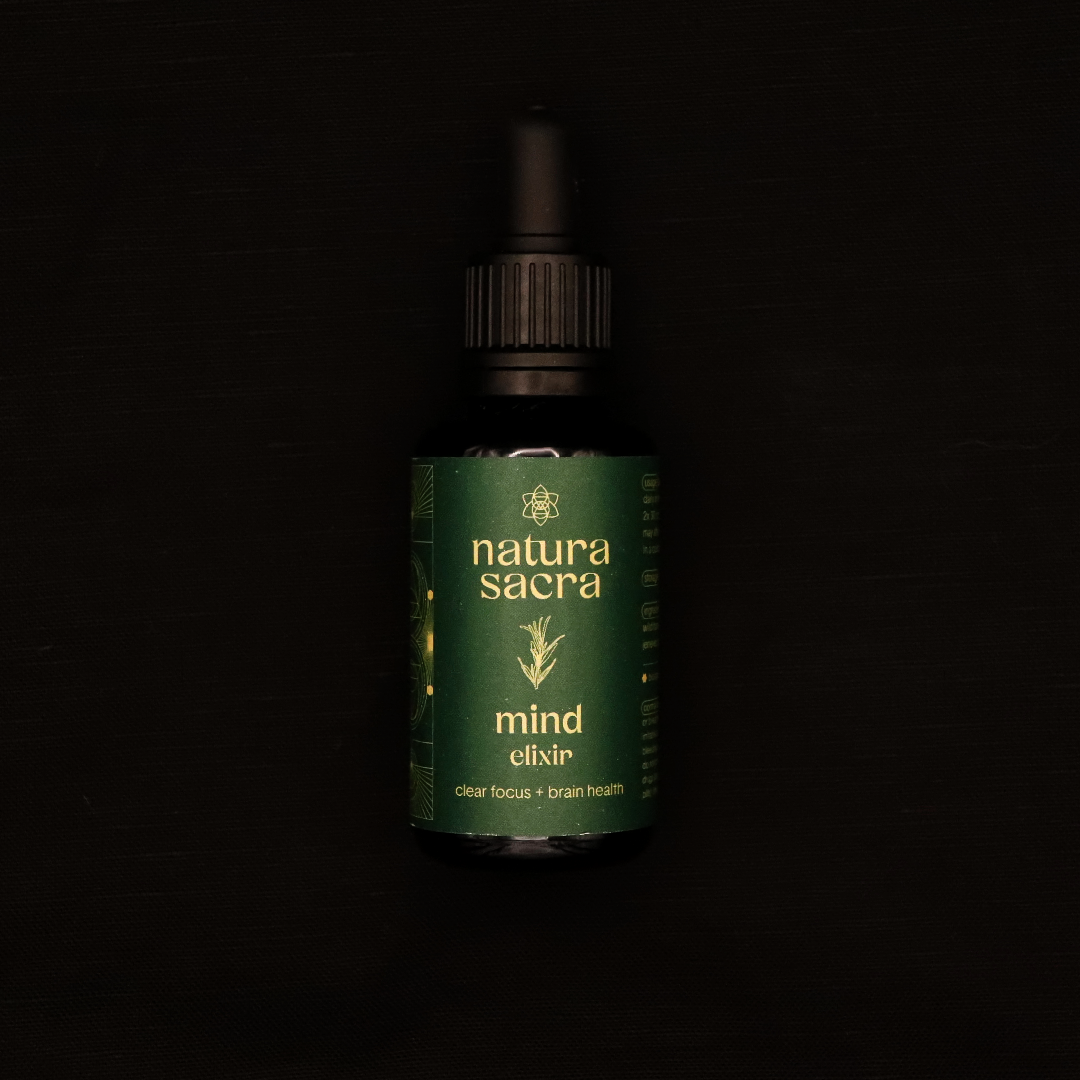
Bij Natura Sacra geloven we dat kruidenveiligheid begint met kennis, traditie en transparantie. We selecteren, bereiden en delen onze heldenplanten zorgvuldig, zodat u ze met vertrouwen in uw dagelijkse welzijn kunt verweven.
Een veilige kruidenroutine opbouwen: deskundige tips voor dagelijks welzijn
Een veilige kruidenroutine opbouwen gaat over het combineren van traditie, onderzoek en een bewuste dagelijkse praktijk. Of u nu nieuw bent met plantenmiddelen of uw aanpak verfijnt, het begrijpen van kruidenveiligheid is de basis voor zelfverzekerd, alledaags welzijn. Laten we onze beste strategieën delen om uw kruidenreis zowel plezierig als veilig te maken.
Begin eenvoudig en blijf geïnformeerd
Uw kruidenreis moet eenvoudig beginnen. Begin met één kruid tegelijk om te observeren hoe uw lichaam reageert, en bouw dan geleidelijk uw routine op. Het integreren van kruiden in dagelijkse rituelen, zoals het maken van een kalmerende thee of het gebruik van zachte aromatherapie, helpt kruidenveiligheid onderdeel te maken van uw dagelijkse leven.
We moedigen het gebruik van betrouwbare bronnen aan en blijven op de hoogte van het nieuwste onderzoek. Vermijd trends die snelle resultaten beloven of gebaseerd zijn op aanbevelingen van beroemdheden. Concentreer u in plaats daarvan op evidence-based keuzes en luister naar de feedback van uw lichaam. Voor veilige stressverlichting, verken zenuwprikkelende kruiden en veilige stressverlichting om zachte opties voor alledaagse rust te ontdekken.
Het bijhouden van een welzijnsdagboek kan u helpen effecten bij te houden en eventuele gevoeligheden vroegtijdig op te sporen. Onthoud dat kruidenveiligheid een voortdurend proces is, geen eenmalige beslissing.
Samenwerken met verantwoordelijke kruidenmerken
Het kiezen van de juiste kruidenproducten is essentieel voor het handhaven van kruidenveiligheid. Zoek naar merken die transparantie bieden in de inkoop, testresultaten van derden verstrekken en hoge normen handhaven voor zuiverheid en kwaliteit. Betrouwbare bedrijven zullen altijd duidelijke ingrediënteninformatie en batchnummers voor traceerbaarheid vermelden.
Wij waarderen merken die traditionele wijsheid combineren met modern onderzoek, zodat u zowel veiligheid als authenticiteit krijgt. Verantwoordelijke merken ondersteunen ook consumentenvoorlichting, en bieden praktische begeleiding bij bereiding, dosering en mogelijke interacties.
Het ondersteunen van verantwoordelijke merken betekent dat u niet alleen zorgt voor uw eigen welzijn, maar ook bijdraagt aan een cultuur van transparantie en duurzaamheid op de kruidenmarkt. Deze aanpak helpt vertrouwen op te bouwen en onderstreept het belang van kruidenveiligheid voor iedereen.
Hoe Natura Sacra kruidenveiligheid en empowerment van welzijn ondersteunt
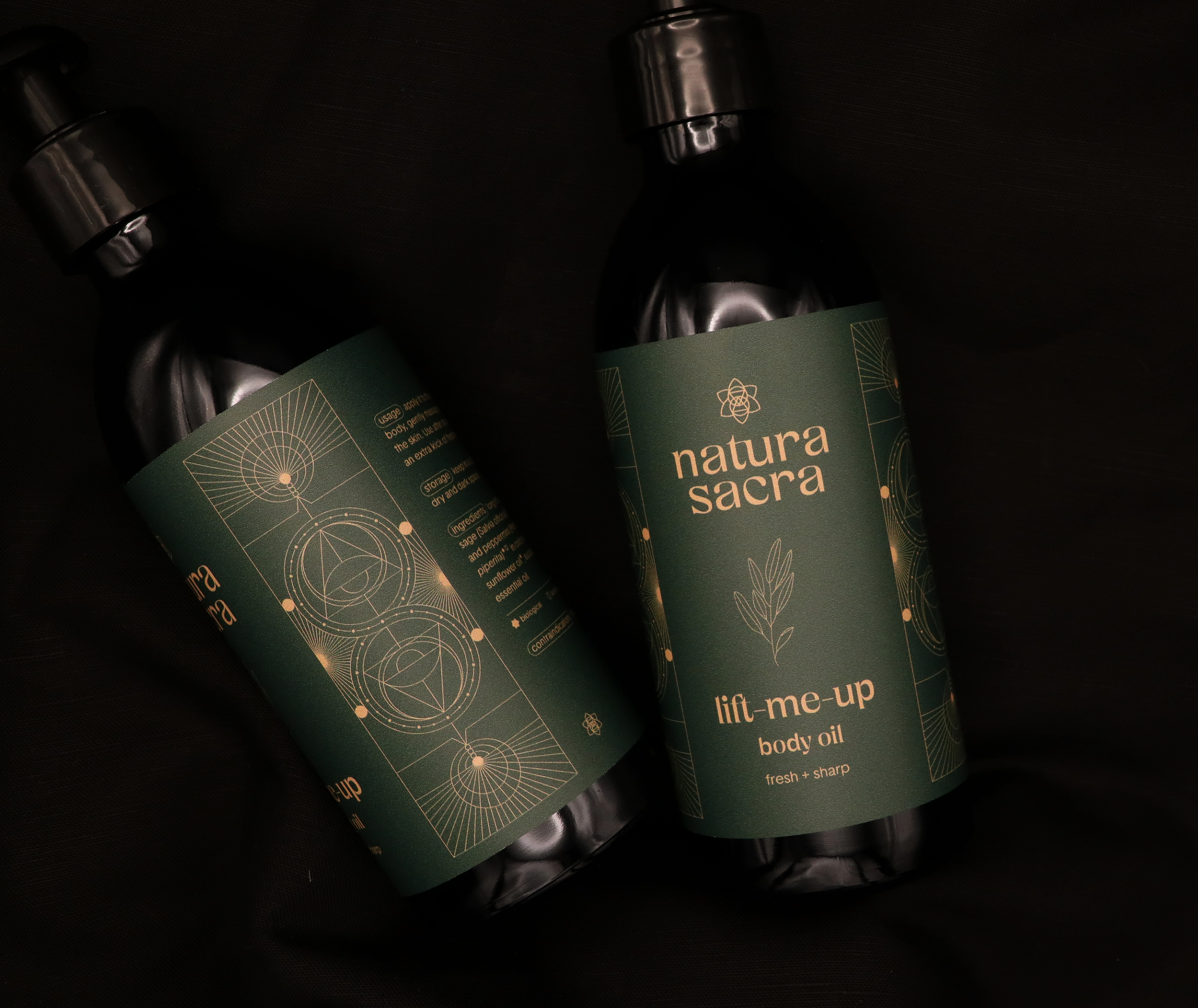
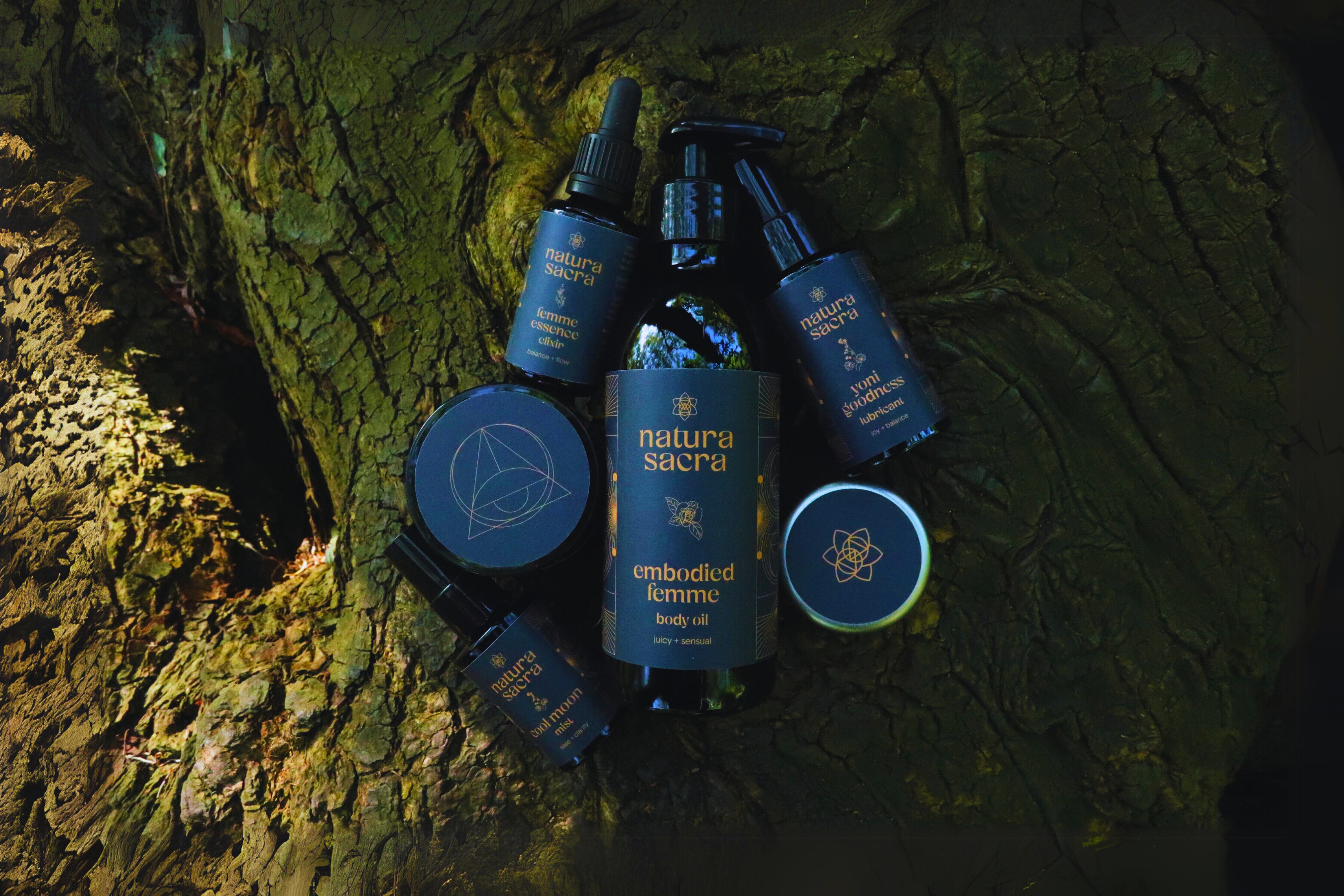
Bij Natura Sacra staat onze toewijding aan kruidenveiligheid centraal in alles wat we doen. We creëren remedies in kleine batches met biologisch geteelde, traceerbare kruiden, en zorgen voor GMP-normen. Onze productetiketten zijn transparant en alle claims worden geverifieerd via verschillende bronnen.
Wij geloven dat onderwijs essentieel is, daarom leggen onze gidsen zowel voordelen als risico's uit. Elk product wordt geleverd met praktische tips voor veilig gebruik, van bereiding tot contra-indicaties.
Door een gemeenschap van geïnformeerde kruidengebruikers te koesteren, stellen we u in staat om weloverwogen keuzes te maken. We nodigen u uit om onze bronnen te verkennen en contact op te nemen met ons team – kruidenveiligheid is een gedeelde reis, en wij zijn er om u bij elke stap te ondersteunen.
Nu u een duidelijk begrip hebt van wat kruidenveiligheid werkelijk betekent – van het kennen van uw kruiden en het controleren op kwaliteit tot het opbouwen van dagelijkse rituelen die voor u werken – is het een goed moment om uw kennis en vertrouwen te verdiepen.
Als u nieuwsgierig bent naar hoe u plantenwijsheid op een veilige, zinvolle manier in de praktijk kunt brengen of meer op feiten gebaseerde inzichten wilt voor uw welzijnsreis, nodig ik u uit om verder te verkennen. Er is zoveel meer te leren over het zelfverzekerd, bewust en duurzaam gebruiken van kruiden.
Ontdek meer rituelen en plantenwijsheid op onze blog