Discover 7 essential herbalist herbs for natural wellness in 2026. Learn their science backed benefits and practical uses to support your holistic health journey.
7 Essential Herbalist Herbs (and fantastic fungi) for Natural Wellness in 2026

There is a renewed interest in natural wellness as more people seek out plant-based solutions for everyday health. Recent studies highlight how herbs can help manage stress, support immunity, and promote overall wellbeing, making them more relevant than ever.
People are now turning to herbs as accessible, effective options alongside or instead of conventional treatments. Whether your goal is better sleep, improved mood, or enhanced energy, these herbs offer practical, holistic support.
This article explores seven essential herbalist herbs, each selected for its proven benefits and easy integration into daily routines for modern natural wellness in 2026.
The Rise of Herbalism in 2026
The landscape of wellness is shifting, with herbalist herbs at the centre of this evolution. More people are turning to plant-based solutions, driven by a desire for holistic health and a deeper connection with nature. This renewed interest is not just a passing trend; it is reshaping how we approach wellbeing.
Modern Trends in Herbal Wellness
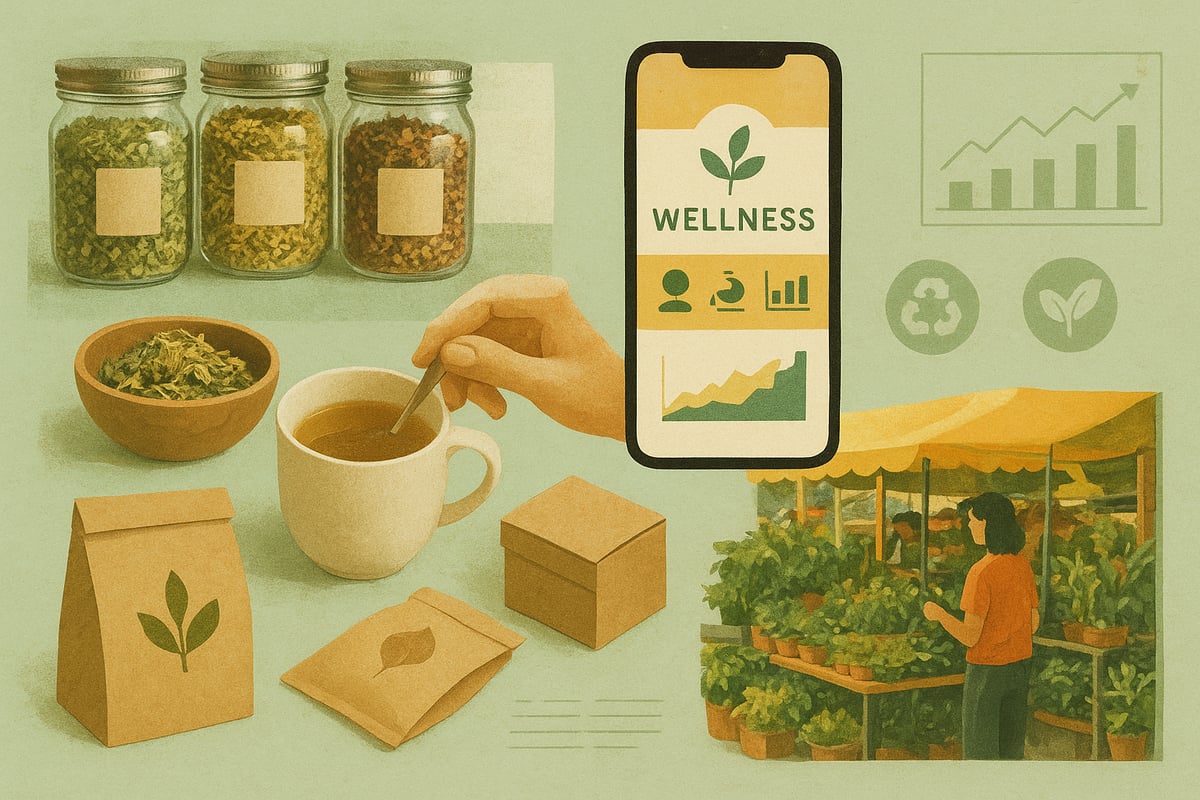
The demand for herbalist herbs has soared since the global pandemic, as people seek natural ways to support their health. Digital health tools and wellness apps now guide users in choosing and tracking herbal remedies, making the integration of these plants into daily routines easier than ever.
Consumers are prioritising organic and sustainably grown herbalist herbs, reflecting a broader shift towards eco-conscious living. Social media platforms and wellness influencers play a huge role in spreading knowledge and inspiring herbal DIY culture. The rise in online courses and local workshops also means more people have access to herbal education, empowering them to make informed choices.
Scientific Backing & Efficacy of Herbal Remedies
Recent years have seen a surge in research supporting the use of herbalist herbs for common health concerns. Clinical trials highlight the benefits of ashwagandha for stress and echinacea for immune support, showing measurable improvements compared to placebos. According to the WHO report on herbal medicine usage, global acceptance and use of herbal medicines continue to grow.
When compared to pharmaceuticals, herbalist herbs often show fewer side effects and a better safety profile, though challenges remain in standardising dosages and regulations. This scientific validation is crucial for building trust and encouraging more people to explore natural alternatives.
Herbalism for Personalised Wellness
Personalised wellness is a key trend in 2026, and herbalist herbs are at the forefront. DNA-based protocols and health data now inform tailored herbal plans, matching adaptogens and blends to individual stressors and goals.
People are creating custom teas and tinctures for targeted benefits, such as improved sleep or mood balance. Case studies show that these bespoke approaches, often guided by experienced herbalists, can make a real difference in wellbeing. This move towards personalisation makes herbalist herbs more accessible and effective for everyone.
Sustainability and Ethical Sourcing in Herbalism
Sustainability is shaping the herbalist herbs market, as consumers demand transparency and ethical sourcing. Overharvesting threatens wild plant populations, making responsible wildcrafting and cultivation essential.
Certifications like Organic and FairWild signal a brand's commitment to ethical practices. Leading companies now highlight their traceable supply chains and support for local growers. Community-supported agriculture and home herb gardens are also gaining popularity, helping ensure a future where herbalist herbs remain available and beneficial for all.
7 Essential Herbalist Herbs for Natural Wellness in 2026
Exploring herbalist herbs can transform your approach to health and wellbeing. In 2026, more people are embracing these time-tested plants for their natural support in daily life. Below, we reveal seven essential herbalist herbs, each chosen for its unique benefits, research backing, and practical uses. Whether you are new to herbal wellness or looking to deepen your routine, these plants offer accessible, effective options for holistic health.
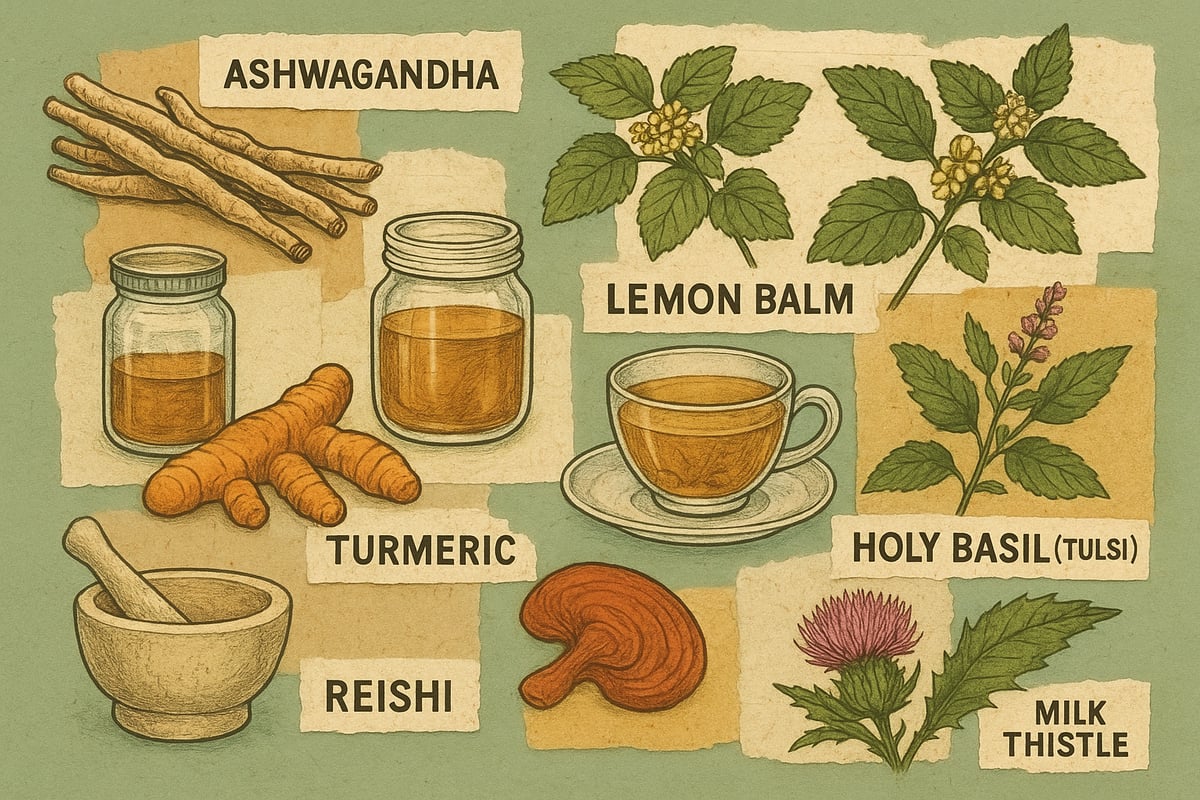
1. Ashwagandha (Withania somnifera)
Ashwagandha stands out among herbalist herbs for its adaptogenic qualities, helping the body adapt to stress and restore balance. Used in Ayurvedic tradition for centuries, it has recently gained attention in modern wellness for its ability to support the nervous system and boost resilience.
Clinical studies back up these traditional claims. Research shows ashwagandha can significantly lower cortisol, the stress hormone, promoting calm and mental clarity. A 2024 meta-analysis found that ashwagandha supplementation led to noticeable reductions in perceived stress, anxiety, and even improved sleep quality. These findings position ashwagandha as a cornerstone in many herbalist herbs routines.
You can take ashwagandha in capsules, tinctures, teas, or powders. It blends well into smoothies or warm drinks, making daily use simple. Typical dosages range from 300mg to 600mg per day, but always check for quality and consult a professional for personalised advice. Most people tolerate ashwagandha well, though it is best avoided during pregnancy or with certain autoimmune conditions.
Ashwagandha also supports cognitive function and hormonal balance, making it a versatile choice for those seeking overall wellness. As part of your herbalist herbs toolkit, it offers gentle, sustained support for mind and body.
2. Lemon Balm (Melissa officinalis)
Lemon balm is a favourite among herbalist herbs for its calming effects on the nervous system. Traditionally, it has been used to ease digestive discomfort and mild insomnia. Modern studies have confirmed its ability to reduce anxiety and lift mood, making it a go-to for emotional wellbeing.
A 2025 clinical study highlighted lemon balm’s positive impact on sleep quality and stress reduction. This herb contains compounds that support GABA activity in the brain, helping to quiet anxiety and promote relaxation. Lemon balm is also used to sharpen cognitive performance, offering gentle clarity during stressful times.
You can enjoy lemon balm as a tea, tincture, or topical balm. Its fresh, citrusy scent makes it a pleasant addition to your daily herbalist herbs routine. Safety-wise, lemon balm is well tolerated by most, but those with thyroid disorders should consult a healthcare professional before use.
For a deeper dive into its benefits and historical uses, explore lemon balm for calm and joy. Integrating lemon balm into your herbalist herbs practice can bring a sense of peace and joy, supporting both mind and body.
3. Turmeric (Curcuma longa)
Turmeric holds a special place in the world of herbalist herbs thanks to its powerful anti-inflammatory and antioxidant properties. Its key active compound, curcumin, has been studied extensively for its impact on joint health, digestion, and chronic inflammation.
One challenge with turmeric is curcumin’s low bioavailability. Combining turmeric with black pepper can enhance absorption, making your herbalist herbs routine even more effective. Research, including a 2024 clinical trial, has shown that turmeric supplements can significantly improve arthritis symptoms and reduce discomfort linked to inflammation.
You can use turmeric in capsules, golden milk, or as a culinary spice. It fits easily into daily routines, whether sprinkled over meals or blended into smoothies. Standard doses range from 500mg to 2000mg of curcumin per day, but always check labels for quality and purity. Turmeric is generally safe for most, though those on blood thinners or with gallbladder issues should take care.
Adding turmeric to your herbalist herbs regimen supports joint health, digestion, and overall vitality. Its vibrant colour and earthy flavour make it both a healing and enjoyable addition.
4. Holy Basil (Tulsi)
Holy basil, also known as tulsi, is revered in Ayurvedic medicine as one of the most potent herbalist herbs for stress resilience and immune support. This adaptogen helps the body cope with modern pressures, while also supporting respiratory and metabolic health.
Modern research has confirmed tulsi’s anti-inflammatory and cognitive benefits. A 2025 review highlighted its ability to strengthen immune defences and enhance mental clarity. Many people use tulsi as a daily tea, tincture, or essential oil, enjoying both its flavour and its gentle, uplifting effects.
Holy basil fits easily into any herbalist herbs routine. Typical preparations include brewing fresh or dried leaves for tea, or adding liquid extracts to drinks. It is generally safe, with a recommended daily intake of 300mg to 2000mg, but always seek professional guidance if you have a medical condition or are pregnant.
By incorporating tulsi into your herbalist herbs practice, you can support your body’s ability to adapt and thrive, especially during challenging times.
5. Nettle (Urtica dioica)
Nettle is a nutrient powerhouse among herbalist herbs, packed with vitamins, minerals, and antioxidants. Traditionally used for allergy relief, joint health, and detoxification, nettle continues to prove its worth in modern wellness routines.
Scientific studies show nettle’s effectiveness in reducing inflammation and easing hay fever symptoms. A 2023 study found that regular nettle use helped alleviate seasonal allergies, making it a valuable ally during pollen season. Nettle’s rich mineral content supports energy and overall vitality, while its antioxidants promote detoxification.
You can prepare nettle as an infusion, add it to soups, or take it in capsule form. It fits seamlessly into daily herbalist herbs routines, offering both nourishment and therapeutic benefits. Nettle is generally safe, but gloves are recommended when handling fresh leaves to avoid stings.
For a comprehensive look at nettle’s healing potential, many turn to herbalist herbs for natural support in both traditional and modern contexts.
6. Reishi Mushroom (Ganoderma lucidum)
Reishi mushroom is celebrated in herbalist herbs circles for its immune-modulating and adaptogenic properties. Used in Chinese medicine for centuries, reishi is now recognised for supporting sleep, stress management, and longevity.
Research, including a recent 2025 study, has shown that reishi can enhance immune system markers and promote restful sleep. Its compounds, called beta-glucans, help regulate immune responses and offer gentle support during times of stress or fatigue.
You can enjoy reishi in teas, capsules, or concentrated extracts. It blends well with other herbalist herbs, making it easy to customise your wellness routine. Typical doses range from 1g to 3g daily, but start low and increase gradually to assess tolerance. While generally safe, some may experience digestive upset, so listen to your body and choose high-quality sources.
Including reishi in your herbalist herbs routine can help build resilience, balance, and a sense of wellbeing, especially when life feels overwhelming.
7. Milk Thistle (Silybum marianum)
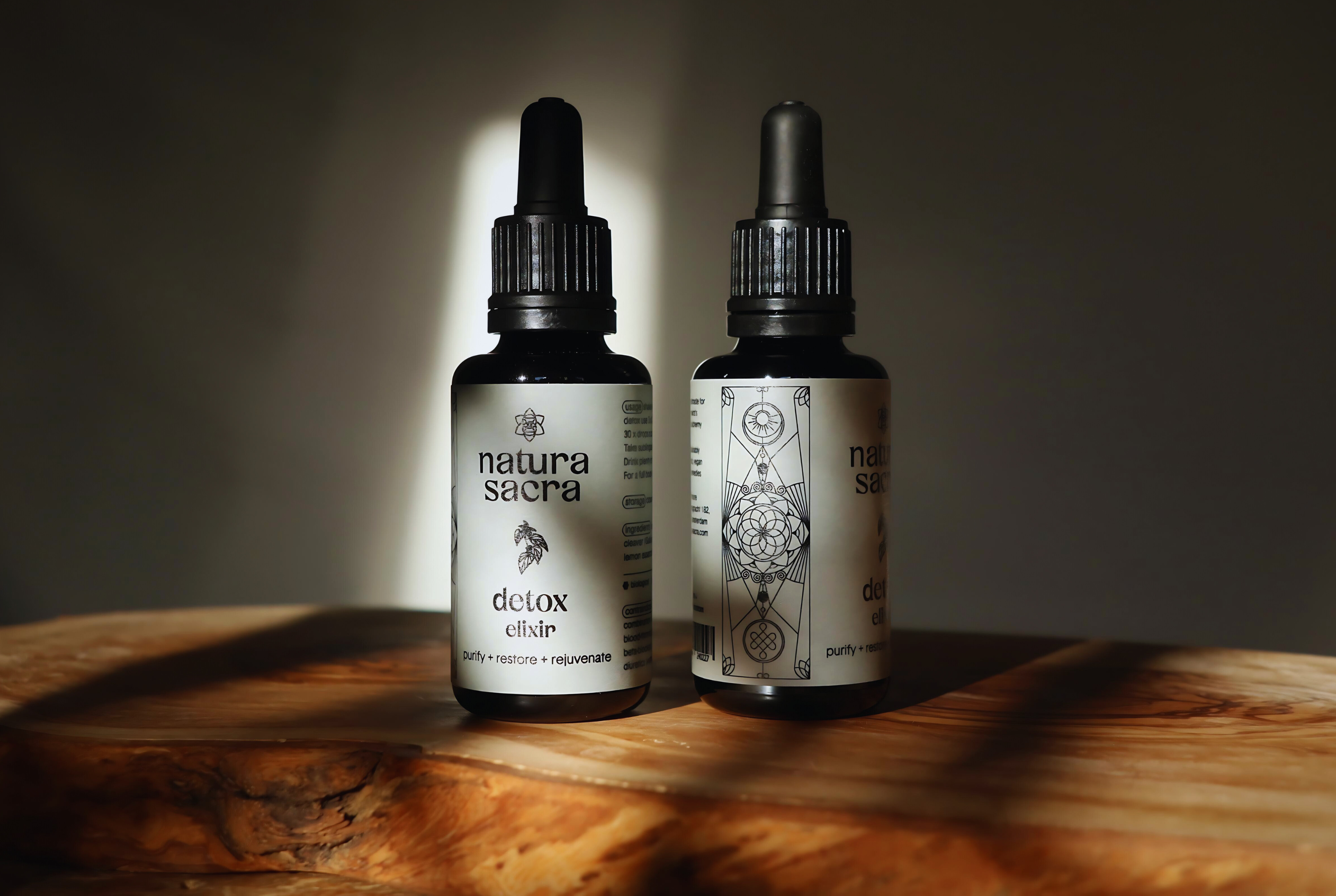
Milk thistle is renowned among herbalist herbs for supporting liver health and detoxification. Its active compound, silymarin, acts as a powerful antioxidant, protecting liver cells and aiding in toxin elimination.
Clinical data, including a 2024 review, highlights milk thistle’s role in regulating liver enzymes and promoting recovery from liver stress. Many people use milk thistle after medication courses or as part of a seasonal detox, adding capsules, tinctures, or teas to their herbalist herbs arsenal.
Milk thistle is generally safe for most, with common doses ranging from 140mg to 420mg of silymarin daily. However, those with allergies to plants in the daisy family should exercise caution. For best results, choose standardised extracts and consult a health professional if you have existing liver conditions.
As part of your herbalist herbs routine, milk thistle offers gentle, targeted support for one of the body’s most vital organs, helping you feel energised and balanced.
How to Incorporate Herbalist Herbs into Your Daily Routine
Making herbalist herbs a seamless part of your everyday routine is easier than you might think. With a few simple techniques, you can enjoy their benefits and support your wellbeing naturally. Whether you prefer sipping teas or adding herbs to your meals, there are plenty of options to suit your lifestyle.
Practical Preparation Methods
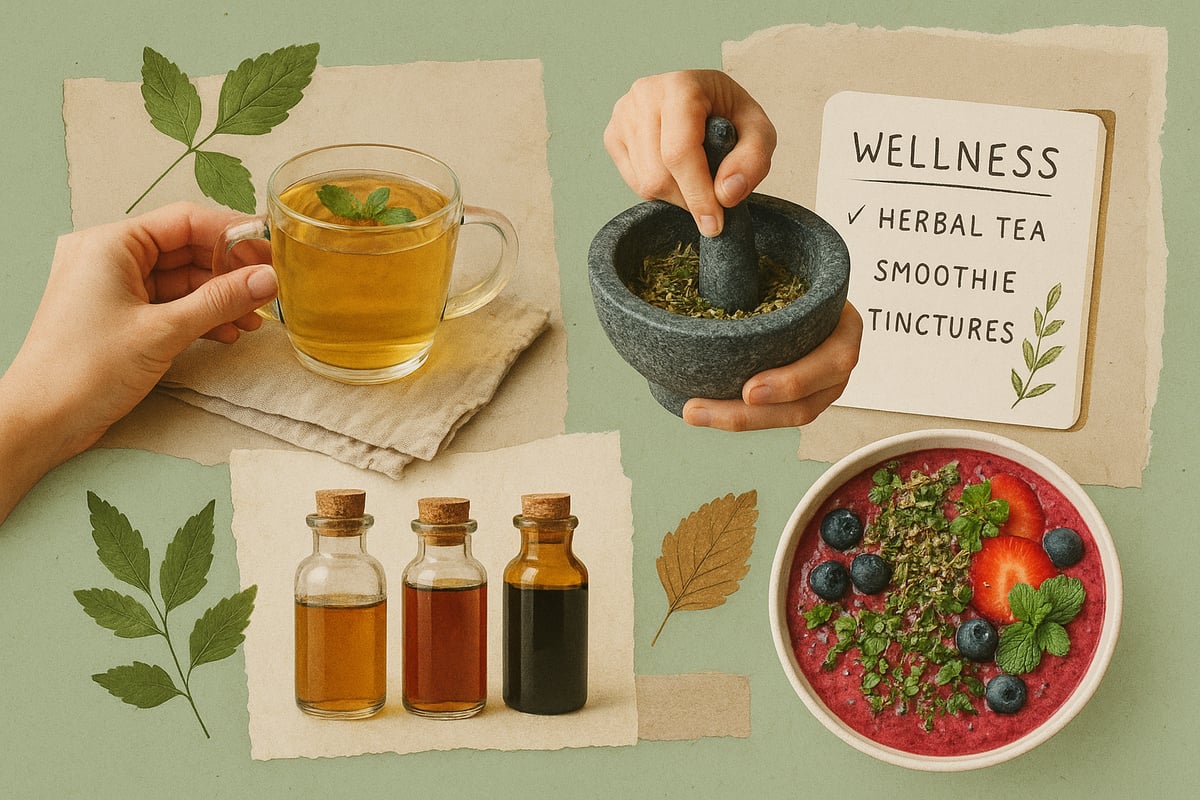
There are many enjoyable ways to bring herbalist herbs into your day. One of the simplest is to brew fresh herbal teas or infusions. Just steep your chosen herb in hot water, strain, and enjoy. Tinctures and extracts offer a concentrated dose, perfect for those with busy schedules.
You can also add herbalist herbs to meals or smoothies for a flavourful wellness boost. Try stirring powdered ashwagandha into porridge or blending nettle into soups. Topical applications like balms, oils, or compresses are excellent for skin and muscle support.
For more inspiration, check out this guide on building a plant-based wellness cabinet to find practical tips that fit your routine. Always ensure your workspace and tools are clean, and store herbs away from heat and sunlight for freshness.
Dosage, Safety, and Quality Considerations
Using herbalist herbs safely means following recommended dosages and being aware of potential interactions. Always read product labels and never exceed suggested amounts, especially if you are new to herbal remedies.
If you take medication or have health concerns, consult a qualified herbalist or healthcare provider before starting new herbalist herbs. Choose high-quality, organic, and ethically sourced products to ensure potency and safety. Look for certifications or trusted suppliers whenever possible.
Common mistakes include misreading dosages or mixing herbs with similar effects. Start slow and observe your body's response. When in doubt, seek professional advice for peace of mind.
Tracking Progress and Personalising Use
Personalising your experience with herbalist herbs is key to getting the most benefit. Keep a wellness journal to note how you feel, track sleep, mood, and energy levels, and record which herbs you use and when.
As your needs change, adjust your herbalist herbs accordingly. You might combine calming herbs for stress or choose energising blends for busy days. Experimenting with different preparations helps you discover what works best for your body.
If you notice any unwanted effects or have questions, reach out to a herbalist for tailored guidance. There are also online communities and courses to support your learning, helping you confidently navigate your herbal wellness journey.
Natura Sacra: Premium Herbal Wellness for Modern Lifestyles
Natura Sacra is redefining modern wellness with a premium approach to herbalist herbs. Their philosophy blends traditional herbal wisdom with the latest scientific research, making natural health solutions accessible for everyone.
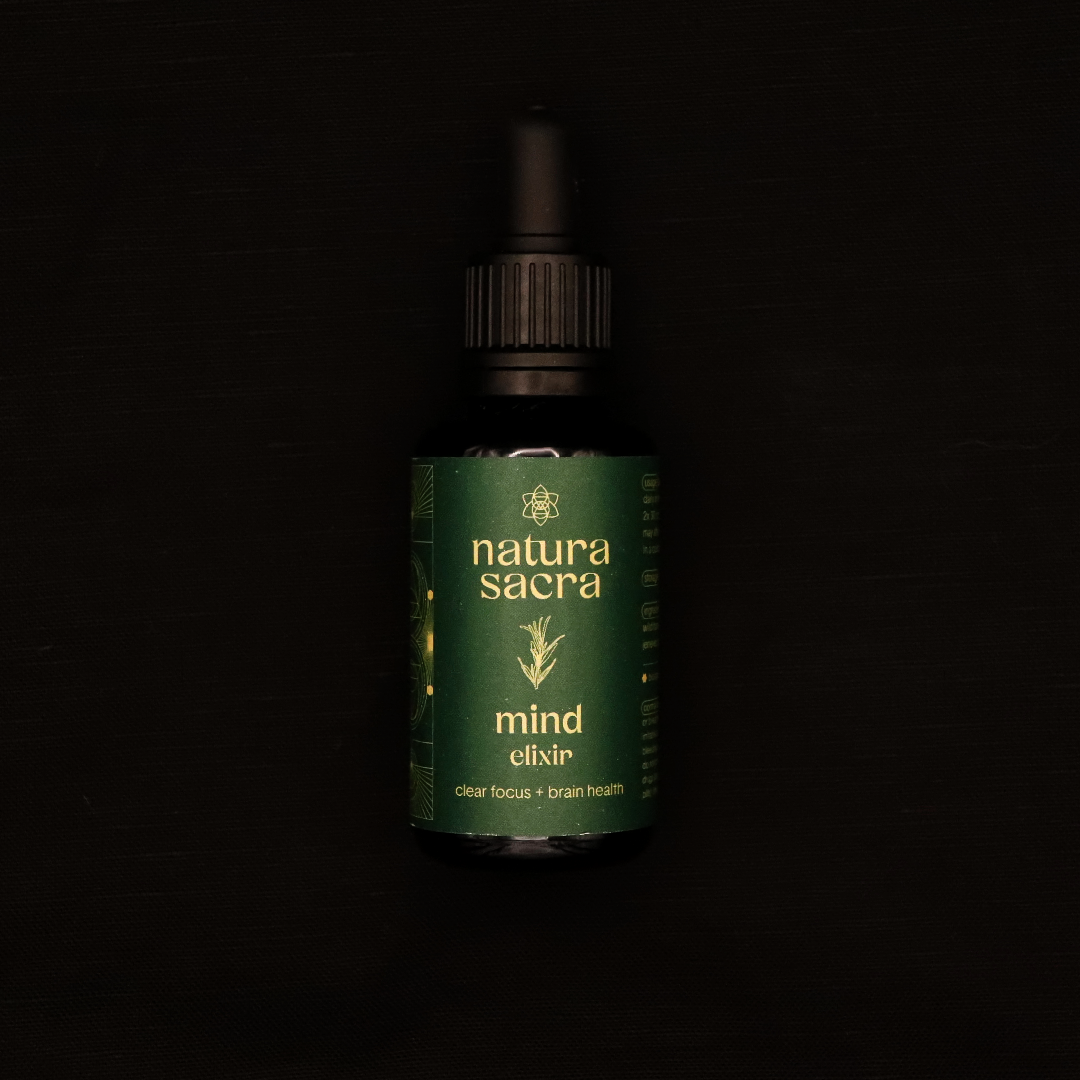
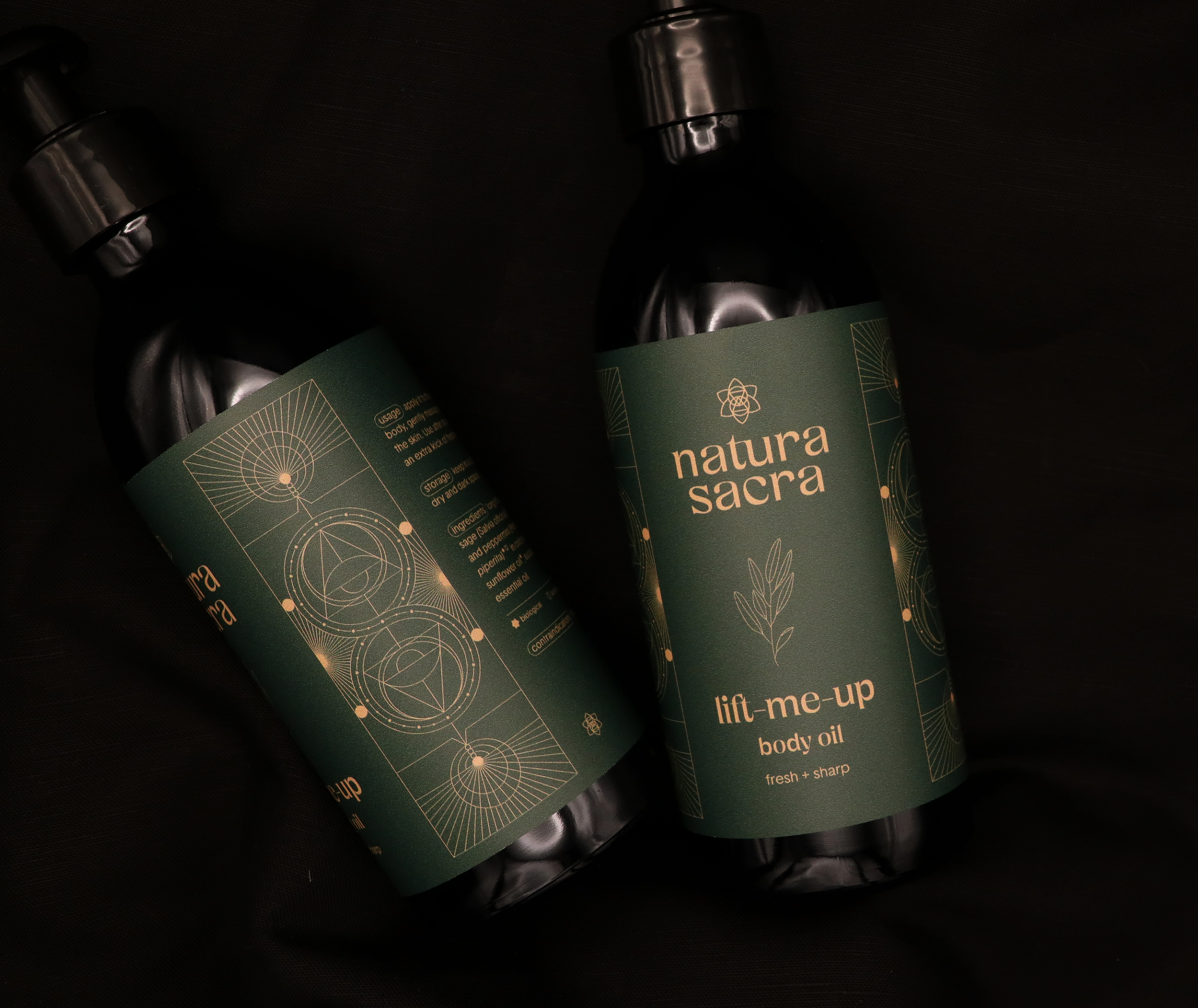
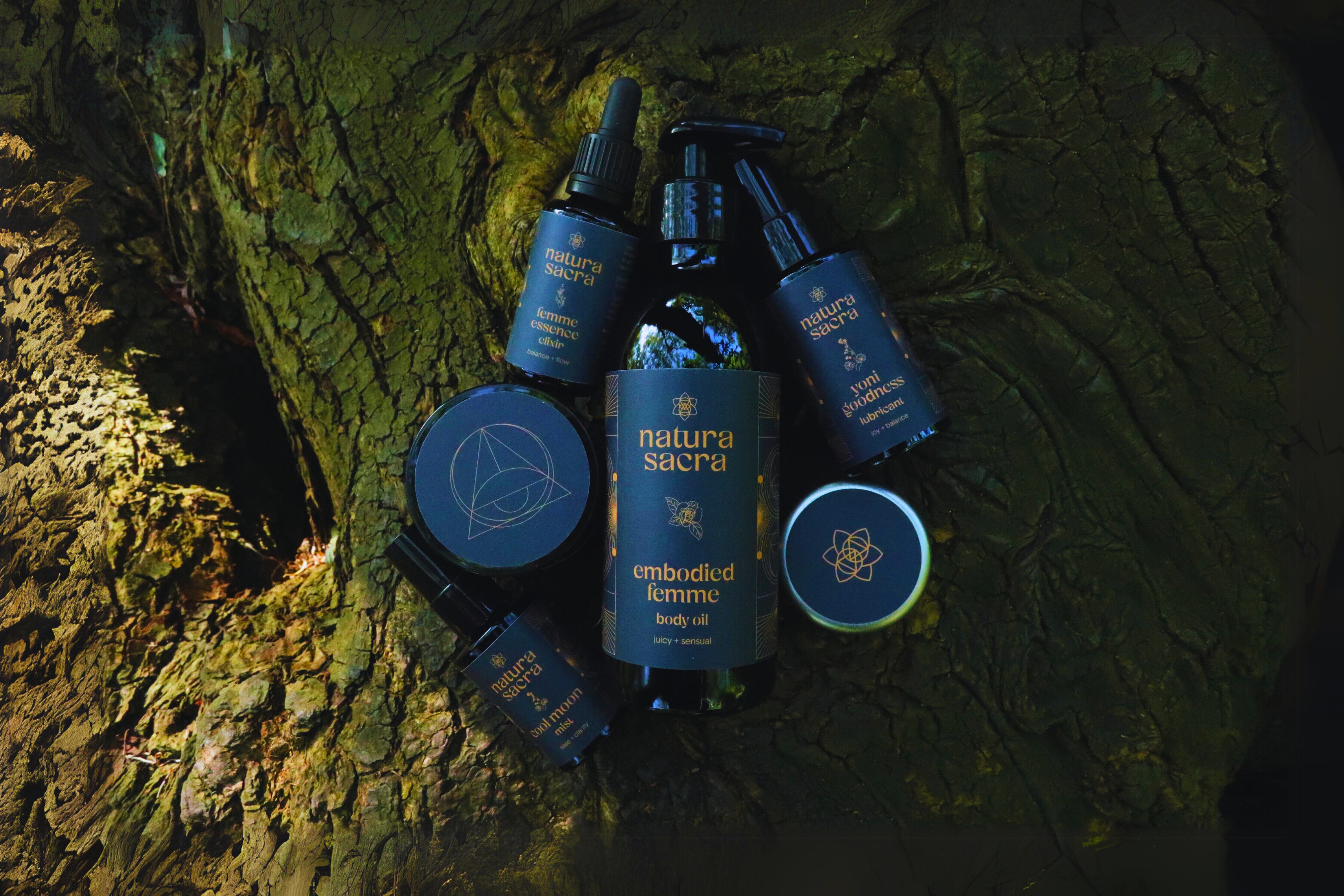
Explore a diverse range of small-batch products, including teas, elixirs, oils, and curated collections tailored for stress, sleep, detox, and hormonal balance. Natura Sacra is committed to organic, sustainable sourcing and full ingredient transparency, so you know exactly what goes into your body.
Curious about the benefits of specific herbalist herbs? Dive deeper into Nettle's healing benefits to see how this powerful plant can support your wellbeing.
With education at its heart, Natura Sacra empowers you to make informed choices. For those seeking holistic, plant-based solutions, their range and resources offer everything you need to start your herbal wellness journey.
You’ve just discovered how seven time honoured herbs can make a real difference to your wellbeing in 2026—from supporting stress relief and restful sleep to boosting immunity and daily vitality. If you’re curious about bringing these natural solutions into your own routine, I encourage you to see how research backed, small batch herbal remedies can easily fit into daily life. At Natura Sacra, every tea, elixir, and oil is crafted to support your unique wellness goals with plant wisdom and integrity. Ready to explore what’s possible for your health journey? Discover our small batch herbal remedies crafted for natural wellbeing.