Ontdek de holistische huid- en tonicagids voor stralend welzijn in 2026. Combineer kruidenwijsheid met modern onderzoek en leer praktische routines voor een gezonde huid.
Holistische huid- en tonicagids: Jouw pad naar stralende wellness 2026

Stel je voor: elke ochtend wakker worden met een natuurlijk stralende huid en een diep gevoel van vitaliteit. Wat als het antwoord niet een snelle oplossing is, maar een meer holistische benadering die geworteld is in zowel traditie als wetenschap?
Deze gids laat je zien hoe holistische huidverzorging en tonicums je dagelijkse welzijn kunnen transformeren. Door oude kruidenwijsheid te combineren met modern onderzoek, kun je je huid van binnenuit voeden voor blijvende resultaten.
Je ontdekt de kernprincipes van holistische huidverzorging, de rol van kruidentonicums, eenvoudig te volgen routines, belangrijke botanische ingrediënten, veiligheidstips en praktische manieren om deze tradities deel te maken van je dagelijkse leven. Laten we je reis naar stralend welzijn beginnen – één bewuste stap tegelijk.
De fundamenten van een holistische huidgezondheid
Je huid verzorgen is veel meer dan alleen de juiste crème of reiniger kiezen. Elke dag weerspiegelt je huid niet alleen je omgeving, maar ook je innerlijke welzijn. Een holistisch perspectief helpt je te zien hoe elk aspect van het leven, van stress tot slaap, je teint en vitaliteit vormt. Het begrijpen van holistische huidverzorging en tonicums kan je in staat stellen keuzes te maken die zowel lichaam als geest voeden.
Holistische huidverzorging begrijpen
Holistische huidverzorging kijkt naar de hele persoon, niet alleen naar het oppervlak. In plaats van zich alleen te richten op symptomen, houdt deze benadering rekening met fysieke gezondheid, emoties en dagelijkse gewoonten. De huid wordt gezien als een spiegel van wat er in het lichaam gebeurt, niet zomaar een geïsoleerd orgaan.
Kruidkundigen geloven in balans en voeding. Ze werken eraan om de natuurlijke afweer van het lichaam te ondersteunen, gericht op veerkracht op lange termijn in plaats van snelle oplossingen. In tradities zoals Ayurveda en Traditionele Chinese Geneeskunde behandelen beoefenaars huidproblemen vaak door eerst de spijsvertering en het emotionele welzijn te ondersteunen.
Door holistische huidverzorging en tonicums te verkennen, begin je huidgezondheid te zien als een weerspiegeling van je algehele levensstijl.
De huid-lichaam verbinding
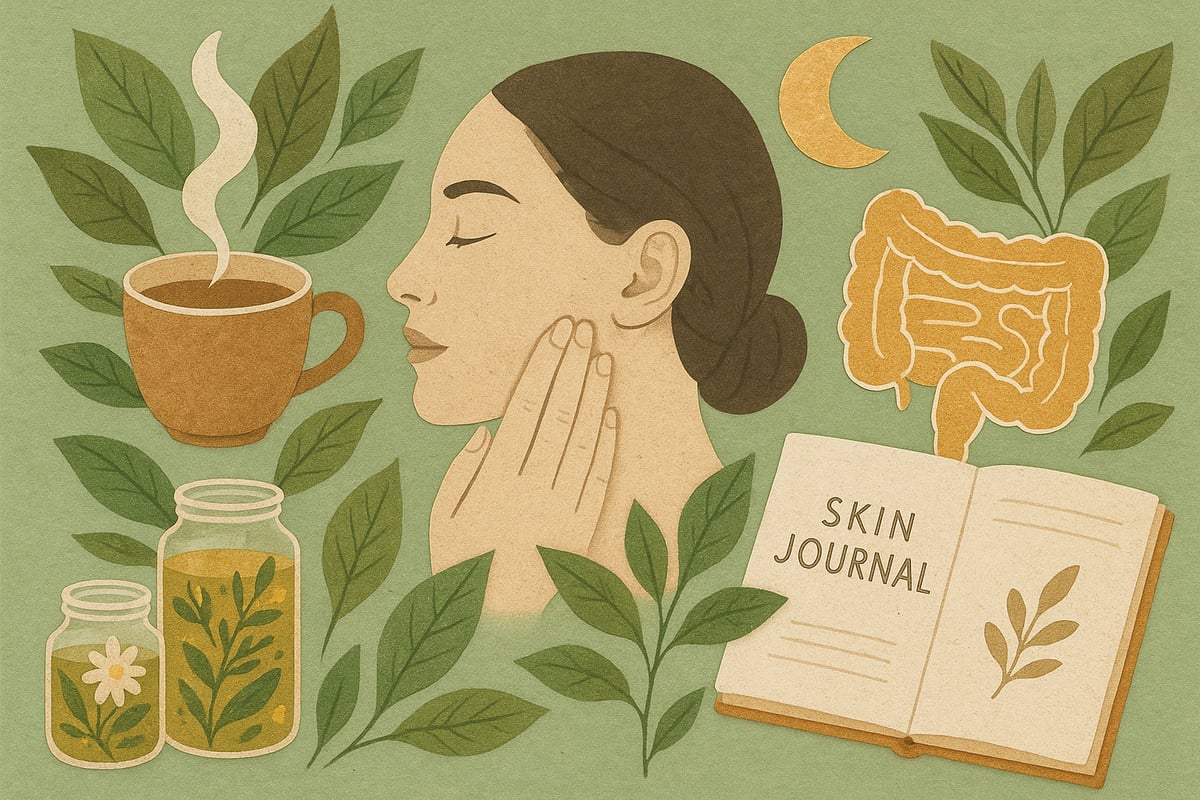
Je huid is nauw verbonden met je innerlijke gezondheid. Stress, dieet, hormonale veranderingen en slaappatronen kunnen allemaal van invloed zijn op hoe je huid eruitziet en aanvoelt. Een belangrijk voorbeeld is de darm-huid as. Wanneer de spijsvertering in balans is, helpt dit ontstekingen laag te houden, wat aandoeningen zoals eczeem kan verlichten.
Hydratatie en zachte ontgifting spelen ook een rol bij het ondersteunen van een heldere, levendige huid. Modern onderzoek heeft aangetoond dat aanhoudende stress huidveroudering kan versnellen door natuurlijke herstelprocessen te verstoren. Sterker nog, een studie toonde aan dat mensen die hun dieet veranderden, zichtbare verbeteringen in de helderheid van hun huid zagen.
Als je geïnteresseerd bent in het verder verkennen van deze verbanden, biedt de holistische verbinding tussen darmen, huid en humeur waardevolle inzichten in hoe je darmen, humeur en huid met elkaar in wisselwerking staan. Door de principes van holistische huidverzorging en tonicums in je routine te verweven, kun je je huid van binnenuit ondersteunen.
De rol van ritueel en mindfulness
Dagelijkse rituelen doen meer dan alleen je huid verzorgen. Ze bieden een kans om te vertragen, af te stemmen en emotioneel welzijn te ondersteunen. Kruideninfusies kunnen bijvoorbeeld zachte zelfzorgpraktijken worden. Stel je voor dat je je dag afsluit met een kalmerend kopje thee, wat je lichaam en geest helpt tot rust te komen.
Mindful routines stellen je in staat om op te merken hoe je huid reageert op verschillende voedingsmiddelen, stressniveaus of slaapgewoonten. Kruidkundigen moedigen mensen vaak aan om rituelen te creëren die passen bij hun behoeften, in de overtuiging dat dit de voordelen van de planten zelf versterkt.
Door holistische huidverzorging en tonicums te omarmen als onderdeel van je dagelijkse leven, kun je zowel je teint als je gevoel van balans voeden.
Kruidentonicums: Oude Wijsheid ontmoet Moderne Wetenschap
Holistische huidverzorging en tonicum routines winnen aan populariteit bij mensen die resultaten willen die dieper gaan dan oppervlakkige oplossingen. Velen van ons zoeken naar manieren om onze huid en ons welzijn in het dagelijks leven te ondersteunen, niet alleen wanneer er problemen optreden. Kruidentonicums vormen een brug tussen beproefde traditie en op bewijs gebaseerde zelfzorg, en nodigen ons uit om onze huid van binnenuit te voeden.

Wat zijn kruidentonicums?
Kruidkundigen benaderen holistische huidverzorging en tonicums door zich te richten op zachte, voedende middelen die na verloop van tijd werken. In tegenstelling tot snelwerkende producten, zijn tonicums planten of mengsels die dagelijks worden gebruikt om veerkracht en innerlijke balans op te bouwen. Het doel is niet om symptomen te maskeren, maar om het natuurlijke vermogen van het lichaam om een gezonde huid en algeheel welzijn te behouden te ondersteunen.
Tonicums zijn geworteld in vele culturen, van Europese brandnetelinfusies tot Aziatische kliswortelafkooksels. Deze planten worden vaak gekozen vanwege hun veiligheid en vermogen om te voeden, in plaats van te stimuleren of te onderdrukken. Brandnetel, kliswortel en calendula zijn klassieke voorbeelden, elk met een lange geschiedenis in holistische huidverzorging en tonicum routines. Door deze in het dagelijks leven te verweven, geloven kruidkundigen dat we de basis kunnen leggen voor blijvende uitstraling en vitaliteit.
Belangrijkste acties en verbindingen
Wat maakt bepaalde kruiden ideaal voor holistische huidverzorging en tonicums? Het komt neer op hun werking en de verbindingen die ze bevatten. Adaptogenen helpen het lichaam om stress te beheersen, wat zich op de huid kan uiten als dofheid of puistjes. Alternatieven, soms "bloedzuiveraars" genoemd, worden traditioneel gebruikt om de natuurlijke ontgifting van het lichaam te ondersteunen, wat kruidkundigen als essentieel zien voor een heldere huid.
Veel tonicumkruiden zitten boordevol antioxidanten, polyfenolen en mineralen. Deze verbindingen helpen huidcellen te beschermen tegen oxidatieve stress, wat in verband wordt gebracht met vroegtijdige veroudering. Zo wordt kliswortel al eeuwenlang gebruikt om huiduitslag aan te pakken en wordt het nu bestudeerd vanwege de ontstekingsremmende effecten op een acnepgevoelige huid. Door kruiden met deze eigenschappen te kiezen, ondersteunt een holistische huidverzorging en tonicums benadering de eigen herstel- en vernieuwingsprocessen van het lichaam – van binnen en van buiten.
Traditioneel gebruik vs. modern bewijs
Het respecteren van de wortels van kruidengeneeskunde is essentieel bij het verkennen van holistische huidverzorging en tonicums. Neem calendula: generaties lang is het gebruikt om geïrriteerde huid te kalmeren en wondgenezing te ondersteunen. Tegenwoordig haalt klinisch onderzoek in, met studies die suggereren dat calendula-extracten de huidbarrière kunnen helpen herstellen en ontstekingen kunnen verlichten. Je kunt meer lezen over de huidgenezende voordelen van Calendula en hoe het traditie overbrugt met moderne wetenschap.
Dat gezegd hebbende, wordt niet elk traditioneel middel ondersteund door robuust bewijs. Kruidkundigen moedigen het gebruik aan van hoogwaardige, ethisch verkregen kruiden en het raadplegen van een professional voor chronische of complexe huidproblemen. Het combineren van culturele wijsheid met wetenschappelijk inzicht is het hart van moderne holistische huidverzorging en tonicumroutines – het helpt je een praktijk te creëren die persoonlijk, veilig en effectief is.
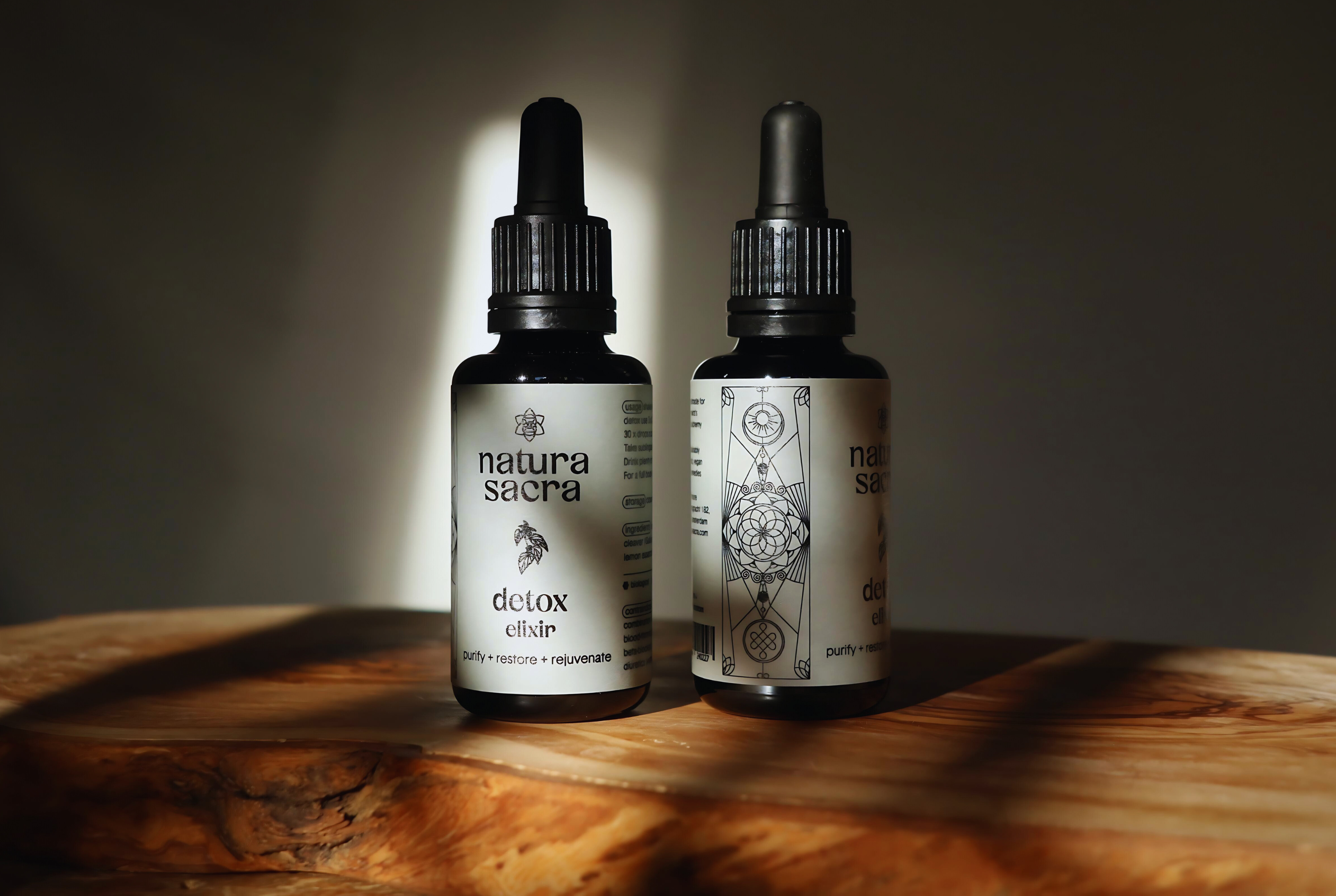
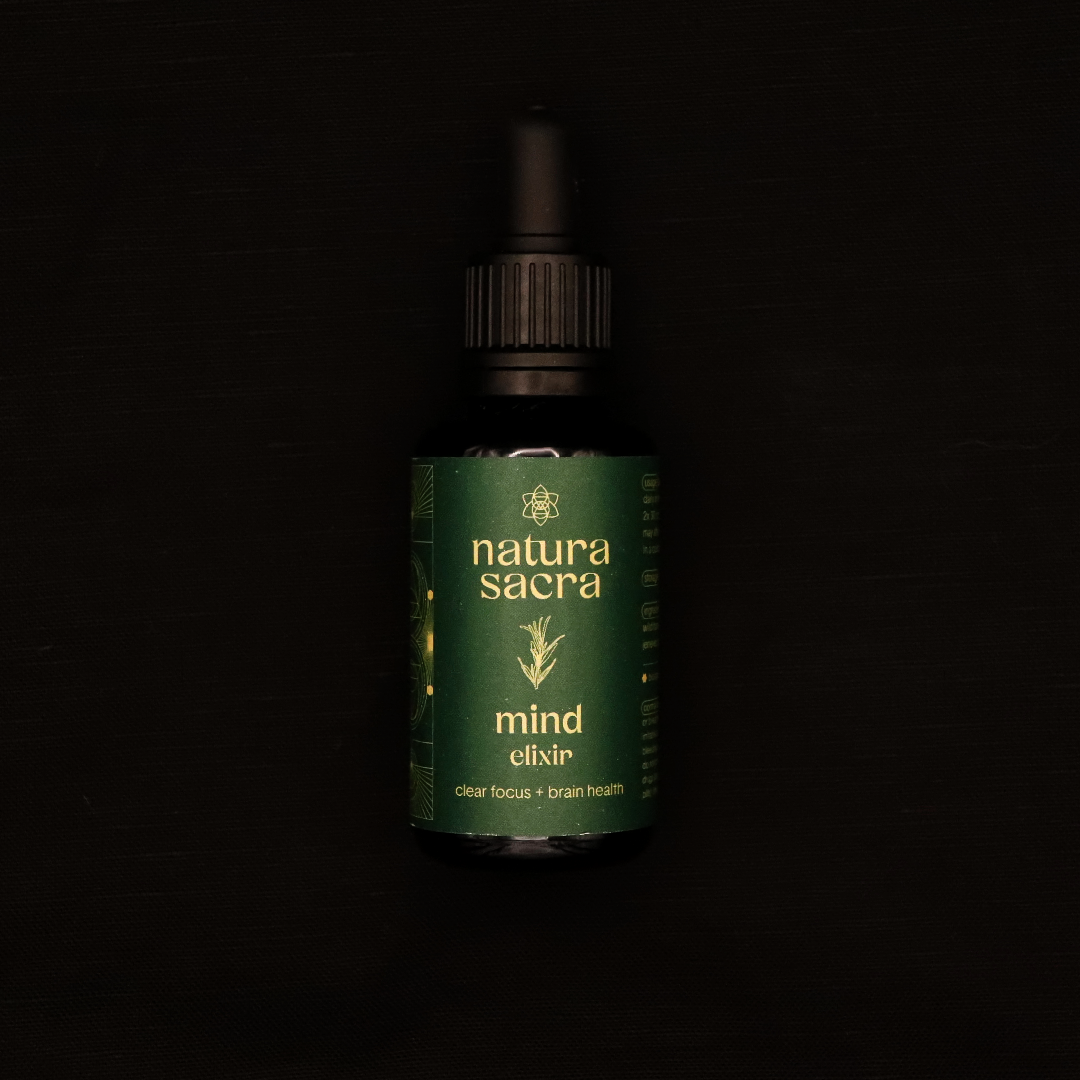
Of je nu net begint of je routine verfijnt, onthoud dat kleine, bewuste stappen een groot verschil kunnen maken. Het kruidenaanbod van Natura Sacra is gemaakt om je reis te ondersteunen, waarbij traditie, onderzoek en ritueel worden gecombineerd om je dagelijkse zelfzorg te versterken.
Stap-voor-stap: het opbouwen van een holistische huid- en tonicumroutine
Een holistische huid- en tonicumroutine is meer dan een checklist; het is een manier om zowel je uiterlijke glans als je innerlijke balans te voeden. Door kruidenwijsheid te combineren met bewuste gewoontes, kun je een dagelijkse praktijk creëren die je huid en algehele welzijn ondersteunt. Laten we eens kijken hoe je een routine kunt opbouwen die past in het echte leven, of je nu nieuw bent in de kruidengeneeskunde of je benadering wilt verdiepen.
Stap 1: Beoordeel uw huid- en welzijnsbehoeften
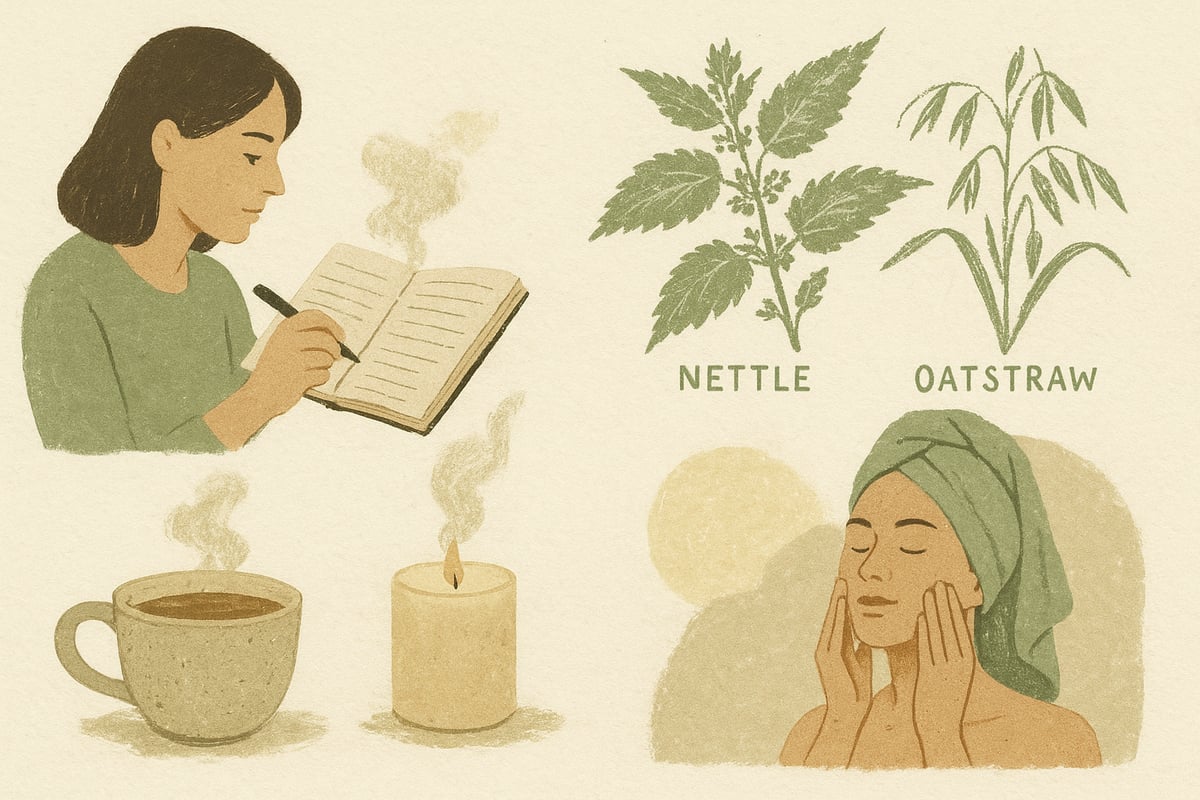
Begin je holistische huid- en tonicumreis met eerlijke zelfreflectie. Neem de tijd om je huidtype, gevoeligheden en hoe factoren zoals dieet, stress of slaap je teint beïnvloeden, op te merken. Kruidkundigen adviseren vaak om een eenvoudig dagboek bij te houden om veranderingen, opvlammingen of patronen te volgen die verband houden met veranderingen in levensstijl.
Je zou bijvoorbeeld een verband kunnen opmerken tussen late nachten en een doffe huid, of hoe bepaalde voedingsmiddelen roodheid kunnen veroorzaken. Personalisatie staat centraal in holistische huid- en tonicumroutines. Geen twee mensen hebben dezelfde behoeften, dus afstemmen op je lichaam helpt je remedies te kiezen die je echt ondersteunen.
Stap 2: Kies de juiste kruidentonicums
Het kiezen van kruiden gaat over het afstemmen van plantwerkingen op jouw unieke behoeften. Kruidkundigen putten uit traditie, waarbij vaak rekening wordt gehouden met constitutie, seizoensveranderingen en individuele gevoeligheden. Paardenbloem wordt bijvoorbeeld traditioneel gebruikt voor zachte ontgifting, terwijl haverstro wordt gewaardeerd om zenuwen te kalmeren en een droge huid te verzachten.
Modern onderzoek benadrukt het belang van het controleren op allergieën en mogelijke interacties, vooral als je medicatie gebruikt. Brandnetelinfusies zijn bijvoorbeeld rijk aan mineralen en kunnen ideaal zijn voor mensen met een droge of doffe huid. Wanneer je begint met je holistische huid- en tonicumroutine, begin dan met een of twee kruiden en observeer hoe je lichaam reageert.
Stap 3: Integreer dagelijkse rituelen
Ritueel transformeert routine in zelfzorg. Creëer eenvoudige ochtend- of avondpraktijken, zoals het drinken van een kruidenthee, genieten van een gezichtsstoombad, of het masseren van je huid met geïnfuseerde oliën. Intenties stellen voordat je begint, helpt je te vertragen en af te stemmen op de behoeften van je lichaam.
Mindful rituelen zijn meer dan gewoontes; het zijn kansen om verbinding te maken met jezelf en de planten die je gebruikt. Volgens de gids voor seizoensgebonden huidrituelen kan het aanpassen van rituelen aan de tijd van het jaar hun voordelen versterken, aangezien de behoeften van je huid veranderen met de seizoenen. De sleutel tot een holistische huid- en tonicumroutine is consistentie en aanwezigheid.
Stap 4: Monitoren en aanpassen
Je huid is dynamisch, dus je holistische huid- en tonicumroutine moet ook evolueren. Observeer regelmatig veranderingen in je teint en algehele welzijn. Als een bepaald kruid te stimulerend of te kalmerend aanvoelt naarmate het weer verandert, aarzel dan niet om aan te passen.
Het raadplegen van een gekwalificeerde kruidkundige kan waardevolle inzichten bieden, vooral als je te maken hebt met aanhoudende of complexe huidproblemen. Het bijhouden van je reacties helpt je om weloverwogen keuzes te maken, zodat je routine ondersteunend blijft in plaats van overweldigend. Flexibiliteit is een kracht in holistische huid- en tonicumzorg.
Een doordachte, stapsgewijze aanpak helpt je een routine op te bouwen die zowel effectief als duurzaam is. Of je nu kruidentheeën, infusies of eenvoudige rituelen verkent, de sleutel is om naar je lichaam te luisteren en je te laten leiden door traditie en onderzoek. Velen ontdekken dat kleine, consistente veranderingen het grootste verschil maken. Voor meer inspiratie biedt Natura Sacra bronnen en producten die zijn ontworpen om je reis met integriteit en zorg te ondersteunen.
Ontmoet de botanische ingrediënten: Belangrijke kruiden voor huid en welzijn
Planten hebben altijd een hoofdrol gespeeld in holistische huid- en tonicumtradities. Deze eeuwenoude botanische ingrediënten zijn meer dan ingrediënten; het zijn partners in het dagelijks welzijn. Door hun achtergronden te begrijpen, kun je weloverwogen keuzes maken voor je huid en levensstijl.
Brandnetel (Urtica dioica)
Brandnetel is een klassieke keuze in holistische huidverzorging en tonicums, gewaardeerd om zijn minerale rijkdom en reinigende eigenschappen. Traditionele kruidkundigen in heel Europa en Azië hebben brandnetel gebruikt om een heldere, veerkrachtige huid te ondersteunen, in de overtuiging dat het het lichaam helpt afvalstoffen af te voeren en ontstekingen te verminderen.
Boordevol mineralen zoals ijzer en silicium, wordt gedacht dat brandnetel van binnenuit voedt. Moderne studies suggereren dat brandnetel kan helpen oxidatieve stressmarkers te verlagen, wat in verband wordt gebracht met huidgezondheid. Je kunt genieten van brandnetel als dagelijkse infusie of als onderdeel van een huidbalancerende theemix.
Als je benieuwd bent hoe brandnetel in de praktijk werkt, kan deze gids over brandnetel voor huidhelderheid nuttig zijn. Controleer altijd op allergieën, vooral als je medicatie gebruikt of reageert op planten uit de brandnetelfamilie.
Calendula (Calendula officinalis)
De zonnige bloemblaadjes van Calendula zijn een hoofdbestanddeel van holistische huidverzorging en tonicums, vaak gebruikt om irritatie te kalmeren en genezing te bevorderen. Kruidkundigen vertrouwen al eeuwenlang op Calendula, door het aan te brengen op kleine wonden of er zachte theesoorten van te zetten vanwege de kalmerende eigenschappen.
De plant bevat flavonoïden en carotenoïden, waarvan wordt gedacht dat ze de huidbarrièrefunctie ondersteunen. Wetenschappelijke overzichten benadrukken het potentieel van Calendula om huidherstel te versnellen, hoewel meer onderzoek nodig is voor concrete beweringen. Calendula kan worden genoten in theesoorten, huidbalsems of gezichtsstoombaden.
Test Calendula voor de veiligheid altijd plaatselijk, vooral als je een gevoelige huid hebt. Het wordt over het algemeen goed verdragen door de meeste mensen.
Kliswortel (Arctium lappa)
Kliswortel heeft een erfgoed van gebruik in zowel Europese als Aziatische kruidentradities, vooral voor het behandelen van huiduitslag. In holistische huidverzorging en tonicum routines staat het bekend als een "bloedzuiveraar", waarvan wordt aangenomen dat het het lichaam helpt gifstoffen te verwijderen en ontstekingen te verzachten.
De wortel is rijk aan inuline en antioxidanten. Vroeg onderzoek wijst op mogelijke voordelen voor een acnepgevoelige huid, maar het bewijs is nog voorlopig. Kliswortel wordt vaak bereid als afkooksel, tinctuur of gesudderd in voedende bouillons.
Mensen met een allergie voor de madeliefjesfamilie moeten kliswortel vermijden. Begin altijd met kleine hoeveelheden en raadpleeg een arts als u twijfelt.
Haverstro (Avena sativa)
Haverstro wordt gewaardeerd om zijn zachte, kalmerende eigenschappen in holistische huidverzorging en tonicums. Traditioneel wordt het gebruikt om een droge, jeukende huid te verzachten en de zenuwen te kalmeren, waardoor het een populaire keuze is voor stressgerelateerde huidproblemen.
Haverstro zit boordevol voedingsstoffen, waaronder bèta-glucanen die de hydratatie van de huid ondersteunen. Het kan worden genoten als infusie, toegevoegd aan baden of gebruikt als kompres. Sommige studies suggereren dat het combineren van topische en orale botanische ingrediënten, zoals haverstro, de huid en het humeur ten goede kan komen. Je kunt meer lezen over deze aanpak in Het combineren van topische en orale botanische ingrediënten voor de gezondheid van de huid.
Als je glutengevoelig bent, wees dan voorzichtig met haverstro en kies altijd biologische bronnen voor de beste kwaliteit.
Roos (Rosa spp.)
Roos is meer dan een symbool van schoonheid; het is een zachte bondgenoot in holistische huidverzorging en tonicum zelfzorg. Gebruikt in rituelen in verschillende culturen, ondersteunt roos emotionele balans en wordt het gewaardeerd om zijn huidverzachtende effecten.
Rijk aan polyfenolen en vitamine C, wordt aangenomen dat roos helpt de elasticiteit van de huid en een gevoel van kalmte te behouden. Onderzoek suggereert dat rozenextracten zowel het humeur als de huidtextuur kunnen ondersteunen, hoewel traditie de sterkste basis blijft. Geniet van roos als thee, gezichtsmist of geïnfuseerde olie.
Gebruik altijd onbespoten bloemblaadjes en controleer op allergieën, vooral als je nieuw bent met rozenremedies.
Praktische tips
Het kiezen van botanische ingrediënten voor holistische huidverzorging en tonicums gaat verder dan trends; het omvat het begrijpen van zowel traditie als wetenschap. Begin met een of twee kruiden, observeer hoe je huid reageert en raadpleeg een kruidkundige voor advies. Merken zoals Natura Sacra creëren producten die zowel oude wijsheid als modern onderzoek eer aan doen, ter ondersteuning van je reis naar een evenwichtig welzijn.
Praktische tips voor dagelijkse holistische huidverzorging
Het dagelijks leven kan hectisch zijn, waardoor het moeilijk is om je welzijn te prioriteren. Toch kan het verweven van holistische huid- en tonicumprincipes in kleine, dagelijkse gewoontes niet alleen je huid, maar ook je algehele gevoel van balans transformeren. Het geheim zit in het nemen van gestage, doordachte stappen die passen bij jouw unieke behoeften.
Kruidentonicums voor u laten werken
Kruidkundigen adviseren om eenvoudig te beginnen met het verkennen van holistische huid- en tonicums. Kies een of twee kruiden die bij uw persoonlijke behoeften passen. Brandnetel wordt in het voorjaar vaak gebruikt vanwege de mineralen, terwijl haverstro in koudere maanden comfort biedt.
Kwaliteit is belangrijk. Koop altijd biologische, gerenommeerde kruiden. Kruideninfusies kunnen dienen als een hydraterend alternatief voor gewoon water, waardoor het gemakkelijker wordt om de hele dag fris te blijven.
Wissel uw kruiden af met de seizoenen, en let op hoe uw huid reageert. Let op subtiele veranderingen in textuur, helderheid of comfort. Deze bewuste benadering helpt u een diepere verbinding op te bouwen met uw lichaam en de planten die u gebruikt.
Naast kruiden: levensstijlfactoren
Holistische huid- en tonicums gaan verder dan kruidengeneesmiddelen. Voeding, een goede nachtrust en stressmanagement spelen allemaal een cruciale rol. Volwaardige voedingsmiddelen die rijk zijn aan antioxidanten en gezonde vetten ondersteunen de natuurlijke uitstraling van binnenuit.
Een regelmatig slaapschema laat uw huid herstellen en regenereren. Dagelijkse momenten van ontspanning, of het nu door meditatie of een wandeling in de natuur is, helpen stress onder controle te houden. Onderzoek suggereert zelfs dat deelnemers die holistische routines volgen, inclusief kruidenhuidverzorging, minder huidklachten en een verbeterde hydratatie melden, zoals te zien is in Klinische werkzaamheid van anti-rimpel kruidencosmetica.
Het doel is om een routine te creëren die beheersbaar en plezierig aanvoelt, ter ondersteuning van zowel uw huid als uw algehele welzijn.
Natura Sacra's benadering van kruidenhuidwelzijn
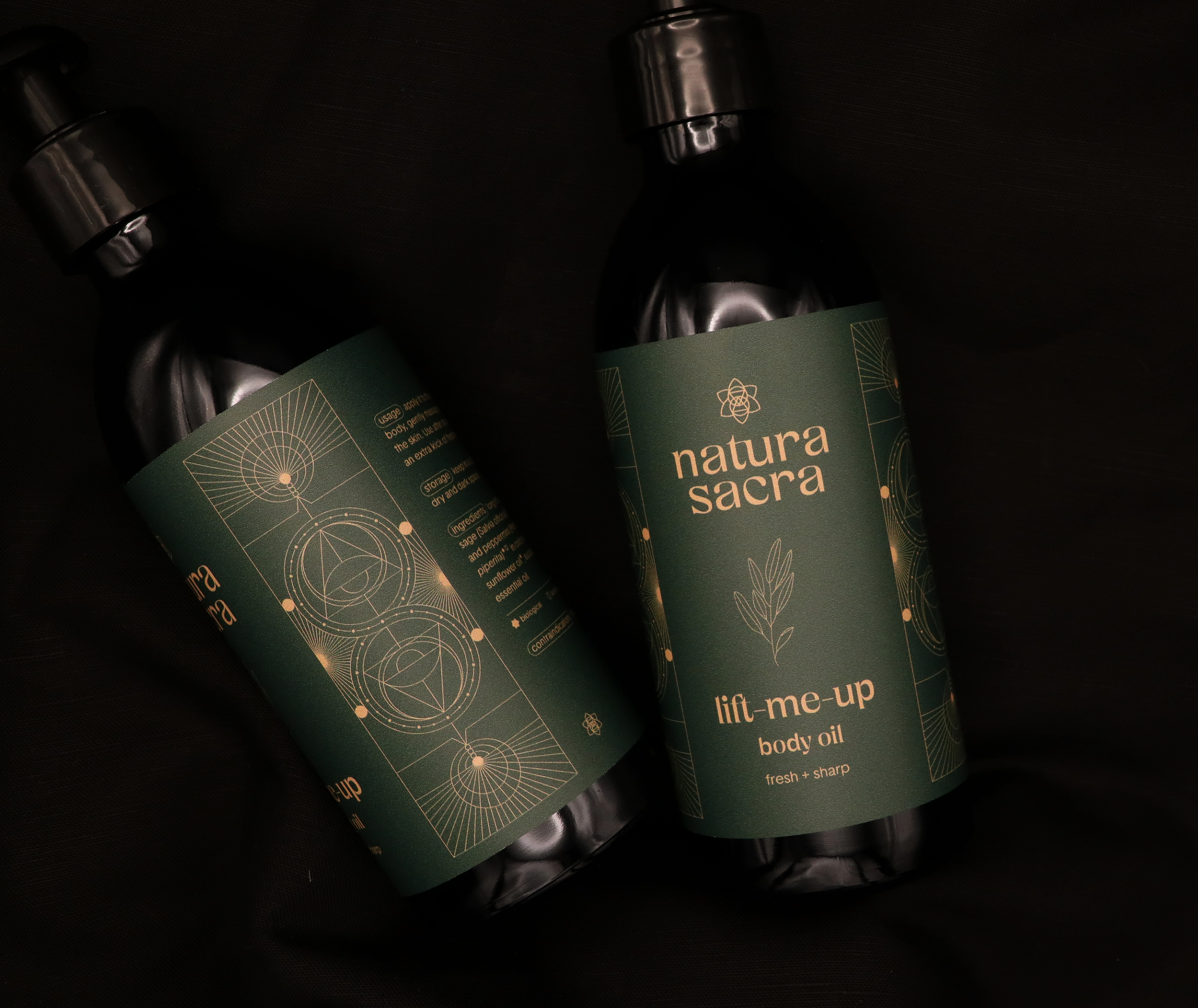
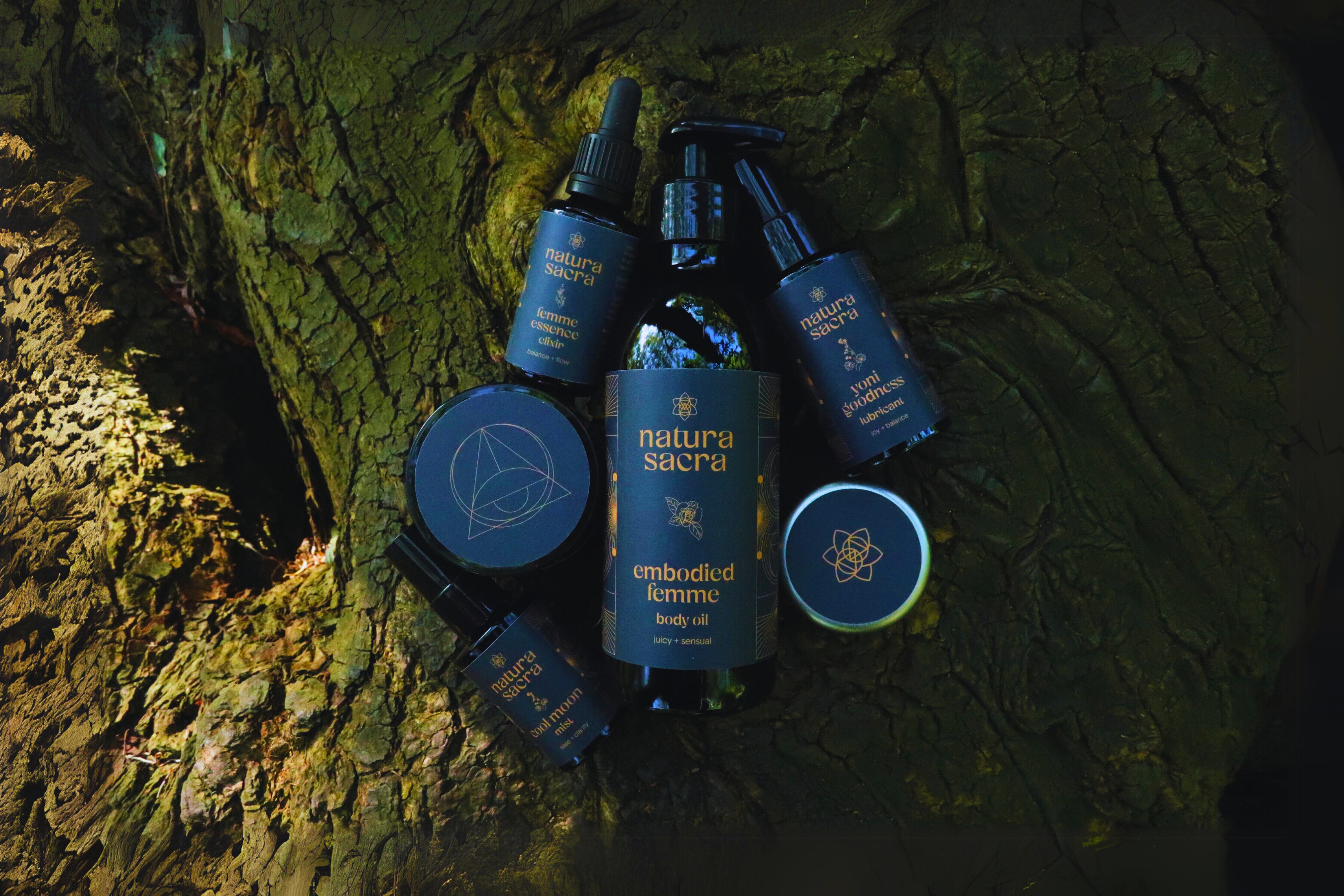
Natura Sacra is een voorbeeld van holistische huidverzorging en tonicums door hun op onderzoek gebaseerde, kleinschalige kruidengeneesmiddelen. Onze ethos richt zich op onderwijs, toegankelijke rituelen en respect voor plantenwijsheid.
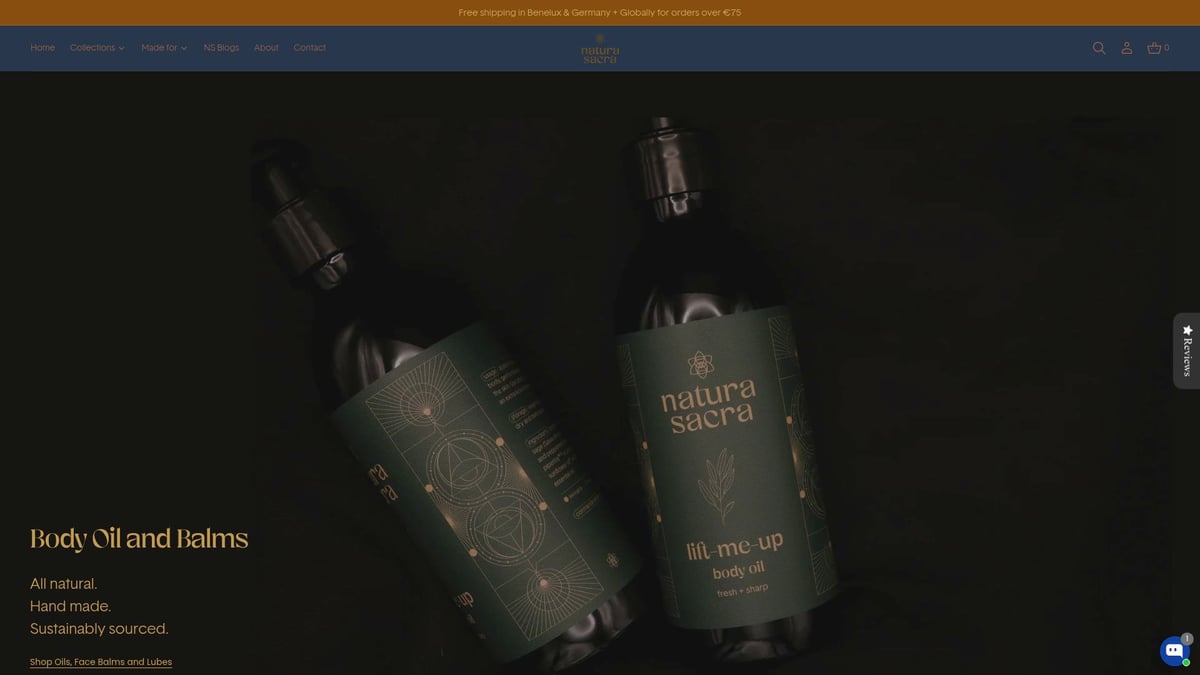
Hun theeën, elixers en oliën zijn ontworpen voor eenvoudige integratie in dagelijkse routines, ter ondersteuning van zowel de gezondheid van de huid als de algehele balans. Deze praktische benadering stelt u in staat weloverwogen keuzes te maken die geworteld zijn in traditie en wetenschap.
Denk eraan: raadpleeg altijd een gekwalificeerde kruidenspecialist of therapeut voordat je begint met nieuwe kruidenbehandelingen, vooral als je chronische of complexe huidaandoeningen hebt.
Na het ontdekken hoe holistische huidverzorging en kruidentonics je welzijn van binnenuit ondersteunen, voel je je misschien geïnspireerd om enkele van deze tradities in je dagelijks leven te integreren. Het gaat allemaal om zachte, consistente gewoonten en het kiezen van middelen die echt bij jouw behoeften passen. Als je nieuwsgierig bent naar praktische manieren om plantenwijsheid en rituelen in je routine te integreren, nodig ik je uit om te leren hoe je kruidenrituelen in je dagelijks leven kunt integreren met Natura Sacra. Je vindt er zorgvuldig samengestelde theesoorten, elixers en oliën die zijn ontworpen om zowel je huid als je algehele gevoel van balans te ondersteunen – geworteld in onderzoek, traditie en oprechte zorg.