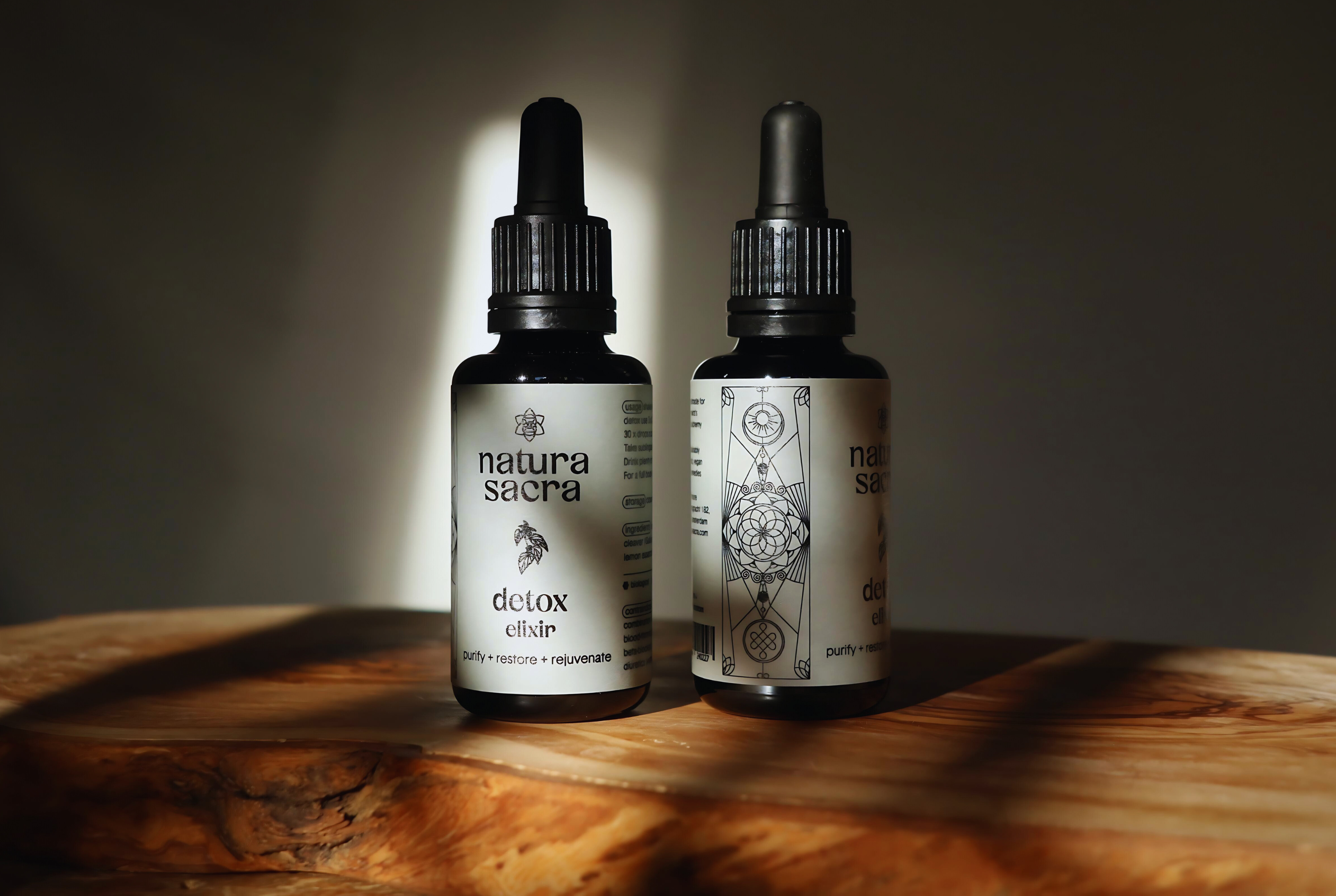
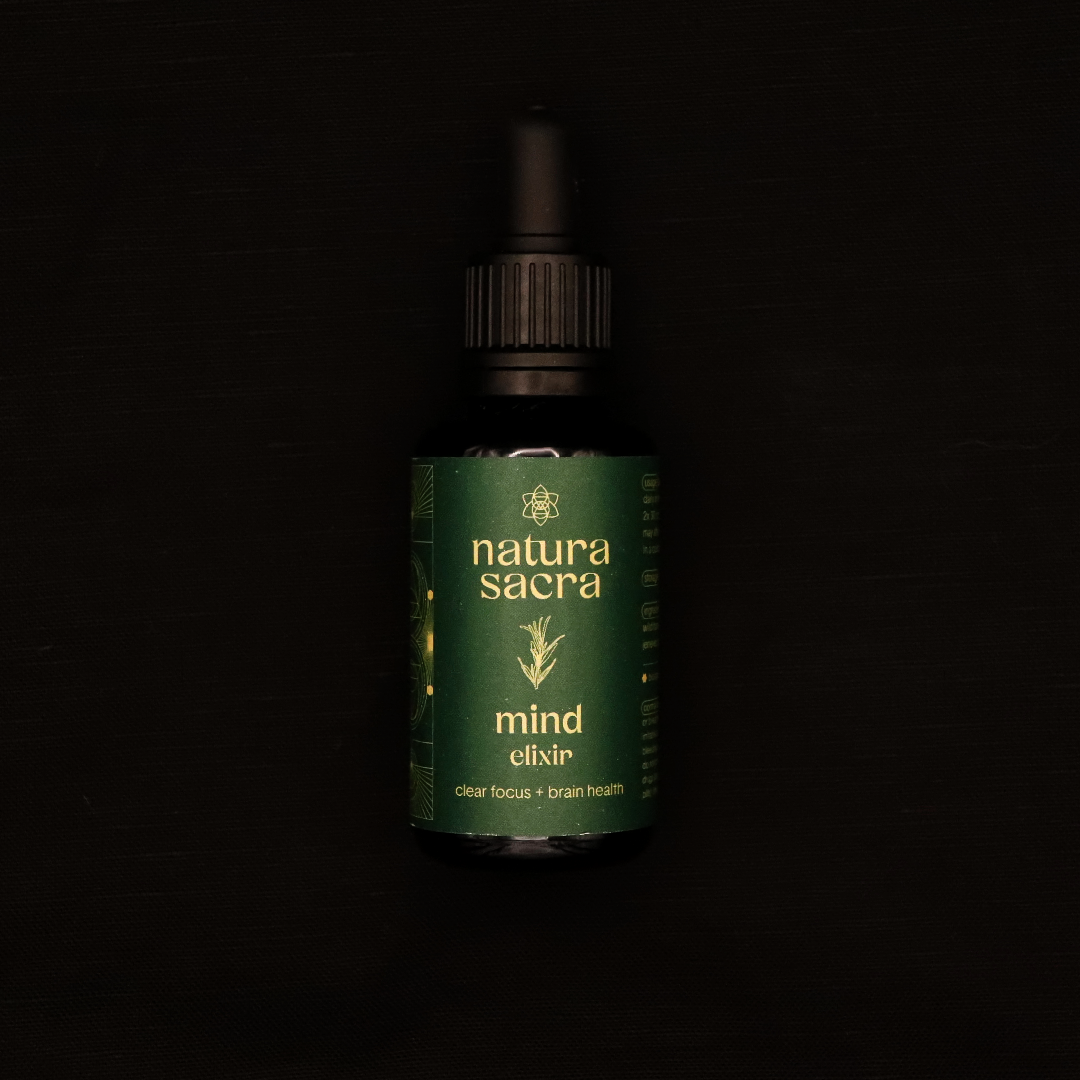
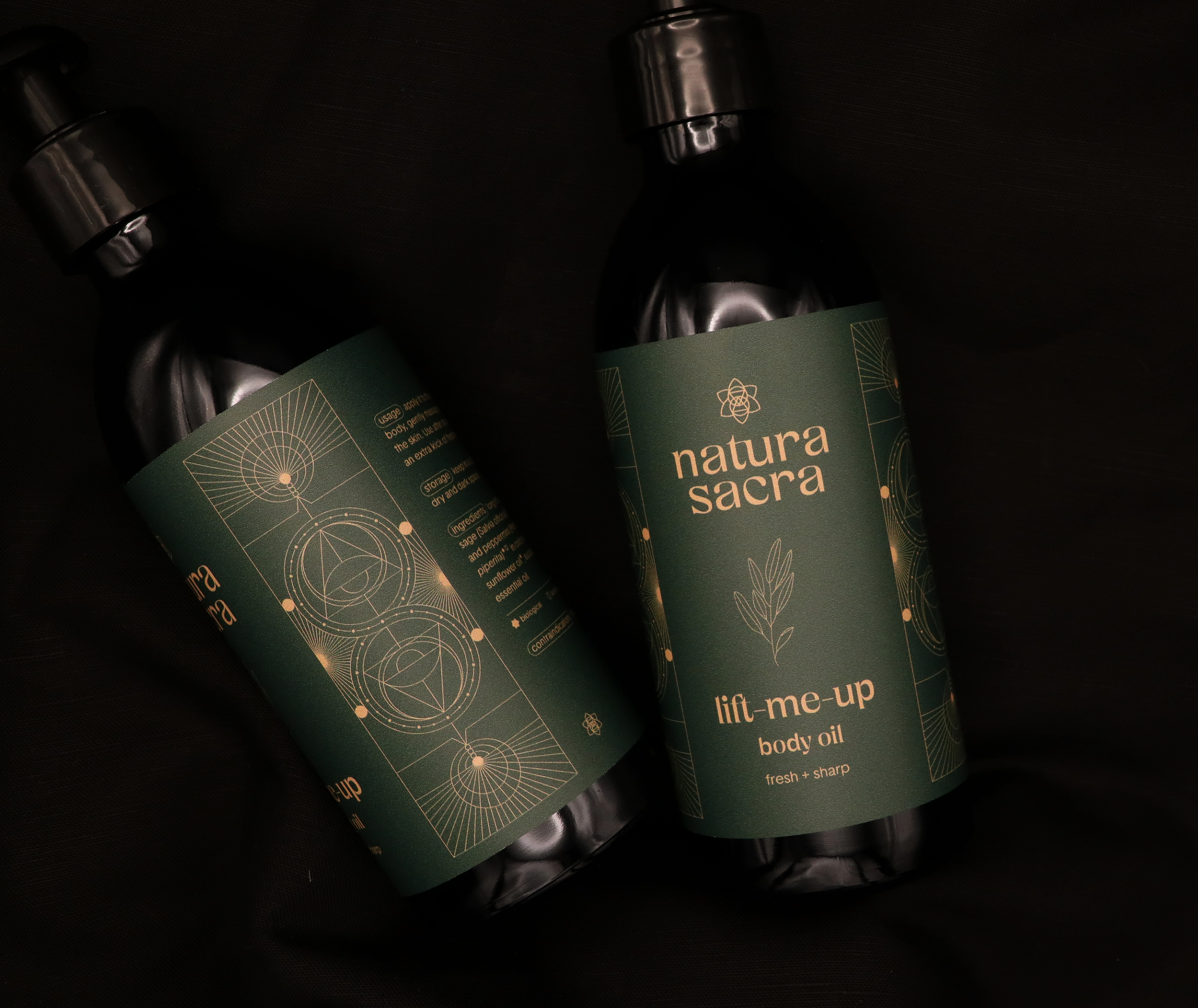
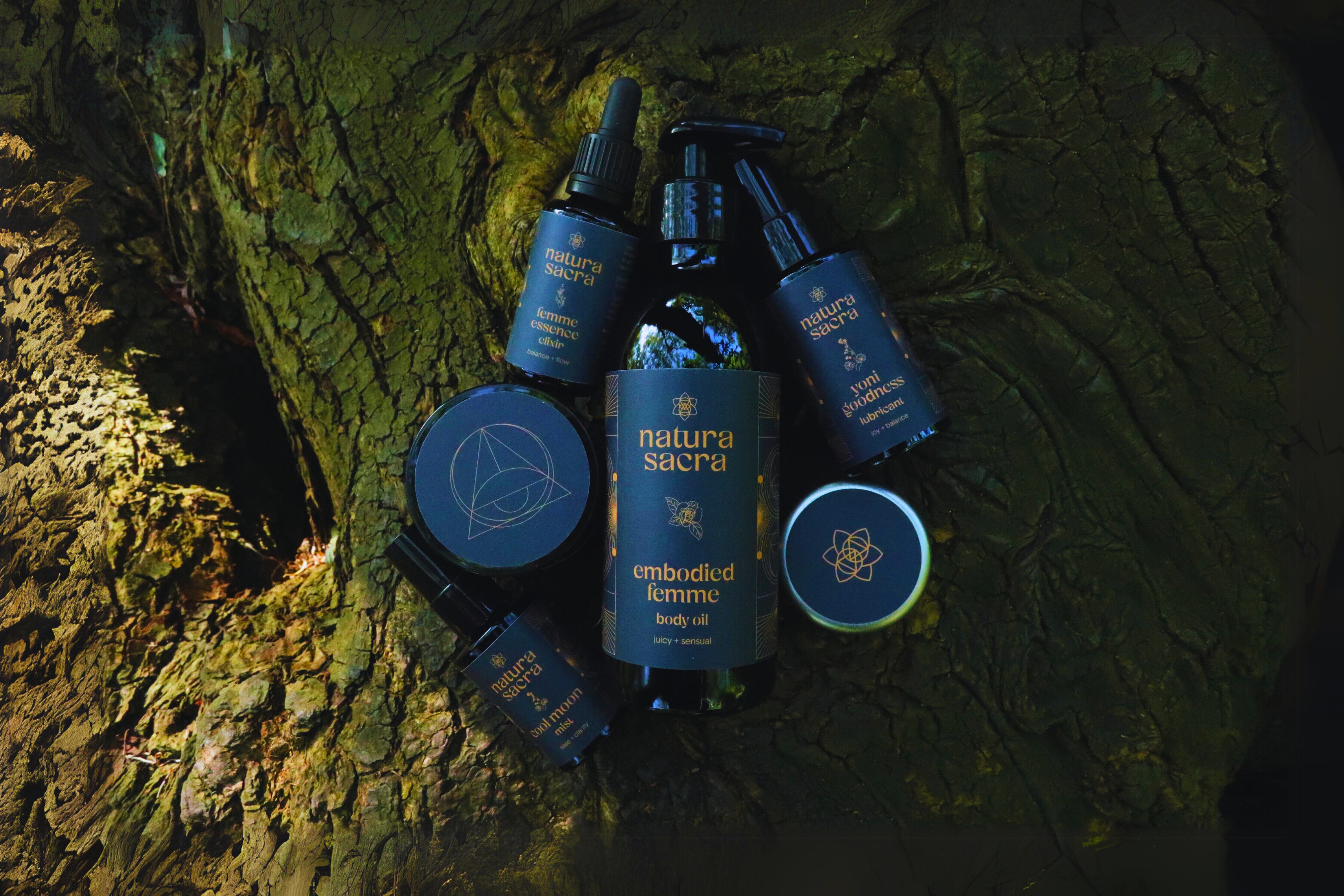
Het oliën van het lichaam is zo’n praktijk die er op het eerste gezicht eenvoudig uitziet — en toch heeft het niet voor niets duizenden jaren standgehouden in verschillende culturen. Lang vóór ‘huidverzorgingsroutines’ gebruikten mensen plantaardige oliën als dagelijkse bescherming, herstelondersteuning en een manier om het lichaam te kalmeren na inspanning.
Oliën als Ritueel: Planten, Aanraking en de Stille Kracht van Dagelijkse Zorg

Oliën als Ritueel: Planten, Aanraking en de Stille Kracht van Dagelijkse Zorg
Het oliën van het lichaam is zo'n praktijk die aan de oppervlakte eenvoudig lijkt — en toch heeft het om een reden duizenden jaren standgehouden in verschillende culturen. Lang vóór "huidverzorgingsroutines" gebruikten mensen plantaardige oliën als dagelijkse bescherming, ondersteuning bij herstel en een manier om het lichaam tot rust te brengen na inspanning.
Tegenwoordig kan oliën aanvoelen als een esthetische trend. Maar in traditionele systemen ging het zelden om verwennerij. Het ging om functie: het ondersteunen van de huidbarrière, het verlichten van spanning, het helpen herstellen van pijnlijke ledematen en het gebruiken van aanraking om het zenuwstelsel naar kalmte te leiden.
In dit artikel kijken we naar de herkomst van oliën, waarom het zo regulerend kan aanvoelen, wat met planten doordrenkte oliën eigenlijk zijn, en hoe je eenvoudige rituelen kunt opbouwen die passen bij wat je nodig hebt – kalmerend, verkwikkend, herstellend – afhankelijk van de plant.
Oorsprong en Verhalen: Waarom Zoveel Culturen Steeds Weer Terugkwamen op Oliën
In Ayurveda wordt warme oliemassage (abhyanga) traditioneel gebruikt als een dagelijkse praktijk om veerkracht, aarding en rust te ondersteunen — vooral tijdens seizoensovergangen. In mediterrane en Midden-Oosterse tradities was doordrenkte olijfolie een basisproduct voor een droge huid, vermoeide gewrichten en lichaamsverzorging na het baden. In Europese volkstradities waren kruidenoliën (denk aan calendula, sint-janskruid, smeerwortel) gangbaar in huishoudens voor huidirritatie, blauwe plekken en pijnen.
De gedeelde logica is verrassend modern: de huid is niet alleen een "bedekking". Het is een levend orgaan, rijk aan zenuwuiteinden, immuunactiviteit en barrièrefunctie. Wat je aanbrengt – en hoe je het aanbrengt – kan bepalen hoe het lichaam aanvoelt en reageert.
Waarom Oliën Werken: Huidbarrière, Plantenstoffen en Zenuwstelsel Signalering
Er zijn drie redenen waarom oliën zo effectief kunnen zijn – en ze werken samen.
1) Huidondersteuning en barrièreherstel
Plantaardige oliën zijn rijk aan lipiden (vetzuren) die helpen waterverlies te verminderen en de huidbarrière te ondersteunen. Wanneer de barrière wordt ondersteund, voelt de huid meestal minder reactief, minder droog en comfortabeler aan — wat belangrijker is dan we vaak toegeven.
2) Oliën als dragers voor plantaardige bestanddelen
Veel van de verbindingen die we belangrijk vinden in kruiden (terpenen, bepaalde polyfenolen, lipofiele bestanddelen) zijn vetoplosbaar. Daarom wordt olie-infusie al eeuwenlang gebruikt: het extraheert en draagt wat water alleen niet doet.
Modern onderzoek naar natuurlijke oliën in transdermale toediening beschrijft hoe oliën de penetratie van bepaalde verbindingen door de buitenste huidlagen kunnen ondersteunen en kunnen worden gebruikt als "permeatieverbeteraars" in topische formuleringen. De belangrijkste conclusie is niet "olie vervangt medicijnen" – het is dat oliën een legitiem afleveringsformaat zijn voor lokale, topische ondersteuning, vooral wanneer gecombineerd met aanraking.
3) Aanraking als een "signaal van veiligheid"
Dit is het deel dat mensen onmiddellijk voelen. Langzame, zachte aanraking activeert sensorische paden die gekoppeld zijn aan affectieve aanraking en emotionele regulatie.
Massageonderzoek rapporteert ook consistent verschuivingen in stressgerelateerde biomarkers en waargenomen angst, waaronder verminderingen van cortisol in meerdere studies en reviews. Je hebt geen volledige professionele massage nodig om te profiteren – de geritualiseerde handeling van oliën (warmte + langzame druk + herhaling) doet al iets zinvols.

Wat een Geïnfuseerde Olie Eigenlijk Is (en Hoe het Gemaakt Wordt)
Een geïnfuseerde olie is een draagolie (zoals olijf- of zonnebloemolie) die gedurende langere tijd is geweekt met plantenmateriaal, zodat de olie vetoplosbare plantenstoffen onttrekt. Het is een van de eenvoudigste extractiemethoden in de kruidengeneeskunde – en, wanneer zorgvuldig uitgevoerd, een van de meest nuttige.
Een traditionele infusie is traag: gedroogde kruiden worden volledig ondergedompeld in olie, weggehouden van sterke hitte en direct zonlicht, en wekenlang gelaten. De olie wordt vervolgens gezeefd en bewaard in een schone fles.
De draagolie bepaalt het "gevoel" en de functie:
- Olijfolie — rijker, meer beschermend; vaak gekozen voor droogheid en gevoelige huid
- Zonnebloemolie — lichter, sneller absorberend; goed voor dagelijks gebruik en massage
- Sesamolie — traditioneel gebruikt als verwarmend en aardend (vooral in koudere seizoenen)
- Jojoba — technisch gezien een wasester; zeer stabiel en huidvriendelijk voor veel mensen
Potentiële Voordelen van Oliën (en Wat het Bewijs daadwerkelijk Ondersteunt)
Laten we hier precies zijn. Sommige voordelen van oliën worden goed ondersteund (huidbarrière, ontspannende effecten van aanraking, aromatherapie-uitkomsten). Andere zijn meer "aannemelijk maar moeilijk te kwantificeren" (ondersteuning van de lymfestroom), en sommige behoren voornamelijk tot traditie (zoals specifieke navelolie-claims).
Ondersteuning van het zenuwstelsel en stressreactie
Oliën werkt vaak kalmerend om een eenvoudige reden: langzame aanraking en warmte veranderen sensorische input. Affectieve aanrakingspaden zijn goed beschreven in de neurowetenschappen, en massage-onderzoek rapporteert veranderingen in stressbiomarkers, waaronder cortisol, in meerdere studies.
Slaapondersteuning (vooral in combinatie met kalmerende geur)
Als oliën deel wordt van een consistente routine om tot rust te komen, kan het de slaap indirect ondersteunen door opwinding te verminderen en te signaleren "we zijn klaar voor vandaag." Lavendel-aromatherapie heeft klinisch en review-niveau bewijs voor het verbeteren van de slaapkwaliteit in verschillende contexten (inhalatiestudies zijn het meest voorkomend).
Spierverlichting en waargenomen pijn
Massage kan voor veel mensen de waargenomen pijn en spierspanning verminderen. Wanneer oliën worden geïnfuseerd met traditioneel verwarmende planten (gember, zwarte peper) of ontspannende aromaten, voelt de ervaring vaak effectiever – hoewel de resultaten per persoon en conditie verschillen. Waar specifiek klinisch bewijs bestaat, zullen we dit plant voor plant benoemen (zie hieronder).
Huidbarrière, comfort en zichtbare huidkwaliteit
Dit is het meest voor de hand liggende voordeel: oliën ondersteunen de barrièrefunctie en verminderen droogheid. Voor bepaalde botanische ingrediënten is topisch onderzoek sterker: calendula-extracten hebben klinisch en preklinisch bewijs met betrekking tot wondgenezing en ondersteuning van de ontstoken huid. Rozenbottelolie (Rosa canina) wordt veel gebruikt in cosmetica; opkomend klinisch werk suggereert verbeteringen in de kwaliteit van de gezichtshuid en leeftijdsgerelateerde markeringen bij topisch gebruik.
Lymfestroom en "detox"-taal
Het is fair om dit voorzichtig te zeggen: zachte massage en beweging kunnen de lymfecirculatie ondersteunen, en het lymfestelsel is betrokken bij de immuunfunctie en afvalverwijdering. Maar "ontgifting" wordt gemakkelijk overdreven. Een betere framing is: oliën + massage kan de circulatie, het comfort en het herstel ondersteunen — en veel mensen ervaren dit als 'lichter' en minder opgezwollen.
Spijsverteringscomfort en naveloliën
Naveloliën (vaak besproken als Nabhi Chikitsa in de Ayurvedische traditie) is voornamelijk een traditionele praktijk. Sommige mensen vinden het ontspannend, vooral als een warmte- en aanrakingsritueel op de buik. Op dit moment kan het het beste worden beschouwd als traditie en persoonlijke ervaring in plaats van een bewezen spijsverteringsbehandeling.

Planten in Oliën: Een Bredere Kaart van Werkingen
De plant die je kiest, verandert de richting van het ritueel. Hier zijn voorbeelden over een breder spectrum – met duidelijkheid over het bewijsniveau waar mogelijk.
Verzachtende + huidcomfortplanten
- Calendula — verzachtend en traditioneel gebruikt voor geïrriteerde huid; onderzoek ondersteunt wondhelende en ontstekingsremmende effecten van extracten in verschillende modellen en sommige klinische contexten.
- Kamille — traditioneel gebruikt voor huidirritatie en "spanning in het lichaam"; vaak gecombineerd met avondrituelen (bewijs is sterker voor oraal gebruik en aromatherapie dan topische resultaten).
- Weegbreeblad — traditioneel extern kruid voor beten, irritatie en "trekkend" comfort; bewijs is meer traditioneel dan klinisch.
Kalmerende + slaapritueelplanten
- Lavendel — inhalatiestudies en reviews suggereren verbeterde slaapresultaten en verminderde angst in verschillende settings.
- Melissa (citroenmelisse) — traditioneel gebruikt voor nerveuze spanning; vaak gebruikt als geur- + ritueelplant (topisch bewijs is beperkt; oraal bewijs is sterker).
Verkwikkende + circulatieplanten
- Rozemarijn — traditioneel gebruikt voor circulatie en helderheid; rijk aan antioxidanten (topische resultaten zijn afhankelijk van formulering en gevoeligheid).
- Gember — verwarmende traditie; veel gebruikt in spieroliën; voorzichtig gebruiken op gevoelige huid.
- Zwarte peper — traditioneel gebruikt om warmte te creëren en stijfheid te "bewegen"; het beste in lage verdunning.
Herstellende + pijnbestrijdingsplanten
- Sint-Janskruid — lang extern gebruikt in de volksgeneeskunde voor zenuwklachten en pijn. Er is opkomend klinisch onderzoek naar Sint-Janskruidolie in musculoskeletale contexten (bijv. artrose), hoewel het nog geen algemene klinische standaard is.
- Rozenbottel — topisch onderzoek suggereert mogelijke verbeteringen in de kwaliteit van de gezichtshuid; ook gewaardeerd om vetzuren en antioxidantprofiel.
Rituelen en Toepassingen: Hoe je Oliën in het Dagelijks Leven Gebruikt
Een goed olieritueel is niet ingewikkeld. Het is consistent, responsief en afgestemd op je zenuwstelsel – geen prestatie.
1) Avond "Afschakel"-Ritueel (kalmerende oliën)
Het beste wanneer je je overprikkeld, overstimuleerd of emotioneel gespannen voelt. Verwarm de olie tussen je handpalmen en breng deze langzaam aan op schouders, borst, buik en voeten. Houd de druk zacht. Laat het ritme de medicijn zijn.
Als je olie kalmerende aromaten (zoals lavendel) bevat, adem dan na het aanbrengen 3 keer langzaam in. Geur + aanraking is een krachtige combinatie voor avondregulatie.
2) Ochtend "Lichaam Ontwaken"-Ritueel (verkwikkende oliën)
Het beste wanneer je je duf of zwaar voelt, vooral in de koudere maanden. Gebruik een kleinere hoeveelheid. Breng sneller aan op armen en benen. Het gaat hier niet om intensiteit – het gaat erom het lichaam van slaapstand naar gereedheid te schakelen.
3) Gerichte Verlichtingsritueel (herstellende oliën)
Voor een zere rug, stijve nek, vermoeide benen of handen die stress dragen: olie het gebied langzaam gedurende 2-3 minuten. Het doel is lokaal comfort en verzachting, niet "oplossen". Dit is ook waar traditioneel herstellende botanische ingrediënten zoals calendula of Sint-Janskruid vaak worden gebruikt.
4) Na-bad "Verzegel en Verzacht"-Ritueel (huidbarrière ritueel)
Het eenvoudigste ritueel en vaak het meest effectieve: dep de huid na het baden gedeeltelijk droog en breng olie aan terwijl de huid nog licht vochtig is. Dit helpt waterverlies te verminderen en maakt de huid comfortabeler.
Veiligheid en Voorzorgsmaatregelen
- Doe eerst een patchtest, vooral als de olie etherische oliën of verwarmende botanische ingrediënten bevat.
- Vermijd gebarsten huid, tenzij het product specifiek voor dat doel bedoeld is.
- Sint-Janskruid kan interageren met medicatie bij inwendig gebruik; topisch gebruik is over het algemeen anders, maar wees voorzichtig en raadpleeg een professional als je het niet zeker weet.
- Als je zwanger bent, borstvoeding geeft of een huidaandoening hebt, houd de formuleringen dan eenvoudig en arm aan etherische oliën.
Veelgestelde Vragen
Hoe vaak moet ik mijn lichaam oliën?
Er is geen vaste regel. Sommige mensen oliën dagelijks, anderen een paar keer per week. Consistentie is belangrijker dan frequentie — zelfs een of twee keer per week kan ondersteunend zijn als het natuurlijk in je routine past.
Is oliën beter 's ochtends of 's avonds?
Het hangt af van het effect dat je zoekt. Oliën 's avonds is vaak kalmerender en geschikter voor langzamere, aardende oliën. Oliën 's ochtends is meestal lichter en verkwikkender, vooral met stimulerende planten.
Zal oliën mijn poriën verstoppen?
Dit hangt af van de olie en je huid. Lichtere oliën zoals zonnebloemolie of jojoba worden over het algemeen beter verdragen door een acne-gevoelige huid. Olie aanbrengen op een licht vochtige huid en bescheiden hoeveelheden gebruiken helpt ook.
Kan oliën echt helpen bij stress?
Oliën is geen behandeling voor angst, maar de combinatie van langzame aanraking, warmte en herhaling kan ontspanning ondersteunen. Onderzoek naar massage en affectieve aanraking suggereert meetbare effecten op stressperceptie en regulatie van het zenuwstelsel.
Is oliën veilig tijdens zwangerschap of borstvoeding?
Eenvoudige, ongeparfumeerde plantaardige oliën worden vaak gebruikt tijdens de zwangerschap, maar etherische oliën en bepaalde botanische ingrediënten vereisen voorzichtigheid. Houd bij twijfel de formuleringen minimaal en raadpleeg een gekwalificeerde arts.
Is naveloliën bewezen om de spijsvertering te verbeteren?
Naveloliën is een traditionele praktijk die in Ayurvedische contexten wordt gevonden. Sommige mensen ervaren het als verzachtend of ontspannend, maar er is momenteel beperkt klinisch bewijs om specifieke claims over de spijsvertering te ondersteunen. Het kan het beste worden begrepen als een rituele praktijk in plaats van een medische interventie.
Onderzoek & Verder Lezen
De in dit artikel beschreven praktijken zijn gebaseerd op een combinatie van traditioneel gebruik en modern onderzoek. Waar klinisch of review-niveau bewijs bestaat, wordt dit hieronder vermeld. Andere praktijken zijn duidelijk geworteld in langdurige kruiden- en culturele tradities.
- McGlone, F., Wessberg, J., & Olausson, H. (2014). Discriminative and affective touch: sensing and feeling. Neuroscience & Biobehavioral Reviews, 47, 737–755.
(Over affectieve aanraking, zenuwstelselregulatie en emotionele verwerking) - Field, T. (2014). Massage therapy research review. Complementary Therapies in Clinical Practice, 20(4), 224–229.
(Bespreking van bewijs over massage, stressreductie en cortisolveranderingen) - Ali, A., Akhtar, N., Khan, B. A., et al. (2012). Acne: A review of traditional herbal medicines. Journal of Medicinal Plants Research.
(Bespreking van topische kruidenpreparaten en interacties met de huidbarrière) - Bilia, A. R., Guccione, C., Isacchi, B., et al. (2014). Essential oils loaded in nanosystems: A developing strategy for a successful therapeutic approach. Evidence-Based Complementary and Alternative Medicine.
(Verkenning van lipofiele plantenstoffen, topische toediening en huidinteractie) - Preethi, K. C., Kuttan, G., & Kuttan, R. (2009). Anti-inflammatory activity of flower extract of Calendula officinalis. Pharmaceutical Biology.
(Ondersteunt traditioneel topisch gebruik van calendula voor ontstoken of geïrriteerde huid) - Dweck, A. C. (2002). Natural ingredients for anti-ageing. International Journal of Cosmetic Science.
(Inclusief bespreking van rozenbottelolie, vetzuren en huidbeeld) - Koulivand, P. H., Ghadiri, M. K., & Gorji, A. (2013). Lavender and the nervous system. Evidence-Based Complementary and Alternative Medicine.
(Bespreking van anxiolytische en slaapgerelateerde effecten van lavendel, voornamelijk via inhalatie) - European Medicines Agency (EMA). Assessment reports on traditional herbal medicinal products.
(Biedt reguleringscontext voor traditioneel topisch gebruik van verschillende medicinale planten) - Healthline Editorial Team. Benefits of body oil and how to use it.
(Toegankelijk overzicht van de huidbarrièrefunctie, massage en olietoepassing)