Discover trusted natural herbs for sleeplessness—from valerian to passionflower. Learn how traditional botanicals support deeper, more restful sleep.
Natural Herbs for Sleeplessness: A Gentle Path to Rest

Sleep is one of those fundamental acts we can neither force nor fully explain. We know it's essential, yet for millions of people, it remains frustratingly elusive. When the mind races or the body refuses to settle, the temptation to reach for pharmaceutical solutions is strong. But many who struggle with sleep are increasingly turning to something older, gentler, and rooted in centuries of use: natural herbs for sleeplessness. These plants don't knock you unconscious. Instead, they work with your body's rhythms, soothing the nervous system, easing tension, and creating the conditions in which rest becomes possible. At Natura Sacra, we've seen how herbal allies, when used thoughtfully and consistently, can help restore a sense of balance to disrupted sleep patterns.
Why Sleep Slips Away: Understanding the Root Causes
Before we dive into specific plants, it helps to understand why sleep becomes difficult in the first place. Sleeplessness isn't a single condition with a single cause. It's a symptom-a sign that something in the body, mind, or environment is out of balance.
Common contributors include:
- Chronic stress and elevated cortisol levels, especially in the evening
- Nervous system overstimulation from screens, work pressure, or anxiety
- Hormonal shifts during menstruation, pregnancy, or menopause
- Poor sleep hygiene: irregular bedtimes, caffeine too late, blue light exposure
- Underlying health conditions like chronic pain or digestive discomfort
The National Center for Complementary and Integrative Health notes that while prescription medications can induce sleep, they don't always improve sleep quality and often come with side effects like next-day grogginess or dependency. This is where natural herbs for sleeplessness offer a different approach-one that supports the body's own capacity to wind down rather than forcing unconsciousness.
The Role of the Nervous System
At the heart of most sleep struggles is an overactive sympathetic nervous system (the "fight or flight" response). When this system stays switched on past sunset, the body never receives the signal that it's safe to rest. Many traditional sleep herbs are what herbalists call nervines-plants that nourish, calm, or gently sedate the nervous system. Some also work as mild anxiolytics, reducing the mental chatter that keeps people awake. Understanding this mechanism helps us see why these herbs aren't just "sleeping pills" but tools for restoring nervous system balance over time.
Traditional Herbal Allies for Sleep: What the Evidence Suggests
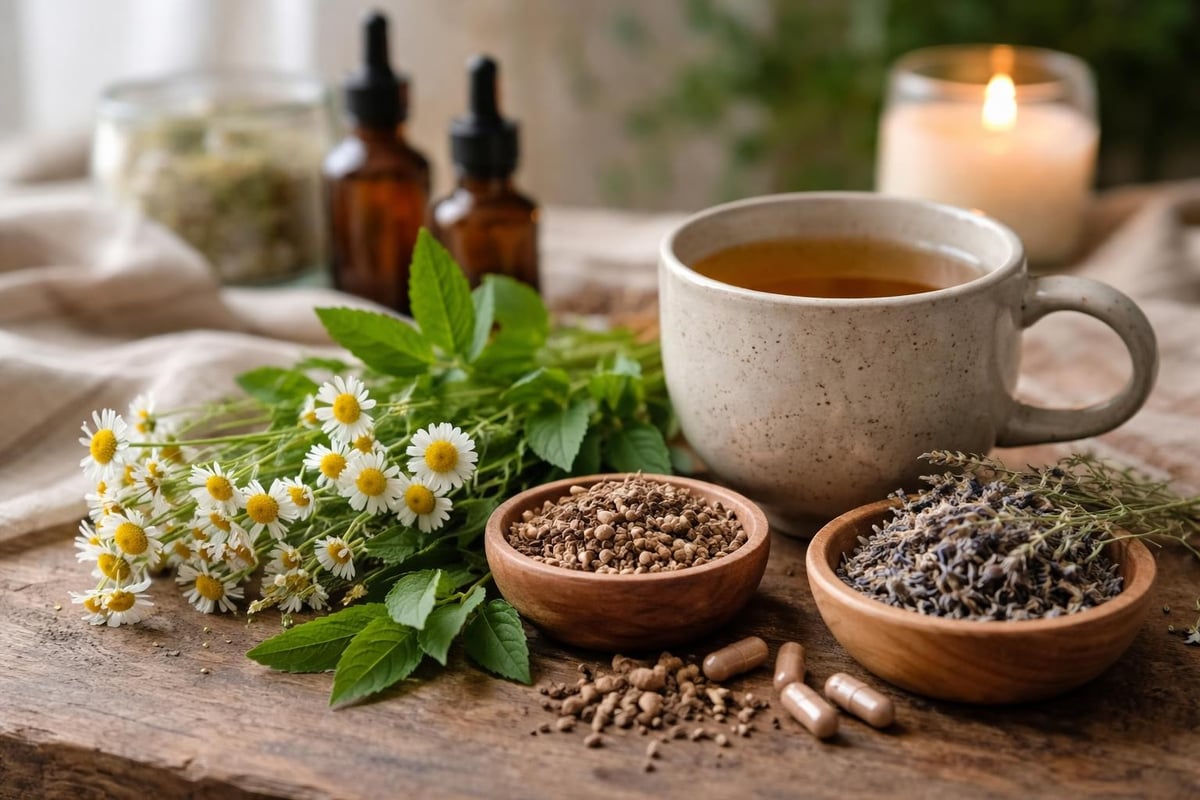
Let's explore some of the most well-researched and traditionally trusted natural herbs for sleeplessness. Each has its own personality, its own way of working with the body.
Valerian Root: The Classic Sleep Herb
Valerian (Valeriana officinalis) has been used across Europe and Asia for over 2,000 years. Its roots contain compounds like valerenic acid, which appear to influence GABA receptors in the brain-the same receptors targeted by many pharmaceutical sleep aids. GABA is an inhibitory neurotransmitter that slows brain activity, promoting relaxation.
What research suggests:
A review published in PubMed examined multiple studies on valerian and found modest evidence for improved sleep quality, though effects varied between individuals. Some people notice benefits within a week; for others, it takes consistent use over two to four weeks. Valerian doesn't sedate immediately like a drug-it builds effect over time.
Practical use:
- Take 300-600mg of standardised extract 30-60 minutes before bed
- Combine with other calming herbs like hops or lemon balm for a broader effect
- Expect a slightly earthy, pungent aroma-it's an acquired taste
Safety notes:
Generally well-tolerated, though some people report vivid dreams or mild headaches. Avoid combining with alcohol or sedative medications without professional guidance.
Passionflower: The Anxious Mind's Ally
Passionflower (Passiflora incarnata) is native to the Americas, where Indigenous peoples used it for nervousness and restlessness long before European settlers documented its uses. Today, herbalists often reach for passionflower when anxiety is the primary barrier to sleep.
The plant contains flavonoids and alkaloids that may modulate GABA activity, though the exact mechanisms remain under study. Dr. Bill Rawls discusses passionflower's role in calming the racing mind, particularly when thoughts spiral at bedtime.
| Herb | Primary Action | Best For | Onset Time |
|---|---|---|---|
| Valerian | GABA modulation, sedative | Difficulty falling asleep | 1-4 weeks |
| Passionflower | Anxiolytic, nervine | Anxious, racing thoughts | 30-60 minutes |
| Chamomile | Gentle relaxant | Mild restlessness, children | 15-30 minutes |
| Hops | Sedative, hormone modulation | Chronic sleeplessness | 1-2 weeks |
Practical use:
- Drink as tea (1-2 teaspoons dried herb per cup) in the evening
- Combine with lemon balm for enhanced calming effects
- Can also be taken as tincture: 30-60 drops before bed
Chamomile: Gentle Enough for Everyone
Chamomile (Matricaria chamomilla) is perhaps the most universally loved sleep herb-mild, accessible, and safe for nearly everyone, including children. Its flowers contain apigenin, a flavonoid that binds to benzodiazepine receptors in the brain, producing a mild calming effect.
While chamomile's effects are subtler than valerian or hops, research reviewed by the Sleep Health Foundation suggests it can reduce sleep latency (time to fall asleep) and improve overall sleep quality, particularly when anxiety or digestive upset interferes with rest.
Practical use:
- Steep 1 tablespoon of flowers in hot water for 10 minutes
- Drink 30-60 minutes before bed as part of an evening ritual
- Pairs beautifully with lavender or rose for flavour and additional relaxation
Safety notes:
Rare allergic reactions in people sensitive to the Asteraceae family (ragweed, daisies). Otherwise, remarkably safe.
Hops: More Than Just Brewing
Hops (Humulus lupulus) are best known for flavouring beer, but their sedative properties have been valued for centuries. Traditional European herbalism used hops-filled pillows to encourage sleep-a practice with some scientific backing. Recent research on hops' interaction with GABAA receptors suggests the plant's bitter acids and essential oils may promote drowsiness and support deeper sleep stages.
What makes hops unique:
Hops contain phytoestrogens, which may benefit menopausal women experiencing hot flashes and night-time waking. This hormonal activity means it's not suitable for everyone (particularly those with hormone-sensitive conditions), but for the right person, it can be remarkably effective.
Practical use:
- Often combined with valerian for synergistic effects
- Take as tea, tincture, or capsule (standardised extracts often contain 30-120mg)
- Best used in the evening only, not as a daytime herb
Lesser-Known Herbs Worth Exploring
Beyond the mainstream sleep herbs, there are several botanicals with rich traditional use that deserve attention, even if modern research is still catching up.
California Poppy: The Gentle Sedative
California poppy (Eschscholzia californica) is native to the western United States and has long been used by Native American communities for pain relief and sleep. Unlike its opium-producing cousin, California poppy is non-addictive and legal. It contains alkaloids that appear to have mild sedative and anxiolytic effects. Dr. Christopher Hobbs notes that California poppy works particularly well for restless sleep with frequent waking.
Practical considerations:
- Often used in combination formulas rather than alone
- Gentle enough for children (under professional guidance)
- Available as tincture or tea, though the flowers are quite bitter
Linden Flower: The Nervous System Soother
Linden (Tilia species) has been cherished in European herbalism for centuries, valued not just as a sleep aid but as a plant that soothes both body and spirit. The flowers contain volatile oils and flavonoids that gently calm the nervous system without heavy sedation.
We've written extensively about linden's role as a nervous system ally, particularly for those whose sleeplessness stems from stress or emotional overwhelm. Linden doesn't force sleep-it creates spaciousness, a softening that allows rest to arrive naturally.
Practical use:
- Brew fresh or dried flowers as a delicate, honey-scented tea
- Especially helpful when combined with evening rituals that reset cortisol
- Safe for long-term use
Chinese Herbs: Yuan Zhi and Beyond
Traditional Chinese Medicine (TCM) approaches sleep differently, viewing it through the lens of imbalances in Qi (energy) and Shen (spirit). Herbs like Yuan Zhi (Polygala tenuifolia) have been used for centuries to calm the mind and anchor the spirit. According to traditional Chinese herbal practice, Yuan Zhi works particularly well for insomnia accompanied by palpitations, forgetfulness, or emotional distress.
Additional TCM sleep herbs include:
- Suan Zao Ren (Sour Jujube Seed) – nourishes the heart and calms the mind
- He Huan Pi (Mimosa Bark) – relieves constraint and promotes emotional ease
- Bai Zi Ren (Biota Seed) – moistens and calms, especially for the elderly
These herbs are typically prescribed as part of customised formulas by trained TCM practitioners rather than used individually.
Combining Herbs: The Art of Formulation
While single herbs can be effective, herbalists often create blends that address multiple aspects of sleeplessness. A well-crafted formula might include:
- A primary sedative herb (valerian or hops) for direct sleep support
- A nervine (passionflower or linden) to calm mental restlessness
- A digestive soother (chamomile or fennel) since digestive upset often disrupts sleep
- An adaptogen like tulsi, which we've explored in depth, to help regulate stress response over time
This layered approach addresses both immediate symptoms and underlying patterns, which is why many people find herbal blends more effective than single-ingredient supplements.
Timing and Dosage Considerations
When to take natural herbs for sleeplessness:
- Fast-acting herbs (chamomile, linden): 30 minutes before bed
- Moderate-acting herbs (passionflower, California poppy): 60 minutes before bed
- Slow-building herbs (valerian, hops): consistent nightly use, taken 1-2 hours before bed
Duration matters:
Some herbs work immediately; others build effect. Valerian, for instance, may take two to four weeks of consistent use before optimal benefits emerge. This isn't a failing-it reflects the herb's gentle rebalancing action rather than pharmaceutical suppression.
Beyond the Cup: Ritual, Environment, and Sleep Hygiene
Natural herbs for sleeplessness work best when integrated into a broader approach to rest. The plants themselves are powerful, but they're even more effective when combined with practices that signal safety and readiness to the nervous system.
Creating Evening Rituals
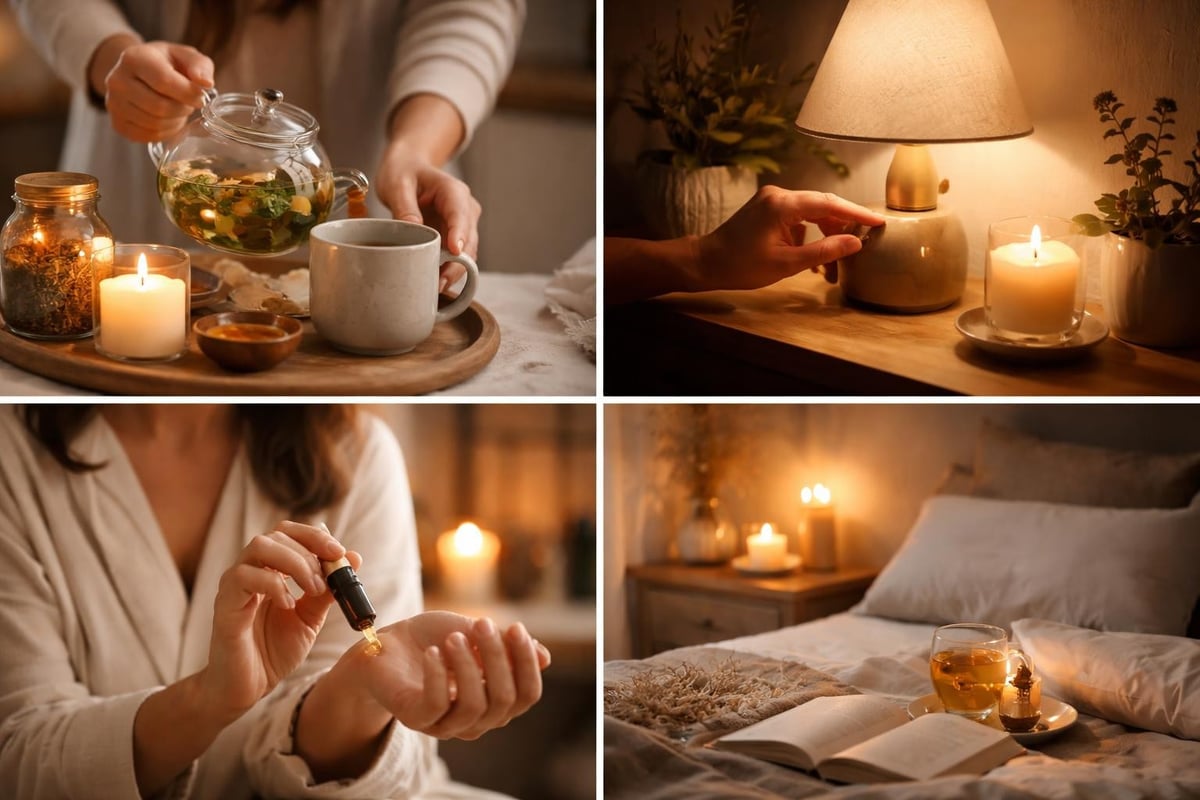
At Natura Sacra, we're strong believers in the power of ritual-not as performance, but as embodied practice. Evening rituals that shift from stress to deep rest might include:
- Dimming lights an hour before bed to support melatonin production
- Brewing and sipping herbal tea as a meditative act, not just consumption
- Applying calming essential oils (lavender, Roman chamomile) to pulse points
- Gentle breathwork or body scanning to release the day's tension
These practices tell your body: it's time to transition. The herbs amplify this message.
Sleep Environment Essentials
| Factor | Optimization Strategy |
|---|---|
| Light | Blackout curtains, remove electronics, use dim red/amber light |
| Temperature | Keep room cool (16-19°C ideal) |
| Sound | White noise, earplugs, or complete silence |
| Scent | Lavender sachet, essential oil diffuser with calming oils |
| Bedding | Natural fibres, comfortable weight, freshly laundered |
The NCCIH cautions against viewing any single intervention-herbal or otherwise-as a magic bullet. Sustainable sleep improvement typically requires addressing multiple factors simultaneously.
Safety, Interactions, and When to Seek Help
Natural doesn't automatically mean safe for everyone. While the herbs discussed here have excellent safety profiles, a few important considerations apply.
Drug Interactions
Many sleep herbs influence the same brain receptors as pharmaceutical medications. If you're taking:
- Sedatives or anti-anxiety medications (benzodiazepines, Z-drugs)
- Antidepressants (especially SSRIs)
- Blood thinners
- Hormone therapies
Consult a qualified herbalist or healthcare provider before adding sleep herbs to your routine. The interaction isn't always dangerous, but professional guidance ensures safe, effective use.
Pregnancy and Breastfeeding
Some herbs carry restrictions during pregnancy and nursing. Generally safe options include chamomile and linden in moderate amounts, but herbs like valerian and passionflower warrant more caution. Always work with a professional when using herbs during these sensitive periods.
When Herbs Aren't Enough
Natural herbs for sleeplessness offer genuine support, but they're not appropriate for every situation. Seek professional help if you experience:
- Chronic insomnia lasting more than three months
- Daytime impairment affecting work, relationships, or safety
- Symptoms suggesting sleep apnoea (snoring, gasping, morning headaches)
- Sleep disruption accompanied by depression, severe anxiety, or trauma
Herbs can complement professional treatment, but they shouldn't replace necessary medical care.
Building Your Personal Sleep Practice
The most effective approach to using natural herbs for sleeplessness is personal experimentation guided by both tradition and attentiveness to your own body. What works beautifully for one person may do nothing for another-not because the herbs are ineffective, but because each nervous system has its own needs and patterns.
Steps to begin:
- Start simple – Choose one or two herbs that match your primary sleep challenge
- Give it time – Commit to consistent use for at least two weeks before evaluating
- Keep notes – Track sleep quality, dreams, morning energy, and any side effects
- Adjust as needed – Increase dose slightly, change timing, or try a different herb
- Layer in ritual – The act of preparing and drinking tea becomes part of the medicine
Many of our customers at Natura Sacra have found that the daily use of nervines throughout the day-not just at bedtime-creates the foundation for better sleep by keeping the nervous system from becoming overwrought in the first place.
Seasonal Considerations
Sleep needs and patterns shift with the seasons. In winter, we naturally crave more rest and deeper hibernation. Summer's long days can disrupt circadian rhythms. Understanding the art of seasonal living helps you adjust your herbal allies accordingly. You might reach for warming, grounding herbs like valerian in winter and lighter, cooling allies like chamomile and linden in summer.
The Bigger Picture: Sleep as Self-Care
Sleeplessness is rarely just about sleep. It's often a messenger, pointing toward deeper imbalances-chronic stress, unprocessed emotions, disconnection from natural rhythms, or simply trying to do too much with too little support. Natural herbs for sleeplessness offer relief, but they also invite us into relationship with our bodies, with plant wisdom, and with the fundamental human need for rest.
When we choose herbs over pharmaceuticals, we're choosing a slower path, one that requires patience and presence. We're acknowledging that true healing isn't about forcing the body into submission but about creating conditions in which it can remember how to rest. The plants hold this knowledge. They've been supporting human sleep for thousands of years, and they're still here, still offering their quiet gifts to those willing to listen.
This perspective aligns with everything we practice at Natura Sacra-the understanding that coming home to your body happens through gentle, consistent practices that honour both ancient wisdom and individual experience. Sleep is one of those profound acts of trust: trust in your body, trust in the darkness, trust that rest will come. The herbs simply help you remember that trust is possible.
Natural herbs for sleeplessness offer a time-tested, gentle approach to reclaiming rest-one that works with your body's wisdom rather than against it. Whether you're drawn to valerian's sedative embrace or chamomile's gentle calm, these plant allies can help restore the balance your nervous system craves. At Natura Sacra, we craft small-batch herbal remedies that honour both traditional knowledge and modern understanding, helping you build nightly rituals that support deep, restorative sleep. Explore our thoughtfully formulated teas and elixirs designed to guide you back to rest.