Discover how lymphatic drainage massage oil can support your wellness routine, with evidence based tips, herbal blends, safe use, and step by step guidance.
Lymphatic Drainage Massage Oil Guide: Benefits & Uses

Curious about why lymphatic drainage massage oil is suddenly everywhere? Wellness communities are buzzing about its potential for holistic self-care, but there is plenty of confusion about what these oils actually do. This guide is here to separate fact from fiction, using a clear, evidence-aware lens.
You will discover what the lymphatic system really does, how the skin acts as a barrier, and why topical oils are not a magic detox solution. We will explore proven ways to support lymph flow, the real role of botanicals, and how to build safe, practical routines for daily wellbeing.
Understanding the Lymphatic System: Myth vs Reality
The lymphatic system quietly supports our health every day. It balances fluids in our tissues, helps the immune system spot invaders, and transports waste. Unlike the circulatory system, which has the heart as a pump, lymph relies on our movement—walking, stretching, even deep breathing. Lymph nodes act as immune checkpoints, not detox filters. When lymph flow is sluggish or blocked, swelling can occur, as seen in conditions like lymphoedema. Understanding this system is key to using any lymphatic drainage massage oil wisely and safely.

Skin as a Barrier & Its Limits in Detox
Our skin is a remarkable barrier, shielding us from the outside world. While it does allow limited elimination through sweat and sebum, it is not a major detox organ. Most waste leaves our bodies via the liver, kidneys, and the natural flow of lymph into the bloodstream. The idea that products like lymphatic drainage massage oil can "pull toxins" out through the skin has not been validated through research (yet, at least). Scientific evidence shows that oils penetrate only the outermost layers, offering comfort but not extraction. No clinical studies prove that oils draw out toxins—so what we know for sure is that the real detox work happens inside.

Common Myths About Lymphatic Drainage Oils
It is tempting to believe that lymphatic drainage massage oil alone can flush toxins or cure lymphatic issues. In reality, these oils support massage, hydration, and relaxation, but the heavy lifting is done by the body’s own systems. Massage can help mild swelling and comfort, while oils act as nourishing companions. If you experience sudden or severe swelling, always seek medical advice. For an evidence-based approach to gentle detox and daily self-care, explore gentle detox and lymphatic rituals for practical routines that respect your body’s wisdom.
Evidence-Based Practices for Supporting Lymphatic Health
Supporting your lymphatic system is all about working with your body, not against it. Forget quick fixes or miracle cures. Instead, focus on daily habits that encourage healthy fluid movement, immune resilience, and a sense of wellbeing. Here’s how to approach lymphatic care with clarity and confidence.
The Role of Movement and Hydration
Your lymphatic system relies on movement to do its job. Unlike your heart, which pumps blood, lymph fluid only moves when you do. Simple activities like walking, stretching, and gentle yoga are powerful allies for lymph flow. Staying hydrated is just as important, as water keeps lymph fluid from becoming too thick or sluggish.
If you spend long hours sitting, your lymph system can slow down. That’s why even a short stroll or a few stretches at your desk can make a difference. After surgery, doctors often recommend gentle movement to prevent lymphoedema, a sign of lymph build up. Remember, a healthy lymphatic routine is about daily choices, not big gestures. This is also where using a lymphatic drainage massage oil as part of your movement ritual can add comfort and enjoyment.

Massage Techniques: What Works and Why
Manual lymphatic drainage is a gentle massage method that encourages fluid movement toward the heart. It uses light, rhythmic strokes to help clear mild swelling and soothe discomfort, especially after medical procedures. Oils play a supporting role here, providing slip and enhancing the sensory experience, rather than directly stimulating lymph flow.
Research shows that manual lymphatic drainage can be effective for managing post surgical swelling and supporting recovery in sports medicine. For more detail on current evidence, see this systematic review of manual lymphatic drainage techniques in sports medicine. When you use a lymphatic drainage massage oil, focus on slow, upward strokes and relax your muscles for best results.
Dry Brushing: What We Know & Don’t
Dry brushing has become a popular ritual, with claims it boosts lymph flow and detoxifies the body. But what does the science say? In reality, dry brushing is most effective for exfoliating the skin and offering a wake up for your senses. There’s no solid proof as of now that it moves lymph fluid, though it can feel invigorating and help you connect with your body.
If you choose to include dry brushing in your routine, use gentle strokes and avoid sensitive or broken skin. Some people find that following dry brushing with a lymphatic drainage massage oil helps lock in moisture and adds an extra layer of ritual. Just remember, dry brushing is a supportive practice, not a cure per se.
Combining Approaches for Best Results
The most effective lymphatic self care blends movement, hydration, massage, and mindful routines. Think of it as a team effort: daily walks, plenty of water, regular self massage with a lymphatic drainage massage oil, and perhaps a cup of herbal tea. Consistency is key—quick fixes rarely deliver lasting benefits.
Be gentle with yourself and your skin. Severe or sudden swelling, redness, or pain should always be checked by a professional. For most people, small daily actions add up to a big difference in how you feel. Let your lymphatic routine be a nourishing ritual, not a race or a remedy.
Lymphatic Drainage Massage Oils: Ingredients, Benefits & Evidence
Choosing a lymphatic drainage massage oil is about more than picking a pretty scent. Let’s look at what goes into these blends, what they really do, and how to use them safely for the best results. You’ll see how tradition and science meet, with clear tips for your own routine.
Common Ingredients in Lymphatic Massage Oils
Most lymphatic drainage massage oil blends start with a nourishing carrier, such as sweet almond, grapeseed, or jojoba. These oils glide easily on the skin and help lock in hydration. Essential oils are then added for their aroma and traditional properties. Popular choices include geranium, grapefruit, lemon, thyme, clove, and eucalyptus.

Each essential oil brings its own reputed benefits. For example, geranium is known for its gentle, balancing scent, while citrus oils like grapefruit and lemon offer a fresh, uplifting aroma. However, citrus oils can cause photosensitivity, so it’s best to avoid sun exposure after use. For more on essential oils and their properties in massage, see Essential Oils for Massage.
Claimed Benefits vs. Realistic Expectations
Many brands claim that lymphatic drainage massage oil can “flush toxins” or drastically reduce swelling. The reality is more nuanced. While massage itself may temporarily reduce mild puffiness and support relaxation, the oil acts as a soothing companion, not a miracle detox cure.
Most of the evidence points to essential oils having mild anti-inflammatory effects, which can help the skin feel soft and nourished. For example, geranium oil might ease slight swelling, but it won’t treat underlying lymphoedema. Remember: as far as we know, no topical oil can “cleanse” your lymphatic system on its own; it requires the support of your body's other systems.

Application Methods & Best Practices
For best results, apply lymphatic drainage massage oil to areas where lymph nodes cluster: neck, underarms, abdomen, and behind the knees. Use gentle, upward strokes, always working toward the heart with light pressure. This supports natural lymph flow and avoids overworking delicate tissues.

Dilute essential oils properly: for a full-body blend, use around 2.5% essential oil in your carrier; for spot areas, up to 5%. Massage two or three times a week, or add it to your relaxation routine. Try an evening massage to benefit from both the calming effects and reduced risk of sun sensitivity.
Safety Considerations: Skin Sensitivity & Red Flags
Before using any lymphatic drainage massage oil, always patch test a small area first. Essential oils can sometimes cause irritation or allergies, especially on sensitive skin. Avoid applying oils to broken, inflamed, or rash-prone areas.
If you’re pregnant, check with a professional before using any essential oils, as some are not recommended. Watch for symptoms like sudden or severe swelling, redness, or pain, and seek medical advice if these appear. Citrus oils can make your skin more sensitive to sunlight, so avoid sun exposure after application.
Herbal Approaches: Botanicals for Lymphatic and Skin Support
Nature has always offered a gentle hand when it comes to supporting lymphatic and skin health. Herbal ingredients are now found in many lymphatic drainage massage oil blends, but what do they really do? Let us explore the myth and reality behind these botanicals, their traditional uses, and how they fit into a modern self-care routine.
Traditional Herbs in Topical Care
Topical herbal oils have long been used to comfort the skin and support gentle massage. Calendula, with its cheery yellow petals, is a favourite for soothing and calming sensitive skin. Comfrey is sometimes found in blends for bruises or swelling, though it should be avoided on broken skin. Cleavers is another traditional “lymphatic” herb, valued for its light, cooling feel. While these botanicals bring comfort, their action is mostly skin-deep. For an in-depth look at calendula’s benefits, explore Calendula for skin comfort. Remember, lymphatic drainage massage oil works best as part of a wider self-care practice.
Internal Herbal Support: Cleansing Teas & Rituals
Alongside topical blends, herbal teas have a long history in lymphatic self-care. Nettle and cleavers are classic choices, often sipped as part of “spring cleanse” rituals. Nettle is rich in minerals and mildly diuretic, while cleavers is used for gentle urinary support. Yet, there is no robust clinical evidence for deep “detox” effects. When paired with lymphatic drainage massage oil routines, these teas may complement hydration and relaxation, helping you feel nourished from the inside out.
Integrating Herbal Rituals into Lymphatic Self-Care
A holistic routine weaves both topical and internal herbs together. Try a morning cup of nettle tea to hydrate and mineralise, followed by an evening massage using your favourite lymphatic drainage massage oil blend. Focus on slow, mindful touch and self-awareness. Herbs and oils are gentle allies, not substitutes for medical care. Always patch test new products, and consult a professional if you are pregnant or have underlying health concerns.
Natura Sacra: Herbal Rituals for Lymphatic & Body Care
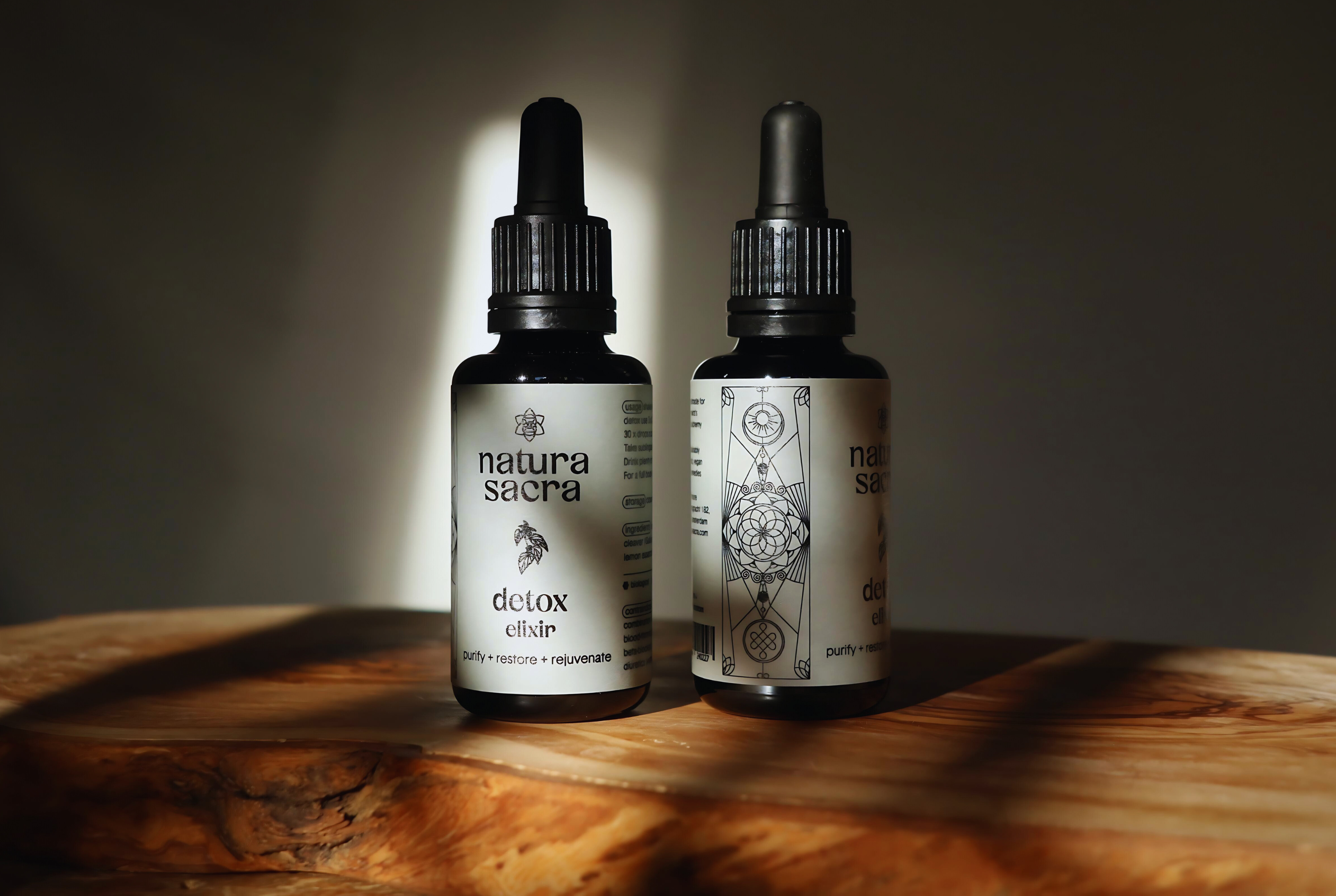
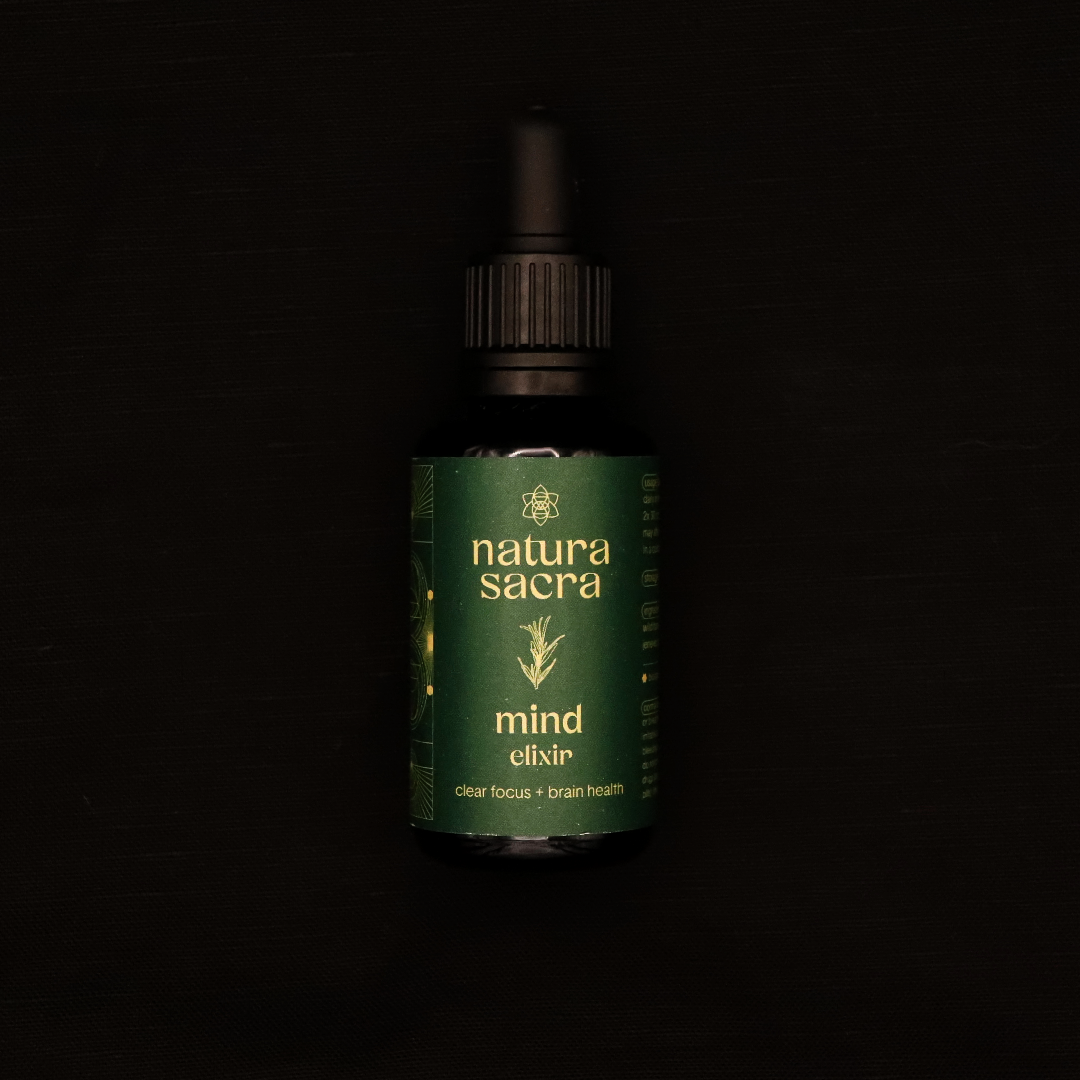
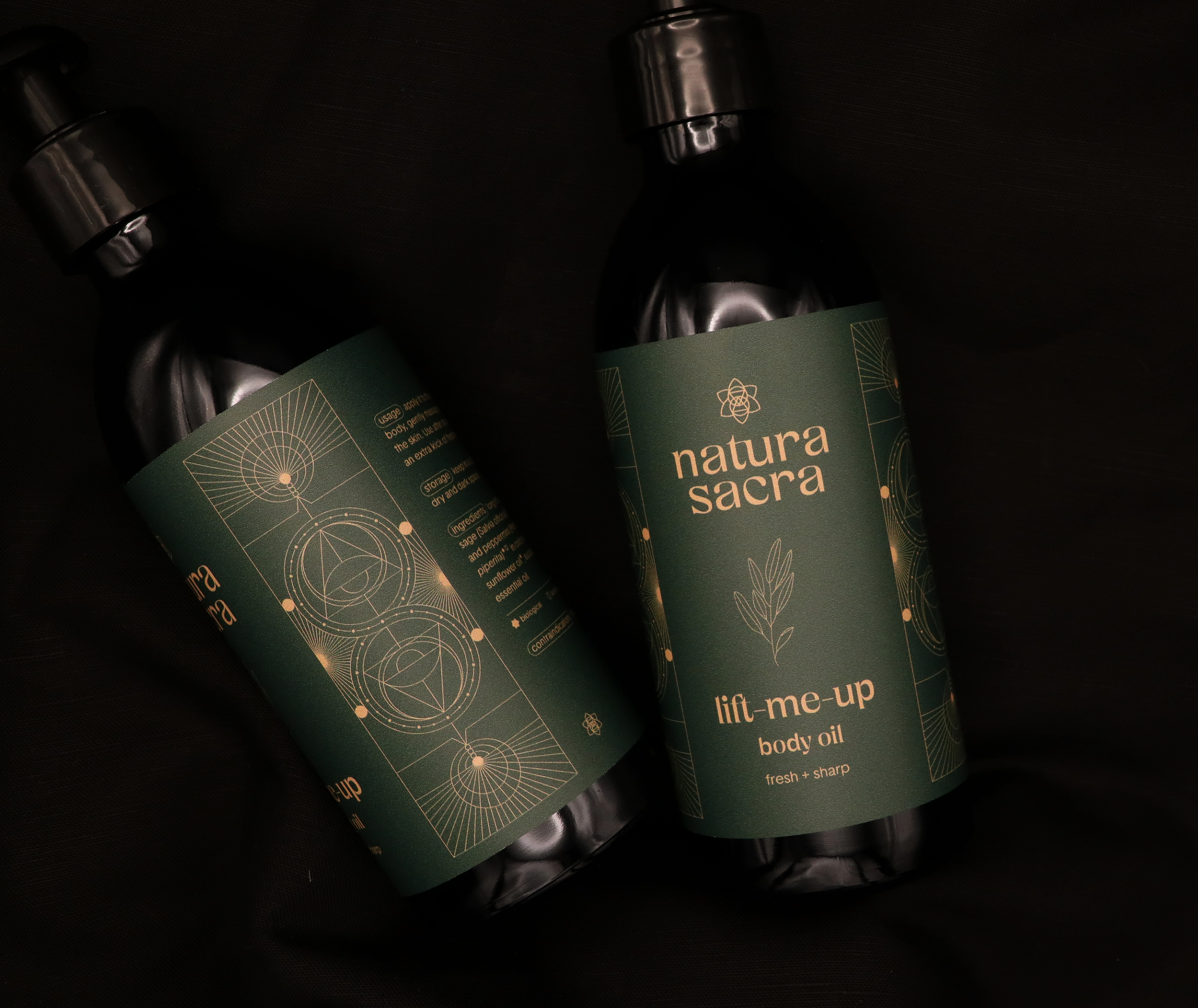
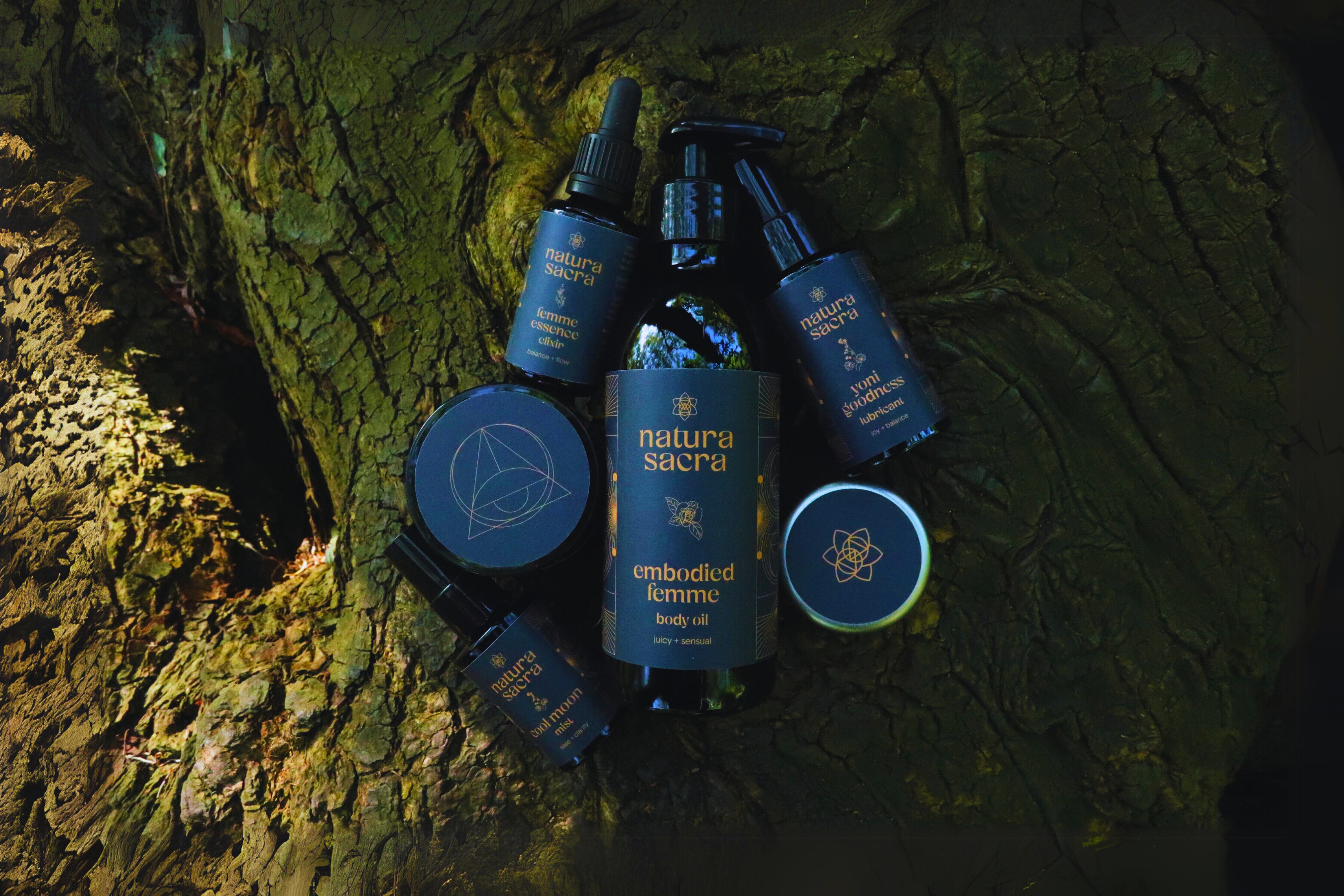
Natura Sacra brings together research-backed botanicals and traditional wisdom in every product. Our body oils feature organic calendula and nourishing carrier oils, while the herbal teas blend nettle, cleavers, and other classic cleansing plants. Each product is crafted to support your daily self-care rituals, offering gentle nourishment for both body and mind. Think of these herbal routines as a way to honour your body, not as a cure, but as daily plant wisdom for holistic wellbeing.
Creating Your Lymphatic Drainage Massage Oil Routine: Step-by-Step Guide
Building a lymphatic drainage massage oil routine can feel like adding a meaningful ritual to your self-care toolkit. Whether you are new to body oiling or refining your skills, these four steps will guide you to create a safe, effective, and pleasurable practice. Let’s demystify the process and help you make the most of your lymphatic drainage massage oil.
Step 1: Choose the Right Oil Blend
The foundation of any lymphatic drainage massage oil routine is picking the right blend for your skin and goals. Begin with a gentle carrier oil such as sweet almond, grapeseed, or jojoba. These oils are light and quickly absorbed, making them ideal for daily use.
Add essential oils that are traditionally used to support the lymphatic system:
- Geranium: balancing and uplifting
- Grapefruit or lemon: for circulation and a fresh scent
- Eucalyptus: mildly anti-inflammatory
Stick to safe dilution: 2.5 percent essential oil for body massage, up to 5 percent for spot treatments. For a simple blend, mix 5 drops geranium and 5 drops grapefruit with 2 tablespoons of sweet almond oil. This tailored lymphatic drainage massage oil offers a supportive base for your routine.
Step 2: Prepare for Your Massage
Preparation is just as important as the massage itself. Hydrate well before starting, as water helps keep lymph fluid moving. Warm your lymphatic drainage massage oil between your hands to enhance absorption and comfort.
Set the mood for relaxation:
- Soft lighting and calming music
- Remove jewellery and wear loose clothing
- Take a few deep breaths to settle in
An evening routine works well, especially if your blend contains citrus oils, as this avoids sun exposure. Creating a peaceful environment encourages you to slow down and tune in to your body’s needs.

Step 3: Massage Technique & Application
Apply your lymphatic drainage massage oil to areas rich in lymph nodes: neck, underarms, abdomen, and behind the knees. Use gentle, upward strokes towards the heart, mimicking the natural direction of lymph flow.
Focus on light, rhythmic movements. Avoid heavy pressure, as the lymphatic system sits close to the skin’s surface. Aim for 10 to 15 minutes, either after a shower or before bed.
For more on the history and benefits of ritual body oiling, see Body oiling for self-care. This approach turns your massage into a mindful, restorative experience.
Step 4: Complementary Practices for Lymphatic Health
A lymphatic drainage massage oil routine works best when paired with healthy daily habits. Gentle movement—such as walking, stretching, or yoga—encourages lymph flow. Keep hydrated throughout the day to support fluid balance.
Consider sipping herbal teas, like nettle or cleavers, which have a long tradition of supporting the body’s natural cleansing processes. Learn more about these gentle herbs at Nettle's cleansing herbal benefits.
Prioritise restful sleep and limit processed foods for overall lymphatic support. Combining massage, movement, and herbal rituals helps you create a holistic, sustainable self-care routine.
Safety, Contraindications & When to Seek Help
Keeping safe while enjoying your lymphatic drainage massage oil routine is non-negotiable. Understanding when to pause self-care and seek expert help is just as important as knowing which oil to choose. Let’s walk through what to look out for, how to use oils wisely, and when a professional’s insight is absolutely needed.
Recognising Red Flags in Lymphatic Health
Most people can safely enjoy a lymphatic drainage massage oil routine, but some signs mean it’s time to stop and call your GP. Watch for sudden or severe swelling, redness, or pain in any area—these can be early signs of infection or a possible clot. If you notice persistent swelling after surgery or trauma, don’t rely on at-home remedies, as specialist help is essential.
Other warning signs include fever, warmth over the swollen area, or rapid changes in size. For example, lymphoedema after breast cancer treatment always needs expert guidance. According to recent studies, there are over 900,000 post-surgical lymphedema cases in the US each year, underscoring the need for professional care.
If you’re using a lymphatic drainage massage oil and notice any of these red flags, stop immediately. Remember, while massage can support comfort and mild swelling, it is not a substitute for medical attention. For more on what massage can and cannot do, see this randomised controlled trial on the effects of lymphatic drainage on muscle recovery.
Essential Oil Safety & Skin Sensitivity
Lymphatic drainage massage oil blends are generally gentle, but everyone’s skin is different. Always patch test a new blend before full use, especially if you have sensitive or allergy-prone skin. Essential oils are potent, and some—like citrus oils—can make your skin more sensitive to sunlight. Avoid applying these before sun exposure.
Pregnant or breastfeeding? Some essential oils are off-limits, so check with a qualified professional first. Never use oils on broken or irritated skin. If you notice a rash, itching, or discomfort after using lymphatic drainage massage oil, rinse thoroughly and stop using the product. Safety comes first, and a little caution protects your skin and overall well-being.
When to Consult a Professional
When should you move beyond your home routine? If you have chronic or unexplained swelling, a history of heart, kidney, or autoimmune disease, or if you’re recovering from cancer or surgery, professional advice is vital. During pregnancy or breastfeeding, always consult your midwife or herbalist before starting a new lymphatic drainage massage oil or herbal routine.
Complex conditions like autoimmune diseases can affect lymphatic function in unexpected ways. For more on how the lymphatic system plays a role in these cases, see this study on lymphatic function in autoimmune diseases. Personalised advice ensures your self-care is safe, effective, and tailored to your unique needs.
After getting to know the benefits and practical ways to bring lymphatic drainage massage oils into your daily self care, you might be curious about finding blends that are truly crafted with plant wisdom and intention. I’ve seen how the right oils and rituals can make a gentle but meaningful difference—especially when they’re made in small batches with real herbs, research, and care. If you’re ready to explore oils that nourish your skin, ease tension, and fit beautifully into your wellness routine, take a look at our Body Oils collection herbal body care crafted to nourish skin, ease muscle tension, and support intimate wellbeing.