Discover 9 essential natural home remedies for sleep in 2026, blending herbal wisdom, gentle rituals, and practical tips for restful nights. Start your journey to better sleep.
9 Essential Natural Home Remedies For Sleep In 2026

Picture this: it’s late, your mind is racing, and restful sleep feels just out of reach. If this sounds familiar, you’re not alone. In 2026, more people than ever are searching for gentle, effective ways to reclaim deep, restorative rest at home.
This guide is here to help. We’ll walk you through nine essential natural home remedies for sleep, each rooted in time-honoured wisdom and supported by modern research. Discover how simple changes—like herbal teas, mindful routines, and calming scents—can help you unwind, drift off, and wake refreshed.
Ready to trade restless nights for holistic, nourishing slumber? Let’s explore what truly works, naturally.
The Science of Sleep and Why It Matters
Sleep is the quiet foundation beneath our days, yet in 2026, more people than ever find it elusive. Whether it is stress, late-night screens, or the pace of modern life, sleep troubles have become a widespread concern. Restful sleep is not just a luxury—it is essential for physical repair, mental clarity, and balanced emotions.
Recent studies show that over 60 percent of adults in the UK report sleep disturbances at least once a week. Teens and older adults are especially affected, as shifting routines and hormonal changes disrupt natural sleep rhythms. The numbers tell a story: poor sleep is now linked to weakened immunity, slow healing, higher anxiety, and memory lapses. Over time, chronic sleep deprivation quietly raises the risk of heart disease, diabetes, and even depression.
Why is sleep so powerful? Each night, our bodies cycle through phases that restore muscles, regulate hormones, and sweep toxins from the brain. Without enough restorative sleep, the body’s defences falter. The mind grows foggy, moods shift, and even simple decisions can feel overwhelming.
When sleep becomes a struggle, many turn to pharmaceutical aids. While these can provide short-term relief, they often come with side effects such as grogginess, dependency, and disrupted sleep architecture. In contrast, natural home remedies for sleep work gently with the body’s own rhythms. They support relaxation, encourage melatonin production, and nurture the nervous system—often without harsh aftereffects.
Here is a simple comparison to illustrate the differences:
| Approach | Pros | Cons |
|---|---|---|
| Pharmaceuticals | Fast acting, can help severe insomnia | Side effects, dependency, not for long-term use |
| Natural Remedies | Gentle, support body’s rhythms, safer | May take time, results vary |
What makes natural home remedies for sleep so appealing in 2026? People are rediscovering the power of herbs, mindful rituals, and gentle routines to reset their sleep. For example, swapping late-night scrolling for a warm herbal tea, or adding a lavender sachet to your pillow, can make a surprising difference. Many find that these small changes help them drift off with more ease and wake feeling more refreshed.
Modern research now backs what herbalists have long known. Studies on circadian rhythms show that our bodies are deeply responsive to cues like darkness, warmth, and calming scents. Mindful evening routines—dim lights, calming teas, gentle movement—signal to the brain that it is time to rest. Natural home remedies for sleep, such as herbal infusions or soothing baths, work in harmony with these rhythms and can be tailored to suit individual needs.
For those curious about the evidence, a 2024 review highlights how herbal and natural supplements can improve sleep quality, duration, and reduce insomnia symptoms, often with fewer side effects than conventional medicines. You can read more about this in the Herbal and Natural Supplements for Improving Sleep review.
The journey to better sleep is personal, but it does not have to be complicated. By understanding the science and embracing gentle, natural home remedies for sleep, you can support your wellbeing in a way that feels nourishing and sustainable.
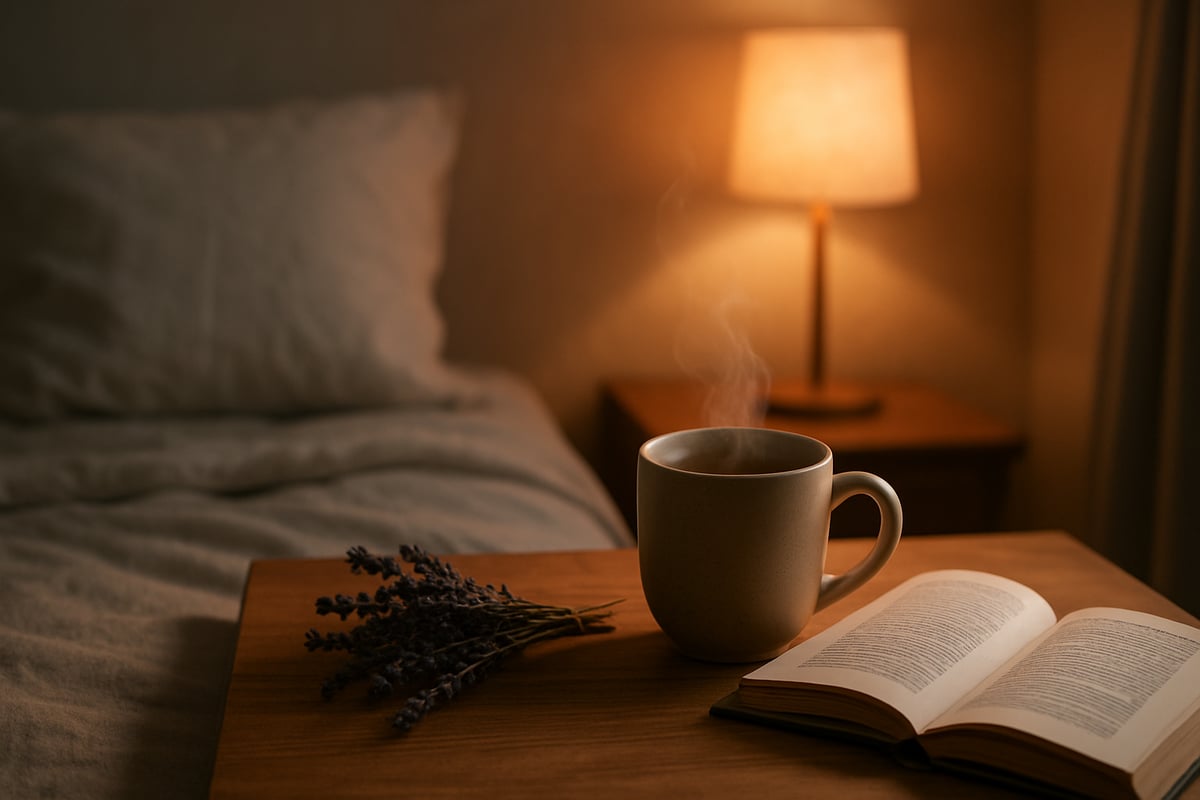
9 Essential Natural Home Remedies For Sleep In 2026
Struggling to drift off in the age of endless screens and busy minds? You are far from alone. This section guides you through 9 natural home remedies for sleep, blending old-world herbal wisdom and modern research. Each remedy offers a gentle, practical way to nurture restful nights, helping you find what truly works for your unique rhythm.
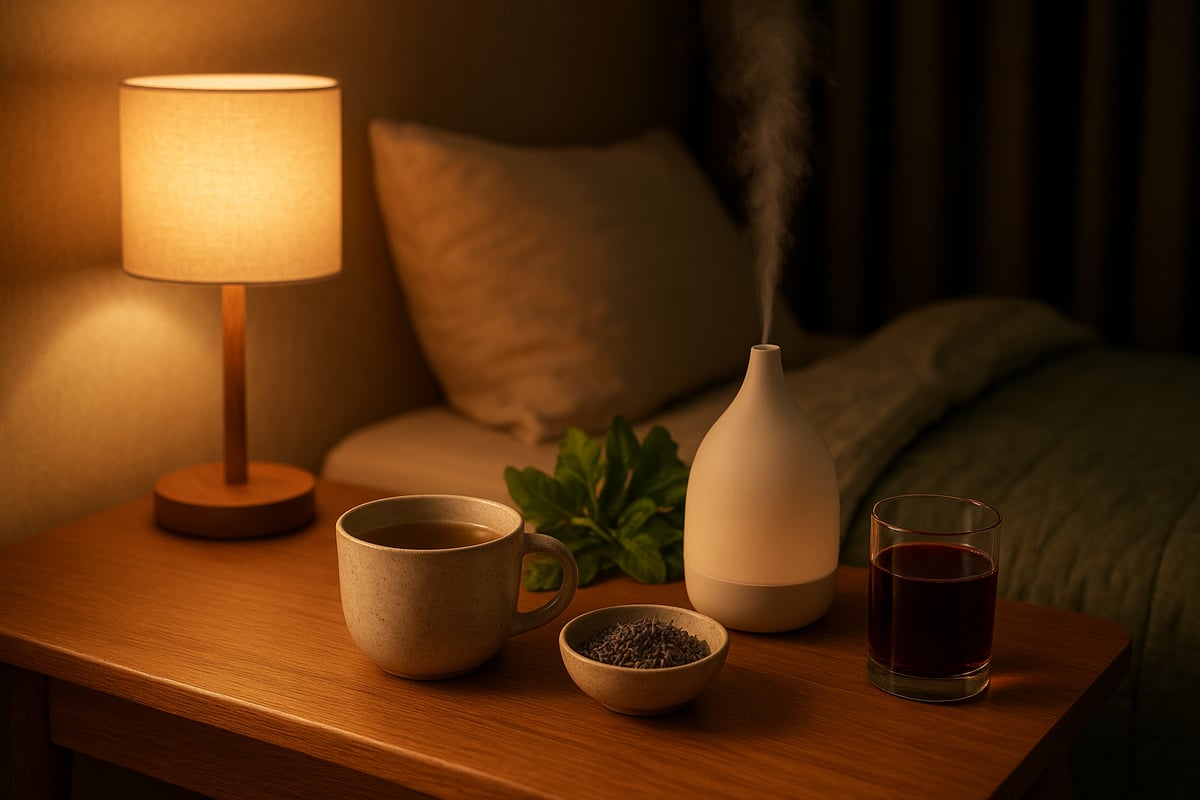
1. Herbal Teas: Chamomile, Lemon Balm, and Passionflower
Herbal teas have long been a favourite among natural home remedies for sleep. Chamomile, with its gentle flavour, contains apigenin—a compound that binds to calming receptors in the brain, encouraging relaxation. Lemon balm brings rosmarinic acid, which helps ease tension and quiet the mind. Passionflower, rich in flavonoids, has been used in European traditions to soothe restlessness.
Brewing a warm infusion an hour before bed is a cherished nightly ritual in many cultures. Early research suggests these herbs can reduce the time it takes to fall asleep and improve overall sleep quality (source). For a deeper dive into the science behind these botanicals, see the Best Herbs for Sleeping guide.
To prepare, steep a teaspoon of dried herb in hot water for 5–10 minutes. Sip slowly, mindfully. If you have allergies or take medication, check with a professional before adding new plants to your routine.
2. Magnesium-Rich Foods and Supplements
Magnesium is often called nature’s relaxant. This essential mineral helps muscles release tension and supports the nervous system, making it a staple in natural home remedies for sleep.
Foods like pumpkin seeds, spinach, almonds, and even dark chocolate are rich in magnesium. Studies have linked higher magnesium intake with longer, deeper sleep (source). You can increase magnesium naturally by adding these foods to evening meals or, if needed, using a supplement. Always start low and check labels for quality.
Not everyone needs extra magnesium, so listen to your body. Too much can upset digestion, so stick to recommended amounts unless advised otherwise.
3. Aromatherapy: Lavender and Beyond
The gentle scent of lavender is almost synonymous with calm. Aromatherapy works by using plant essential oils—like lavender, bergamot, or clary sage—to ease the mind and invite relaxation.
Research shows that inhaling lavender can lower anxiety and help you fall asleep more quickly (source). There are many ways to bring this into your evening: a few drops in a diffuser, a homemade pillow spray, or a calming bath blend.
Always dilute essential oils before applying to skin, and keep them away from pets and small children. Aromatherapy is a simple, sensory way to enhance your natural home remedies for sleep.
4. Mindful Evening Rituals and Sleep Hygiene
Good sleep is about more than what you take—it is how you prepare. Sleep hygiene means creating habits and environments that help your body recognise when it is time to rest.
Start with a consistent bedtime, dim lighting, and a screen-free wind-down. Gentle movement, like stretching or a slow walk, can help signal the end of the day. Research confirms that structured routines can improve sleep quality and make it easier to drift off (source).
Try making your bedroom a true sanctuary, free from clutter and distractions. These mindful rituals are some of the most effective natural home remedies for sleep.
5. Meditation and Breathwork for Calming the Nervous System
A busy mind is one of the most common barriers to sleep. Meditation and breathwork offer natural home remedies for sleep by helping to quiet mental chatter and lower stress hormones.
Simple techniques like box breathing, body scans, or guided visualisation can be practised in bed. Studies show that regular meditation can ease insomnia symptoms and improve overall sleep (source).
If you are new to these practices, start with just a few minutes each night. Apps or gentle audio guides can support you as you build the habit.
6. Tart Cherry Juice: Nature’s Source of Melatonin
Tart cherry juice is a surprising addition to natural home remedies for sleep. These cherries are one of the few fruits naturally high in melatonin, the hormone that tells your body it is time to rest.
Research suggests that drinking tart cherry juice can help increase sleep duration and quality, especially in people with trouble staying asleep (source). A small glass 30–60 minutes before bed is usually enough.
Choose unsweetened varieties, as some juices are high in sugar. While generally safe for most adults, check with a professional if you have diabetes or give it to children.
7. Magnesium Bath Soaks and Relaxing Body Care
A warm bath at night is more than a comfort—it is one of the most time-honoured natural home remedies for sleep. Epsom salts, made from magnesium sulphate, help relax tight muscles and calm the body.
Soaking in a magnesium bath about an hour before bed can signal your body that it is time to unwind. Studies have found that evening baths improve sleep quality, especially when combined with dim lighting (source).
Add a cup of Epsom salts to warm water and soak for 15–20 minutes. Follow with a gentle towel dry and calming body oil if you like.
8. Valerian Root and Other Sleep-Supportive Herbal Extracts
Valerian root is a classic herbal ally for restless nights, often included in natural home remedies for sleep. Used for centuries in Europe, valerian contains compounds that may help ease tension and shorten the time it takes to fall asleep.
Recent research supports valerian’s potential to improve sleep quality, although effects can vary from person to person (source). Other herbs, like hops, skullcap, and California poppy, are sometimes blended for a broader calming effect.
Herbal extracts are often taken as tinctures or capsules. Start low, monitor how you feel, and consult a professional if you are pregnant or take medication.
9. Limiting Blue Light and Embracing Darkness
Modern life is bright—sometimes too bright for our natural rhythms. Blue light from screens and LEDs can block melatonin, making it hard for your body to wind down. Limiting blue light is one of the simplest natural home remedies for sleep.
Try blue-light blocking glasses, dimming your screens, or switching to warm, amber lights in the evening. Research shows that reducing blue light exposure in the hours before bed can significantly improve sleep (source).
Embrace darkness by using blackout curtains, lighting candles, or taking a gentle walk at dusk. Darkness is a forgotten friend in the quest for better sleep.
Combining Remedies for a Personalised Sleep Ritual
Finding what truly works for you often means weaving together several natural home remedies for sleep. Each remedy offers a unique way to support rest, but their real strength shines when combined into a nurturing evening ritual that fits your lifestyle and needs.
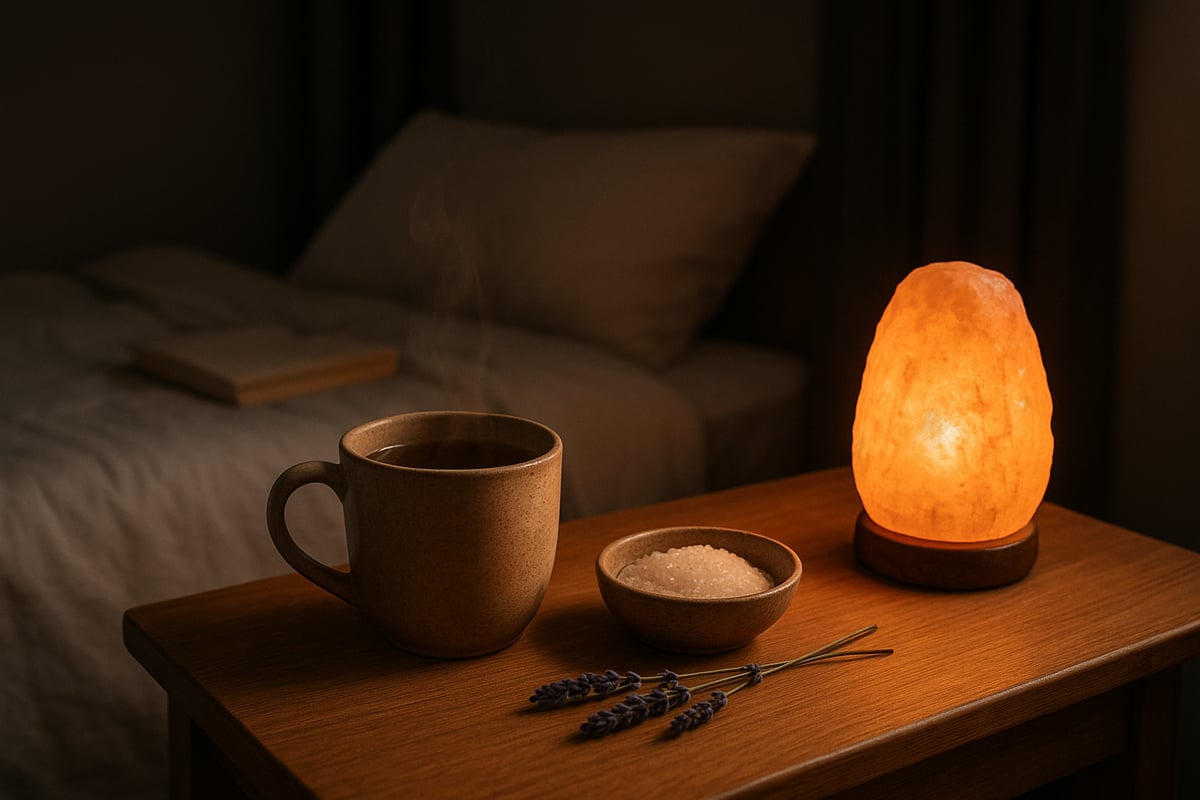
Imagine this gentle routine: as night falls, you sip a cup of lemon balm or chamomile tea, letting its warmth soothe you. You add a few drops of lavender oil to your diffuser and stretch gently, feeling tension melt away. A short session of mindful breathing or meditation grounds your mind. By choosing and combining these natural home remedies for sleep, you create a comforting signal to your body that it is time to unwind.
Consistency is key. Try to keep your routine at the same time each night, adjusting as you notice what helps you feel most restored. Some people keep a simple sleep journal, noting which remedies or rituals seem most effective. Over time, this mindful approach can help you refine your ritual, blending tradition and science in a way that feels deeply personal. For more inspiration on crafting your own routine, explore these Evening Rituals for Deep Rest.
Safety matters, especially when mixing natural home remedies for sleep. Start with small amounts, introduce new herbs or supplements one at a time, and watch for any reactions. If you are pregnant, nursing, on medication, or have ongoing sleep issues, check with a qualified health professional. Remember, the goal is gentle support, not overwhelm.
In 2026, more people are embracing ritual-based wellness, blending herbal wisdom with modern insights. Trust your instincts, listen to your body, and let your nightly ritual be a source of comfort and renewal.
Frequently Asked Questions About Natural Sleep Remedies
Finding your way through the world of natural home remedies for sleep can raise plenty of questions, especially if you are just starting your journey. Here, we answer the most common concerns, blending traditional wisdom and modern research to help you rest easier.
Can I combine different natural home remedies for sleep?
Yes, many people blend remedies like herbal teas, aromatherapy, and mindful routines for better results. Start with one or two, listen to your body, and add others gradually. Always check for interactions if you use supplements or prescription medicines. For a deeper look at safe combinations, the Sleep Foundation’s guide on natural cures for insomnia is a helpful reference.
How long until I notice results?
Some remedies, such as a calming tea or breathwork, can work the first night. Herbal approaches often need consistent use over days or weeks to show full effects. Patience and routine are key.
Are natural home remedies for sleep safe for children or older adults?
Most gentle remedies, like chamomile tea or evening rituals, suit a wide age range. However, always check with a healthcare provider if you are pregnant, nursing, giving remedies to children, or have ongoing health conditions. Certain herbs or supplements may not be suitable for everyone.
What if natural remedies do not work for me?
If you have tried several approaches and still struggle, it is wise to consult a professional. Sometimes underlying issues like sleep disorders or medication side effects need tailored support. Remember, natural home remedies for sleep are part of a holistic approach, not a one-size-fits-all solution.
Can I use these remedies with prescription sleep aids?
Some remedies pair well with prescriptions, while others might interact. It is important to check with your doctor or pharmacist before combining. For more on supplement safety, Harvard Health’s review on supplementing your sleep offers practical tips.
Where can I find quality herbs and supplements?
Look for trusted brands, organic certifications, and clear ingredient lists. Choose whole herbs or extracts with minimal fillers, and check reviews or third-party testing when possible.
Natural home remedies for sleep can offer gentle, lasting support when chosen and combined thoughtfully. If you are ever in doubt, seek guidance from a qualified herbalist or health professional.
As we’ve seen, creating restful nights in 2026 is all about blending age old herbal wisdom with simple, modern rituals. Whether you’re sipping a calming tea, unwinding with lavender, or building a gentle bedtime routine, every small step brings you closer to deeper sleep and better wellbeing. If you’re ready to turn these ideas into daily habits, I’d love for you to explore our range of gentle sleep supports—each crafted in small batches to help you relax and restore balance. Take a look at our favourites here:
Discover our Stress & Sleep remedies crafted to help you unwind and restore balance.