Eeuwenlang is het nederige frambozenblad vereerd als een heilige bondgenoot voor vrouwen – het versterkt, verzacht en stabiliseert het vrouwelijk lichaam door zijn vele fasen heen. Hoewel de meeste de zoete, karmozijnrode vrucht kennen, zijn het de gekartelde bladeren van de Rubus idaeus die de verborgen kracht van dit kruid bevatten: een zachtaardig doch diepgaand tonicum voor cycli, zwangerschap en hormonale balans.
Frambozenblad: Het oude kruid van vrouwelijkheid

Samenvatting
Frambozenblad wordt al generaties lang gebruikt als een klassiek kruid voor vrouwen, gewaardeerd om zijn relatie met de baarmoeder en het bekkengebied. Dit artikel onderzoekt de traditionele toepassingen voor menstruatiecomfort, cyclusondersteuning en algeheel reproductief welzijn. We bespreken hoe frambozenblad wordt verondersteld baarmoederweefsel te versterken en te ondersteunen, en hoe het in verschillende levensfasen is gebruikt. Je vindt er ook richtlijnen over hoe het kan passen in een breder ritueel voor cyclusondersteuning, in plaats van te worden gezien als een op zichzelf staand wondermiddel. Dit stuk is bijzonder relevant voor menstruerende personen en mensen die geïnteresseerd zijn in traditionele vrouwelijke kruidengeneesmiddelen.
Download de Kruidige Rituelen Gids - Frambozenblad: Het Oude Kruid van Vrouwelijkheid (PDF)
Belangrijkste punten
- Frambozenblad wordt traditioneel gebruikt als een baarmoederondersteunend kruid, vooral rond de menstruatie en reproductieve gezondheid.
- Het wordt vaak over een langere periode als thee ingenomen, in plaats van als een acuut, eenmalig middel.
- Frambozenblad wordt meestal gecombineerd met andere kruiden zoals kamille, vrouwenmantel of brandnetel voor een completere ondersteuning.
- Cycluszorg is ook afhankelijk van rust, warmte, voeding en stressregulatie – niet alleen van kruiden.
- Luisteren naar hoe je eigen lichaam gedurende meerdere cycli reageert, is essentieel om te begrijpen of frambozenblad goed bij je past.
Probeer Dit Vanavond
Als het past bij je huidige cyclusfase, bereid dan 's avonds een eenvoudige frambozenbladthee en merk op hoe je lichaam en spijsvertering aanvoelen na het langzaam drinken ervan.
Ontdek Meer
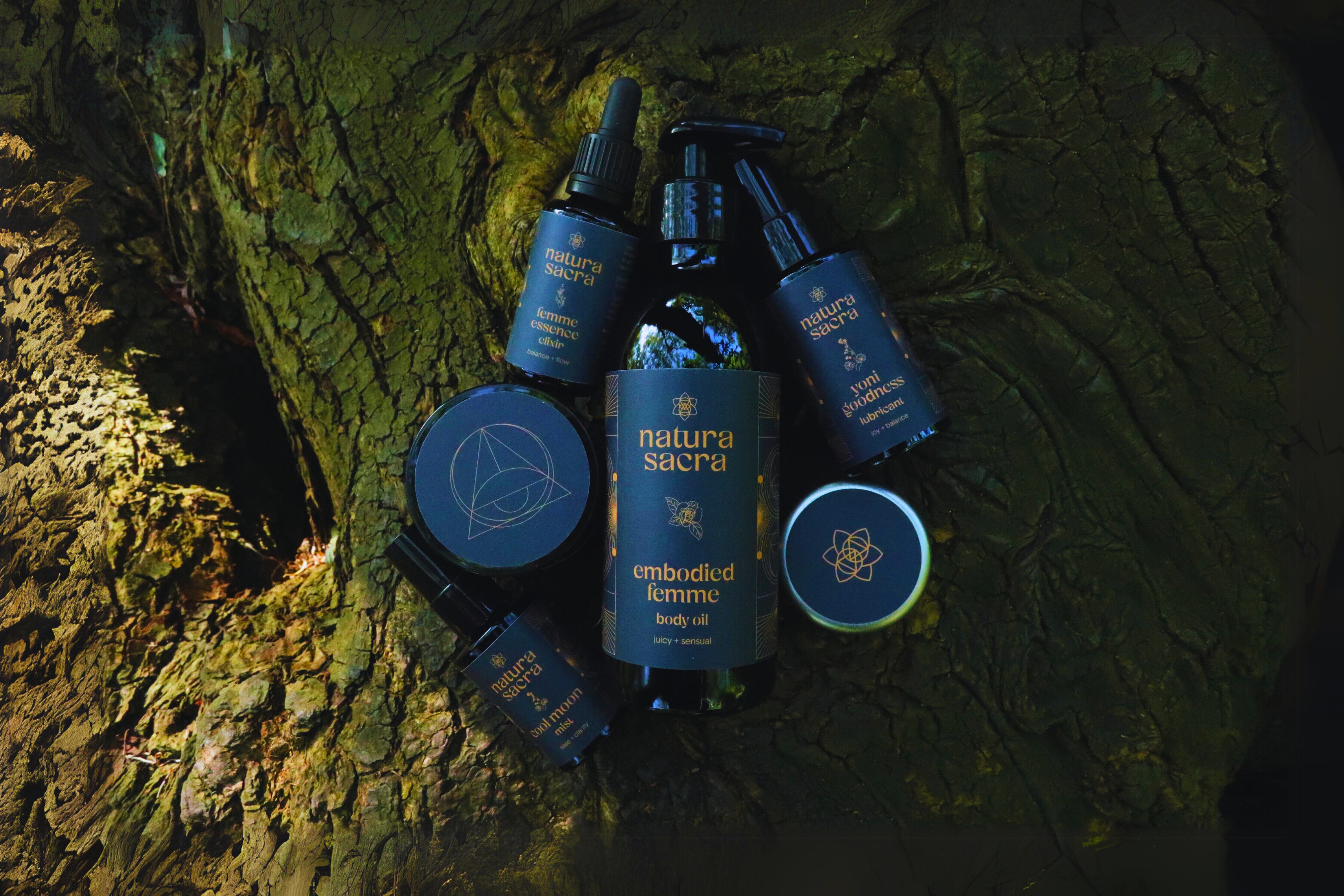
Ontdek meer cyclusondersteunende botanicals in onze Embodied Femme Collectie en bezoek onze blog voor aanvullende plantprofielen.