Discover 7 benefits of herbal tea in 2026 Blend traditional wisdom with the latest research to support digestion sleep heart and immune health naturally
7 Benefits of Herbal Tea You Should Know

Across the globe, the ancient ritual of brewing herbal tea is finding new life. People are turning to time-honoured plants as they search for natural ways to support daily wellbeing.
The benefit of herbal tea is now backed by both tradition and emerging research. From easing digestion to promoting emotional balance, herbal teas are becoming a practical ally for everyday routines.
This article uncovers seven reasons to make herbal tea part of your modern lifestyle. Discover how these gentle brews can offer holistic support, blending the wisdom of herbalists with the latest scientific insights.
Understanding Herbal Tea: Tradition Meets Modern Wellness
Herbal tea is more than a comforting drink—it’s a bridge between ancient wellness traditions and modern self-care. For many, the daily ritual of making a brew provides a gentle pause, inviting us to reconnect with the natural world. As the benefit of herbal tea gains fresh attention, understanding its roots and uses helps us make informed choices for our wellbeing.
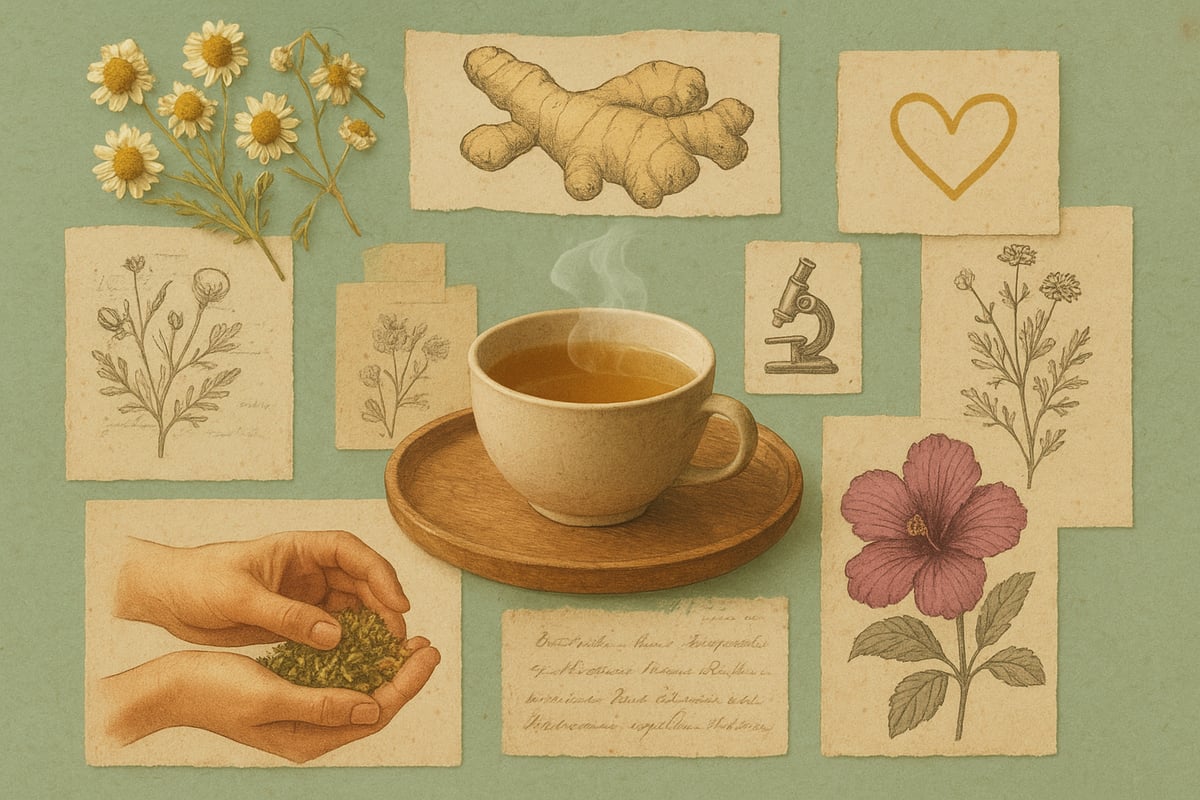
What sets herbal tea apart? Unlike true teas made from Camellia sinensis (think green or black tea), herbal teas—or tisanes—are infusions made from a variety of plants: leaves, flowers, roots, seeds, or fruits. Each blend is unique, and the benefit of herbal tea depends on the plants chosen and how they are prepared. Herbalists approach these blends with care, selecting herbs that match a person’s constitution, needs, and preferences.
Cultures worldwide have cherished herbal teas for centuries. In Europe, chamomile is a classic bedtime choice. In Asia, ginger tea is valued for its warming and digestive qualities. In Africa, hibiscus is celebrated for its vibrant colour and refreshing tartness. Each tradition highlights a different benefit of herbal tea, shaped by climate, local plants, and community wisdom.
What gives herbal tea its effects? It comes down to the plant compounds inside. Polyphenols and flavonoids act as antioxidants, while essential oils provide aroma and specific actions—like soothing, invigorating, or supporting digestion. Herbalists often blend calming herbs (like lemon balm), invigorating roots (like ginger), or immune-supportive berries (like elderberry) to suit the moment.
Modern research is catching up with traditional wisdom. Studies now explore the benefit of herbal tea for stress, sleep, immune health, and even cardiovascular support. For example, Harvard Health reviews how some herbal teas may help reduce inflammation and boost immunity in everyday life. Still, not all claims are fully proven, so it’s wise to balance tradition with evidence.
Quality matters. Choose organic, additive-free teas from reputable sources, and avoid blends loaded with added sugars or artificial flavours. If you have allergies or take medication, consult a healthcare professional before adding new herbs to your routine.
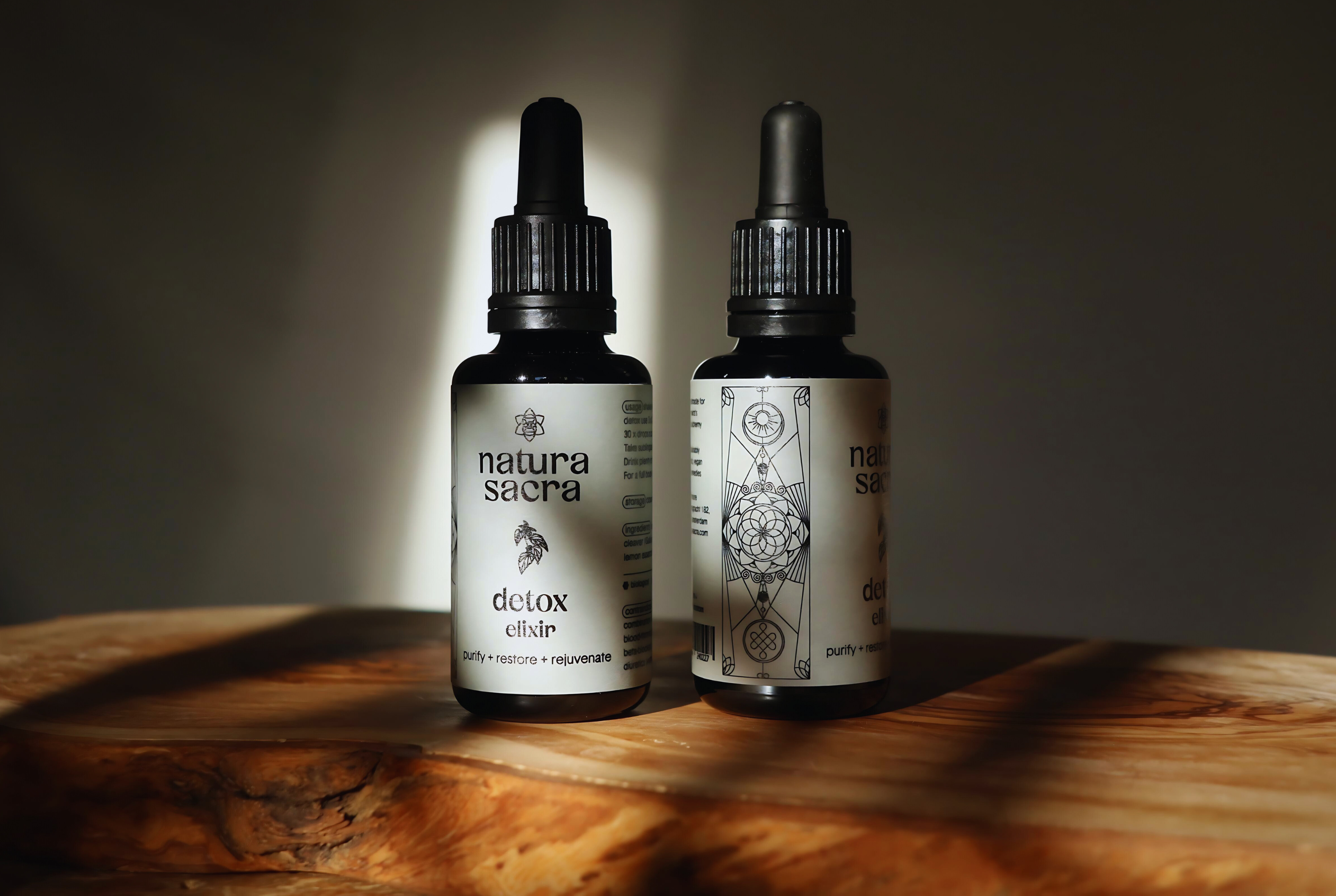
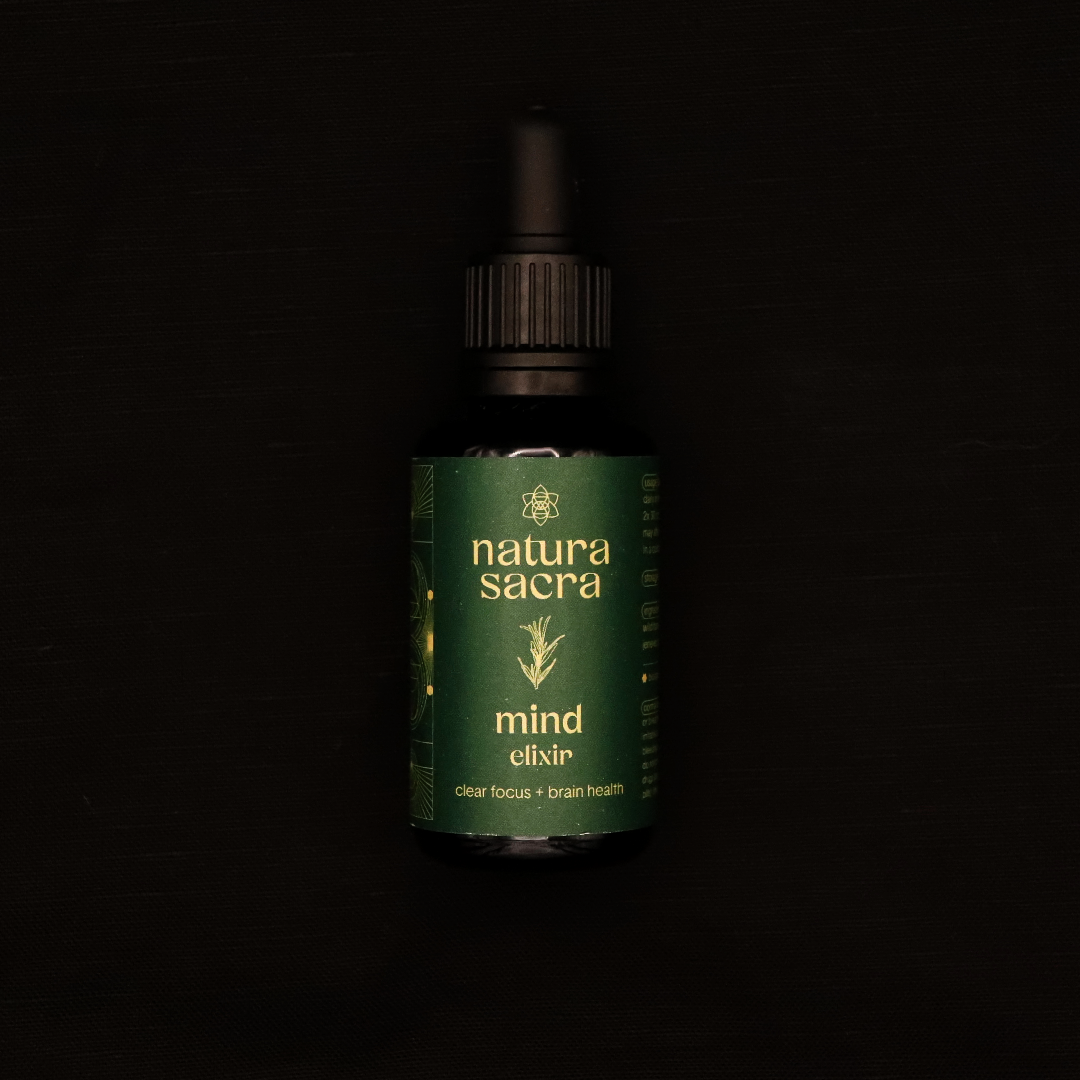
Making herbal tea can be a mindful ritual: taking a few minutes to steep, breathe, and savour each sip. This simple act can nurture both body and mind, supporting daily wellbeing. Brands like Natura Sacra honour this heritage, offering carefully crafted blends for those seeking both tradition and research-backed benefit of herbal tea.
7 Benefits of Herbal Tea You Should Know in 2026
Herbal tea has become a staple in many modern routines, offering more than just warmth in a cup. The benefit of herbal tea is rooted in centuries of tradition and is now supported by a growing body of research. Whether you are looking to support digestion, sleep better, or simply enjoy a mindful ritual, herbal teas provide a natural approach that blends the wisdom of the past with the needs of today.
1. Supports Digestive Health and Comfort
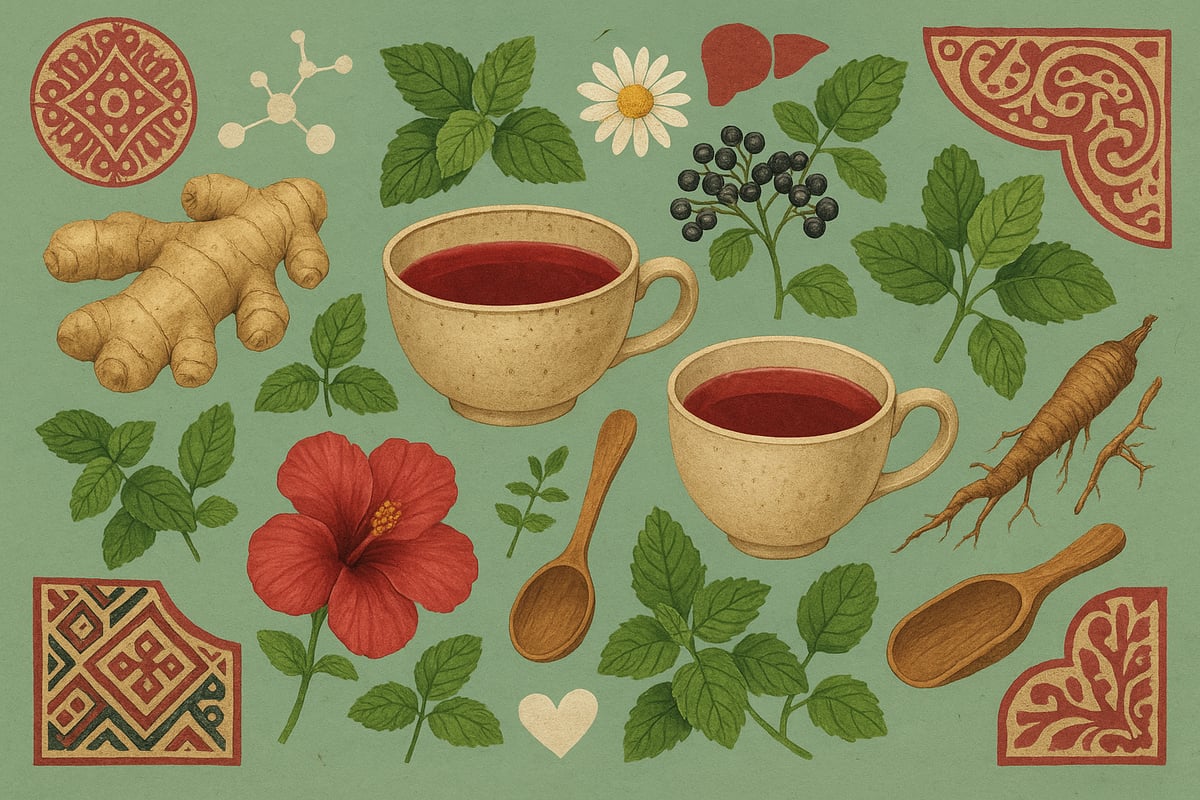
Digestive issues are common, and many turn to herbal teas for gentle support. Herbalists often recommend specific blends based on individual digestive patterns. For example, warming ginger is chosen for sluggish digestion, while cooling peppermint suits those prone to bloating.
Traditionally, peppermint, ginger, and fennel teas have been used across cultures to ease discomfort after meals. Peppermint is a favourite in Europe and North America for its soothing effect, while ginger is a staple in Asian kitchens for nausea and motion sickness.
Modern research continues to validate these age-old uses. Ginger has been shown to help with nausea, including morning sickness and travel-related queasiness. Peppermint tea, meanwhile, is associated with relief from irritable bowel syndrome symptoms. Fennel’s mild sweetness and carminative properties make it a classic for gassy or unsettled stomachs.
For daily life, sipping a warm cup of herbal tea after eating can become a mindful ritual that supports comfort. Peppermint tea, being caffeine-free, is a popular choice for post-dinner relaxation.
If you’re curious about the deeper traditions, the Bitters, Teas, and Digestive Tonics article explores more about how these herbs have supported digestion through the ages.
It is important to note that peppermint may not suit people with reflux, and ginger can interact with blood thinners. The benefit of herbal tea for digestion is its gentle, accessible support, but always consider your personal health needs.
2. Promotes Restful Sleep and Relaxation
Sleep is a cornerstone of wellbeing, and the benefit of herbal tea shines here. Herbalists often turn to calming blends, such as chamomile and lemon balm, to help ease stress and prepare the body for rest.
Chamomile tea is a bedtime classic, cherished in Europe and the Middle East. Lemon balm, with its gentle lemony aroma, is another herb deeply rooted in European tradition for calming nerves.
Scientific studies have begun to back up these traditions. Chamomile has been shown in clinical settings to reduce anxiety and improve sleep quality, making it a valuable ally for those who struggle with winding down.
A simple evening ritual, like brewing a cup of chamomile tea, can help signal to your body that it is time to relax. Lemon balm can be combined with other calming herbs for a tailored bedtime blend.
As with any plant, safety matters: those allergic to ragweed should approach chamomile with caution. The benefit of herbal tea at bedtime is its non-habit-forming nature, making it a gentle alternative to pharmaceutical sleep aids.
3. Supports Heart and Circulatory Health
The benefit of herbal tea extends to heart and circulatory health, an area where both tradition and research are beginning to align. Hibiscus and hawthorn have long been used in folk medicine for their potential to support blood pressure and healthy circulation.
Hibiscus tea, with its vibrant red hue, is a staple in African and Middle Eastern cultures. Hawthorn berries are prized in European herbal traditions for cardiovascular support.
Recent studies, including meta-analyses, point to hibiscus tea’s potential to lower blood pressure and LDL cholesterol. These findings echo what herbalists have observed for generations.
Incorporating hibiscus tea into your daily routine, such as alongside a Mediterranean-style diet, can be a practical way to support vascular health. It is a tart, refreshing beverage that is naturally caffeine-free.
However, hibiscus may interact with diuretics and certain medications, so always check with a healthcare provider if you have concerns. The benefit of herbal tea for heart health is best seen as a complement to other healthy habits, not a replacement for prescribed care.
4. Enhances Immune System Resilience
A strong immune system is more important than ever, and the benefit of herbal tea in this area is supported by both traditional use and emerging research. Elderberry, echinacea, and ginger are favourites among herbalists for seasonal immune support.
Elderberry syrup and tea have been used in Europe and North America for centuries to ward off colds. Echinacea, native to North America, is often blended with other herbs for immune resilience. Ginger, with its warming properties, is enjoyed across Asia as a winter tonic.
Modern studies highlight the presence of gingerol in ginger and anthocyanins in elderberry, both linked to antiviral and anti-inflammatory actions. While research is ongoing, many find comfort in a daily cup of immune-supportive tea during cold and flu season.
A practical example is ginger-lemon tea, which not only warms the body but also provides a sense of comfort in winter. Echinacea should be used with care, especially for those with autoimmune conditions.
The benefit of herbal tea here is gentle support—think of it as part of your broader wellness toolkit, not a cure-all.
5. Provides Antioxidant and Anti-Inflammatory Benefits
Antioxidant and anti-inflammatory support is another key benefit of herbal tea. Herbalists often recommend blends rich in colourful plant compounds, such as green rooibos, turmeric, and hibiscus, to help counter daily oxidative stress.
Turmeric root, with its golden hue, is traditionally used in South Asian cultures for inflammation. Hibiscus and green rooibos are valued for their vibrant colours and polyphenol content.
Scientific evidence suggests that the polyphenols in herbal teas may help reduce markers of inflammation. Harvard Health has discussed how these teas can support the immune system and lower inflammation in the body.
A practical way to access these benefits is to enjoy a variety of herbal teas throughout the week. Turmeric-ginger tea, for example, is a popular daily ritual for those with joint discomfort.
Be aware that turmeric may not suit people with gallbladder issues. The benefit of herbal tea is that it offers a delicious, low-calorie way to access plant antioxidants as part of a balanced diet.
6. Supports Emotional Balance and Mental Clarity
Emotional wellbeing is at the heart of holistic health, and the benefit of herbal tea in this context is both subtle and profound. Lemon balm, passionflower, and lavender are well-regarded by herbalists for their mood-supporting properties.
Lemon balm has been treasured since antiquity as an herb of joy and calm, often brewed to ease stress and promote clarity. Passionflower and lavender are used in blends to support emotional resilience and relaxation.
Modern research shows that lemon balm can improve cognitive performance and reduce anxiety, supporting what herbalists have observed in practice. Swapping out your afternoon coffee for a clarifying herbal blend can provide a gentle lift without the jitters.
Lavender tea, in particular, is a soothing reset during stressful workdays. Passionflower may cause drowsiness for some, so it is best enjoyed when winding down.
The benefit of herbal tea here is the nurturing of both mind and body, making it a valuable ally in daily life.
7. Aids Gentle Detoxification and Liver Support
The body’s natural detoxification pathways benefit from gentle support, and herbal teas have played a role in this for centuries. Dandelion root, nettle, and milk thistle are classic choices among herbalists for “spring cleaning” and liver health.
Dandelion tea is a staple in European traditions, often enjoyed in spring to encourage elimination. Nettle, rich in minerals, is valued for both detox and nourishment. Milk thistle is best known for its liver-protective compounds.
Scientific studies have explored how dandelion and milk thistle may support liver function and detoxification processes, though more research is needed. Herbalists use these plants in blends to gently stimulate the body’s cleansing systems.
A practical way to incorporate this benefit of herbal tea is to enjoy a cup of nettle tea in the morning, supporting hydration and elimination. Dandelion may interact with diuretics, and milk thistle can affect certain medications, so consult a healthcare provider if you have concerns.
Herbal teas in this category are best seen as supportive tools within a balanced, plant-rich lifestyle.
How to Choose and Use Herbal Teas Safely
Choosing the right herbal tea is about more than just flavour. With the growing interest in the benefit of herbal tea, understanding how to select and use these blends safely can make a real difference in your daily wellbeing.
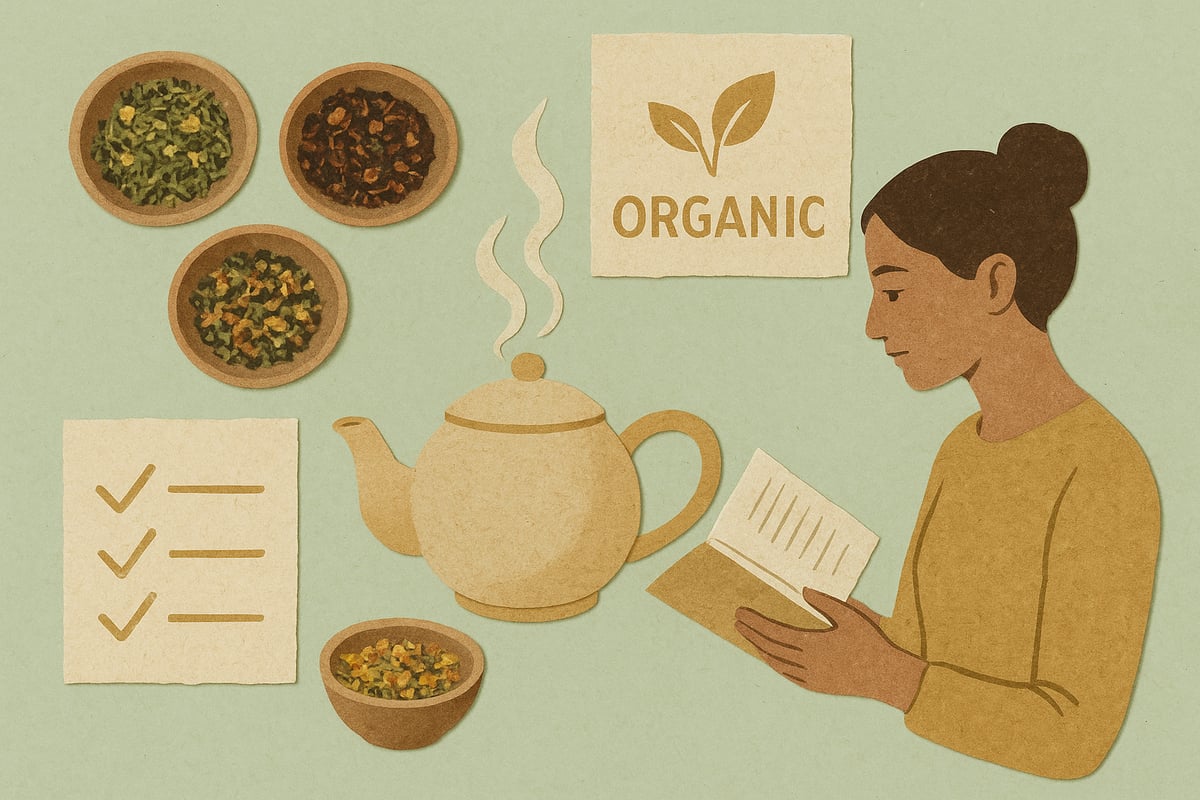
Herbalists recommend starting with organic, additive-free teas from trusted sources. Look for blends that list all ingredients clearly, avoid artificial flavours, and prioritise whole plant material. This ensures you get the full benefit of herbal tea without unwanted chemicals or sweeteners.
Checklist for Quality Herbal Tea:
| What to Look For | Why It Matters |
|---|---|
| Organic certification | Reduces pesticide exposure |
| Whole herbs/flowers | Preserves active compounds |
| No added sugars | Supports true health benefits |
| Transparent sourcing | Ensures ethical quality |
Matching a tea to your personal needs is another core benefit of herbal tea. For example, choose ginger blends for digestion or chamomile for relaxation. Rotating between blends and enjoying moderation helps support holistic health and prevents overuse of any single herb.
If you take medication or have a chronic condition, consult a healthcare professional before adding new herbal teas. Some herbs, like St John’s wort or licorice, can interact with medicines. Allergies are also possible, especially if you have sensitivities to plants like ragweed.
For more on safe use and evidence, see this overview of the health benefits of herbal teas, which highlights both traditional uses and what research suggests.
Try making a personalised ritual, such as brewing a calming blend after work or a digestive tea after meals. This mindful approach helps you tune in to what your body needs.
Natura Sacra’s carefully sourced, small-batch blends are designed with both tradition and research in mind, supporting your journey to safe and enjoyable herbal tea habits.
Practical Takeaways: Making Herbal Teas Part of Everyday Wellbeing
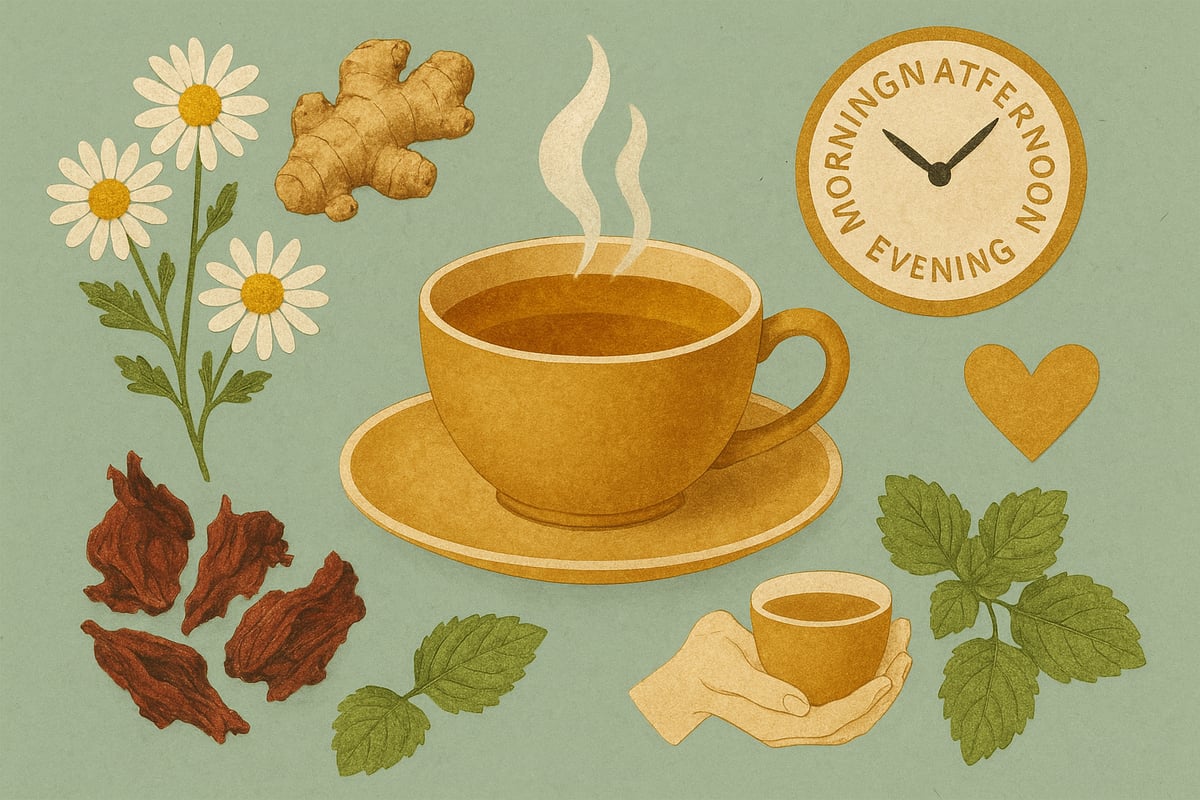
Bringing the benefit of herbal tea into your day is simpler than you might think. Whether you start your morning with a soothing cup or wind down in the evening with a calming blend, herbal teas offer flexibility for every routine.
Herbalists encourage choosing blends that align not only with personal taste but also with your current needs. For example, some people find a digestive tea after meals helpful, while others prefer a relaxing infusion before bed. The true benefit of herbal tea comes from using it with intention and tuning in to what your body needs.
Small daily rituals—like pausing to brew a cup and savouring each sip—can support mindfulness as well as wellbeing. Recent studies, such as those showing herbal tea consumption linked to lower cardiovascular risk, highlight how regular use fits into a broader approach to health.
Remember, experimenting with different herbs and blends can help you discover what works best for you. Herbal teas are supportive tools, not cures, and work best when combined with a balanced lifestyle and self-awareness. Natura Sacra’s thoughtful blends are designed to support these moments of wellbeing.
Discover Thoughtfully Crafted Herbal Teas with Natura Sacra
Finding a quality herbal tea can make the difference between a simple drink and a meaningful daily ritual. At Natura Sacra, each blend starts with the herbalist’s careful selection of organic plants, drawing on both traditional wisdom and current research.
Their small-batch teas are crafted to support real-life needs, from stress to sleep, gentle detox, mood, and overall wellbeing. The team prioritises sustainability and customer education, helping you understand the true benefit of herbal tea for your lifestyle.
If you are ready to explore the world of plant wisdom, discover Natura Sacra’s herbal tea collection and find blends that fit your daily wellbeing journey.
After learning about the many ways herbal teas can support your wellbeing—from digestion and sleep to mood and gentle detox—it’s only natural to want to explore these benefits for yourself. Whether you’re new to herbal rituals or looking to deepen your daily routine, choosing high quality blends crafted with intention makes all the difference. At Natura Sacra, we blend traditional herbal wisdom with modern research to create small batch teas designed for real results and everyday enjoyment. If you’re ready to discover how thoughtfully made herbal teas can fit into your life, take a look at our Herbal Teas crafted in small batches to support digestion, sleep, detox, emotional balance, and daily wellbeing.