Ontgrendel de voordelen van etherische lichaamsoliën met onze deskundige gids voor 2026. Ontdek veilig gebruik, plantonderzoek en tips voor natuurlijke wellness.
Gids voor Etherische Olie Lichaamsolie: Ontgrendel Natuurlijk Welzijn 2026

Ben je benieuwd hoe je dagelijkse wellnessrituelen voedzamer, aardser en natuurlijker kunnen aanvoelen? De wereld van essentiële olie lichaamsolie biedt een unieke weg naar holistisch welzijn, waarbij oude tradities worden vermengd met wetenschappelijk onderbouwde voordelen.
In deze gids onderzoeken we de krachtige synergie tussen traditionele kruidenwijsheid en de nieuwste onderzoeken, zodat onze klanten veilige, weloverwogen keuzes kunnen maken over de integratie van essentiële olie lichaamsolie in hun routines.
We bespreken wat essentiële olie lichaamsoliën zijn, hoe ze werken, de belangrijkste voordelen, veiligheid en EU-regelgeving, profielen van heldenplanten en stapsgewijze begeleiding bij het kiezen en gebruiken ervan. Klaar om een nieuw hoofdstuk in natuurlijke zelfzorg te ontsluiten?
Wat zijn essentiële olie lichaamsoliën?
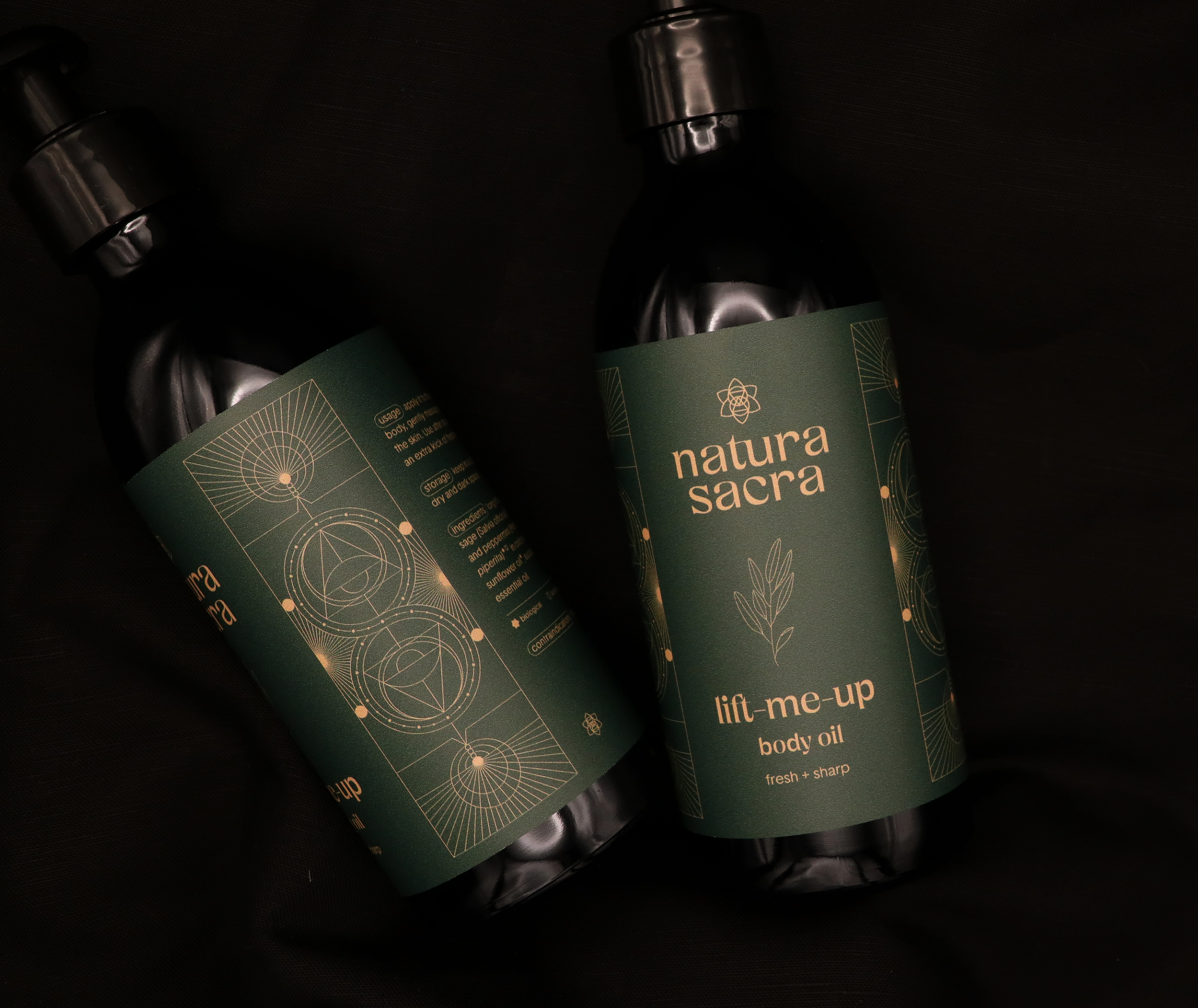
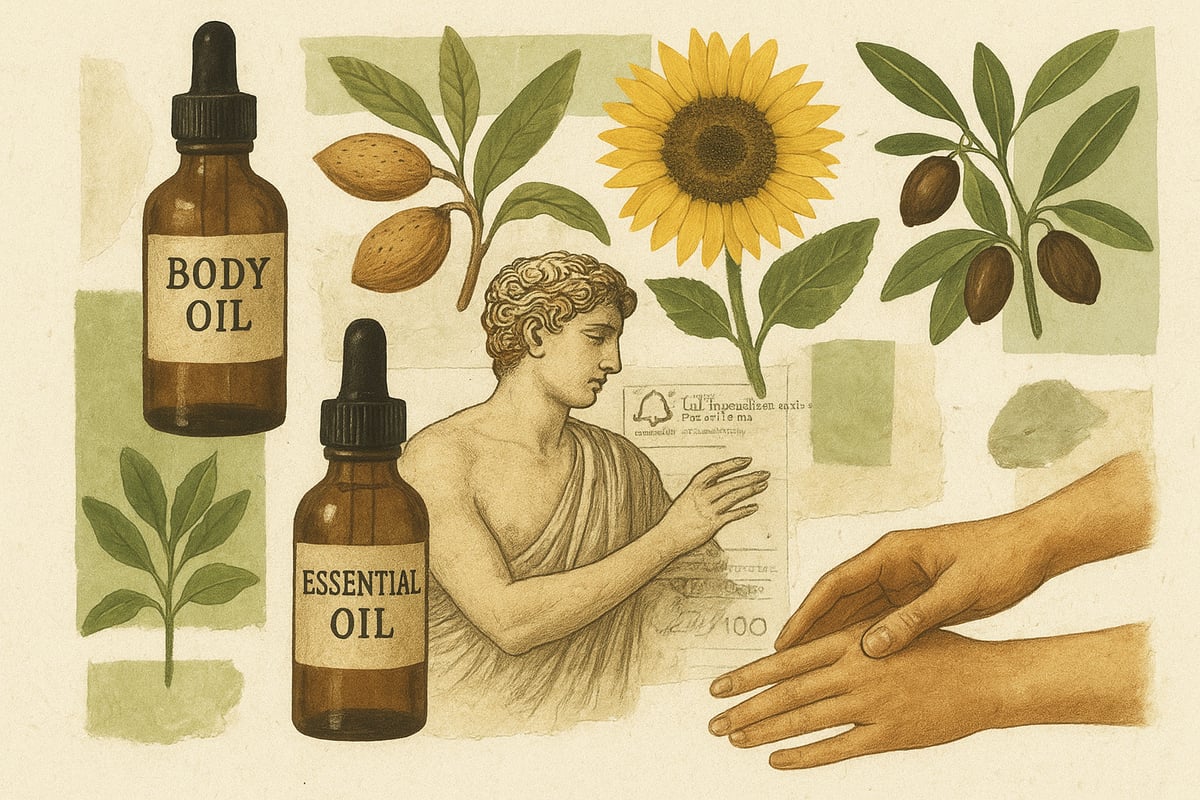
Essentiële olie lichaamsolie is een mengsel waarbij geconcentreerde plantenextracten—bekend als essentiële oliën— zorgvuldig worden verdund in voedende drageroliën zoals amandel, jojoba of zonnebloem. Dit creëert een zachte formule die is ontworpen voor directe toepassing op de huid, zodat u op een veilige manier kunt genieten van aromatische en therapeutische eigenschappen. In tegenstelling tot pure essentiële oliën, die zeer krachtig zijn en de huid kunnen irriteren, is essentiële olie lichaamsolie uitgebalanceerd voor topisch gebruik en dagelijkse rituelen.
De kunst van het gebruik van oliën op het lichaam heeft diepe wortels in veel culturen. In bijvoorbeeld het Middellandse Zeegebied masseerden de oude Grieken olijfolie geïnfuseerd met aromatische kruiden in hun huid, zowel voor ceremonies als voor dagelijkse verzorging. Deze traditionele praktijk van lichaamsoliegebruik duikt weer op in moderne wellnesskringen, wat een verlangen weerspiegelt naar meer holistische, zintuiglijke zelfzorg. Als u nieuwsgierig bent naar de oorsprong en evoluerende rituelen, onze helende kunst van lichaamsolie gids verkent deze traditie in detail.
Tegenwoordig wordt essentiële olie lichaamsolie geprezen om zijn veelzijdigheid. Het biedt huidvoeding, ondersteunt ontspanning door aromatherapie en voegt een mindful element toe aan persoonlijke rituelen. Veel mensen in de EU en EER wenden zich tot deze mengsels niet alleen voor hydratatie, maar ook om hun stemming te verbeteren, spierspanning te verlichten of rust in hun avondroutine te brengen.
De basis van elke kwalitatieve essentiële olie lichaamsolie is de dragerolie. Amandelolie is lichtgewicht en rijk aan vitamine E, waardoor het geschikt is voor de meeste huidtypes. Jojoba-olie lijkt sterk op onze natuurlijke huidoliën en biedt diepe hydratatie zonder de poriën te verstoppen. Zonnebloemolie is zacht en zit boordevol antioxidanten. Door deze te mengen met essentiële oliën, creëren we formules die zowel effectief als zacht zijn.
Recent onderzoek suggereert dat, mits correct verdund, bepaalde essentiële oliën kunnen helpen bij stressvermindering en huidgezondheid (PubMed, PubMed). Veiligheid is echter essentieel. In de EU moeten cosmetische producten die essentiële oliën bevatten, voldoen aan strenge voorschriften. Etiketten moeten alle ingrediënten, batchnummers en houdbaarheidsdata vermelden. Deze transparantie helpt ervoor te zorgen dat u een veilige, hoogwaardige essentiële olie lichaamsolie kiest voor uw zelfzorgrituelen.
We blijven toegewijd aan het combineren van traditie, onderzoek en EU-veiligheidsnormen in elk mengsel—waardoor u weloverwogen, bewuste keuzes kunt maken.
Voordelen van essentiële olie lichaamsoliën voor natuurlijke wellness
Essentiële olie lichaamsolie biedt meer dan alleen een geurig ritueel; het is een praktische toegangspoort tot natuurlijke wellness. Wanneer we plantenwijsheid combineren met modern onderzoek, worden de voordelen voor zowel lichaam als geest duidelijk.
Voedende huidgezondheid
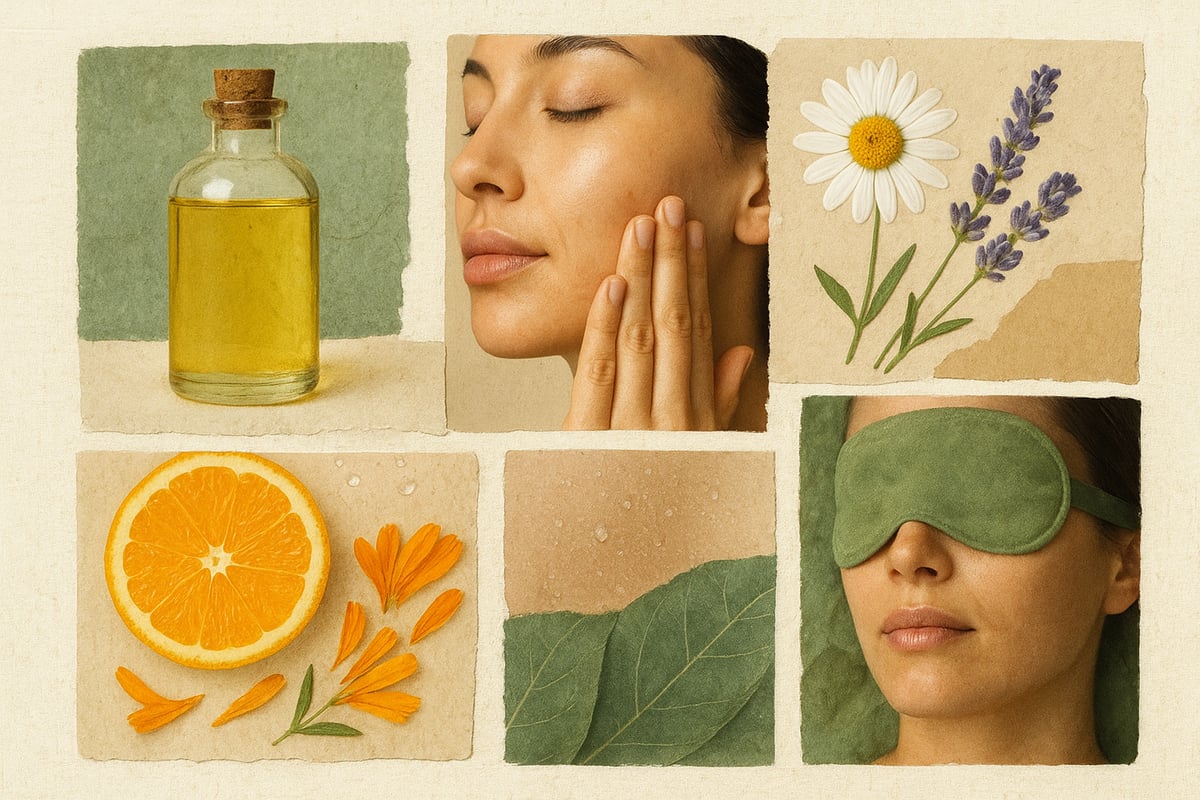
Essentiële olie lichaamsolie wordt traditioneel gebruikt om de huid te hydrateren, te beschermen en de natuurlijke barrière te ondersteunen. Oliën zoals amandel, jojoba en zonnebloem zijn rijk aan vitamines en vetzuren, wat helpt om vocht vast te houden. Lavendel en calendula, gewaardeerd in de Europese kruidengeneeskunde, worden vaak gemengd vanwege hun verzachtende effecten en huidcomfort (traditioneel gebruik). Moderne studies suggereren dat bepaalde essentiële oliën, indien verdund in een drager, kunnen helpen ontstekingen en oxidatieve stress op de huid te verminderen PubMed. Kies altijd mengsels die geschikt zijn voor uw huidtype en test deze eerst op een klein plekje voordat u ze uitgebreider gebruikt.
Stressvermindering en slaapondersteuning
Aromatherapie is een hoeksteen van essentiële olie lichaamsolierituelen. Het inhaleren van kalmerende oliën zoals lavendel en kamille tijdens een massage kan helpen de spanning na een lange dag te verlichten (traditioneel gebruik). Recent onderzoek wijst op het potentieel van lavendel om stress te verminderen en de slaapkwaliteit te verbeteren bij topische toepassing of inhalatie PubMed. Citrusoliën, zoals zoete sinaasappel, worden 's ochtends gebruikt om de stemming te verfrissen en te verhogen. Volgens een EU-enquête uit 2023 wendt meer dan 60% van de wellnessconsumenten zich tot lichaamsoliën voor stress- of slaapondersteuning. Voor gerichte mengsels, zie onze Stress en slaapcollectie voor evidence-based opties.
Hormonale balans, spierherstel en emotioneel welzijn
Essentiële olie lichaamsolie kan deel uitmaken van een holistische benadering van hormonale balans en spiercomfort. Scharlei wordt traditioneel gebruikt voor menstruatieklachten en stemmingsondersteuning, terwijl kamille en calendula helpen bij het verzachten van pijnlijke spieren na het sporten (traditioneel gebruik). Onderzoek suggereert dat scharlei de stemming en het menstruatiecomfort kan beïnvloeden, maar raadpleeg altijd een professional als u onderliggende aandoeningen heeft. Zelfmassagerituelen met deze oliën bevorderen mindfulness, aarding en emotionele veerkracht.
Veiligheid en praktische tips
Veilig gebruik van essentiële olie lichaamsolie betekent beginnen met een patchtest en productetiketten controleren op EU-conforme ingrediënten. Sommige oliën zijn niet geschikt tijdens de zwangerschap of bij bepaalde medicatie, dus professioneel advies is verstandig voor gevoelige groepen. Voor de beste resultaten kiest u biologische, in kleine hoeveelheden gemaakte mengsels en bewaart u ze uit de buurt van warmte en licht. Onze aanpak geeft prioriteit aan transparantie, veiligheid en educatie—zodat u kunt kiezen wat het beste bij uw lichaam en levensstijl past.
Heldenplanten & Essentiële Oliën: Culturele Wijsheid en Modern Onderzoek
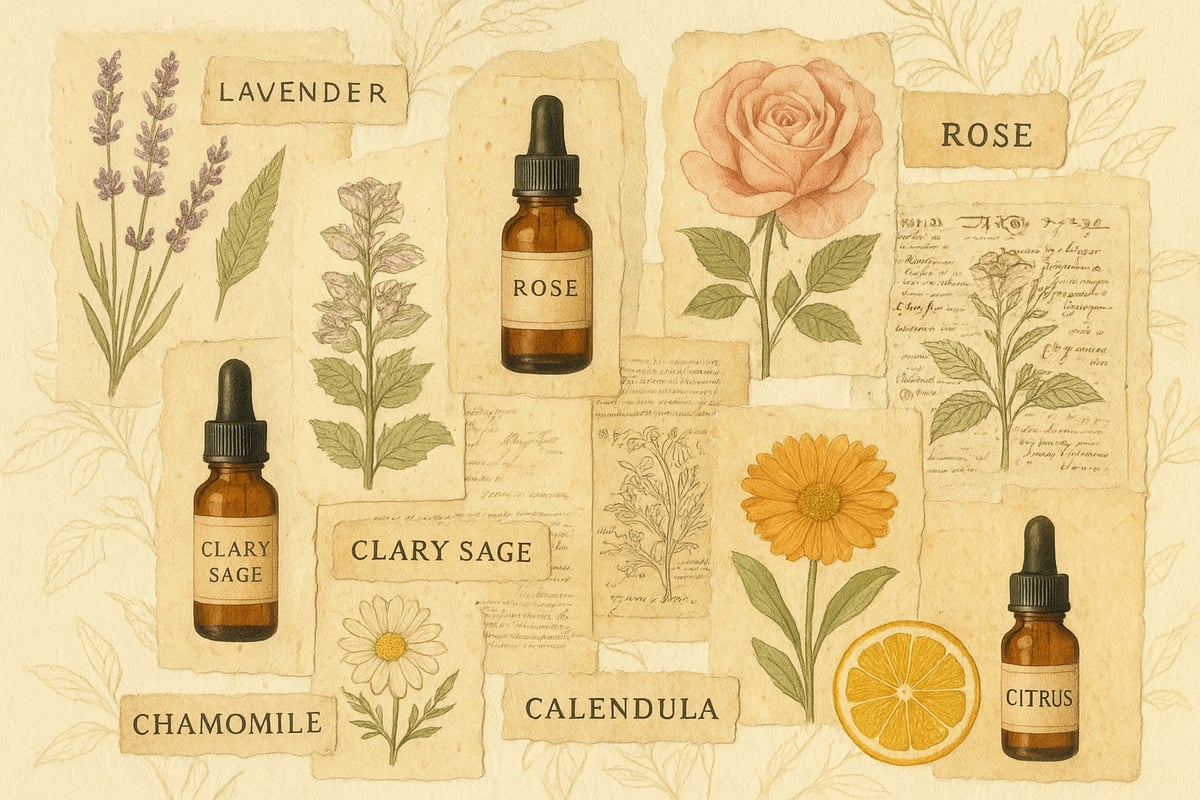
Heldenplanten vormen het hart van elke essentiële olie lichaamsolie en verbinden ons met eeuwenoude tradities en het huidige onderzoek. Elke plant heeft unieke voordelen, die bepalen hoe we natuurlijke wellness in de EU benaderen.
Lavendel
Lavendel heeft een lange traditie in Europese wellness, gebruikt voor kalmerende rituelen en het verzachten van de huid. De belangrijkste verbindingen linalool en linalylacetaat ondersteunen naar verluidt ontspanning. Onderzoek suggereert dat lavendel in essentiële olie lichaamsolie kan helpen de slaapkwaliteit te verbeteren en angst te verminderen bij topische toepassing of inhalatie. Voor dagelijks gebruik masseert u het voor het slapengaan in de nek of slapen. Sommige mensen kunnen huidirritatie ervaren, dus test altijd eerst op een klein plekje.
Roos
Roos symboliseert al eeuwenlang liefde, schoonheid en huidvitaliteit in mediterrane culturen. Traditioneel wordt rozenolie gebruikt in gezichts- en lichaamsoliën vanwege de voedende en opbeurende eigenschappen. Modern onderzoek wijst op het potentieel ervan om de huidbarrière te ondersteunen en de stemming te verbeteren. Een paar druppels rozenolie in uw lichaamsverzorgingsroutine kan een gevoel van zelfliefde en comfort bevorderen. Kies voor de gevoelige huid goed verdunde mengsels.
Scharlei
Scharlei wordt traditioneel gewaardeerd voor menstruatiecomfort en hormonale balans, vooral in heel Europa. De plant bevat sclareol, een verbinding waarvan wordt gedacht dat het een hormoonachtige activiteit beïnvloedt. Onderzoek suggereert dat scharlei de stemming en het menstruatieongemak kan ondersteunen wanneer het wordt opgenomen in mengsels van essentiële olie lichaamsolie. Het moet echter worden vermeden tijdens de zwangerschap en door mensen met hormoongevoelige aandoeningen.
Kamille
De zachte aard van kamille wordt in de volksgeneeskunde geroemd om het kalmeren van de huid en de zenuwen. Apigenine, de belangrijkste verbinding, wordt in verband gebracht met ontstekingsremmende en ontspannende effecten. Kamille essentiële olie lichaamsolie is ideaal voor de gevoelige huid, na blootstelling aan de zon, of als onderdeel van een avondlijk ontspanningsritueel. Mensen met ambrosia-allergieën moeten het voorzichtig gebruiken.
Calendula
Calendula heeft een rijke traditie in de Europese kruidengeneeskunde voor het verzachten van wonden en het ondersteunen van huidherstel. De triterpenoïden en flavonoïden staan bekend om het kalmeren van irritatie. Modern onderzoek benadrukt het potentieel van calendula voor het bevorderen van huidgenezing en emotionele balans. Voor meer informatie over de rol van calendula in essentiële olie lichaamsolie, zie ons gedetailleerde artikel over Calendula voor huid en stemming. Calendula wordt over het algemeen goed verdragen, maar controleer altijd eerst op allergieën.
Citrusoliën
Citrusoliën zoals zoete sinaasappel en bergamot worden gebruikt vanwege hun opbeurende aroma en traditie van het opvrolijken van de stemming. Limoneen, een belangrijke verbinding, wordt geassocieerd met stressvermindering en huidrevitalisering. Sommige citrusoliën kunnen echter fototoxische reacties veroorzaken als de huid wordt blootgesteld aan zonlicht, dus EU-etikettering vereist duidelijke waarschuwingen. Gebruik essentiële olie lichaamsolie op basis van citrusvruchten 's avonds of op bedekte gebieden voor de veiligheid.
Heldenplanten in essentiële olie lichaamsolie vormen een brug tussen aloude rituelen en moderne wetenschap. Door zowel traditie als onderzoek te begrijpen, kunt u mengsels kiezen die uw huid, stemming en welzijn eer aan doen. Wij zetten ons in voor veilige, geïnformeerde en transparante kruidenverzorging voor elk lichaam.
Hoe essentiële olie lichaamsoliën te gebruiken: Stapsgewijze rituelen
Het integreren van essentiële olie lichaamsolie in uw dagelijkse wellnessrituelen is zowel aardend als transformatief. Onze benadering combineert traditionele kruidenwijsheid met actuele EU-veiligheidsrichtlijnen, zodat u met vertrouwen en bewustzijn van deze oliën kunt genieten.
Stap 1: Patchtest en veiligheid eerst
Voordat u begint, moet u altijd een patchtest uitvoeren met de door u gekozen essentiële olie lichaamsolie. Breng een kleine hoeveelheid aan op de binnenkant van de onderarm en wacht 24 uur, waarbij u controleert op roodheid of irritatie. Dit is vooral belangrijk voor mensen met een gevoelige huid of allergieën. Onthoud dat bepaalde essentiële oliën niet geschikt zijn tijdens de zwangerschap of voor jonge kinderen. Voor de nieuwste EU-veiligheidsrichtlijnen voor essentiële oliën in lichaamsproducten, raadpleeg bronnen zoals de EDQM best practices voor veiligheidsbeoordeling.
Stap 2: Bereid uw ruimte voor
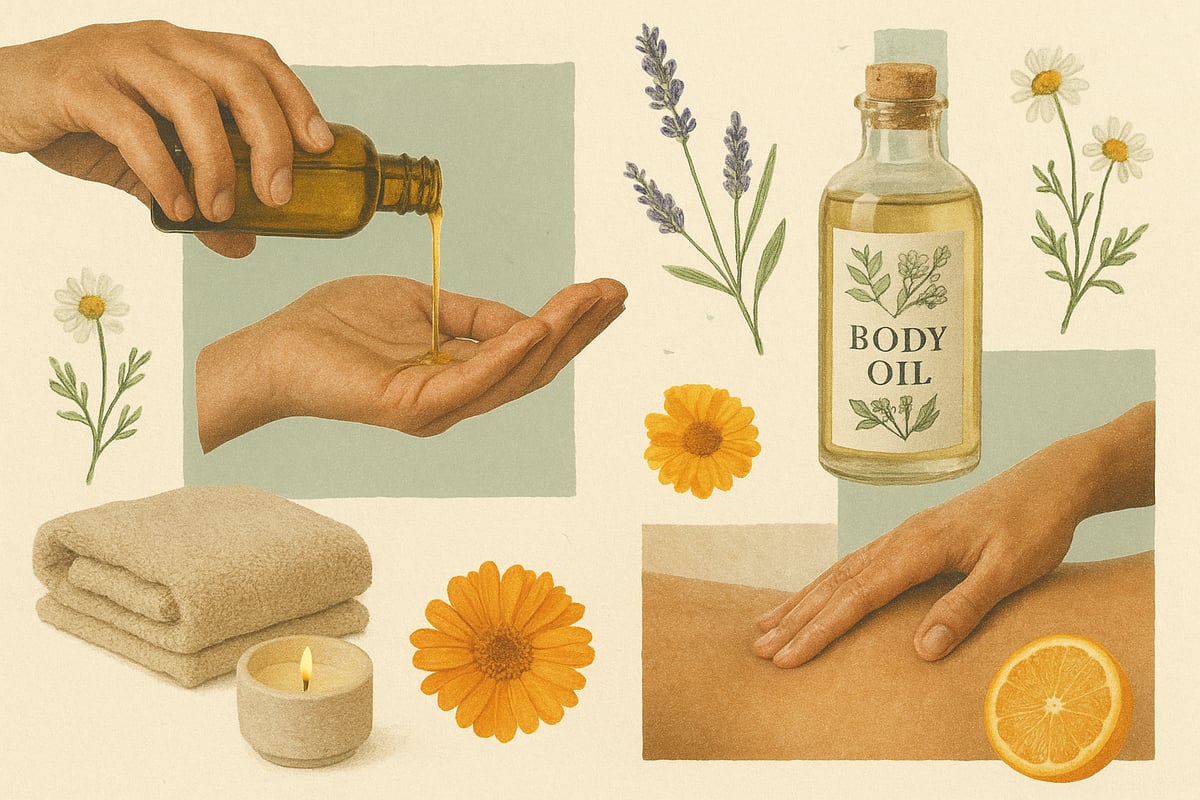
Creëer een rustgevende omgeving voor uw essentiële olie lichaamsolie ritueel. Verwarm uw kamer, dim de lichten en pak een zachte handdoek. Neem even de tijd om uw intentie te bepalen—of het nu ontspanning, huidvoeding of emotionele ondersteuning is. Deze bewuste voorbereiding kan de voordelen van uw praktijk vergroten.
Stap 3: Toepassingstechnieken
Giet een kleine hoeveelheid essentiële olie lichaamsolie (5–10 ml voor het hele lichaam, minder voor gerichte gebieden) in uw handen. Verwarm het zachtjes tussen uw handpalmen. Breng aan met lange, vloeiende streken op de ledematen en cirkelvormige bewegingen op gewrichten of de buik. Concentreer u op gebieden die extra zorg nodig hebben, zoals de nek, schouders of benen. Zelfmassage voedt niet alleen de huid, maar ondersteunt ook de bloedsomloop en ontspanning.
Stap 4: Laagjes en compatibiliteit
Essentiële olie lichaamsolie kan worden gelaagd met andere huidverzorgingsproducten. Breng aan na het douchen wanneer de huid nog licht vochtig is voor optimale absorptie. Als u serums of balsems gebruikt, breng dan eerst lichtere producten aan en sluit vervolgens af met olie. Laat elke laag absorberen voordat u naar de volgende gaat, zodat uw huid ten volle profiteert zonder vettig aan te voelen.
Stap 5: Timing en aromatherapie-integratie
Kies uw timing om aan te sluiten bij uw wellnessdoelen. Ochtendrituelen met citrus- of rozemarijnoliën kunnen opbeurend en verkwikkend zijn, terwijl avondmengsels zoals lavendel en kamille ideaal zijn om tot rust te komen. Integreer aromatherapie door de geur diep in te ademen terwijl u masseert—bewust ademen verhoogt zowel het zintuiglijke genot als de ontspanning. Benieuwd naar de wetenschap hierachter? Leer meer in Aromatherapie: Werken essentiële oliën echt?.
Stap 6: Praktisch voorbeeld—Avondontspanning
Voor een rustgevende nachtelijke routine masseert u essentiële olie lichaamsolie verrijkt met lavendel en kamille op uw borst, armen en benen. Volg met zachte rek- en strekoefeningen of rustige reflectie. Dit ritueel kan een gevoel van kalmte ondersteunen en uw lichaam voorbereiden op een rustgevende slaap, waarbij zowel traditioneel gebruik als wat onderzoek suggereert wordt benut.
Stap 7: Veiligheid en aanpassingen
Breng essentiële olie lichaamsolie nooit aan op slijmvliezen, ogen of open wonden. Pas routines aan voor zwangerschap, kinderen of chronische aandoeningen. Raadpleeg bij twijfel een zorgverlener. Bewaar uw oliën op een koele, donkere plaats en controleer altijd de houdbaarheidsdata voor de veiligheid.
Met doordachte stappen en aandacht voor detail kan essentiële olie lichaamsolie een voedend onderdeel worden van uw dagelijkse zelfzorg. Onze formuleringen zijn gemaakt met EU/EER-veiligheid en holistisch welzijn in gedachten, zodat u rituelen kunt creëren die u echt ondersteunen.
Veiligheid, kwaliteit en EU/EER-regelgeving
Het waarborgen van de veiligheid en kwaliteit van elke essentiële olie lichaamsolie die u gebruikt, is cruciaal voor zowel welzijn als gemoedsrust. In de EU/EER bestaan er strenge cosmetische voorschriften om consumenten te beschermen, dus weten waar u op moet letten kan u helpen producten te kiezen die uw welzijn ondersteunen en in lijn zijn met moderne normen.
Juiste verdunning is een essentieel veiligheidsprincipe voor elke essentiële olie lichaamsolie. Voor lichaamsgebruik liggen veilige concentraties doorgaans tussen 1% en 3%. Dit betekent dat slechts een kleine hoeveelheid pure essentiële olie wordt gemengd in een veel groter volume dragerolie, zoals amandel of jojoba. Verdunning beschermt de huidbarrière en minimaliseert het risico op irritatie of sensibilisatie, vooral voor mensen met een gevoelige huid of allergieën.
Sommige mensen moeten extra voorzichtig zijn. Als u zwanger bent, epilepsie, bepaalde huidaandoeningen heeft of regelmatig medicatie gebruikt, raadpleeg dan een zorgverlener voordat u essentiële olie lichaamsolie gebruikt. Zelfs natuurlijke ingrediënten kunnen interageren met gezondheidsproblemen of medicijnen, dus professioneel advies is in deze situaties altijd het beste.
Kwaliteitsvolle inkoop is net zo belangrijk als veiligheid. Kies essentiële olie lichaamsolieproducten gemaakt van biologische en traceerbare botanische producten. Dit ondersteunt niet alleen duurzaamheid, maar helpt ook de zuiverheid te garanderen en blootstelling aan pesticiden of synthetische additieven te minimaliseren. Vervuilde of synthetische oliën vormen een reëel risico op de markt en kunnen zowel de veiligheid als de effectiviteit ondermijnen. Tekenen van kwaliteit zijn onder meer duidelijke informatie over de herkomst, biologische certificering en transparante formuleringsdetails.
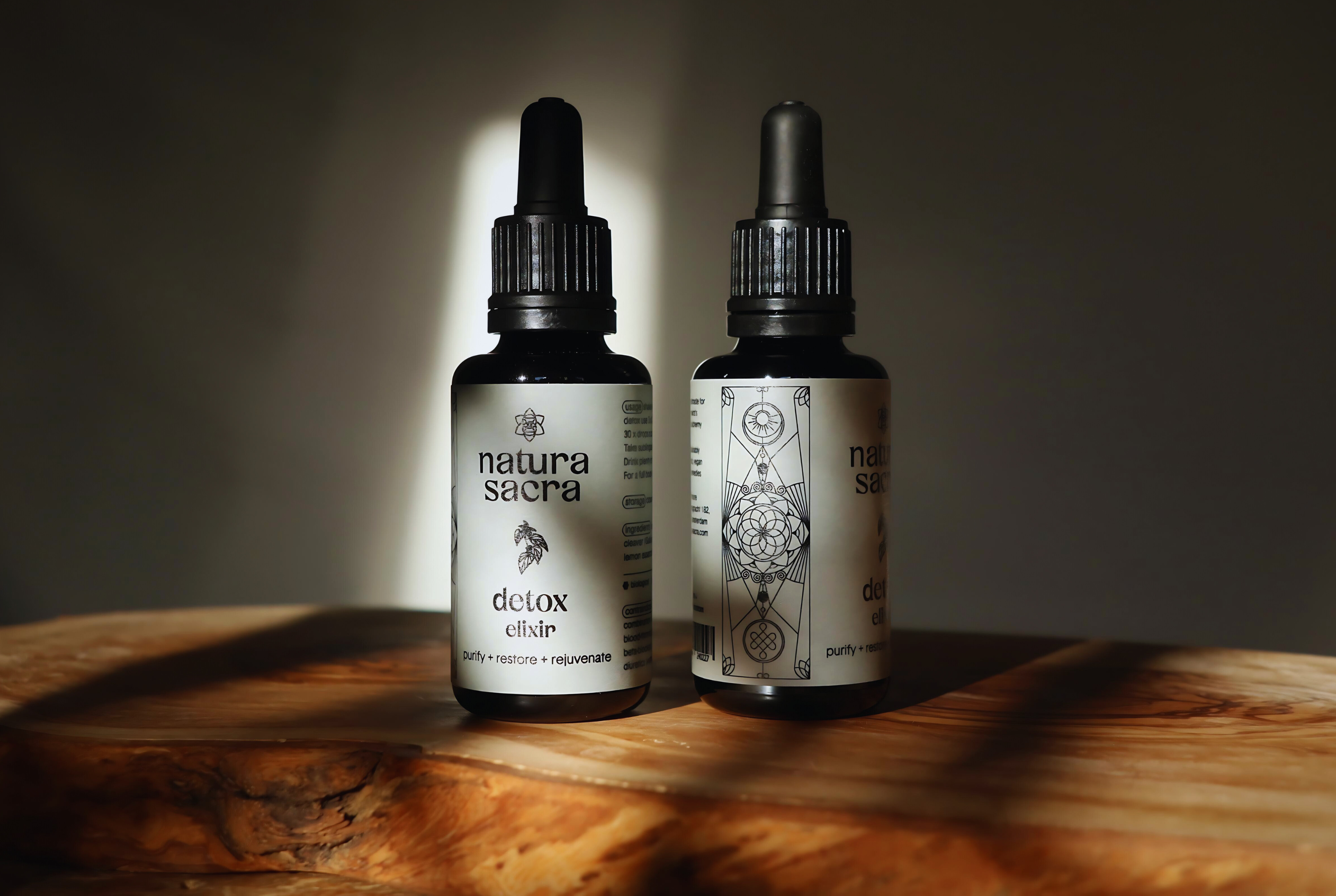
De manier waarop u uw essentiële olie lichaamsolie bewaart, is ook belangrijk. Bewaar oliën in violette of amberkleurige glazen flessen, uit de buurt van licht en warmte, om hun therapeutische eigenschappen te behouden. De meeste producten kunnen het beste binnen 6 tot 12 maanden na opening worden gebruikt.
Voor meer informatie over het veilig aanpassen van uw routine gedurende het jaar, biedt onze Gids voor seizoensgebonden huidrituelen praktisch advies voor elk seizoen.
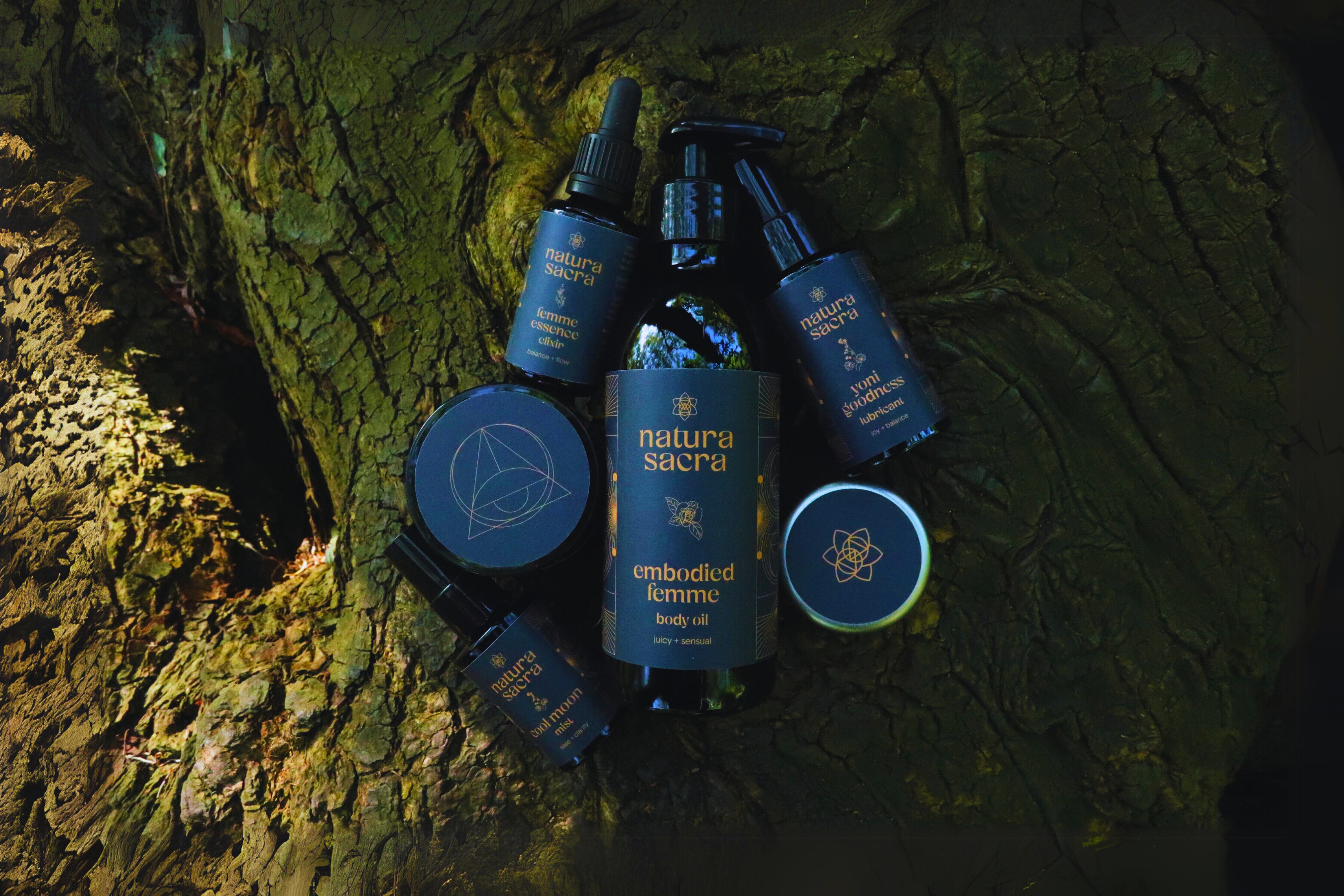
U heeft nu de basis om essentiële olie lichaamsoliën een zinvol onderdeel van uw dagelijkse routine te maken, door traditionele kruidenwijsheid te combineren met het nieuwste onderzoek voor echte, alledaagse voordelen. Als u nieuwsgierig bent om dit in de praktijk te brengen – of u nu uw huid wilt voeden, spierspanning wilt verlichten of gewoon een kalmerend ritueel wilt toevoegen – laten we dan samen de volgende stap zetten. We hebben een collectie samengesteld die is ontworpen om uw algehele welzijn te ondersteunen, met behulp van biologische botanische producten en op bewijs gebaseerde mengsels. Als u klaar bent om te ontdekken welke oliën het beste bij u passen, Ontdek onze collectie lichaamsoliën en glijmiddelen kruidenlichaamsverzorging, gemaakt om de huid te voeden, spierspanning te verlichten en intiem welzijn te ondersteunen.