Ontdek 7 krachtige kruiden voor hormoonbalans met evidence-based richtlijnen over traditionele toepassingen, onderzoeksresultaten en veilige dagelijkse integratie voor welzijn.
7 krachtige kruiden voor hormoonbalans in 2026

Meer mensen dan ooit wenden zich tot natuurlijke oplossingen voor hormonale balans. We zien deze verschuiving in gesprekken op kruidenmarkten, online forums en onder mensen die zachte, evidence-based ondersteuning zoeken voor welzijn op elke leeftijd.
Hormonale onevenwichtigheden kunnen frustratie en onzekerheid met zich meebrengen, maar oude plantenwijsheid en modern onderzoek bieden reële hoop. Onze aanpak? Het verkennen van kruiden voor hormonale balans die cultureel geworteld zijn en wetenschappelijk worden ondersteund, altijd met respect voor de natuurlijke ritmes van het lichaam.
In deze gids introduceren we zeven van onze favoriete kruidenbondgenoten, delen we hun traditionele toepassingen, wat onderzoek suggereert en praktische manieren om ze in je dagelijkse rituelen te verweven. Laten we ontdekken hoe bewuste experimenten met deze planten je kunnen helpen om zachtjes en wijs de regie over je hormonale gezondheid te nemen.
Hormonale onbalans begrijpen: oorzaken & symptomen
Hormonale gezondheid is de kern van ons welzijn, maar velen van ons merken subtiele of dramatische verschuivingen op naarmate we door verschillende levensfasen gaan. In onze moderne Europese context helpt het begrijpen van wat dit evenwicht verstoort – en hoe de signalen te herkennen – ons de juiste ondersteuning te kiezen. Laten we de belangrijkste oorzaken, belangrijke symptomen en waarom velen zich wenden tot kruiden voor hormonale balans als een zachte, holistische oplossing, verkennen.
Veelvoorkomende oorzaken van hormonale verstoring
Hormonale onbalans kan vaak worden herleid tot een mix van levensstijl- en omgevingsfactoren. Stressvolle werkschema's, onregelmatige slaap, bewerkte diëten en blootstelling aan omgevingsgifstoffen spelen allemaal een rol. In de EU zijn we ons steeds meer bewust van de impact van hormoonontregelende stoffen die worden aangetroffen in voedsel, verpakkingen en zelfs drinkwater. Nieuwe EU-regelgeving inzake hormoonontregelende stoffen weerspiegelt de urgentie van dit probleem voor de volksgezondheid.
Levensovergangen, zoals puberteit, menstruatie, zwangerschap, menopauze of andropauze, kunnen hormoonpatronen op natuurlijke wijze veranderen. Chronische ontsteking, bloedsuikerschommelingen, metabolische problemen en genetische aanleg kunnen nog een laag van complexiteit toevoegen. Voor velen bieden kruiden voor hormonale balans een manier om het lichaam zachtjes te ondersteunen bij deze uitdagingen.
Belangrijke symptomen om op te letten
Hormonale onevenwichtigheden kunnen op vele manieren tot uiting komen, vaak variërend per leeftijd en geslacht. Veelvoorkomende waarschuwingssignalen zijn onregelmatige menstruatiecycli, PMS of vruchtbaarheidsproblemen. Anderen merken misschien stemmingswisselingen, angst, aanhoudende vermoeidheid of slaapproblemen op.
Fysieke symptomen kunnen net zo veelzeggend zijn: gewichtsveranderingen, huidproblemen, dunner wordend haar, spijsverteringsongemakken of ongebruikelijke trek. Bij mannen kunnen deze zich uiten als energiedips of veranderingen in het libido; bij vrouwen als verschuivende cycli of opvliegers. Het herkennen van deze patronen is de eerste stap naar het vinden van kruiden voor hormonale balans die aan jouw behoeften voldoen.
| Symptoomtype | Voorbeelden |
|---|---|
| Emotioneel | Angst, stemmingswisselingen, lage energie |
| Fysiek | Onregelmatige cycli, huidveranderingen |
| Spijsvertering | Opgeblazen gevoel, trek, veranderingen in de darmen |
Waarom kruiden? Het holistische perspectief
Kruiden voor hormonale balans worden al eeuwenlang vertrouwd in Europese en mondiale tradities. Veel van deze planten werken met de ritmes van ons lichaam en bieden adaptogene, fyto-oestrogene of ontstekingsremmende effecten. Moderne studies suggereren dat kruiden zachte, meervoudige ondersteuning kunnen bieden zonder de hardheid van farmaceutische middelen.
Een holistische benadering betekent verder kijken dan snelle oplossingen. Kruiden voor hormonale balans zijn het meest effectief in combinatie met bewuste voeding, stressmanagement en regelmatige beweging. Als kruidenkundigen zien we deze planten als onderdeel van een bredere toolkit voor langdurig hormonaal welzijn.
7 krachtige kruiden voor hormonale balans in 2026
In heel Europa wenden steeds meer mensen zich tot kruiden voor hormonale balans als onderdeel van een holistische strategie voor welzijn. We hebben deze zeven planten gekozen op basis van hun culturele wortels, veiligheidsdossier, wetenschappelijke onderbouwing en veelzijdigheid gedurende verschillende levensfasen. Door de traditionele context en wat modern onderzoek suggereert te begrijpen, kun je weloverwogen, zachte keuzes maken die je dagelijkse rituelen aanvullen.
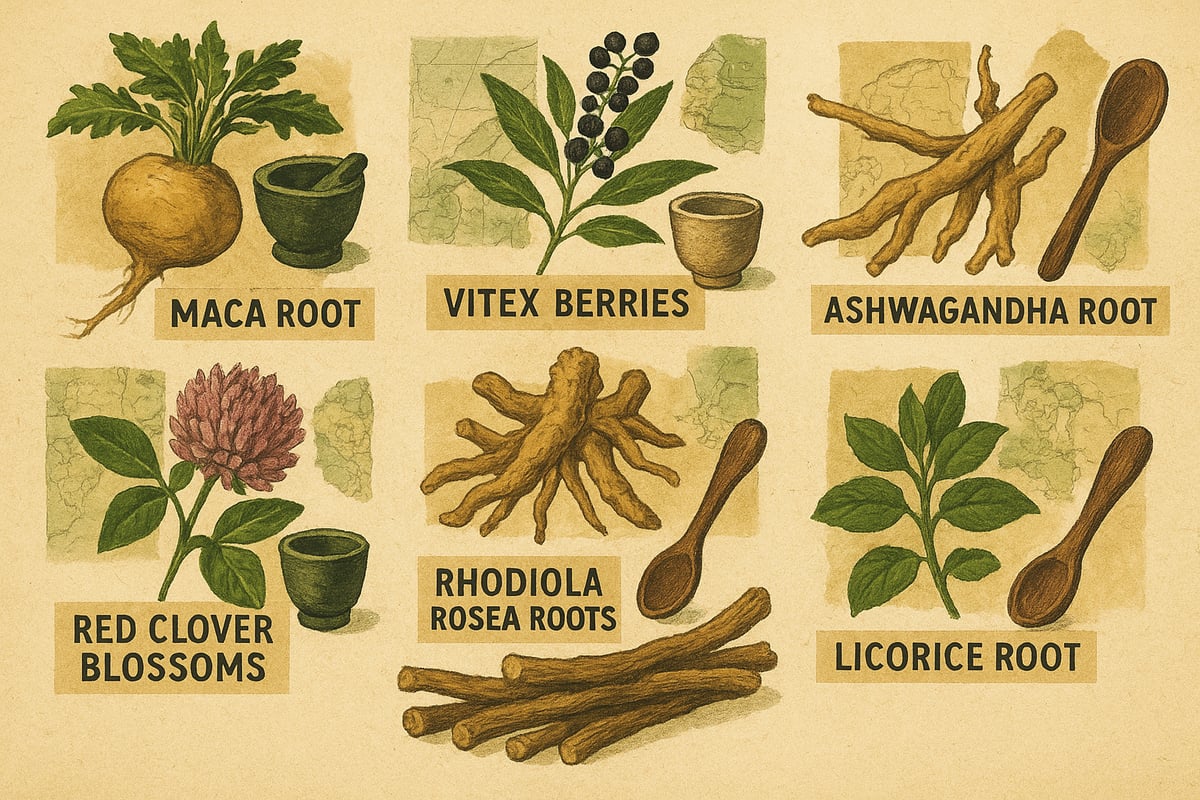
1. Maca wortel (Lepidium meyenii)
Macawortel wordt al eeuwenlang gewaardeerd in de Andes, traditioneel gebruikt om uithoudingsvermogen, stemming en reproductieve vitaliteit te stimuleren. Deze voedzame knol bevat unieke verbindingen genaamd macamiden en glucosinolaten die vermoedelijk het endocriene systeem ondersteunen.
Onderzoek suggereert dat maca menopauzale ongemakken kan verlichten, de stemming kan verbeteren en het libido kan verhogen, vooral voor degenen die natuurlijke kruiden voor hormonale balans zoeken (zie onderzoek). We raden aan om te beginnen met 1 tot 3 g per dag, het poeder te mengen in smoothies of pap voor gemakkelijke integratie.
Maca wordt over het algemeen goed verdragen, maar mensen met schildklieraandoeningen moeten het voorzichtig gebruiken vanwege het glucosinolatengehalte. Luister altijd naar je lichaam en raadpleeg een arts als je twijfelt.
2. Vitex Agnus-Castus (Monnikspeper)
In de mediterrane kruidengeneeskunde heeft monnikspeper (Vitex) een lange reputatie voor het bevorderen van menstruele harmonie en vruchtbaarheid. Traditioneel wordt het gebruikt om balans te brengen tijdens PMS en onregelmatige cycli.
De primaire werking is het moduleren van de signalen van de hypofyse, waardoor de progesteronniveaus zachtjes worden ondersteund. Moderne studies suggereren dat Vitex PMS-symptomen kan verminderen en kan helpen bij het reguleren van menstruatiecycli, waardoor het een van de meest gerespecteerde kruiden voor hormonale balans is (zie onderzoek).
Voor praktisch gebruik is een tinctuur of capsule 's ochtends het meest effectief. Vermijd Vitex als je hormonale anticonceptie gebruikt of zwanger bent, aangezien het de hormonale regulatie kan verstoren.
3. Ashwagandha (Withania somnifera)
Ashwagandha is een hoeksteen van de Ayurvedische traditie, gekoesterd voor het opbouwen van veerkracht, het kalmeren van stress en het ondersteunen van de algehele vitaliteit. Het bevat withanoliden, natuurlijke verbindingen waarvan wordt aangenomen dat ze het lichaam helpen zich aan te passen aan fysieke en emotionele stress.
Huidig onderzoek suggereert dat Ashwagandha cortisol kan verlagen en kan helpen bij het verminderen van stressgerelateerde hormoonverstoring, wat vooral relevant is voor mensen die kruiden voor hormonale balans verkennen (PubMed link).
Het wordt meestal ingenomen als poeder of in capsules, vaak 's avonds om ontspanning te ondersteunen. Het is echter niet geschikt tijdens de zwangerschap of voor mensen met bepaalde schildklieraandoeningen of auto-immuunziekten, dus raadpleeg altijd een zorgverlener.
4. Rode klaver (Trifolium pratense)
Rode klaver is een klassieker in de Europese volksgeneeskunde, traditioneel gebrouwen als thee om vrouwen tijdens de menopauze te ondersteunen. De belangrijkste kracht ligt in de isoflavonen, die werken als zachte fyto-oestrogenen.
Onderzoek suggereert dat deze verbindingen opvliegers kunnen verminderen en kunnen helpen bij het handhaven van de botgezondheid, waardoor rode klaver een gewaardeerde aanvulling is onder de kruiden voor hormonale balans (PubMed link, link).
Geniet ervan als kruidenthee of als gestandaardiseerd extract. Mensen met oestrogeengevoelige aandoeningen of die anticoagulantia gebruiken, moeten rode klaver vermijden, aangezien het kan interageren met deze medicijnen.
5. Rhodiola Rosea
Deze winterharde adaptogeen heeft wortels in Scandinavische en Russische kruidentradities, waar het al eeuwenlang wordt gebruikt om energie, stemming en stressbestendigheid te verbeteren. Rhodiola's actieve verbindingen, rosavinen en salidroside, zouden de stressrespons van het lichaam ondersteunen.
Moderne studies suggereren dat Rhodiola vermoeidheid kan verbeteren en kan helpen bij het reguleren van stresshormonen, ter ondersteuning van degenen die vertrouwen op kruiden voor hormonale balans (PubMed link).
Het wordt vaak ingenomen als capsule of tinctuur, het beste 's ochtends om elke impact op de slaap te voorkomen. Vermijd Rhodiola als je onbehandelde hoge bloeddruk hebt of gevoelig bent voor stimulerende middelen.
6. Heilige Basilicum (Tulsi, Ocimum sanctum)
Heilige Basilicum, of Tulsi, wordt vereerd in de Ayurveda en komt ook voor in de mediterrane volksgeneeskunde. Traditioneel wordt het gebruikt vanwege zijn kalmerende en opwekkende eigenschappen, waarvan wordt aangenomen dat ze zowel de bijnieren als het endocriene systeem ondersteunen.
Onderzoek suggereert dat Heilige Basilicum cortisol kan verlagen en het emotionele welzijn kan verbeteren, waardoor het een zachte bondgenoot is onder de kruiden voor hormonale balans (PubMed link).
Infundeer het als thee of neem het in capsulevorm. Wees voorzichtig als je zwanger bent of anticoagulantia gebruikt, aangezien effecten op de bloedstolling mogelijk zijn.
7. Zoethoutwortel (Glycyrrhiza glabra)
Zoethoutwortel komt voor in zowel Europese als Aziatische tradities, gewaardeerd om zijn vitaliserende effecten en ondersteuning van de bijniergezondheid. Het is rijk aan glycyrrhizine en flavonoïden, die de stressrespons en androgeeniveaus kunnen moduleren.
Onderzoek suggereert dat zoethout de bijnierfunctie kan ondersteunen en kan helpen bij het balanceren van androgeenhormonen, vooral voor degenen die kruiden voor hormonale balans overwegen (PubMed link).
Geniet ervan als thee, of kies voor DGL-supplementen (ontglacyrrhizineerd zoethout) voor langer gebruik. Zoethout moet worden vermeden als je hoge bloeddruk, nierziekte hebt of zwanger bent.
Het verkennen van deze aloude kruiden voor hormonale balans kan je helpen verbinding te maken met zowel traditie als wetenschap. Als je geïnteresseerd bent in praktische, zachte melanges, biedt onze collectie Vrouwenwelzijn en Hormonale Balans zorgvuldig samengestelde opties om je reis te ondersteunen.
Hoe hormoonbalancerende kruiden te integreren in dagelijkse rituelen
Het integreren van kruiden voor hormonale balans in dagelijkse routines kan zowel stimulerend als toegankelijk aanvoelen. Het begint met het begrijpen van je lichaam, het herkennen van je unieke behoeften en het nemen van kleine, bewuste stappen. Onze aanpak is geworteld in bewijs, traditie en praktische wijsheid.
De juiste kruiden kiezen voor jouw behoeften
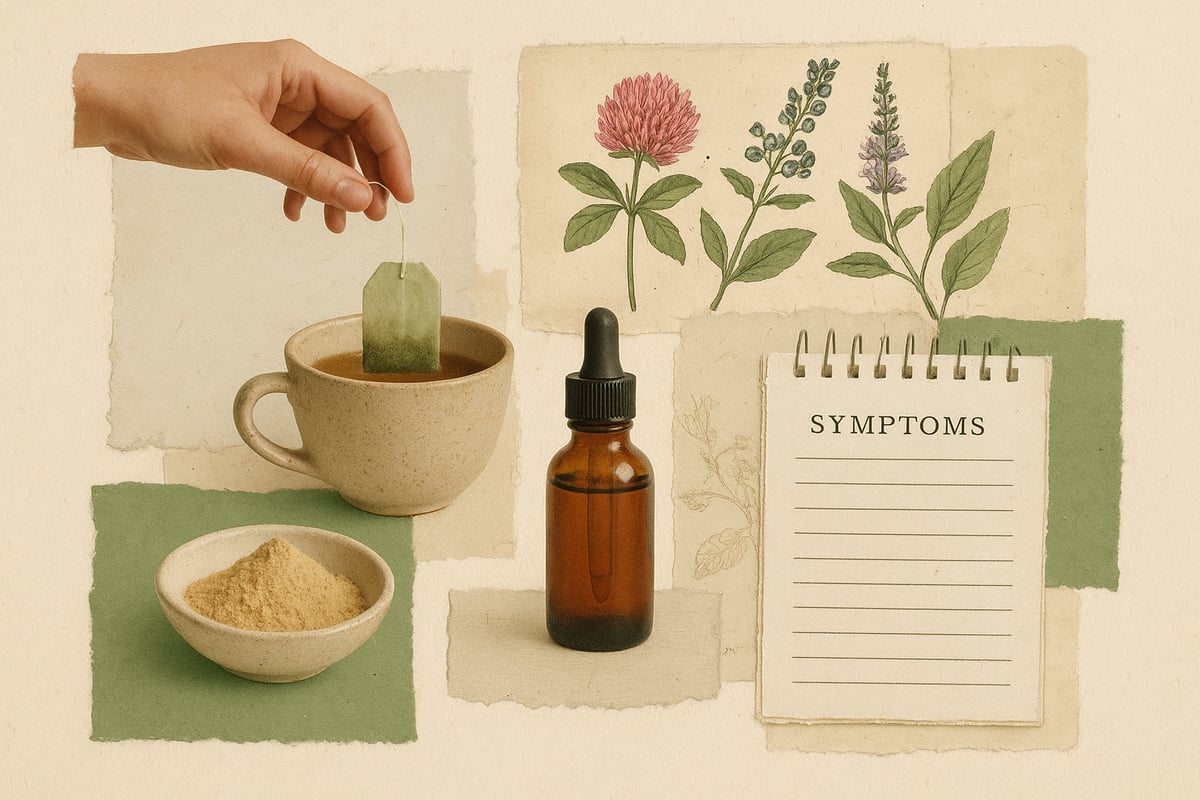
Het selecteren van kruiden voor hormonale balans is het meest effectief wanneer het wordt geleid door je huidige symptomen, levensfase en constitutie. Begin met het bijhouden van patronen – merk je onregelmatige cycli, stemmingswisselingen of aanhoudende vermoeidheid? Deze aanwijzingen helpen je om de juiste kruidenbondgenoot te vinden.
Overweeg een gekwalificeerde kruidenkundige of zorgverlener te raadplegen, vooral als je medicatie gebruikt of aanhoudende gezondheidsproblemen hebt. Iemand die bijvoorbeeld PMS ervaart, kan beginnen met Vitex Agnus-Castus, terwijl degenen die de menopauze doormaken rode klaver of macawortel kunnen verkennen. We raden aan een plantaardige benadering van hormonen te verkennen voor een breder begrip van deze zachte opties.
Een eenvoudige tabel kan het proces verduidelijken:
| Symptoom/Scenario | Voorbeeldkruid |
|---|---|
| PMS, onregelmatigheid | Vitex Agnus-Castus |
| Menopauze | Rode klaver, macawortel |
| Stress, vermoeidheid | Ashwagandha, Rhodiola |
| Emotionele schommelingen | Heilige Basilicum, Zoethout |
Gebruiksmethoden: Theeën, tincturen, capsules en culinair
Kruiden voor hormonale balans kunnen in verschillende vormen in routines worden geweven, elk met zijn eigen voordelen. Kruidentheeën en infusies zijn zacht en traditioneel, en nodigen uit tot een dagelijks ritueel van pauze en reflectie. Tincturen bieden een geconcentreerde, snelwerkende optie, vaak gekozen vanwege hun gemak en precieze dosering.
Capsules zijn ideaal voor mensen die de voorkeur geven aan eenvoud of vaak reizen, en zorgen voor consistentie. Culinair gebruik wint aan populariteit – denk aan maca gemengd in ontbijtpap of tulsiblaadjes getrokken in je middagthee. Experimenteer ook met timings, want sommige kruiden werken het beste 's ochtends, terwijl andere geschikter zijn voor de avond.
- Kruidentheeën: Rode klaver, Heilige Basilicum
- Tincturen: Vitex Agnus-Castus, Rhodiola
- Capsules: Maca, Ashwagandha
- Culinair: Maca poeder, Tulsiblaadjes
Veiligheid, dosering en voortgang bewaken
Bij het introduceren van kruiden voor hormonale balans, begin met een lage dosis en verhoog langzaam terwijl je de reactie van je lichaam observeert. Houd een eenvoudig dagboek bij om symptomen, cycli en stemmingswisselingen te volgen – deze feedback is van onschatbare waarde voor het afstemmen van je aanpak.
Controleer altijd mogelijke interacties met medicatie, onderliggende gezondheidsproblemen of zwangerschap. Voor de meeste mensen zijn kruiden veilig wanneer ze zorgvuldig worden gebruikt, maar Europese veiligheidsnormen adviseren om een professional te raadplegen als je aanhoudende symptomen hebt of meerdere remedies combineert.
- Begin laag, ga langzaam
- Bewaak wekelijkse veranderingen
- Pauzeer en zoek begeleiding als nieuwe symptomen optreden
Door deze principes in je dagelijks leven te verweven, kun je hormonale balans met vertrouwen, nieuwsgierigheid en zorg benaderen. Ons assortiment kruidenmengsels is ontworpen om je te ondersteunen bij deze zachte, bewuste rituelen.
Natura Sacra: Geworteld in Kruidenwijsheid voor Hormonaal Welzijn
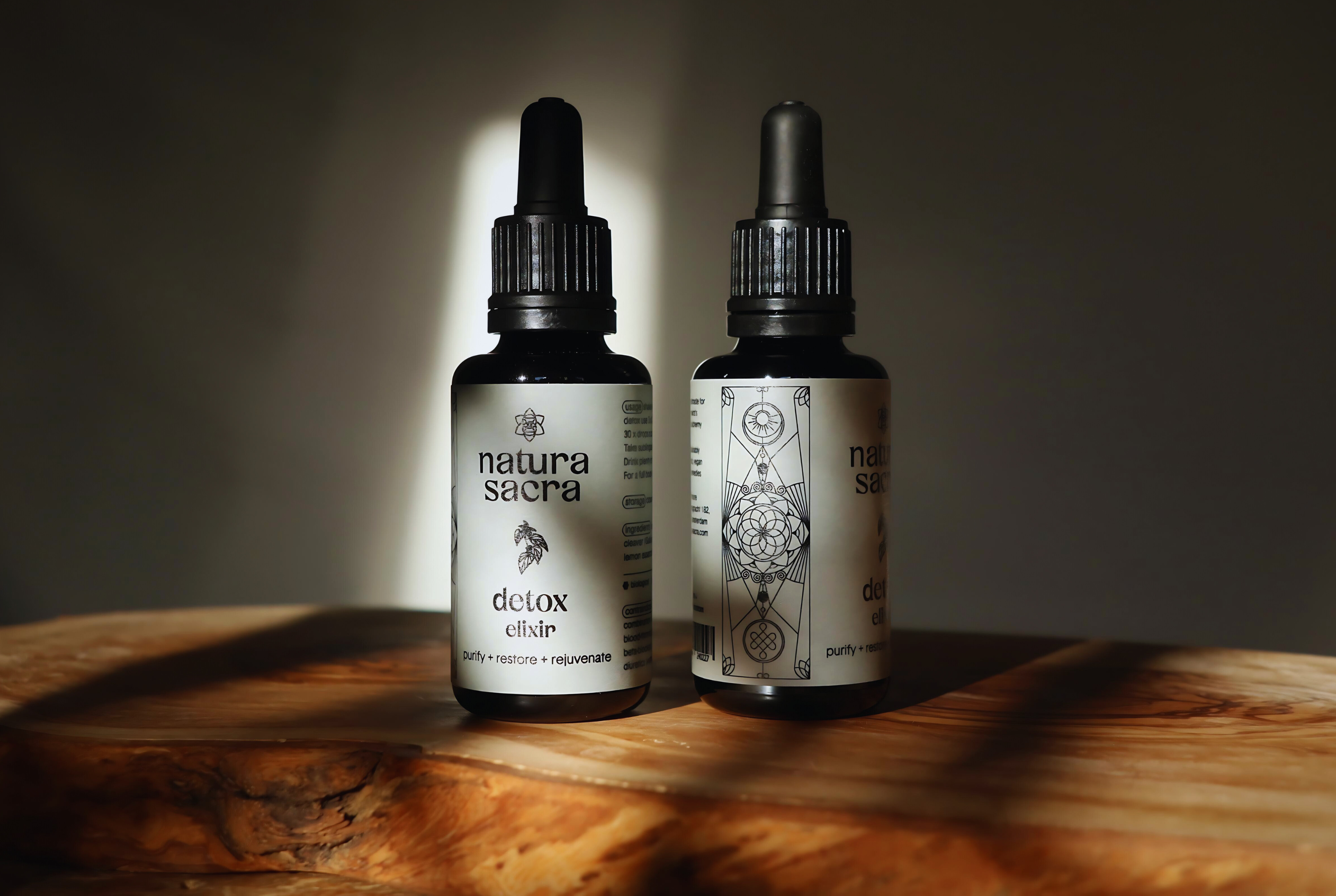
Bij Natura Sacra is het onze missie om onze klanten opnieuw te verbinden met veilige, effectieve kruiden voor hormonale balans door een mix van traditie en modern onderzoek. Wij geloven in het toegankelijk maken van plantenwijsheid, het creëren van biologische, kleine batch remedies die de seizoenen en de verhalen achter elk kruid respecteren.
Elk mengsel is met zorg ontworpen, met gebruikmaking van alleen ingrediënten die in onze tuinen worden gekweekt of afkomstig zijn van vertrouwde lokale telers. Wij geven prioriteit aan transparantie en duurzaamheid, en bieden educatie en begeleiding zodat je met vertrouwen de juiste kruiden voor hormonale balans kunt kiezen in elke levensfase.
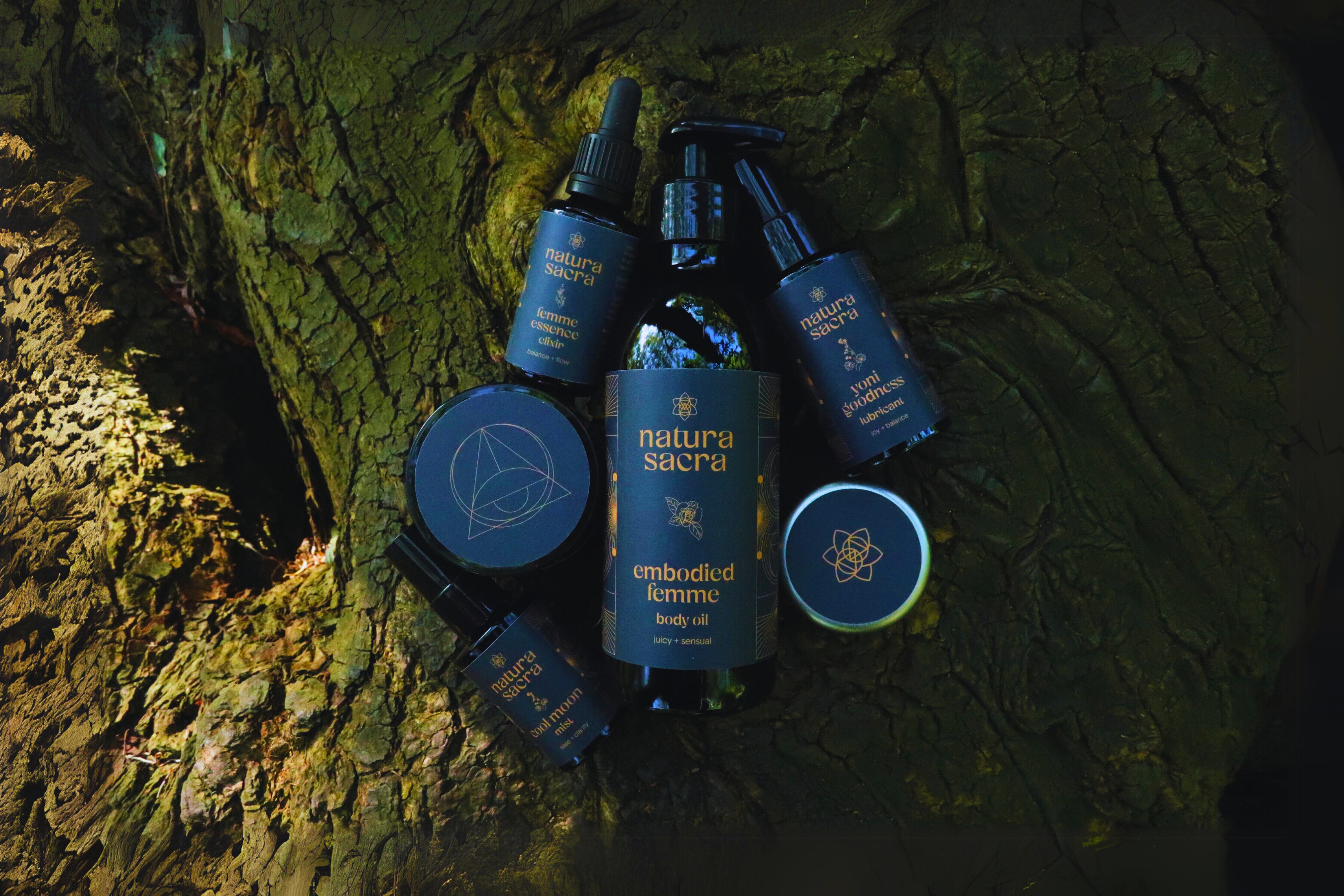
Onze collectie Vrouwenwelzijn omvat theeën, elixers en oliën om je dagelijkse rituelen te ondersteunen. Nieuwsgierig naar specifieke kruiden? Ontdek meer over Vrouwenmantel, een aloude bondgenoot voor de gezondheid van vrouwen, in ons artikel Vrouwenmantel voor Vrouwenwelzijn. We nodigen je uit om zachte, praktische manieren te verkennen om welzijn met ons te koesteren.
Levensstijlfundamenten voor duurzame hormonale gezondheid
Balans vinden gaat over meer dan alleen kruiden voor hormonale balans. Ons lichaam gedijt wanneer het wordt ondersteund door dagelijkse gewoonten die voeden, herstellen en beschermen. Kleine veranderingen in wat we eten, hoe we bewegen en onze routines kunnen een groot verschil maken in hoe kruiden voor hormonale balans voor ons werken. Laten we de fundamenten verkennen die deze plantenbondgenoten echt laten stralen.
Voeding en bloedsuikerbalans
Je lichaam voeden met hele voedingsmiddelen is een hoeksteen voor kruiden voor hormonale balans. Geef prioriteit aan kleurrijke groenten, volle granen, noten, zaden en gezonde vetten om de bloedsuikerspiegel te stabiliseren en ontstekingen te verminderen. Het beperken van sterk bewerkte voedingsmiddelen en suikers helpt je endocriene systeem te beschermen tegen dagelijkse stress.
Omgevingsfactoren zijn ook belangrijk. Recente rapporten wijzen op bezorgdheid over hormoonontregelende stoffen in Europees drinkwater, waardoor het nog belangrijker is om waar mogelijk biologisch te kiezen en de ontgiftingsroutes van je lever te ondersteunen. Voor praktische manieren om hormoonvriendelijke ontgifting te ondersteunen, zie onze gids over De Lever-Hormoon Verbinding.
Stress, slaap en beweging
Chronische stress is een van de grootste verstoorders van onze hormoonritmes en werkt vaak de voordelen van kruiden voor hormonale balans tegen. Dagelijkse rituelen rondom slaap – zoals afschakelen met kruidenthee – helpen de circadiane balans te herstellen. Regelmatige beweging, zoals zachte yoga, wandelen of dansen in de buitenlucht, stimuleert een natuurlijke hormoonstroom.
Mind-body oefeningen zoals ademhalingsoefeningen, meditatie of zelfs bewust stretchen kunnen helpen de effecten van stress te bufferen. Het prioriteren van rust en vreugdevolle activiteit ondersteunt de herstelprocessen van je lichaam, waardoor zowel levensstijl als kruiden voor hormonale balans in harmonie kunnen werken.
Wanneer professionele begeleiding zoeken
Soms wijzen aanhoudende of complexe symptomen erop dat het tijd is om deskundig advies in te winnen. Als je zwanger bent, borstvoeding geeft, chronische gezondheidsproblemen hebt of medicatie gebruikt, raadpleeg dan een gekwalificeerde kruidenkundige of integratieve arts voordat je begint met kruiden voor hormonale balans.
Het bijhouden van je symptomen en cycli kan nuttig zijn, maar aarzel nooit om contact op te nemen als dingen overweldigend aanvoelen. EU/EER-artsen zijn opgeleid om zowel plantaardige remedies als conventionele zorg te overwegen, zodat kruiden voor hormonale balans veilig worden verweven in jouw unieke gezondheidsreis.
Na het verkennen van deze zeven kruiden en hun unieke rol in het ondersteunen van hormonale balans, vraag je je misschien af hoe je ze in je dagelijks leven kunt integreren. Het draait allemaal om het vinden van wat werkt voor jouw lichaam en het opbouwen van zachte rituelen die passen bij jouw behoeften. Als je op zoek bent naar zorgvuldig samengestelde, onderzoeksgestuurde kruidenmengsels die met zorg van zaadje tot kop zijn gemaakt, nodig ik je uit om onze collectie Vrouwenwelzijn te ontdekken, gecreëerd om de hormonale balans en de cyclus van vrouwen te ondersteunen. Je vindt er praktische opties en begeleiding om je te helpen je evenwichtiger, ondersteund en geïnformeerder te voelen op je wellnessreis.