Discover 12 essential medicinal plants at home for 2026 with expert tips on growing, safe use, and blending herbal tradition with modern research for wellness.
12 Essential Medicinal Plants at Home for 2026

Interest in medicinal plants at home is thriving in 2026, as more people seek natural ways to support wellness, embrace sustainability, and foster self-reliance. Growing your own herbs is not just a trend, but a practical step toward everyday health and resilience.
This guide explores 12 essential medicinal plants you can keep at home, weaving together time-honoured herbal traditions and the latest scientific research. Discover what makes each plant unique, how herbalists use them, beginner-friendly tips, and key safety notes.
Ready to start your plant-based wellness journey? Let’s dive in.
Understanding Medicinal Plants in Everyday Life
Interest in medicinal plants at home continues to grow as people look for natural, accessible ways to support wellbeing. This shift reflects a desire for more control over personal health, less reliance on pharmaceuticals, and a connection to sustainable living. From calming teas to simple skin remedies, these plants become daily allies. They empower you to address minor issues and nurture self-sufficiency.
Many beginners discover that cultivating a few key medicinal plants at home is easier than expected. With a small windowsill or garden space, you can create a living medicine cabinet. If you are curious where to start, guides like Wellness herbs for the home can introduce you to the most practical and versatile choices.
The Role of Medicinal Plants at Home
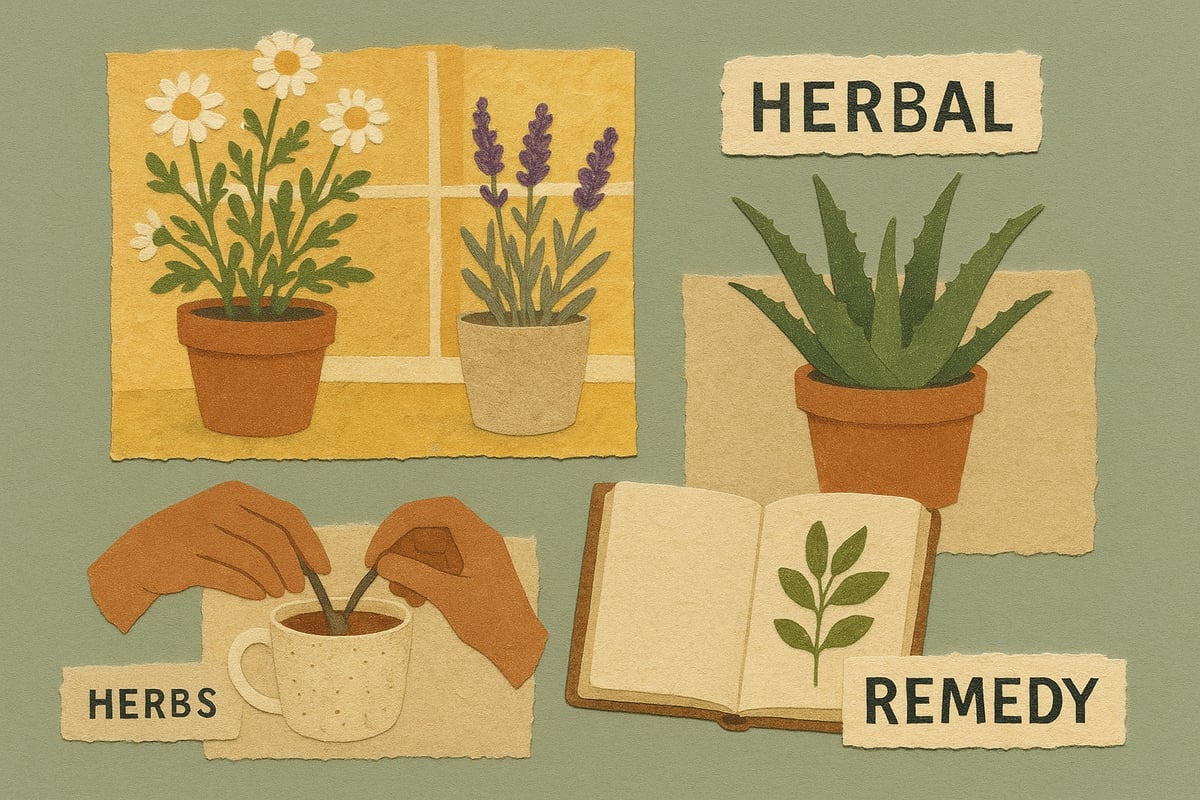
Having medicinal plants at home allows you to address everyday wellness needs with simple, time-tested remedies. A cup of peppermint tea can settle digestion, while a fresh aloe vera leaf may soothe a minor burn. These uses make plant care part of your daily self-care routine.
Growing your own herbs also means you know exactly what goes into your remedies. This reduces waste and packaging, supporting a more sustainable lifestyle. For many, medicinal plants at home are a step towards greater self-reliance and personal empowerment.
Herbal applications are broad, including teas, balms, and natural skin care. The accessibility of these plants ensures that people from all backgrounds can benefit, regardless of gardening experience or available space.
How Herbalists Approach Plant Remedies
Herbalists see medicinal plants at home as more than just sources of active compounds. They use a holistic approach, considering the whole plant, the person, and the environment. This means respecting each plant’s unique “energetics” – warming, cooling, moistening, or drying qualities – and how these interact with your needs.
Ritual and observation play a big role. Herbalists encourage starting with small, gentle doses and paying close attention to the effects over time. They value gradual change and work with plants in a way that honours both tradition and the rhythms of nature.
This approach blends the practical with the mindful, reminding you that health is a journey, not a quick fix. It’s about building a relationship with the plants and learning how they fit into your lifestyle.
Distinguishing Tradition from Modern Research
When exploring medicinal plants at home, it’s important to understand the difference between traditional uses and what scientific studies confirm. Many plants, like chamomile and ginger, have centuries of folk use for calming nerves or easing digestion. Modern research sometimes supports these uses, but not always at the same level.
Both perspectives matter. Folk wisdom provides time-tested guidance, while clinical evidence helps clarify what works and what is safe. Avoid assuming every traditional use is proven or risk-free. Learning to balance tradition and science means you can make informed, confident choices for yourself and your family.
Choosing the Right Plants for Your Needs
Selecting medicinal plants at home starts with safety, versatility, and ease of care. Choose herbs that address your main concerns and thrive in your environment. Begin with a handful of well-researched, easy-to-grow plants. This approach keeps things manageable and rewarding as you build your home apothecary.
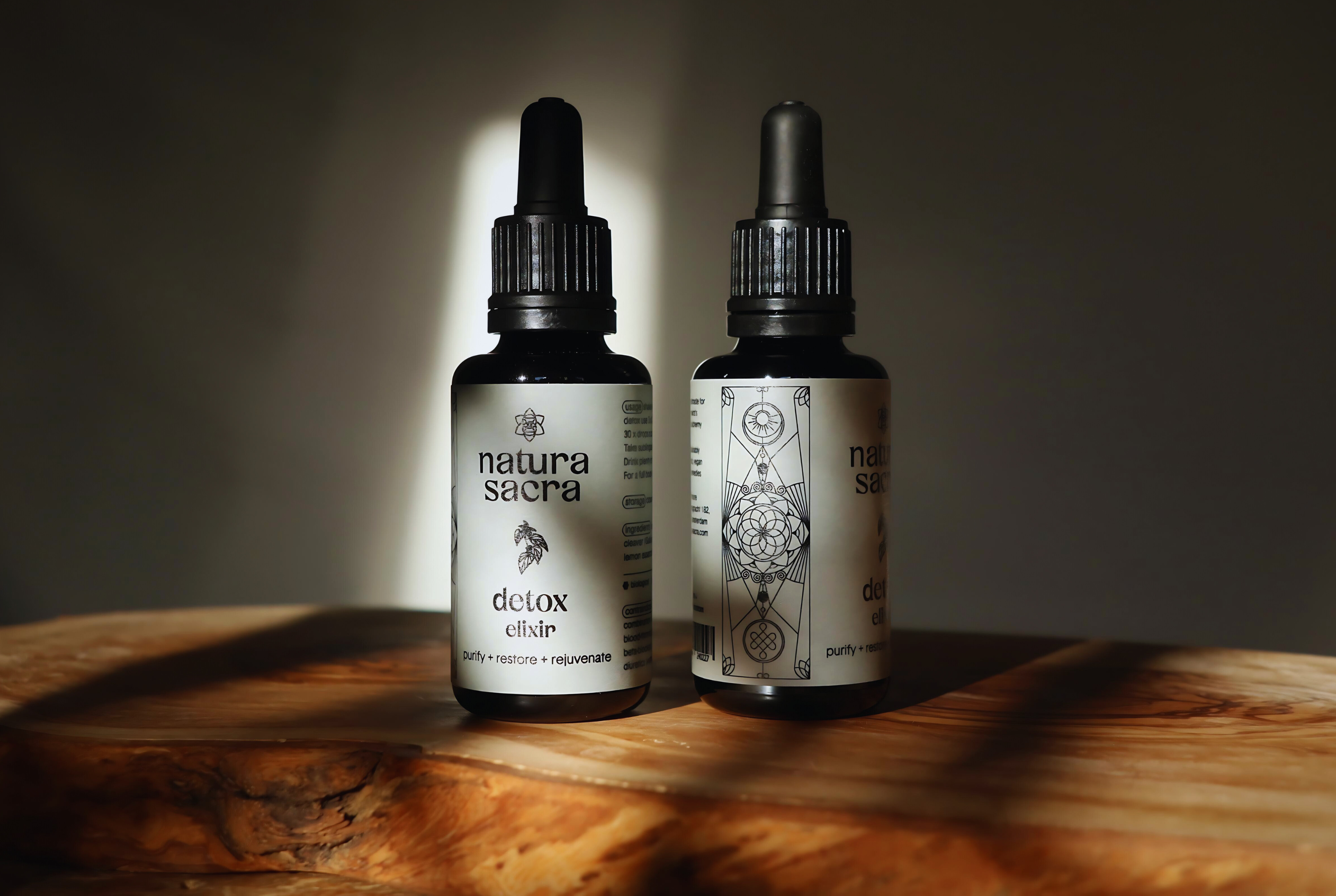
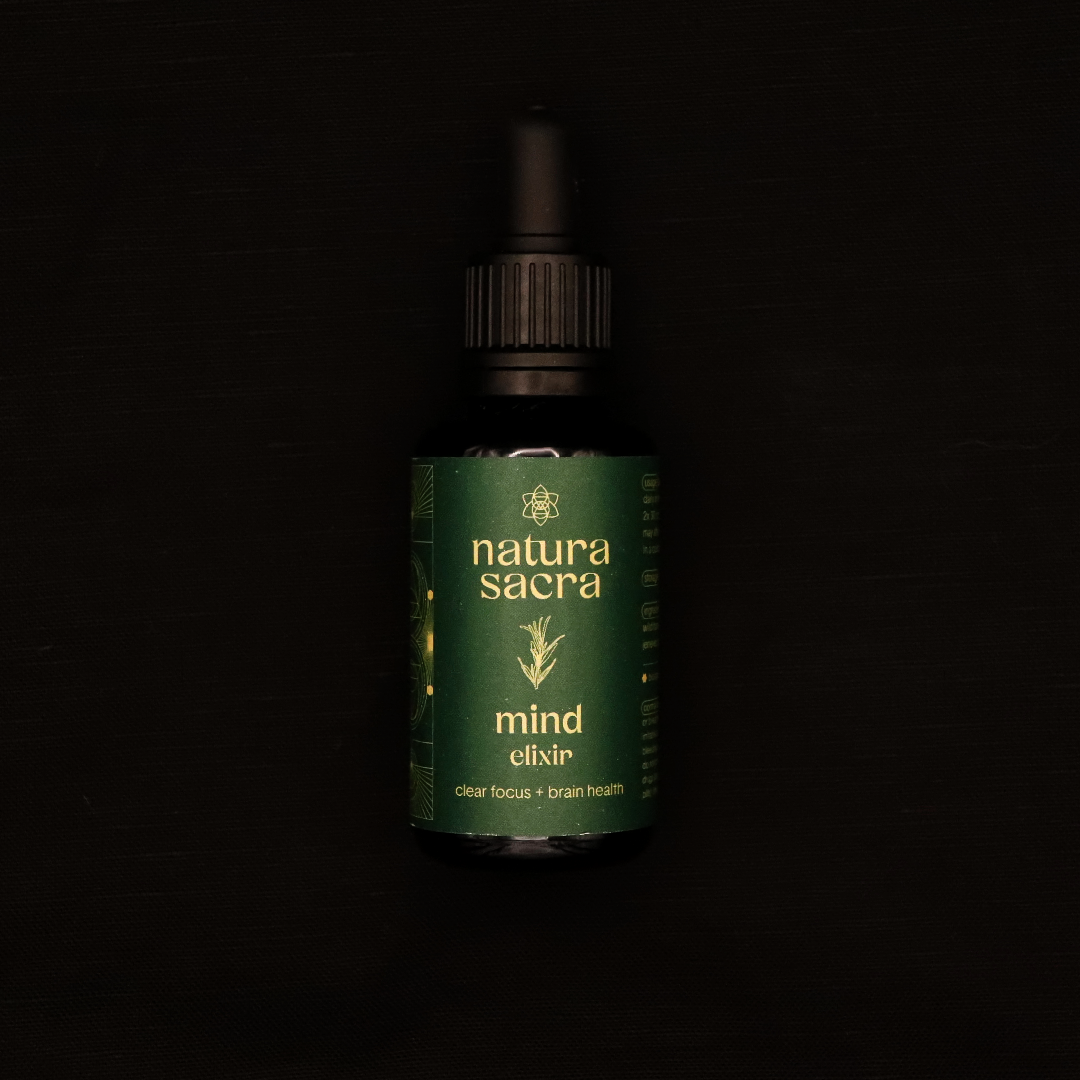
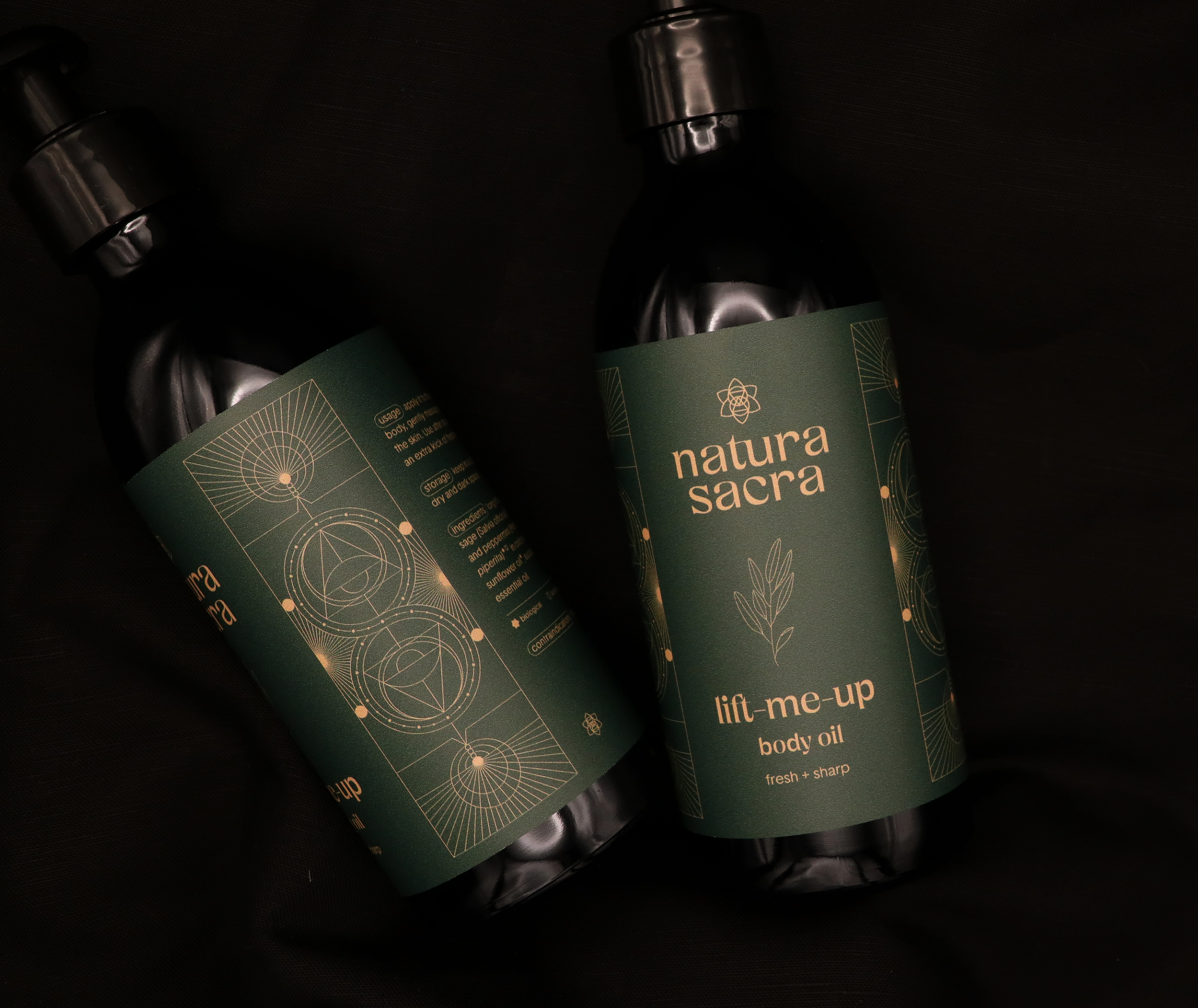
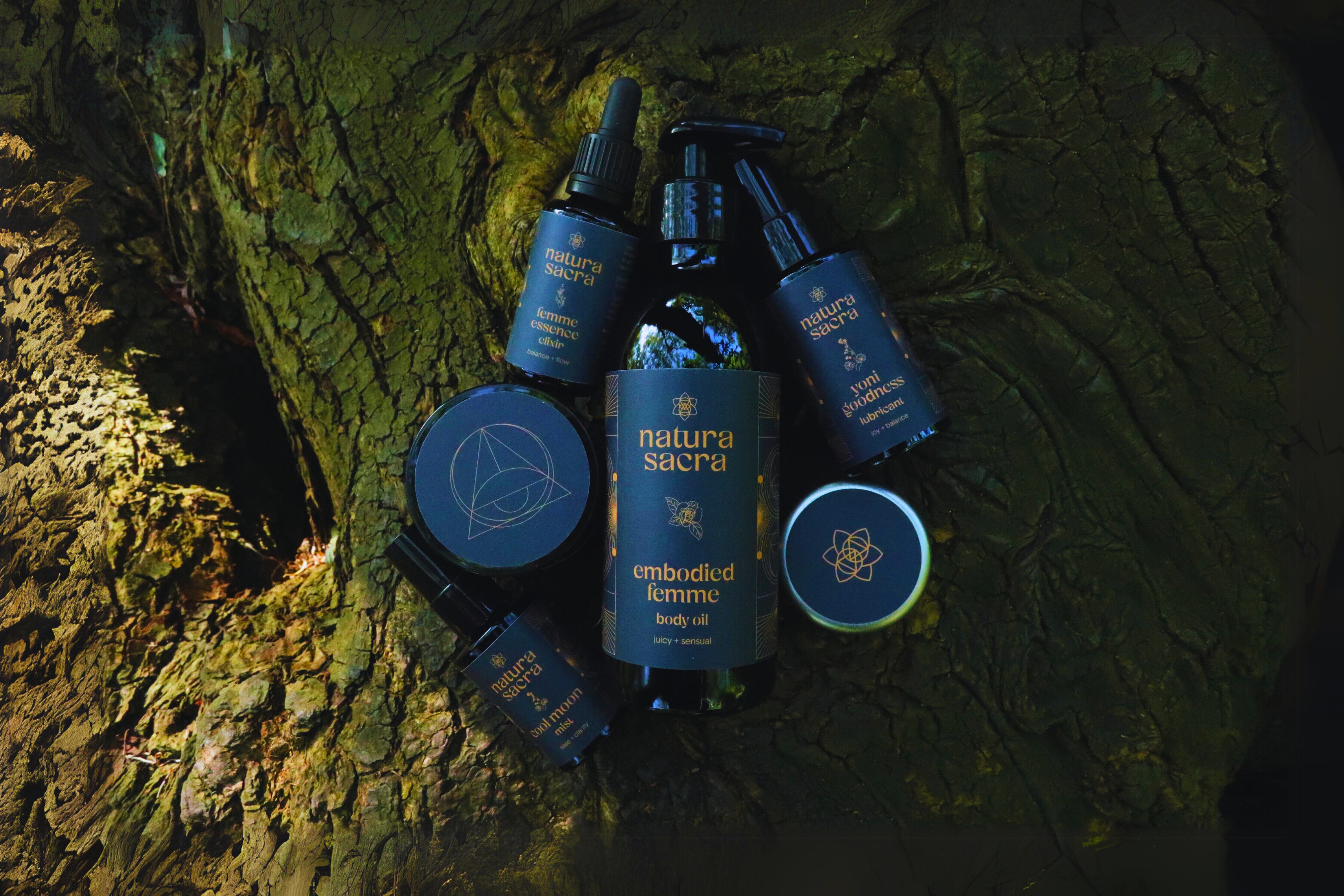
Natura Sacra’s range highlights many of these foundational herbs, helping you take the next step in your plant-based wellness journey.
12 Essential Medicinal Plants to Grow at Home for 2026
Growing medicinal plants at home is more than a trend—it is a practical way to bring wellness closer to daily routines. People are rediscovering the value of plants for soothing ailments, supporting relaxation, and encouraging a sense of self-reliance. With a few pots on a sunny windowsill or a corner of your garden, you can create your own living apothecary, blending tradition with the latest research.
Herbalists see medicinal plants at home as more than remedies; they are partners in holistic care. Traditional herbalism values the whole plant, observing how its qualities interact with your body, mind, and environment. This approach encourages small, mindful changes and respects the ritual of preparing and using herbs.
Below, discover 12 essential medicinal plants at home, each with its own story, traditional uses, and research highlights. For beginners, these plants offer versatility, ease of cultivation, and practical value, while also reminding us to use them with respect and care.
Peppermint (Mentha × piperita)
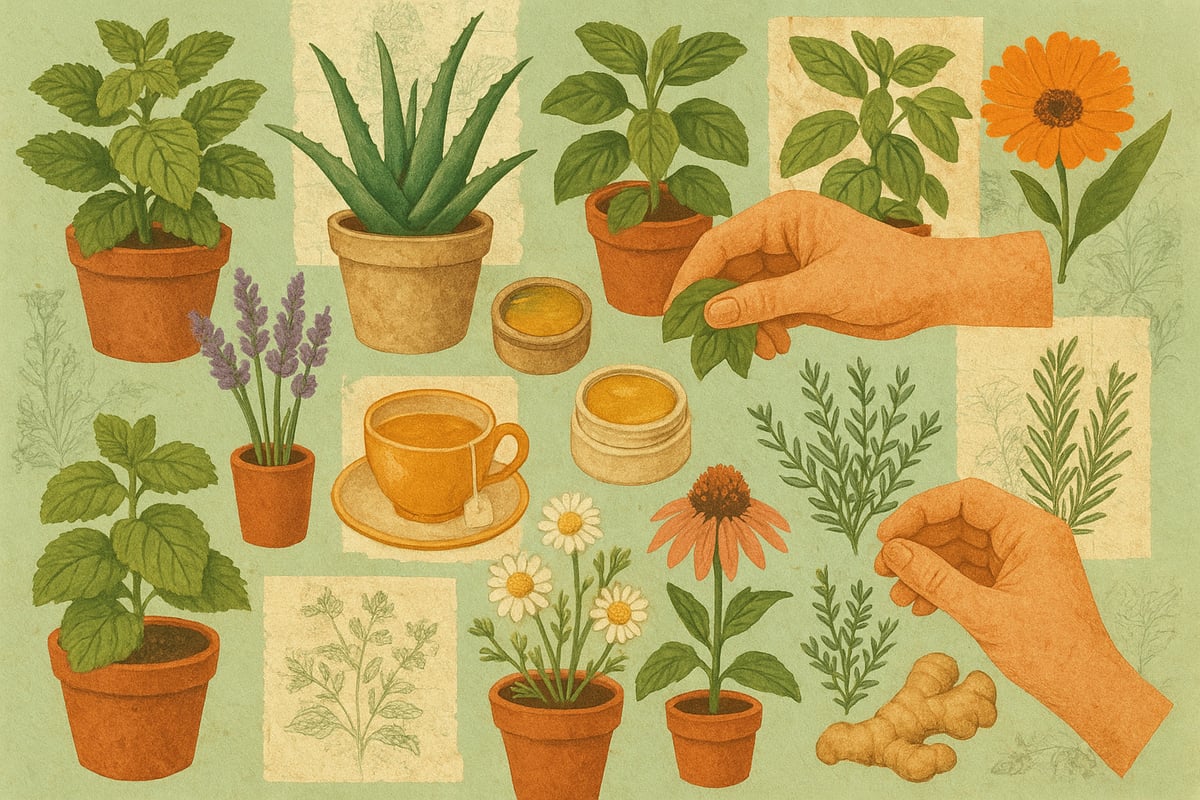
Peppermint is a staple among medicinal plants at home, prized for its cooling aroma and versatility. Traditionally, it is used to ease digestive discomfort, soothe headaches, and refresh the senses. Herbalists value peppermint's main compounds, like menthol and flavonoids, which give it both its scent and action.
Recent studies suggest peppermint oil may help with irritable bowel syndrome symptoms and offer mild pain relief. You can easily grow peppermint in pots, making it accessible for teas, cooling compresses, or even culinary use. Just remember, peppermint oil should be kept away from the nasal area of young children due to its potency.
Aloe Vera (Aloe barbadensis miller)
Aloe vera is often the first plant that comes to mind when people think of medicinal plants at home. Its thick, gel-filled leaves have a long history in soothing burns, minor cuts, and sun-exposed skin. The gel contains polysaccharides and aloin, which are thought to support skin healing.
Modern research supports aloe vera’s use for wound healing and sunburn relief. For home use, simply snap a leaf and apply the fresh gel to the skin. Aloe thrives indoors and requires little maintenance. If you use it internally, be mindful: the yellow latex just under the skin has a laxative effect and should only be used with care.
Holy Basil (Tulsi, Ocimum sanctum)
Holy basil, or tulsi, stands out among medicinal plants at home for its role in traditional Ayurvedic and spiritual practices. Revered as an adaptogen, tulsi is used to support the body’s resilience to stress, boost the immune system, and balance energy.
Key compounds like eugenol and ursolic acid contribute to its effects. Emerging research points to possible benefits for stress and blood sugar regulation, though more studies are needed. Holy basil grows well on a sunny windowsill. Brew the leaves as a tea to enjoy its aroma and calming influence. Generally safe, but consult a professional if you are pregnant or breastfeeding.
Calendula (Calendula officinalis)
Calendula embodies the gentle, healing side of medicinal plants at home. Traditionally, its bright orange petals have been used to support skin repair, ease inflammation, and lift the mood. Herbalists appreciate its triterpenoids and flavonoids, which contribute to its actions.
Modern studies indicate calendula may help with wound healing and dermatitis. Use the petals in infusions or homemade balms for skin care. Calendula is easy to grow and brightens any home garden. If you want a deeper dive into its uses, see this Calendula skin healer guide. Rarely, people sensitive to the daisy family may experience allergies.
Lavender (Lavandula angustifolia)
Lavender is cherished for its fragrance and calming presence, making it a favourite among medicinal plants at home. Traditionally, it is used to promote relaxation, improve sleep, and care for the skin. Its aromatic compounds, linalool and linalyl acetate, are well studied.
Some research suggests lavender may reduce anxiety and support better sleep quality. Use dried flowers in sachets, teas, or oils to enjoy its benefits. Lavender is easy to grow in pots or borders. Note that lavender essential oil should not be ingested and can be harmful to pets if used excessively.
Lemon Balm (Melissa officinalis)
Lemon balm brings a gentle, lemony freshness to the collection of medicinal plants at home. Traditionally, it is valued for calming the nerves, supporting digestion, and offering mild antiviral action. Its key compounds include rosmarinic acid and citral.
Recent studies suggest lemon balm may help with mild anxiety and insomnia. Use fresh leaves to brew a soothing tea or create a simple tincture. Lemon balm is easy to cultivate in pots or garden beds. Be cautious if you take thyroid medication, as interactions are possible.
Chamomile (Matricaria chamomilla)
Chamomile is a classic among medicinal plants at home, known for its gentle touch. Traditionally, it is used to calm the mind, aid digestion, and soothe irritated skin. Herbalists focus on its main compounds, apigenin and bisabolol.
Research supports chamomile’s role in promoting sleep and providing mild anti-inflammatory effects. Brew the dried flowers as a tea, use them in compresses, or make a gentle skin wash. People with allergies to ragweed or related plants should use caution.
Rosemary (Rosmarinus officinalis)
Rosemary is both a culinary and medicinal favourite, fitting seamlessly into the world of medicinal plants at home. Traditionally, it is used to support memory, improve circulation, and ease muscle soreness. Its main active compounds are rosmarinic acid and carnosic acid.
Some research points to rosemary’s potential for cognitive support and antioxidant activity. Add fresh rosemary to your meals, teas, or make topical oils for massage. It thrives in containers or sunny gardens. Pregnant individuals should avoid high doses, as a precaution.
Echinacea (Echinacea purpurea)
Echinacea is a renowned immune supporter and a popular choice for medicinal plants at home. Traditionally, it is used to help prevent or shorten colds, and as a general immune tonic. Its compounds, such as alkamides and polysaccharides, are central to its action.
Scientific evidence on echinacea’s effectiveness for colds is mixed, but it remains a staple for many. Use the roots or flowers in teas or tinctures. Echinacea grows well in gardens with plenty of sun. Those with autoimmune conditions should consult a healthcare provider before use.
Thyme (Thymus vulgaris)
Thyme is a powerhouse among medicinal plants at home, valued for its warming, antiseptic properties. Traditionally, it has been used to soothe coughs, ease sore throats, and as a natural disinfectant. The main compounds, thymol and carvacrol, are responsible for its strong aroma and benefits.
Research confirms thyme’s antimicrobial qualities. Use fresh or dried thyme in steam inhalations, teas, or as a gargle for throat discomfort. Thyme is easy to grow in pots or beds. Its essential oil is potent and should be diluted when used on the skin.
Ginger (Zingiber officinale)
Ginger brings warmth and zest to the array of medicinal plants at home. Traditionally, it is used to support digestion, relieve nausea, and encourage circulation. Its main compounds, gingerols and shogaols, are well studied.
Modern research supports ginger’s effectiveness for nausea and its anti-inflammatory properties. Use it fresh or dried in teas, smoothies, or cooking. Ginger is straightforward to grow indoors or outdoors. In high doses, ginger may thin the blood, so moderation is key.
Sage (Salvia officinalis)
Sage is a versatile member of the medicinal plants at home, valued in both the kitchen and the herbal cupboard. Traditionally, it is used for sore throats, menopause support, and memory enhancement. Its active compounds include thujone and rosmarinic acid.
Research suggests sage can support cognitive function and help manage hot flushes. Use the leaves in gargles, teas, or as a flavourful addition to dishes. Sage grows well in pots or garden beds. Avoid high doses during pregnancy or nursing for safety.
By growing and using medicinal plants at home, you gain tools for everyday self-care and a deeper connection with nature. Start with a few easy-to-grow herbs and explore how they fit into your wellness routine. For those who want to go further, Natura Sacra offers thoughtfully crafted products that celebrate the synergy of tradition and science, helping you weave plant wisdom into modern life.
Practical Tips for Growing and Using Medicinal Plants at Home
Growing medicinal plants at home transforms wellness routines, offering fresh remedies at your fingertips. Whether you have a sunny windowsill or a small garden, starting your own herbal collection means more control over quality, sustainability, and daily self-care. Beginners often find that tending to living plants deepens their connection to holistic health and supports a mindful lifestyle.
Easy Growing Techniques for Beginners
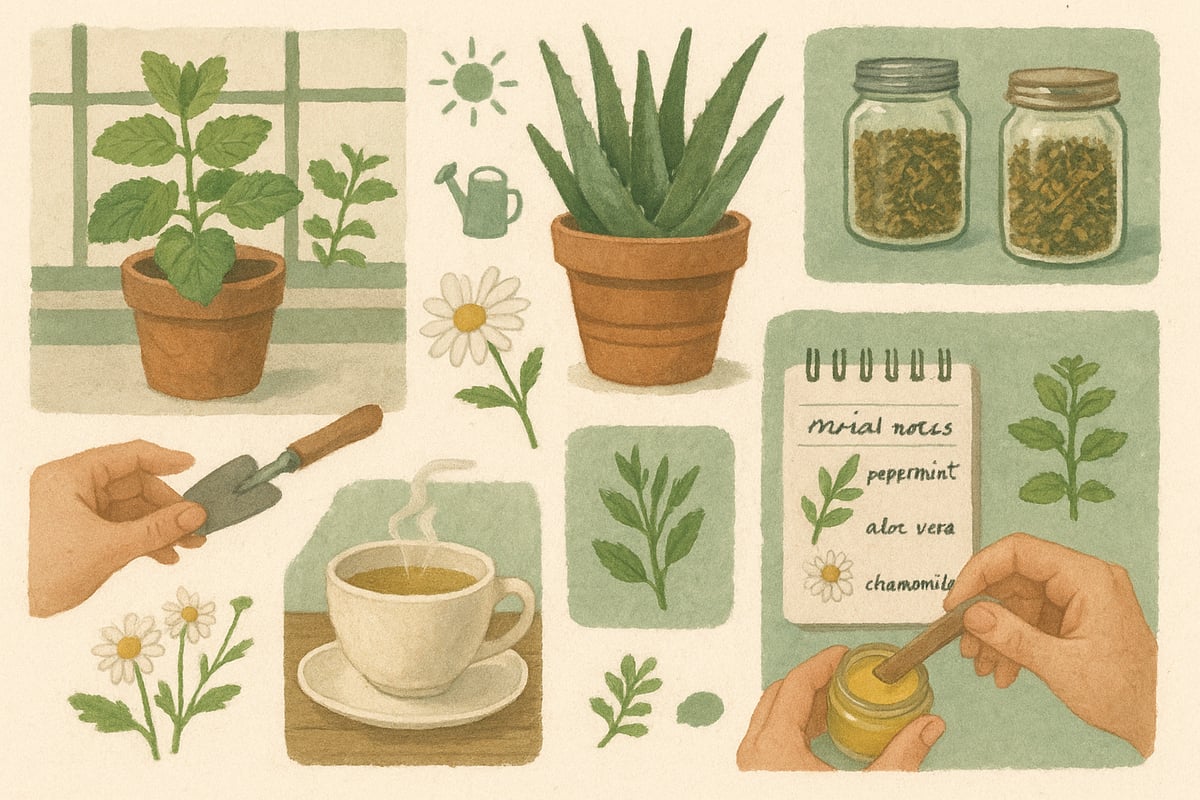
Starting with medicinal plants at home is surprisingly accessible. Choose pots with good drainage and fill them with quality organic compost. Most medicinal herbs thrive in bright, indirect light, so a sunny spot indoors or outdoors is ideal. Water regularly, but avoid soggy soil—herbs like rosemary and lavender prefer drier conditions.
Feed plants with natural fertilisers like compost tea every few weeks. If pests appear, try gentle solutions such as neem oil or hand-picking. For detailed, expert guidance on cultivating your first herbs, see Growing Medicinal Plants in the Home Garden, which offers simple, step-by-step advice for beginners.
Harvesting and Storing Plant Material
Knowing when and how to harvest boosts the potency of your medicinal plants at home. Pick leaves or flowers in the morning after dew dries, as this is when essential oils are most concentrated. Use sharp, clean scissors to avoid damaging the plant.
Dry herbs by spreading them out in a single layer on a tray or hanging small bunches upside down in a warm, ventilated room. Once dry, store your harvest in airtight jars away from sunlight to preserve their healing properties. Proper storage helps you enjoy homegrown remedies throughout the year.
Safe and Effective Home Preparation Methods
Preparing herbal remedies from medicinal plants at home is rewarding, but safety comes first. Start with simple infusions or teas, using one teaspoon of dried herb per cup of hot water. For topical uses, infuse herbs in oil to create balms or salves. Always test a small amount on your skin before wider use.
Stick to recommended dosages and introduce new herbs gradually. If you are pregnant, nursing, or have health conditions, consult a healthcare professional before trying new remedies. With practice, you will gain confidence and enjoy the satisfaction of integrating your own plants into daily wellbeing. For those wanting to expand their knowledge, Natura Sacra offers expertly crafted products and educational resources to guide your herbal journey.
Making Informed Choices: Tradition, Science, and Personal Wellness
Choosing the right medicinal plants at home goes beyond simply growing herbs. It means understanding the balance between traditional wisdom and what research can support. Many families have passed down herbal knowledge for generations, but not all remedies are equally effective or safe for everyone.
Herbalists approach medicinal plants at home with care, blending centuries-old practices with a respect for the body’s natural rhythms. They often consider both the energy of the plant and how it fits into a person’s daily life. Still, even the most experienced herbalist recognises the limits of tradition.
Modern science helps us see which uses are supported by evidence and which remain anecdotal. For example, a family survey on medicinal plants used as home remedies highlights how common these practices are, but also why it’s vital to check current research before relying on a home remedy.
When trying new medicinal plants at home, start with patch tests to check for allergies. Some herbs can trigger reactions, especially if you have sensitivities to related plants. Always introduce one new plant at a time and observe how your body responds.
There are times when self-care should give way to professional advice. If symptoms persist, worsen, or seem unusual, consult a healthcare provider. Medicinal plants at home are best used for minor issues and daily wellness, not for diagnosing or treating serious conditions.
To build a safe wellness routine, choose plants that suit your needs, grow them carefully, and stay informed. Resources like Tulsi: India's queen of herbs offer insights into both tradition and scientific findings, helping you make confident choices.
Natura Sacra supports this approach by offering clear information, careful sourcing, and educational content. Their range makes it easier to deepen your journey with medicinal plants at home, always with transparency and respect for both heritage and science.
Natura Sacra: Integrating Plant Wisdom into Modern Wellness Rituals
In today’s world, weaving medicinal plants at home into your daily life is more than a trend, it is a return to mindful self-care. Natura Sacra stands out as a premium herbal wellness brand, blending time-honoured botanical wisdom with modern research.
Our remedies are crafted in small batches, using many of the same plants you can grow yourself. From calming teas and aromatic elixirs to nourishing oils, each product is rooted in transparency and holistic wellbeing. Explore our blog and plant resources to deepen your plant-based wellness journey.
Whether you’re just starting out with home-grown herbs or looking to deepen your understanding of their traditional and research-backed benefits, making medicinal plants part of your daily routine is a rewarding journey. You don’t have to do it alone—there’s a wealth of practical plant wisdom, tips, and rituals to explore. If you’re curious about the next steps or want more guidance on nurturing your herbal practice, why not take a look at our latest articles and resources? You’ll find practical advice to support your wellbeing at home.
Explore more rituals and plant wisdom on our blog