Discover 7 wellness herbs proven to boost health in 2026 Explore evidence based benefits uses and practical tips to safely enhance your wellbeing today
7 Wellness Herbs to Boost Your Health in 2026

Herbal wellness has taken centre stage in 2026, as more people seek natural ways to support their health. The surge in interest reflects a clear move towards gentle, plant-based remedies.
In this article, we explore seven wellness herbs that have been scientifically recognised for their powerful physical and mental health benefits. You will discover each herb’s unique strengths, the latest research, and easy ways to use them every day.
Ready to boost your wellbeing with proven natural solutions? Dive in for practical advice and evidence-based insights that can help you create a healthier routine.
Why Wellness Herbs Are Essential for Modern Health
The Shift Towards Natural Remedies
More people are turning to wellness herbs as they seek gentle, plant-based solutions for everyday health. The desire to avoid side effects from synthetic medications is driving this shift. In the UK, herbal supplement sales shot up by 9% in 2023, and the market is expected to keep growing. According to UK herbal supplements market growth, consumers increasingly prioritise natural health products for long-term wellbeing.
Science-Backed Benefits of Herbs
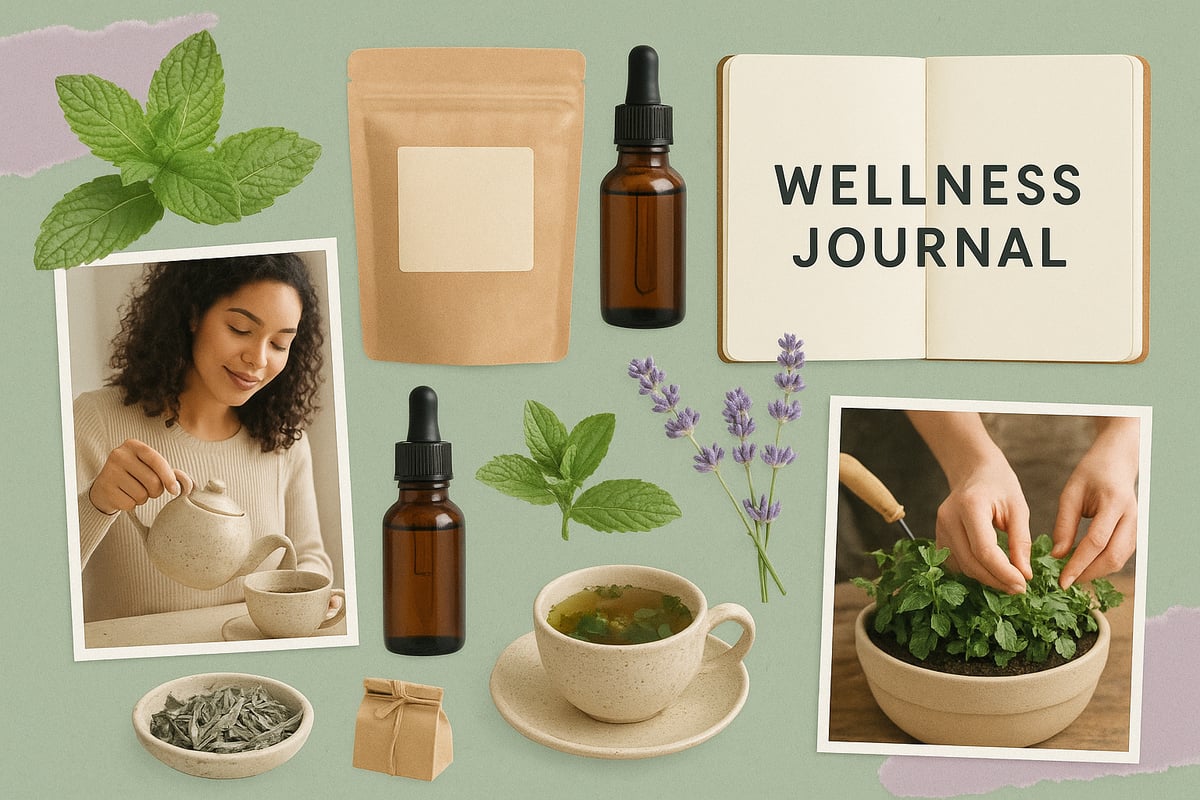
Clinical research now validates what herbal traditions have known for centuries. Studies show wellness herbs like lavender and mint can improve sleep and reduce stress, while rosemary supports cognitive function. Herbal remedies are being studied for their positive effects on immunity, digestion, and hormonal balance. This growing body of evidence gives people more confidence to include wellness herbs in their routines.
Integrating Herbs into Daily Life
Bringing wellness herbs into your day can be simple. Try herbal teas in the evening, add fresh herbs to meals, or use essential oils in aromatherapy. Many people find that a cup of mint or chamomile tea helps them unwind at night. Culinary uses, tinctures, and topical balms make it easy to personalise herbal routines for your own needs.
Addressing Common Wellness Challenges
Many of us struggle with stress, poor sleep, or digestive discomfort. Wellness herbs offer gentle, multi-targeted support for these issues. For example, mint soothes the stomach, lavender calms the mind, and fennel aids digestion. Instead of relying solely on synthetic remedies, people can use herbs to help manage everyday health challenges naturally.
Safety and Best Practices
Safety always comes first. It is important to consult a healthcare professional or qualified herbalist before starting any new herbs, especially if you take medication. Always consider the right dosage, potential interactions, and the source of your herbs. Choosing high-quality, ethically sourced products helps ensure both safety and effectiveness.
Sustainability and Ethical Sourcing
Choosing locally grown wellness herbs supports both your health and the environment. Growing herbs at home or buying from ethical suppliers reduces your carbon footprint. Look for eco-friendly packaging and transparent sourcing. Supporting local growers helps sustain traditional knowledge and keeps the benefits of wellness herbs accessible.
The Role of Ritual and Mindfulness
Building rituals around wellness herbs can boost your mental wellbeing. Simple actions, like brewing a calming herbal tea or tending to a home herb garden, encourage mindfulness. These small routines help create moments of calm and connection, supporting overall holistic health for body and mind.
7 Wellness Herbs to Boost Your Health in 2026
Looking to transform your wellbeing in 2026? Exploring the world of wellness herbs is a powerful way to do just that. These remarkable plants offer a natural, science-backed approach to supporting both physical and mental health. Let’s dive into seven of the top wellness herbs, uncovering their unique strengths, uses, and research—and how you can make them part of your daily routine.
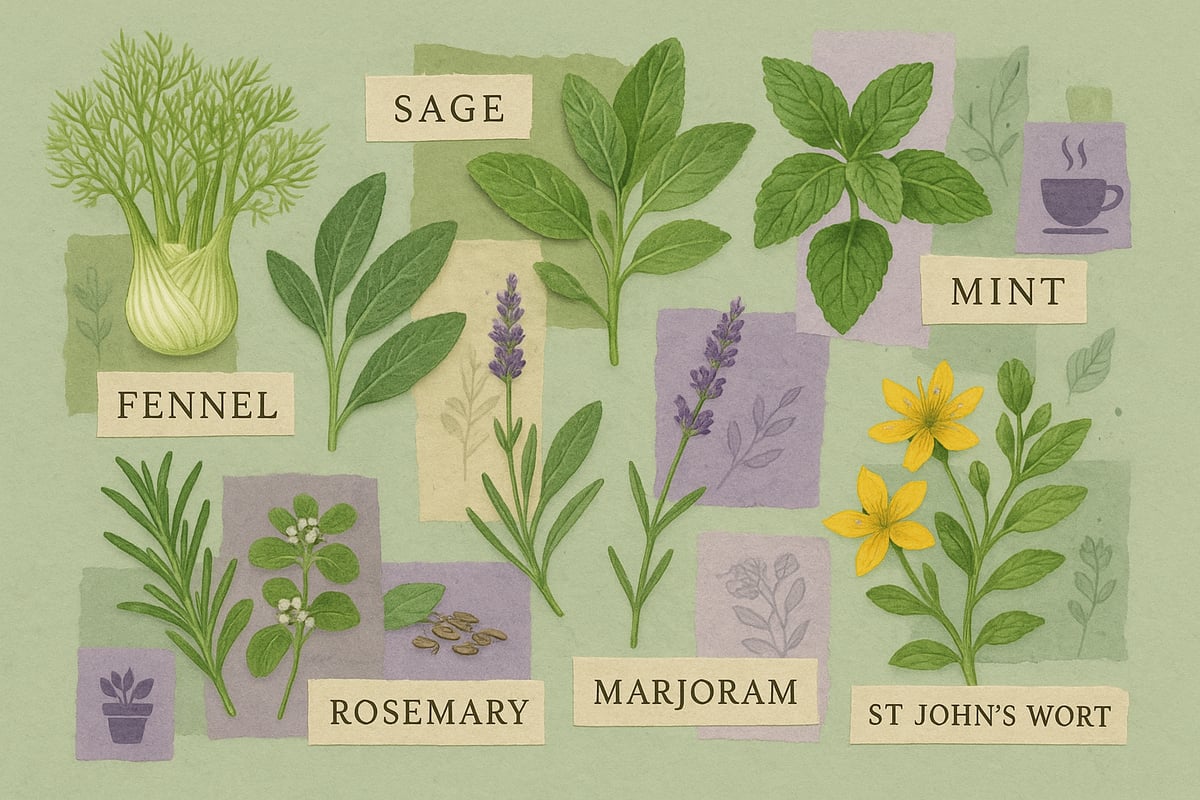
1. Fennel (Foeniculum vulgare)
Fennel stands out among wellness herbs for its broad spectrum of benefits. Traditionally used since ancient Greek and Roman times, this aromatic plant remains a staple for digestive wellness, appetite regulation, and immune support. Its crunchy bulbs and feathery fronds are not only delicious but also packed with nutrients.
Rich in magnesium, potassium, selenium, and vitamin C, fennel supports heart health and helps maintain a robust immune system. Modern research has linked fennel’s unique compounds to positive effects on weight management and cardiovascular wellbeing. Its gentle, soothing properties make it a favourite for calming bloating and easing discomfort after meals.
You’ll find fennel used in various ways:
- Fresh fronds tossed in salads for a mild, aniseed flavour
- Seeds added to baking, stews, or chewed for fresh breath
- Infusions that help support metabolism
Growing fennel is straightforward, even for beginners. It’s a hardy plant suited to UK gardens, thriving in sunny spots and proving drought-tolerant once established. This resilience makes it one of the most accessible wellness herbs for home gardeners.
Ancient cultures praised fennel for over 20 ailments, and today, science continues to validate its role in holistic health. If you’re looking to add variety and function to your herbal routine, fennel is an excellent choice.
2. Sage (Salvia officinalis)
Sage is a true powerhouse among wellness herbs, revered since the Middle Ages for its antibacterial, antifungal, and antioxidant properties. Its reputation for wisdom and healing is well deserved, with research now confirming its effects on both body and mind.
Modern studies show that sage can support cognitive function, enhance mood, and reduce inflammation. Many people turn to sage tea for sore throats, stress relief, and as a calming ritual before bedtime. Its earthy, aromatic leaves also make a popular culinary seasoning, boosting the flavour and health value of meals.
Common uses for sage include:
- Herbal teas for relaxation and throat comfort
- Culinary seasoning in stuffing, roasts, and soups
- Skin balms for minor irritations
Growing sage is easy, whether in pots or directly in your garden. It thrives in well-drained soil and sunny spots, making it a reliable addition to your home-grown wellness herbs. The plant’s symbolism of wisdom, longevity, and protection adds a mindful dimension to its use.
From historical remedies to modern research, sage bridges the gap between tradition and evidence-based wellness. Including sage in your routine can be a simple yet effective way to harness the benefits of wellness herbs for mind and body.
3. Mint (Mentha spp.)
Mint is one of the most versatile wellness herbs, cherished for its fresh aroma and broad range of uses. It’s a go-to for digestive support, relaxation, and gentle decongestant action. Whether you’re brewing a soothing tea or adding leaves to your recipes, mint delivers both flavour and wellness.
Scientific studies highlight menthol, the key compound in mint, as a natural decongestant that helps clear airways and promote relaxation. Research also suggests that mint can support better sleep, making it a valuable ally in evening wind-down routines.
Mint’s uses include:
- Teas for digestive comfort and sleep support
- Culinary dishes like salads, sauces, and desserts
- Aromatherapy for stress and mental clarity
- Cosmetics for skin soothing effects
Mint grows vigorously, often thriving in pots to prevent it from overtaking your garden. This robust nature makes it an ideal choice for anyone starting their journey with wellness herbs. Its traditional symbolism of hospitality and refreshment adds an uplifting note to your herbal rituals.
If you’re seeking gentle digestive support or a natural way to unwind, mint is an essential addition to your collection of wellness herbs.
4. Rosemary (Rosmarinus officinalis)
Rosemary is celebrated as one of the most stimulating wellness herbs, known for its impact on memory, mood, and stress levels. Used for centuries in Mediterranean diets, rosemary is now backed by clinical trials that highlight its cognitive and antioxidant benefits.
Research shows that rosemary can help improve focus, memory, and mental clarity. Its aromatic oils are often used in aromatherapy to reduce anxiety and lift mood. For students or those seeking a mental edge, rosemary is a popular choice.
Explore rosemary’s versatility:
- Aromatherapy for stress and performance
- Teas for digestion and headache relief
- Culinary uses in oils, roasts, and breads
Rosemary thrives in sunny, sheltered spots and is drought-tolerant once mature. It’s easy to grow as part of your wellness herbs collection, adding both beauty and function to your garden. The symbolic meaning of remembrance and fidelity gives rosemary a special place in rituals for focus and reflection.
With its proven cognitive benefits and uplifting aroma, rosemary is a standout among wellness herbs for those who value both tradition and modern science.
5. Lavender (Lavandula angustifolia)
Lavender is one of the most calming wellness herbs, loved for its soothing scent and gentle effects on body and mind. Scientific studies confirm that lavender can promote relaxation, improve sleep, and ease feelings of anxiety.
This herb has long been used in sleep rituals, often tucked into pillows or brewed as a calming tea. Lavender essential oil is popular in aromatherapy for reducing stress and creating a peaceful atmosphere. Its delicate flowers also soothe skin and attract pollinators to your garden.
Ways to enjoy lavender:
- Teas for relaxation and digestive comfort
- Aromatherapy with essential oil (always dilute before use)
- Sachets in bedding for restful sleep
Lavender thrives in well-drained soil and sunny locations, making it a beautiful addition to any collection of wellness herbs. Its symbolism of love and serenity enhances its role in self-care rituals.
If sleep or stress are common challenges, lavender is a gentle, evidence-based solution among wellness herbs. For more on using herbs for sleep, see this guide on herbs for sleep support.
6. Marjoram (Origanum majorana)
Marjoram is a lesser-known but highly valuable plant in the world of wellness herbs. The Romans called it the “herb of happiness,” and modern research suggests it supports digestive health, hormone balance, and emotional wellbeing.
Mild sedative properties make marjoram helpful for stress and sleep, while its benefits for menstrual health are supported by emerging evidence. Mediterranean cultures have long used marjoram in their diets for digestive comfort and overall vitality.
Practical uses for marjoram include:
- Teas to promote calm and balance
- Culinary spice in soups, stews, and salads
- Topical oil for muscle relaxation
Marjoram grows well in containers and sunny borders, preferring well-drained soil. Its symbolism of joy and peace brings a sense of positivity to your daily herbal routine.
Adding marjoram to your selection of wellness herbs offers gentle, multi-targeted support for mind and body, especially during times of stress or hormonal change.
7. St John’s Wort (Hypericum perforatum)
St John’s Wort is a standout among wellness herbs for its proven mood-supporting effects. Used for centuries in European herbalism, this bright yellow flower is now backed by meta-analyses showing efficacy for mild-to-moderate depression and nerve pain relief.
Traditional uses include infused oils for skin healing and teas for mood balance. In modern times, St John’s Wort is often chosen as a natural alternative for those seeking emotional support. However, it’s important to note that this herb can interact with certain medications, so always consult a healthcare provider before use.
Key applications:
- Teas for emotional balance
- Infused oils for skin and nerve comfort
St John’s Wort is a hardy perennial, thriving in sunny spots and making it a robust addition to your home-grown wellness herbs. The plant’s symbolism of protection and light resonates with its uplifting qualities.
For detailed guidance on practical ways to use this herb, check out this resource on St John's Wort uses.
Summary Table: Wellness Herbs at a Glance
| Herb | Key Benefits | Traditional Use | Modern Use | Growing Tip |
|---|---|---|---|---|
| Fennel | Digestion, immunity, heart | Breath, skin | Tea, salads | Hardy, drought-tolerant |
| Sage | Antibacterial, cognitive | Healing, wisdom | Tea, seasoning | Pots or garden, easy care |
| Mint | Digestion, relaxation | Stomach, sleep | Tea, aromatherapy | Pot to contain growth |
| Rosemary | Memory, mood, stress | Longevity, focus | Aromatherapy, food | Sunny, sheltered spot |
| Lavender | Sleep, calm, skin | Sleep, air fresh | Tea, oil, sachets | Well-drained, sunny |
| Marjoram | Digestion, hormone, mood | Happiness | Tea, spice, oil | Sun, well-drained soil |
| St John’s Wort | Mood, nerve pain | Protection, light | Tea, infused oil | Hardy, sun-loving |
Wellness herbs are more than just plants—they’re holistic allies for modern living. By integrating these seven into your daily routine, you can tap into ancient traditions and the latest research for a balanced, healthy life.
How to Choose and Use Wellness Herbs Safely
Choosing and using wellness herbs wisely is key to unlocking their full potential. With the growing popularity of natural health solutions, it's more important than ever to focus on safety, quality, and personalisation. Here’s how you can confidently add wellness herbs to your daily life.
Sourcing High-Quality Herbs
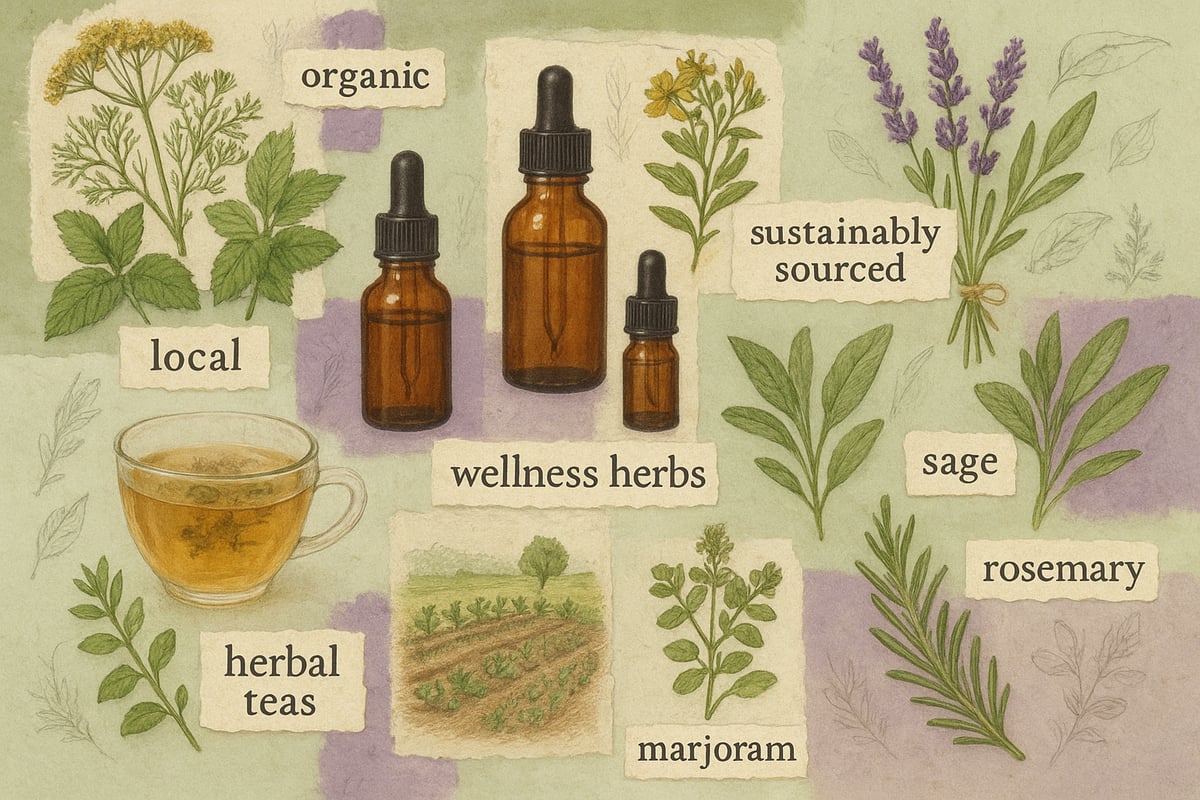
The quality of your wellness herbs starts with where and how they’re grown. Always choose organic, pesticide-free, and ethically sourced options. Locally grown herbs are often fresher and more potent, with a smaller environmental footprint compared to imported varieties. Look for trusted suppliers and eco-friendly packaging to support both your health and the planet.
Best Forms and Preparations
Wellness herbs come in many forms, and each offers unique benefits. Common preparations include:
- Teas and infusions
- Tinctures and extracts
- Capsules and tablets
- Culinary use (fresh or dried)
- Topical creams or oils
Here’s a quick comparison:
| Form | Best For | Notes |
|---|---|---|
| Tea | Relaxation, daily use | Easy to prepare, gentle |
| Tincture | Fast absorption | Potent, check dosage |
| Capsules | Convenience | Good for travel |
| Topical | Skin, muscle support | Patch test first |
Experiment to find which suits your needs and lifestyle best.
Dosage and Customisation
Finding the right dose for wellness herbs is essential. Always start with the lowest recommended amount, especially when trying a new herb. Dosage can depend on age, weight, and health goals. Customise your herbal routine for stress, sleep, or digestion by choosing the right form and frequency. Keep things simple and increase gradually as you track your body’s response.
Consulting Professionals
Even natural remedies require care. Speak to a qualified herbalist, GP, or pharmacist before starting any new wellness herbs, especially if you take medication or have health conditions. Some herbs, such as St John’s Wort, can interact with prescription drugs. Professional advice ensures you use herbs safely and effectively.
Integrating Herbs into Daily Life
Making wellness herbs a part of your routine can be simple and enjoyable. Try starting your day with a herbal tea or winding down with a lavender bath. For inspiration on building a practical herbal routine, see this guide on building a wellness cabinet. Growing basic herbs at home, even on a windowsill, is another easy way to stay connected to your wellness herbs.
Monitoring Effects and Adjusting
Pay attention to how your body responds to wellness herbs. Keep a journal to track benefits, side effects, and any changes in mood or sleep. Adjust your dosage or switch herbs as needed. Everyone’s response is unique, so regular check-ins help you get the most from your herbal routine.
Seasonal and Lifestyle Considerations
Adapt your use of wellness herbs to the seasons and your lifestyle. For example, focus on immune-boosting herbs in winter and calming herbs in summer. During festive periods, herbs like mint and fennel can support digestion. Personalising your approach ensures your wellness herbs truly work for you.
The Future of Herbal Wellness: Trends to Watch in 2026
Curious about what’s next for wellness herbs? The world of herbal health is evolving rapidly, blending ancient wisdom with new technology. As we look to 2026, several exciting trends are shaping how wellness herbs are used and appreciated, both at home and in healthcare.
Technological Advances in Herbal Research
AI is transforming the way researchers analyse wellness herbs. Ingredient databases and digital health apps now help match specific herbs to individual needs. New clinical trials are using AI to identify the most effective blends, making herbal wellness more precise and personal than ever.
Growing Popularity of Home Herbalism
More people are turning to DIY herbal gardens and kitchen remedies, bringing wellness herbs into their daily routines. Subscription boxes offer seeds and guides, helping even beginners grow and use their own herbs at home. This hands-on approach makes herbal wellness accessible and fun.
Regulatory and Safety Developments
The EU & UK are updating regulations to ensure herbal supplements are safe and high quality. Transparency in labelling and sourcing is now a top priority. With the herbal medicine market in the EU projected to grow significantly by 2030, according to the UK herbal medicine market forecast, consumers can expect more trusted options and better guidance when choosing wellness herbs.
Integration with Mainstream Healthcare
Wellness herbs are increasingly being recognised within health insurance companies and private clinics as part of holistic care. Remedies like lavender oil and St John’s Wort are now included in some mental health protocols, supporting patients alongside conventional treatments. This integration highlights the value of evidence-based herbal support.
Sustainability and Local Sourcing
Sustainability is becoming central to the use of wellness herbs. There’s a growing demand for eco-friendly, UK-grown herbs and packaging. Biodegradable pots and bamboo labels are making it easier to enjoy herbs while caring for the planet. Sourcing locally also boosts potency and reduces environmental impact.
Education and Community
Herbal workshops, online courses, and wellness retreats are on the rise. Community gardens are fostering knowledge-sharing and connection, making wellness herbs a social and educational experience. People are learning together and building confidence in using herbs safely.
Mind-Body Connection
Holistic approaches are at the heart of the wellness herbs movement. Mindfulness rituals, like herbal tea ceremonies, are being embraced for stress relief and social connection. By combining herbs with lifestyle and mindfulness practices, people are supporting both their physical and mental wellbeing.
The future of wellness herbs is bright, blending science, tradition, and community. Staying informed and open to new trends will help you make the most of these natural allies in your wellness journey.
Now that you’ve explored the top wellness herbs for 2026 and learned how they can support everything from digestion to better sleep and emotional balance, you might be curious about turning this knowledge into practical, daily routines. If you’re ready to bring plant wisdom into your everyday life, I invite you to browse our range of small batch herbal remedies, each crafted to work in harmony with your body’s natural rhythms. Discover blends for stress, sleep, detox, and more — all rooted in research and tradition. Start your herbal journey here: Discover our small batch herbal remedies crafted for natural wellbeing.