Discover how lemon balm tea for sleep blends tradition and science for restful nights in 2026. Learn safe brewing tips and create your calming bedtime ritual.
Lemon Balm Tea For Sleep Guide: Calm Nights In 2026

Imagine winding down at night with a fragrant, citrusy cup of lemon balm tea, your gentle invitation to restful sleep. If you have ever wondered how nature’s simplest rituals can support a peaceful mind, you are in the right place.
This guide will walk you through everything you need to know about using lemon balm tea for sleep, blending traditional wisdom with research that matters for 2026. We will explore what lemon balm is, its roots in European herbal tradition, and how both culture and modern science inform its calming role.
You will discover practical brewing methods, essential safety tips, and ideas for crafting your own evening ritual. Whether you are new to herbal teas or looking to refine your night-time routine, our aim is to help you find your calm with confidence. At Natura Sacra, we believe in making space for rest, one thoughtful cup at a time.
What Is Lemon Balm? Origins, Tradition, and Modern Use
Lemon balm has been a gentle companion in European homes for centuries. Before exploring how lemon balm tea for sleep can support your nightly rest, it helps to understand its roots, the compounds behind its effects, and why it remains a staple in modern wellness routines.
Lemon Balm in European Herbal Tradition
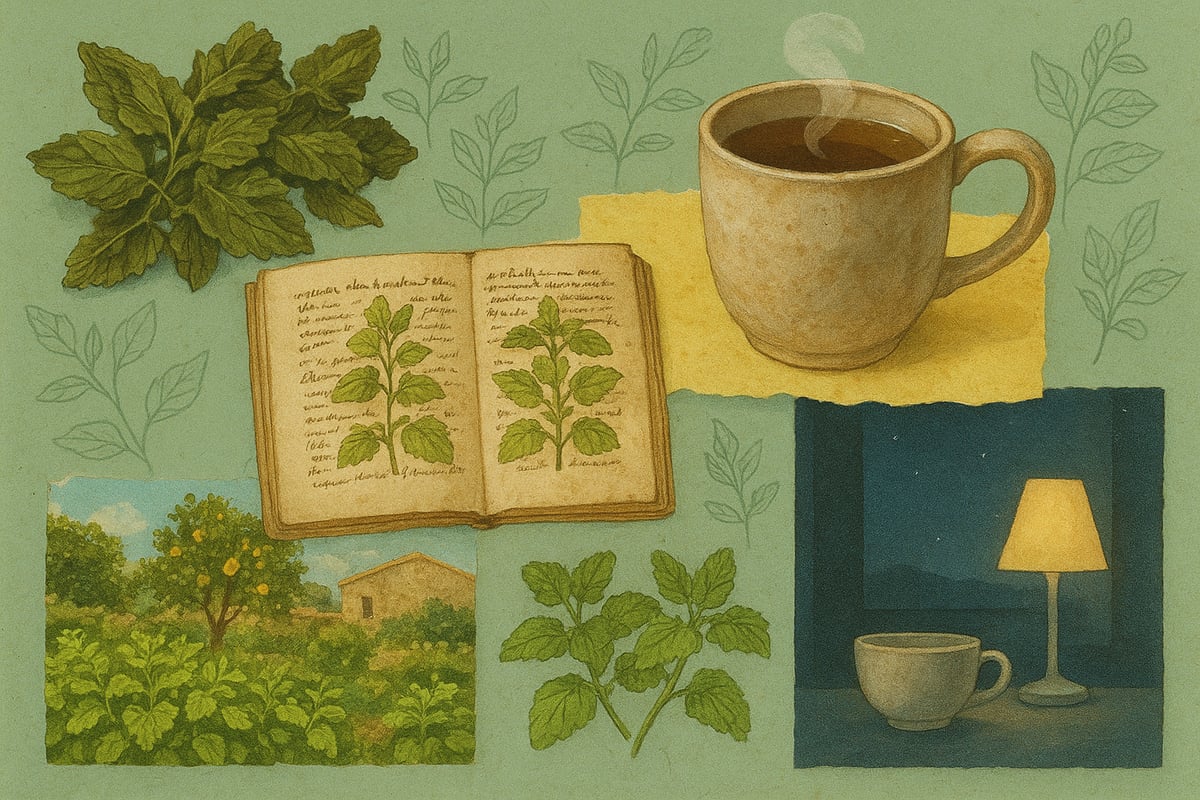
Lemon balm, or Melissa officinalis, has deep roots in European and Mediterranean folk medicine. For generations, it was valued for its ability to calm nerves, soothe digestion, and encourage better sleep. Healers would often prepare lemon balm as teas, tinctures, or even topical balms, making it a versatile remedy for everyday discomforts.
Its soothing reputation is woven into the cultural fabric of many European countries, where lemon balm symbolises emotional balance and peaceful evenings. The plant’s journey began in ancient Greece, where it was linked to joy and calm, then spread across Europe as herbalists and monks embraced its gentle properties. Curious about more of this story? Learn about lemon balm's calming history.
Today, when we speak of lemon balm tea for sleep, we’re drawing on a long tradition of using this plant as a natural ally for rest and relaxation.
Key Compounds and How They Work
What gives lemon balm tea for sleep its gentle power? The answer lies in its unique blend of plant compounds. Key constituents include rosmarinic acid, flavonoids, and volatile oils like citral and citronellal. These naturally occurring chemicals interact with the body’s stress response and nervous system.
Traditional herbalists described lemon balm as "cooling" and relaxing, a plant that could quiet a busy mind. Modern research suggests rosmarinic acid may be responsible for many calming properties, supporting the body’s natural ability to unwind (PubMed). Flavonoids and volatile oils contribute to both the aroma and the gentle relaxation many experience after a cup.
For those exploring lemon balm tea for sleep, understanding these compounds helps explain why this simple herb has stood the test of time, bridging tradition and science.
Lemon Balm in Today’s Wellness Landscape
Across the EU, lemon balm tea for sleep is now a caffeine-free favourite, appreciated for its mild taste and relaxing qualities. It is commonly chosen by those seeking natural support for stress, sleep, or even cognitive wellbeing. Many blends pair lemon balm with other gentle herbs to create sleep, mood, or digestive teas tailored to individual needs.
Lemon balm tea for sleep fits seamlessly into contemporary self-care rituals, from mindful evening routines to moments of calm during busy days. However, we always recommend an informed approach: benefits should be based on both tradition and research, avoiding exaggerated claims. Quality matters too, so choosing whole-leaf or well-sourced lemon balm ensures the best experience.
We’re proud to continue this tradition, offering organic lemon balm in our blends for those seeking a gentle, natural way to support restful nights.
How Lemon Balm Tea Supports Sleep: Tradition and Science
Traditional Uses for Sleep and Calm
Lemon balm tea for sleep has deep roots in European folk medicine. For centuries, people across the Mediterranean and Central Europe have turned to Melissa officinalis to ease restlessness and soothe frazzled nerves before bed. Traditionally, lemon balm was prepared as an infusion, sipped slowly in the evening to calm both the body and mind.
Evening rituals often included combining lemon balm with other gentle herbs such as chamomile or valerian, creating blends designed to “soothe the heart and mind.” These customs were passed from household to household, with recipes tailored to family traditions or local healing wisdom. The calming aroma and mild citrusy taste made lemon balm tea for sleep a comforting, familiar presence in many homes.
Today, these folk practices are still alive in European home herbalism. Many people continue to rely on lemon balm tea for sleep, especially when facing periods of tension or mild insomnia. Whether enjoyed alone or as part of a blend, its role in bedtime rituals is a testament to its enduring cultural value.
What Modern Research Suggests
While tradition is a powerful guide, we always recommend looking at what scientific research reveals about lemon balm tea for sleep. Recent studies suggest that lemon balm may help improve subjective sleep quality and reduce mild anxiety, supporting its reputation as a calming bedtime herb. The proposed mechanisms include inhibiting GABA transaminase, which can help regulate neurotransmitters involved in relaxation.
A 2024 narrative review found that key compounds in lemon balm, such as rosmarinic acid and certain volatile oils, may promote relaxation and cognitive ease, with some evidence for better sleep outcomes in adults (Lemon balm's effects on cognition and sleep quality). However, researchers emphasise that while the findings are promising, larger and longer-term studies are still needed.
For best results, we advise sourcing high-quality, whole-leaf lemon balm tea for sleep, as potency can vary widely between products. Always look for organic certification and transparent sourcing to ensure purity and effectiveness.
Practical Benefits and Real-World Insights
Many people notice that lemon balm tea for sleep helps them unwind in the evening, fall asleep more easily, and wake up feeling gently refreshed. Unlike some herbal sedatives, lemon balm tea for sleep is non-habit-forming and tends not to cause grogginess the next morning, making it suitable for daily use.
Users often share that making a cup of lemon balm tea for sleep becomes a grounding bedtime ritual. The simple act of brewing, inhaling the aroma, and sipping mindfully can reduce evening tension and foster a sense of calm. Compared to stronger sleep herbs like valerian or passionflower, lemon balm tea for sleep is generally milder and more suitable for adults experiencing mild sleep difficulties or stress-related insomnia.
We encourage you to explore how lemon balm tea for sleep fits into your own nightly routine, always paying attention to your body’s signals and preferences.
Brewing Lemon Balm Tea for Sleep: Step-by-Step Guide
Brewing lemon balm tea for sleep is both an art and a science. The process starts with choosing the right herb, then moves through mindful preparation and thoughtful timing. With care, you can transform a simple cup into a soothing nightly ritual.
Selecting and Storing Quality Lemon Balm
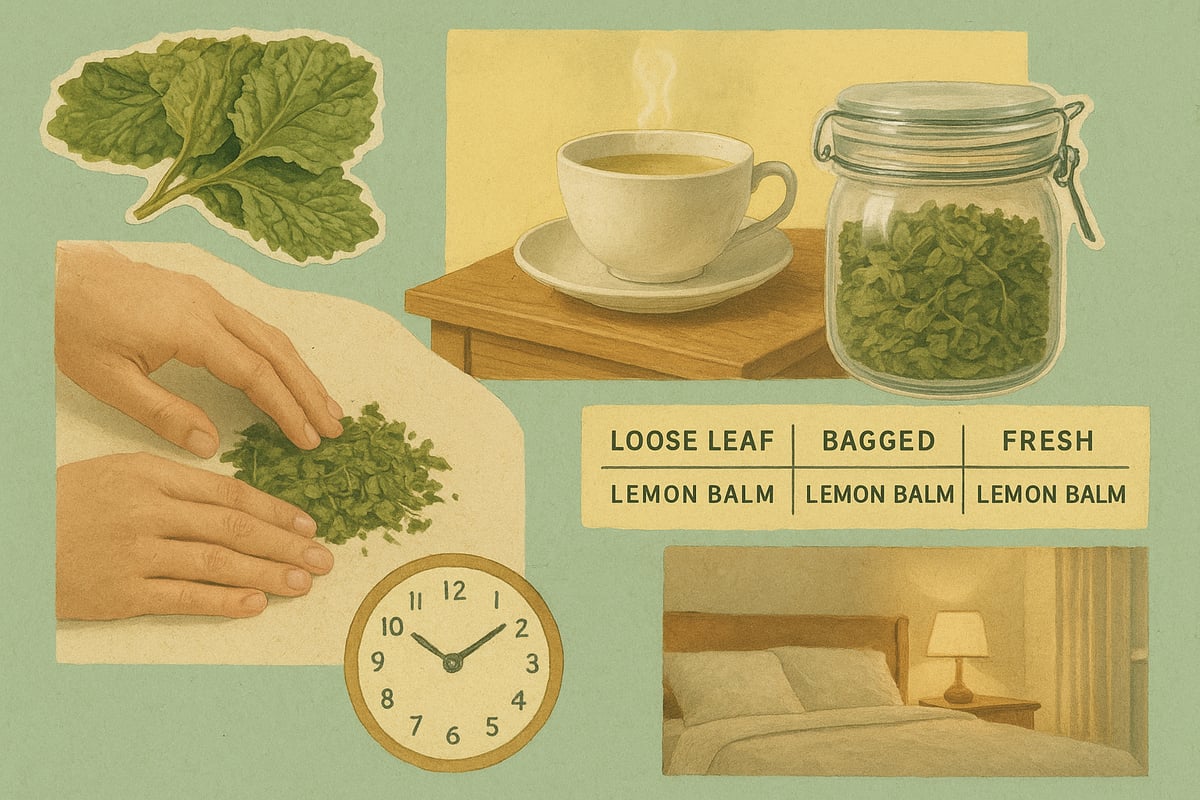
The foundation of a restful cup is high-quality lemon balm. For the best lemon balm tea for sleep, we recommend organic, whole-leaf or cut-and-sifted options. Freshness matters: look for vibrant green leaves with a bright, citrusy scent. If the aroma is dull or faded, the potency may be lacking.
Proper storage keeps your lemon balm at its best. Use airtight containers, store away from heat and light, and check for any signs of moisture or discolouration. Here’s a quick comparison:
| Form | Aroma & Potency | Shelf Life | Best Use |
|---|---|---|---|
| Loose-leaf | Strongest | 6-12 months | Custom blends |
| Bagged | Milder | 6 months | Convenience |
| Fresh | Brightest | Use within days | Spring/summer |
Transparency about sourcing is key. Many EU herbalists value knowing the origin and harvest date. For more on preparation tips and benefits, see this brewing lemon balm tea: health benefits and preparation guide.
Brewing the Perfect Cup: Method and Ritual
To make lemon balm tea for sleep, start with 1–2 teaspoons of dried leaves (or a small handful of fresh). Use water just off the boil, around 90°C. Pour over the leaves and steep for 5–10 minutes, covered, to preserve the calming oils.
Traditional European methods often add a slice of lemon or a drizzle of honey. Some enjoy blending lemon balm with chamomile or lavender for a gentle flavour twist. Whatever your method, let the preparation become a mindful pause—notice the aroma, the warmth, the shifting pace of evening.
Adjust the strength to your taste. A longer steep brings a more robust, soothing effect, while a shorter one is lighter.
When and How Much to Drink for Sleep
Timing and portion matter for the full benefit of lemon balm tea for sleep. We suggest drinking your cup 30 to 60 minutes before bed, giving the calming compounds time to work. A typical serving is one cup nightly, though many find two cups still gentle and well-tolerated.
Make it part of your routine: perhaps after a light meal, paired with a book or quiet music. Some find it helpful to combine with other calming habits, like gentle stretching or a warm bath.
Listen to your body. If you notice any unusual effects, adjust the amount or timing. With consistent use, lemon balm tea for sleep can become a comforting anchor in your evening ritual.
Lemon Balm Tea Safety: Who Should Use Caution?
Lemon balm tea for sleep is widely valued in European herbal tradition for its gentle, calming effects. For most adults, it is considered well-tolerated and non-habit-forming, with centuries of safe use as a bedtime infusion. However, as with any herbal remedy, it is important to understand who should use caution, and how to enjoy lemon balm tea for sleep safely.
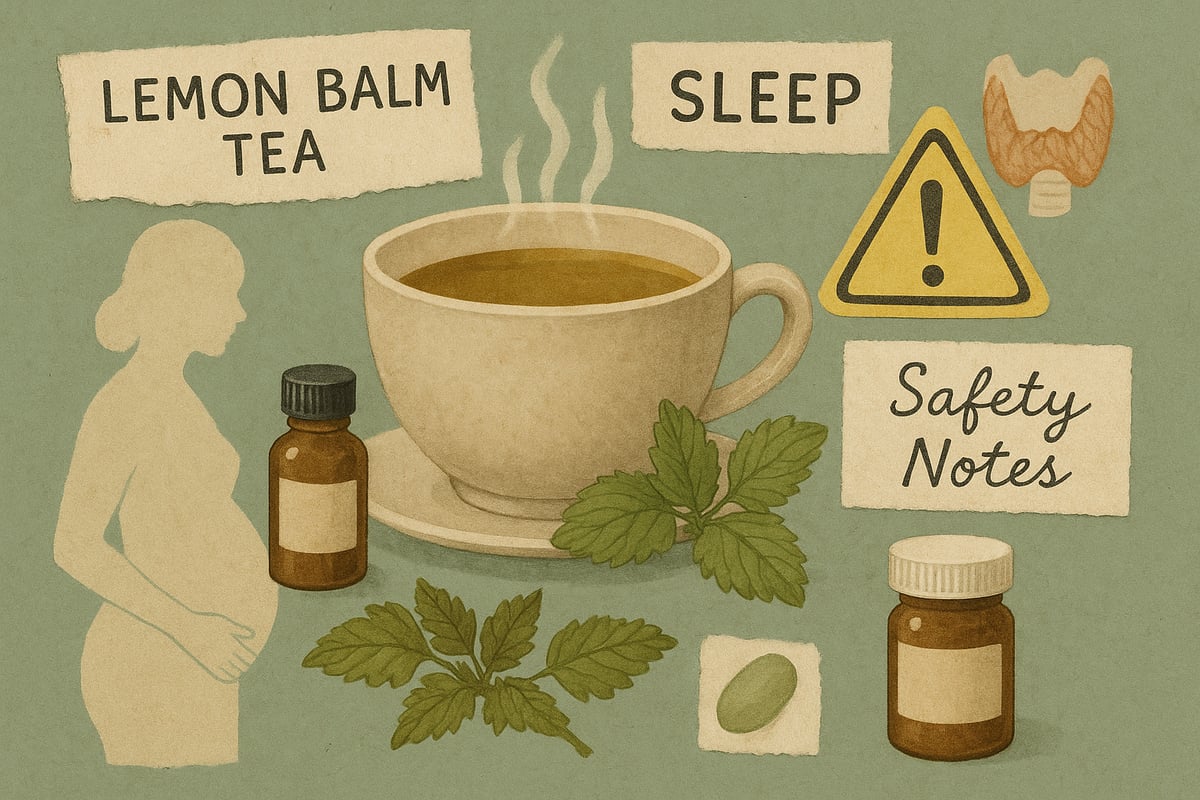
Who should take extra care with lemon balm tea for sleep? While most people can enjoy this herbal tea, there are some groups who need to be mindful:
- Pregnant or breastfeeding individuals: Traditional use of lemon balm tea for sleep does not always apply during pregnancy. Research is limited, so it is best to avoid unless advised by a healthcare professional.
- Thyroid conditions: Lemon balm may affect thyroid hormone levels. If you have hypothyroidism or are taking thyroid medication, consult your doctor before using lemon balm tea for sleep.
- Medication interactions: Lemon balm can interact with sedatives, barbiturates, and certain antiretroviral medicines. If you are on prescription medication, especially for sleep or anxiety, check for possible interactions first. For a comprehensive list of potential side effects and interactions, see this lemon balm safety and side effects guide.
Most adults and older adults in the EU find lemon balm tea for sleep gentle and soothing as part of an evening ritual. For children, moderate amounts are considered safe in traditional European herbalism, but always use a lower dose and seek advice for long-term or regular use.
Rare but possible reactions include:
- Mild digestive upset
- Skin rash or allergic reaction (especially if sensitive to mint family plants)
- Unusual drowsiness
If you notice any of these, pause use and consult a healthcare professional. Lemon balm tea for sleep is not a substitute for medical care if you have ongoing or severe sleep issues.
As always, we encourage you to make informed choices and seek personalised advice. Our blends are crafted for gentle support and transparency is at the heart of everything we do.
Lemon Balm in Holistic Sleep Rituals: Blends, Pairings, and Evening Practices
Winding down at night is about more than what you drink—it's an experience for all the senses. In many European homes, making lemon balm tea for sleep marks the start of a gentle bedtime ritual. This simple act can anchor your evening, signalling to your mind and body that rest is near.
Creating a holistic wind-down involves more than just sipping tea. Try dimming the lights, playing calming music, or lighting a natural candle. Many find journaling or guided breathing helps quiet a busy mind. For extra inspiration, explore our guide to evening herbal rituals for rest, which offers practical steps for building a restful routine. Across Europe, traditions like herbal foot soaks, reading, and gentle stretching have long complemented the evening cup.
Blending Lemon Balm with Other Herbs
Traditionally, lemon balm tea for sleep is rarely enjoyed alone. Herbalists often combine it with chamomile, lavender, passionflower, or oatstraw, each adding unique calming notes. Blends are crafted to suit individual needs—chamomile for gentle relaxation, lavender for soothing aroma, passionflower for mild tension.
Here's a quick comparison of popular pairings:
| Herb | Traditional Use | Flavour Notes |
|---|---|---|
| Chamomile | Settling nerves, digestion | Apple, floral |
| Lavender | Easing restlessness | Floral, aromatic |
| Passionflower | Mild tension, calm | Earthy, slightly sweet |
| Oatstraw | Nourishment, resilience | Mild, grassy |
When blending, start with equal parts and adjust for taste. Always check for allergies, especially if you are new to a particular herb. For more on which combinations are supported by research, see our best herbs for sleep guide. Remember, blending herbs is both a science and an art—personal preference matters.
Supporting Sleep with Lifestyle and Nutrition
Lemon balm tea for sleep is most effective when paired with healthy sleep habits. Avoid caffeine or heavy meals late in the evening. Stick to a regular bedtime and reduce screen time before sleep. Simple self-care, like a warm bath or light stretching, can further promote relaxation.
Think of your evening as a sequence: gentle movement, herbal tea, and a calming activity. This holistic approach helps your body recognise it's time to rest. Herbal teas are part of a bigger picture—experiment and notice what works for you. Small changes, done consistently, add up to better sleep over time.
Natura Sacra’s Approach to Herbal Sleep Support
At Natura Sacra, we believe the path to restful nights begins with a blend of tradition and research. Our approach to lemon balm tea for sleep is grounded in centuries of European herbal wisdom, combined with the latest scientific insights.
We select only organic, whole-leaf botanicals for our small-batch teas, ensuring each blend offers gentle support for relaxation and sleep. Lemon balm is a hero plant in our Deep Sleep Tea blend, paired thoughtfully with other calming herbs for a balanced effect.
We are committed to education, transparency, and empowering you to make informed choices. If you are curious about natural ways to support restful sleep, we invite you to discover our EU-crafted herbal blends and explore how lemon balm tea for sleep can enrich your evening ritual.
As you’ve seen in this guide, lemon balm tea brings together centuries of herbal tradition and modern research for a simple, effective way to support restful sleep. Whether you’re looking to create a soothing bedtime ritual or want to explore how herbs can work with your body’s natural rhythms, there’s so much to discover. If you’re ready to put these ideas into practice and try small batch herbal blends made with care and research in mind, I invite you to discover our Stress & Sleep remedies crafted to help you unwind and restore balance.