Ontdek de 9 beste kruidenplanten om thuis te kweken in 2026 voor natuurlijke gezondheid en besparingen. Leer over de voordelen, kweektips en hoe je kruidengeneesmiddelen maximaal benut.
9 Essentiële Kruidenplanten voor Thuis in 2026

In 2026, wenden meer mensen dan ooit zich tot zelfgekweekte kruidengeneesmiddelen, op zoek naar natuurlijke en duurzame manieren om hun welzijn te ondersteunen. De beweging om kruidenplanten thuis te kweken floreert en biedt een toegankelijk pad naar verse, krachtige en chemicaliënvrije ingrediënten voor gezondheid, koken en holistisch leven.
Het zelf kweken van kruiden is niet alleen bevredigend, het geeft u ook controle over kwaliteit en kosten. Stel je voor dat je naar buiten stapt om precies te oogsten wat je nodig hebt, wetende dat je planten zo vers mogelijk zijn.
Nieuwsgierig welke soorten u als eerste moet proberen? Deze gids onthult de 9 essentiële beste kruidenplanten om thuis te kweken, onderzoekt hun unieke voordelen en deelt praktische tips voor succesvol tuinieren.
Waarom kruidenplanten thuis kweken in 2026?
De interesse in de beste kruidenplanten stijgt in 2026, en het is gemakkelijk te zien waarom. Overal zoeken mensen naar groenere, natuurlijkere manieren om hun gezondheid, keuken en levensstijl te ondersteunen. Het zelf kweken van kruiden is niet alleen een trend, het is een praktische verschuiving naar meer welzijn en duurzaamheid.
Gezondheids- en welzijnstrends
De zoektocht naar natuurlijke remedies transformeert de manier waarop we dagelijks welzijn benaderen. Plantaardige oplossingen zijn zeer gewild, waarbij de beste kruidenplanten zachte ondersteuning bieden voor spijsvertering, slaap, stress en immuniteit.
Mensen stappen af van synthetische supplementen en kiezen er in plaats daarvan voor om geneeskrachtige kruiden te kweken die ze kunnen vertrouwen. Deze praktische aanpak geeft u controle en gemoedsrust over wat er in uw lichaam komt.
Milieuvoordelen
Het zelf kweken van de beste kruidenplanten is een duurzame keuze met een reële impact. Zelfgekweekte kruiden helpen uw ecologische voetafdruk te verkleinen, omdat ze niet verzonden of verpakt hoeven te worden.
U vermijdt ook pesticiden en schadelijke chemicaliën, waardoor uw tuin en keuken milieuvriendelijk blijven. Het composteren van kruidenafval vermindert bovendien afval, wat een circulaire, groene levensstijl ondersteunt.
Economische overwegingen
Stijgende kosten van biologische producten en kruidensupplementen maken het zelf kweken van de beste kruidenplanten een aantrekkelijke optie. Een enkel pakje zaden kan maandenlang verse kruiden opleveren voor een fractie van de prijs van in de winkel gekochte alternatieven.
U bespaart op termijn geld terwijl u geniet van superieure kwaliteit en versheid, vooral als u kruiden dagelijks gebruikt in de keuken of welzijnsroutines.
Toegankelijkheid en aanpassing
Een van de grootste voordelen van het kweken van de beste kruidenplanten is het hele jaar door toegang tot verse, krachtige bladeren en bloemen. Of u nu een tuin heeft of gewoon een zonnige vensterbank, kruiden gedijen in kleine ruimtes.
Moderne indoor tuinbouw systemen maken het gemakkelijker dan ooit. Voor stap-voor-stap advies behandelt de Gids voor het kweken van kruiden binnenshuis essentiële vereisten voor licht, grond en verzorging.
U kunt ook uw selectie aanpassen, door soorten te kiezen die passen bij uw persoonlijke smaak of gezondheidsbehoeften.
Wetenschappelijke ondersteuning
Recente studies bevestigen de voordelen van de beste kruidenplanten. Pepermunt kan bijvoorbeeld de spijsvertering kalmeren, terwijl kamille een rustgevende slaap bevordert.
Klinische proeven benadrukken de effectiviteit van zelfgekweekte kruiden voor alledaagse gezondheidsproblemen. Deze evidence-based aanpak betekent dat u vertrouwen kunt hebben in de resultaten, niet alleen kunt vertrouwen op traditie.
Stedelijke tuinbouwinnovaties
Stedelingen worden niet buiten de kruidenrevolutie gelaten. Vooruitgang in hydrocultuur, compacte kweeklampen en verticale tuinen brengen de beste kruidenplanten in flats en kleine huizen.
Deze innovaties stellen iedereen in staat om verse kruiden te kweken, ongeacht de buitenruimte. Tuinbouw-apps en slimme sensoren maken het monitoren van de groei gemakkelijker, zelfs voor beginners.
Gemeenschaps- en educatieve waarde
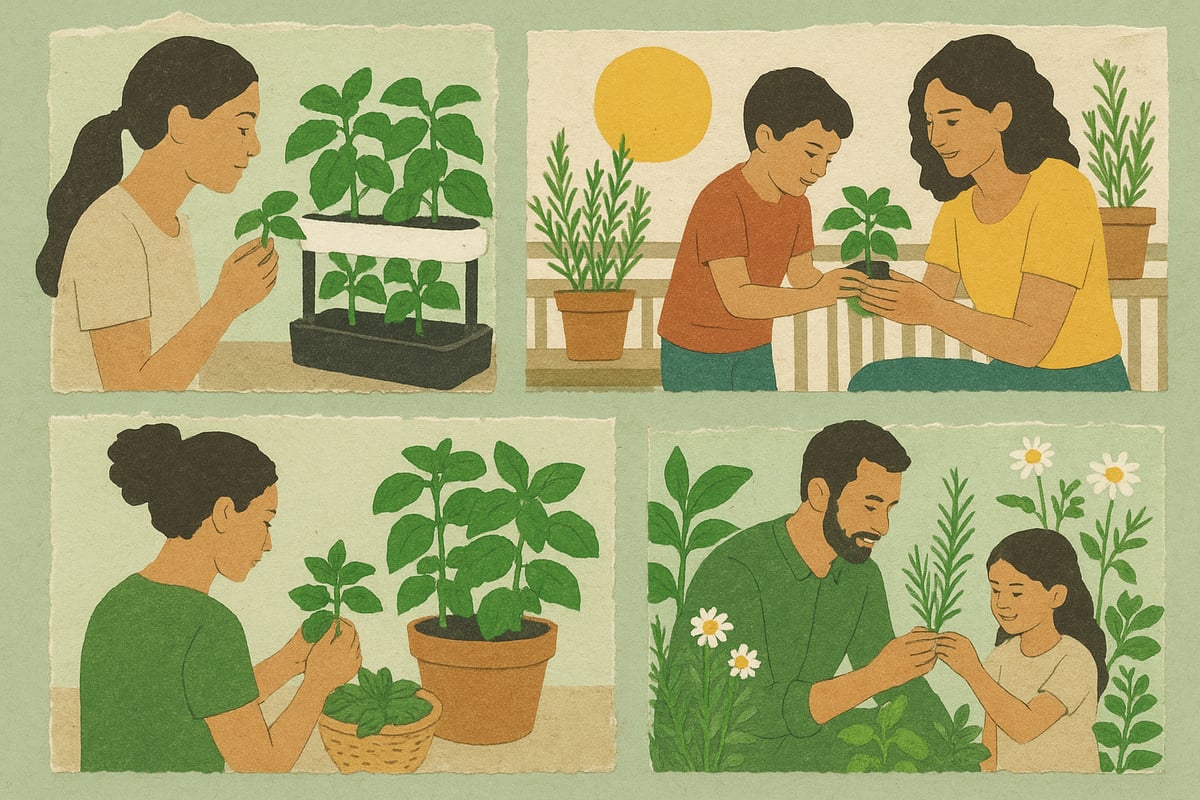
Thuis kruidentuinieren gaat over meer dan planten, het gaat over verbinding. Families kunnen samen tuinieren, oogsten en remedies maken.
Het delen van tips en stekjes met buren bouwt de gemeenschapszin op. Scholen en lokale clubs omarmen de beste kruidenplanten als hulpmiddelen voor praktisch leren en welzijn.
Het kweken van kruiden thuis in 2026 is een holistische investering. Het ondersteunt uw gezondheid, uw portemonnee en de planeet, terwijl het een gevoel van voldoening en vreugde geeft.
9 Essentiële beste kruidenplanten om thuis te kweken in 2026
Klaar om uw welzijnsroutine te transformeren? Het kweken van de beste kruidenplanten thuis is gemakkelijker dan ooit in 2026. Met de vooruitgang in tuintechnologie en een hernieuwde passie voor natuurlijke gezondheid, ontdekken steeds meer mensen het plezier en de voordelen van het zelf kweken van hun eigen kruidengeneesmiddelen.
Deze negen beste kruidenplanten vallen op door hun veelzijdigheid, veerkracht en wetenschappelijk ondersteunde gezondheidsvoordelen. Of u nu een beginner bent of een ervaren tuinier, deze keuzes bieden voor elk wat wils. Laten we eens kijken waarom dit de beste kruidenplanten zijn voor uw moestuin.
1. Heilige basilicum (Tulsi)
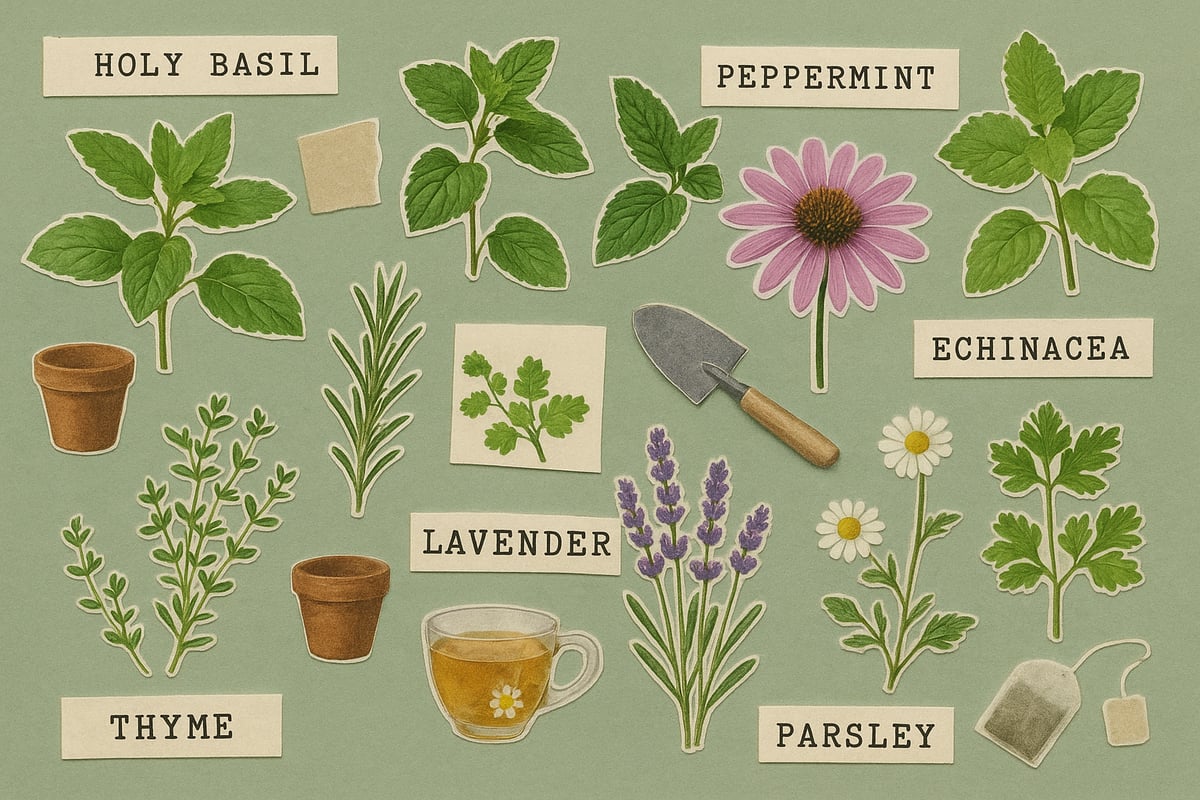
Heilige basilicum, ook bekend als Tulsi, wordt vereerd in zowel Ayurveda als de moderne wetenschap. Dit adaptogene kruid ondersteunt stressverlichting, verhoogt de immuniteit en helpt de energie te balanceren. Het is een basis in holistische tradities en wordt nu erkend als een van de beste kruidenplanten om thuis te kweken.
Tulsi gedijt in warme klimaten met gedeeltelijk zonlicht en regelmatige bewatering. Het afknijpen van de kleine bloemen stimuleert een weelderige bladgroei. De bladeren worden vaak gebrouwen in thee, gebruikt in tincturen en zelfs verwerkt in meditatie rituelen. Studies tonen aan dat Tulsi cortisol kan verlagen en de ademhalingsgezondheid kan ondersteunen.
Voor een diepere duik in de spirituele en wetenschappelijke betekenis van Tulsi, verken Tulsi: spiritualiteit ontmoet wetenschap.
Als u op zoek bent naar een van de beste kruidenplanten voor zowel lichaam als geest, is Tulsi een uitstekend startpunt.
2. Pepermunt
Pepermunt wordt geroemd om zijn spijsverteringskracht, het verlichten van een opgeblazen gevoel, misselijkheid en indigestie. Het verfrissende aroma werkt ook als een natuurlijke oppepper en kan hoofdpijn helpen verlichten. Dit maakt pepermunt een must-have onder de beste kruidenplanten voor thuiswelzijn.
Snelgroeiend en veerkrachtig, pepermunt geeft de voorkeur aan halfschaduw en vochtige grond. Het kan het beste in potten worden gekweekt om wilde verspreiding te voorkomen. Gebruik de bladeren in thee, olie-infusies of als een verkoelend culinair accent.
Onderzoek toont aan dat pepermunt essentiële olie IBS-symptomen kan verbeteren, waardoor het een praktische aanvulling is op uw verzameling beste kruidenplanten.
3. Citroenmelisse
Citroenmelisse schittert door zijn kalmerende effecten, het bevorderen van slaap en het verminderen van angst. Het wordt ook in verband gebracht met cognitieve voordelen zoals verbeterde focus en geheugen. Voor iedereen die geïnteresseerd is in de beste kruidenplanten die mentale helderheid combineren met ontspanning, is citroenmelisse een topkeuze.
Dit kruid is gemakkelijk te kweken in potten of in de tuin, verdraagt halfschaduw en frequent snoeien. Hoe meer u oogst, hoe bossiger het wordt. De frisse, citrusgeurende bladeren zijn perfect in thee, salades of zelfgemaakte balsems.
Klinische proeven tonen aan dat citroenmelisse-extract de slaapkwaliteit kan verbeteren. Deze veelzijdigheid bevestigt zijn plaats onder de beste kruidenplanten voor moderne huizen.
4. Echinacea
Echinacea is wereldberoemd om zijn immuunversterkende eigenschappen. Het wordt vaak gebruikt om de ernst en duur van verkoudheid te verminderen. De levendige bloemen verfraaien niet alleen uw tuin, maar trekken ook bestuivers aan, waardoor het een tweeledige ster is onder de beste kruidenplanten.
Echinacea geeft de voorkeur aan goed doorlatende grond en volle zon. Als vaste plant keert het elk jaar terug met minimale inspanning. Zowel de wortels als de bloemen kunnen worden gebrouwen tot thee of tincturen.
Een meta-analyse ondersteunt de rol van Echinacea in immuunmodulatie. Als u veerkracht en schoonheid wilt in uw beste kruidenplanten, is Echinacea een must.
5. Rozemarijn
Rozemarijn staat bekend om het ondersteunen van geheugen en concentratie. De aromatische takjes zijn een culinaire basis, prachtig te combineren met geroosterde gerechten. Droogtebestendig en robuust, rozemarijn hoort in elke lijst van de beste kruidenplanten.
Deze mediterrane struik gedijt in arme grond en volle zon. Regelmatig snoeien behoudt zijn vorm en stimuleert nieuwe groei. Rozemarijn werkt ook als een natuurlijk ongediertebestrijdingsmiddel, en beschermt andere planten.
Studies tonen aan dat het aroma van rozemarijn de alertheid kan verhogen. Het is een praktische, multifunctionele keuze voor uw selectie van de beste kruidenplanten.
6. Kamille
Kamille wordt gekoesterd om zijn zachte kalmerende effecten, het bevorderen van ontspanning en een rustgevende slaap. Het verzacht ook spijsverteringsproblemen en kalmeert geïrriteerde huid. Met zijn madeliefachtige bloemen is kamille zowel mooi als functioneel onder de beste kruidenplanten.
Kweek kamille in goed doorlatende grond en volle zon. Oogst de bloemen op het hoogtepunt van de bloei voor maximale potentie. Gebruik ze in thee, rustgevende kompressen of natuurlijke schoonheidsproducten.
Klinische studies bevestigen de voordelen van kamille voor slaap, waardoor het een vertrouwd lid is van de beste kruidenplantenfamilie.
7. Tijm
Tijm onderscheidt zich door zijn antimicrobiële kracht en traditionele gebruik bij het verlichten van hoest en verkoudheid. Het is ook een culinaire favoriet, essentieel in mediterrane keukens. Voor degenen die op zoek zijn naar de beste kruidenplanten met zowel gezondheids- als smaakvoordelen, is tijm een gemakkelijke winnaar.
Deze winterharde vaste plant verdraagt droogte en arme grond. Het is ook uitstekend geschikt voor combinatieteelt, ter ondersteuning van de gezondheid van nabijgelegen kruiden. Knip stengels voor de bloei voor de volste smaak.
Onderzoek toont aan dat tijmolie effectief is tegen veelvoorkomende pathogenen, wat bijdraagt aan de waarde ervan in uw selectie van de beste kruidenplanten.
8. Lavendel
Lavendel biedt stressverlichting en stemmingsondersteuning, waardoor het een basis is in aromatherapie. De geurige paarse bloemen zijn visueel verbluffend en trekken bestuivers aan. De veelzijdigheid van lavendel plaatst het hoog onder de beste kruidenplanten voor thuisgebruik.
Het gedijt in volle zon en goed doorlatende grond, en verdraagt droogte zodra het is gevestigd. Gebruik lavendel in thee, zakjes, oliën of badproducten. De kalmerende geur is bewezen angst te verminderen in klinische settings.
Lavendel is niet alleen mooi, maar ook een van de beste kruidenplanten voor algeheel welzijn.
9. Peterselie
Peterselie is veel meer dan alleen een garnering. Het is een nutritionele krachtpatser, boordevol vitamines A, C en K. Het ondersteunt de gezondheid van nieren en lever, waardoor het een essentiële keuze is onder de beste kruidenplanten.
Peterselie groeit goed in potten of in de tuin en is tweejarig, wat betekent dat het twee jaar oogsten oplevert. Knip buitenste stengels om continue nieuwe groei te bevorderen. Voeg het toe aan salades, groene sappen, of als een heldere finishing touch aan maaltijden.
Met zijn antioxidantengehalte helpt peterselie oxidatieve stress te bestrijden, waardoor het een plekje heeft in de beste kruidenplanten om thuis te kweken.
Tips voor het kweken van kruiden voor beginners
Het starten van uw eigen beste kruidenplantentuin kan eenvoudig en ongelooflijk lonend zijn. Met de juiste aanpak zult u het hele jaar door genieten van verse, krachtige kruiden en vertrouwen krijgen als thuiskweker.
Kies de juiste locatie
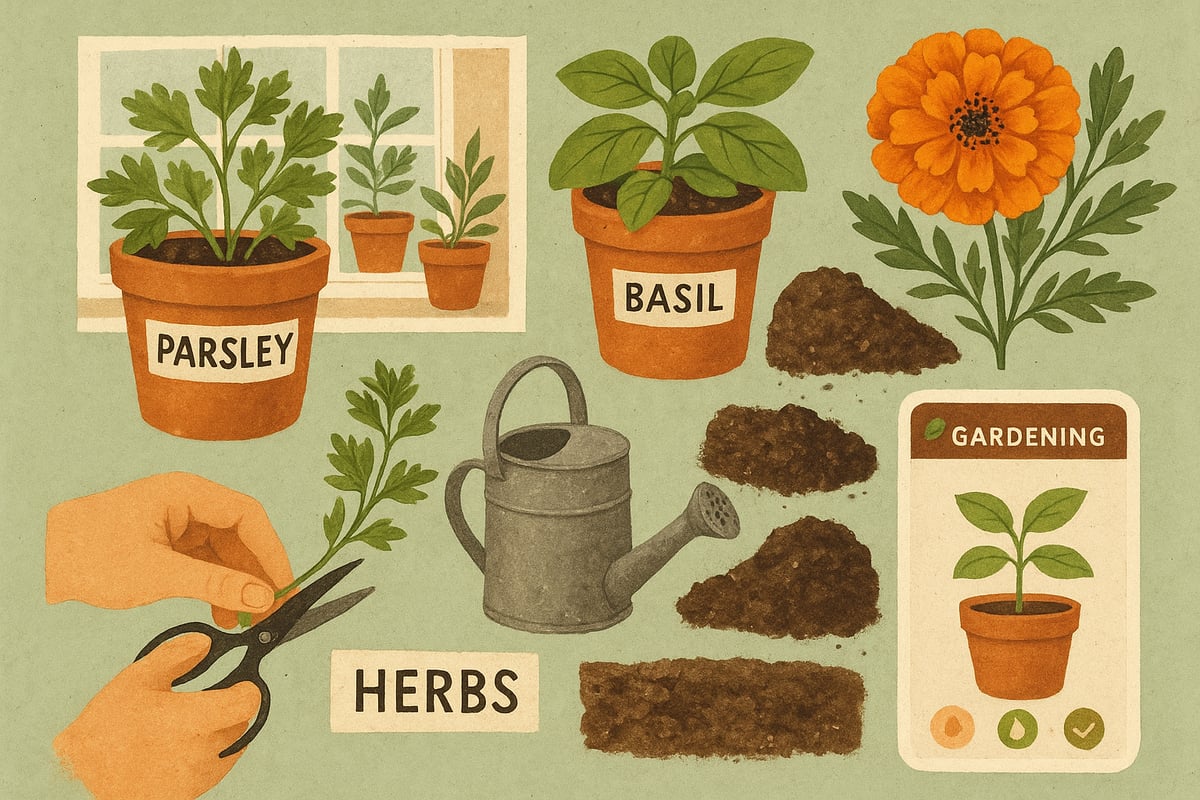
De meeste van de beste kruidenplanten hebben minstens zes uur zonlicht per dag nodig. Ramen op het zuiden werken goed binnenshuis, terwijl buitenbedden veel ochtendzon moeten krijgen. Een goede luchtstroom helpt ziekten te voorkomen, en verhoogde plantenbakken kunnen de afwatering verbeteren als uw grond zwaar is.
Grondvoorbereiding is belangrijk
Gezonde grond is de basis voor bloeiende kruiden. Meng organische compost om voedingsstoffen te stimuleren en de vochtbalans te behouden. Streef naar een neutrale pH, aangezien de meeste beste kruidenplanten de voorkeur geven aan grond die niet te zuur of te alkalisch is. Als u het niet zeker weet, zijn er eenvoudige thuistestkits verkrijgbaar.
Beheers bewatering en drainage
Overbewatering is een veelvoorkomende fout voor beginners. De meeste kruiden houden van vochtige, maar niet drassige grond. Laat de bovenste centimeter grond drogen voordat u opnieuw water geeft. Containers moeten drainagegaten hebben om wortelrot te voorkomen. Voor meer praktische adviezen kunt u deze Tips voor kruidentuinieren bekijken.
Natuurlijke bestrijding van plagen en ziekten
Let op bladluizen, spint en schimmelplekken. Combinatieteelt – zoals het kweken van basilicum met tomaten of goudsbloemen met peterselie – kan plagen op natuurlijke wijze afschrikken. Verwijder dode bladeren en vermijd overbevolking om het risico op ziekten te verminderen.
Oogsten en bewaren
Pluk bladeren 's ochtends, net nadat de dauw is opgedroogd, voor de beste smaak en potentie. Regelmatig oogsten stimuleert nieuwe groei. Bij het conserveren van uw beste kruidenplanten, droog ze aan de lucht of gebruik een dehydrator om hun voordelen te behouden. Voor gedetailleerde conserveringsmethoden, zie Kruiden kweken in moestuinen.
Binnen vs. buiten kweken
Als u in een flat woont of beperkte buitenruimte heeft, maakt u zich geen zorgen. Veel van de beste kruidenplanten gedijen op vensterbanken of onder LED-groeilampen. Buitentuinen bieden meer ruimte voor variatie, maar containers werken net zo goed voor beginners.
Essentiële hulpmiddelen en bronnen
Enkele basisprincipes maken het verschil – gebruik schone, scherpe scharen om te oogsten, een kleine troffel om te planten, en overweeg een tuinier-app om watergift en groei bij te houden. Starterkits kunnen u helpen met vertrouwen te beginnen.
Voorkom veelvoorkomende fouten
Overbevolk uw potten niet, want kruiden hebben ruimte nodig om te ademen. Het verwaarlozen van regelmatig snoeien kan leiden tot lange, spichtige groei. Bewaar gedroogde kruiden in luchtdichte containers, uit de zon, om hun kwaliteit te behouden.
Het zelf kweken van uw beste kruidenplanten is een reis, geen race. Met deze praktische tips zult u uzelf voorbereiden op een gezonde, duurzame en plezierige kruidentuin – direct vanuit uw keuken of balkon.
Optimaliseren van de voordelen van zelfgekweekte kruidenplanten
Het zelf kweken van de beste kruidenplanten is nog maar het begin. Om er echt van te profiteren, moet u weten hoe u hun potentie kunt bewaren en ze in uw dagelijks leven kunt integreren. Laten we eens kijken naar eenvoudige manieren om het meeste uit uw kruidenoogst te halen.
Drogen en bewaren voor potentie
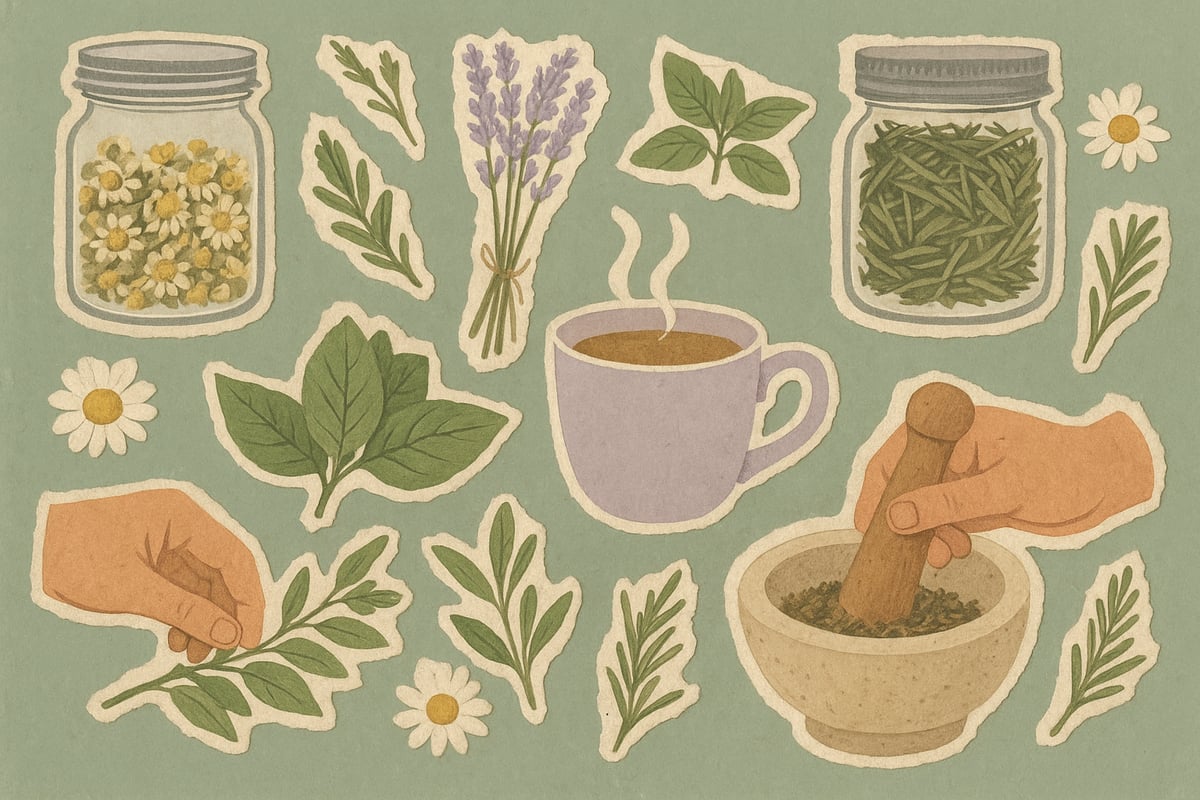
Het correct drogen van uw beste kruidenplanten zorgt ervoor dat hun geneeskrachtige eigenschappen langer behouden blijven. Luchtdrogen is eenvoudig: hang kleine bosjes ondersteboven op een warme, droge plaats met goede luchtcirculatie. Eenmaal volledig droog, bewaart u bladeren en bloemen in luchtdichte glazen potten, uit de zon. Voor meer tips over oogsten en conserveren is de Gids voor het kweken van kruiden een geweldige referentie.
Het maken van thee, tincturen en infusies
Transformeer uw beste kruidenplanten in thee, tincturen of infusies om het hele jaar door het welzijn te ondersteunen. Trek gedroogde kamille of citroenmelisse voor kalmerende thee. Maak tincturen met alcohol of glycerine voor geconcentreerde extracten, of maak olie-infusies voor huidverzorging. Op zoek naar wetenschappelijk onderbouwde mengsels voor een betere slaap? Ontdek praktische recepten in Kruiden voor een betere slaap.
Dagelijkse integratie en veiligheid
Voeg verse kruiden toe aan salades, soepen of smoothies voor een dagelijkse voedingsboost. Gebruik lavendel of pepermunt in zelfgemaakte badproducten of schoonheidsroutines. Controleer altijd de plantidentificatie en begin met kleine hoeveelheden om de tolerantie te beoordelen, vooral als u nieuw bent met kruidengeneesmiddelen.
Leren en verbinden
Word lid van lokale tuinclubs of online forums om tips te delen en kruidenwijsheid uit te wisselen. Breid uw kennis uit met betrouwbare boeken en cursussen, zodat u de beste kruidenplanten veilig en effectief gebruikt.
Zelfgekweekte kruiden zijn meer dan alleen planten, ze zijn een toegangspoort tot empowerment van welzijn en levenslang leren.
U hebt zojuist negen van de meest waardevolle kruidenplanten verkend om thuis te kweken in 2026 – elk met zijn eigen unieke voordelen voor uw welzijn, van stressverlichting tot betere slaap en spijsverteringsondersteuning. Als u geïnspireerd bent om plantenwijsheid onderdeel te maken van uw dagelijkse rituelen, moedig ik u aan om te blijven leren en verkennen. Er is zoveel meer te ontdekken over het doelbewust gebruiken van kruiden, of u nu net begint of uw praktijk wilt verdiepen. Voor meer praktische tips, betrouwbaar onderzoek en ideeën over het integreren van deze krachtige remedies in uw routine, verken meer rituelen en plantenwijsheid op onze blog.