

Discover practical herbal anxiety relief with evidence backed adaptogens and nervines daily rituals and tips for safe natural calm and lasting wellbeing
Anxiety Relief Guide: Herbal Solutions

Feeling overwhelmed by modern life? You’re not alone - anxiety rates are climbing across the globe. When stress strikes, your body releases cortisol and activates the nervous system, which can leave you feeling worn down, restless, and out of balance.
Chronic anxiety can disrupt sleep, dampen your mood, and even weaken your immune system. Many are searching for new ways to manage these effects and support their wellbeing.
This guide dives into evidence-based herbal anxiety relief. You’ll discover how adaptogens and nervines work, which calming herbs are backed by research, and practical ways to use them in daily rituals.
Understanding Stress and Anxiety: Physiology and Herbal Actions
Stress and anxiety are not just feelings—they are real, physical reactions in the body. When stress hits, the body releases hormones like cortisol, flooding the system with energy for action. This fight or flight response is useful in the short term, but when it lingers, it can wear us down.

The Physiology of Stress and Anxiety
Everyday stress triggers the nervous system, raising heart rate and sharpening focus. Cortisol, the body’s main stress hormone, keeps us alert. But if anxiety becomes chronic, it can disrupt sleep, weaken immunity, and leave moods rollercoastering. In 2026, this is more common than ever. Recent ONS well-being statistics February 2025 reveal 1 in 4 UK adults report regular anxiety symptoms.
Many people seek herbal anxiety relief because conventional treatments can have side effects or be hard to access. With rising demand for gentler approaches, interest in plant-based options is growing.
Adaptogens and Nervines: Herbal Mechanisms Explained
Adaptogens and nervines are the main herbal allies for stress. Adaptogens, such as ashwagandha and tulsi, help the body adapt to stress by supporting the HPA axis and moderating cortisol. Nervines, like lemon balm and chamomile, work by calming nervous system activity and easing tension.
Clinical trials from 2020 to 2026 show that these herbs can improve resilience and reduce perceived stress in people seeking herbal anxiety relief. They are often taken as teas, tinctures, or capsules, making them easy to weave into everyday routines.
The Safety and Limits of Herbal Anxiety Relief
While herbal anxiety relief can be gentle and supportive, it is not a one-size-fits-all solution. Evidence-based use is essential, as herbs are not a substitute for professional care, especially in severe cases. Some products overpromise, and not all herbs suit everyone.
Herbs can interact with medications like SSRIs or sedatives, and some should be avoided in pregnancy or with certain health conditions. Always consult a healthcare professional if ongoing or severe anxiety is present.
Key Herbs: Traditional Wisdom Meets Modern Science
Across centuries, cultures have turned to calming herbs for support. Today, modern science is catching up, with lemon balm, ashwagandha, tulsi, and chamomile leading the way in herbal anxiety relief research.
The next section explores these trusted plants, looking at the evidence, how they work, and practical ways to use them in daily life.
Top Calming Herbs for Anxiety Relief
Understanding how stress impacts the body is essential for choosing the right herbal anxiety relief. When we face stress, our bodies release cortisol, activating the nervous system and creating that familiar tension or racing heart. If anxiety becomes chronic, it can disturb sleep, lower immunity, and affect mood. This is where adaptogens and nervines come in. Adaptogens like ashwagandha and tulsi help the body adapt to stress, while nervines such as lemon balm and chamomile gently calm the nervous system. Together, these herbs offer a natural approach to restoring balance, especially as more people seek gentle, evidence-based solutions for herbal anxiety relief.
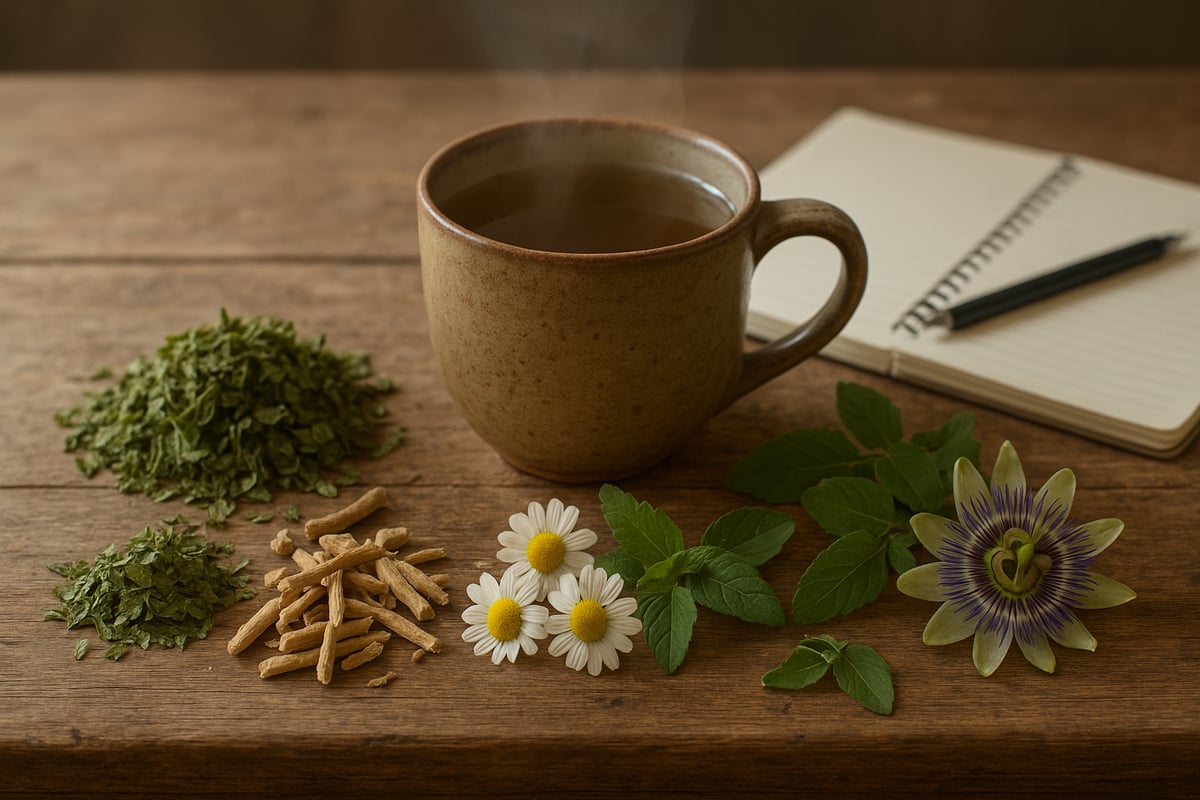
Lemon Balm (Melissa officinalis)
Lemon balm has a long history in European herbal traditions, known for soothing nerves and supporting restful sleep. Modern research backs this up, with a 2024 meta-analysis finding lemon balm can reduce mild-to-moderate anxiety by an average of 18 percent. Its calming effects are thought to come from gentle GABA modulation, offering mild sedation without heaviness. You can enjoy lemon balm as a tea, tincture, or capsule, with most people using 300–600 mg daily or a few cups of tea. Side effects are rare, usually limited to mild digestive upset. For a deeper dive into its benefits for herbal anxiety relief, see this Lemon balm for calm article.
Ashwagandha (Withania somnifera) and Tulsi (Ocimum sanctum)
Ashwagandha is a staple in Ayurveda for building resilience and lifting mood. Recent trials from 2022 to 2025 show it can lower anxiety scores by 30 to 40 percent, mainly by reducing cortisol and balancing brain chemistry. Tulsi, also cherished in Ayurveda, shines for its adaptogenic and antioxidant effects, helping the body cope with daily stress. Double-blind studies confirm tulsi's ability to boost stress resilience and ease anxiety. Both herbs come as capsules, powders, or teas, and are generally safe, though ashwagandha is best avoided during pregnancy or if you have thyroid concerns. These adaptogens form the backbone of many herbal anxiety relief routines.
Chamomile (Matricaria recutita) and Passionflower (Passiflora incarnata)
Chamomile is a classic nervine, often used for gentle sleep support and calming the mind. A 2023 randomised trial found it modestly reduced anxiety in people with generalised anxiety disorder. Passionflower, another nervine, is prized for easing restlessness and supporting GABA activity. Both are best enjoyed as herbal infusions or extracts, often blended together for synergy. Safety profiles are generally mild, though chamomile can trigger allergies in some, and passionflower may cause mild drowsiness. These nervines round out a holistic herbal anxiety relief toolkit.
Creating Your Herbal Anxiety Relief Ritual
Building a daily ritual around herbal anxiety relief makes the benefits more tangible. Try a calming evening tea blend of lemon balm, chamomile, and tulsi, paired with five minutes of deep breathing. This combination can help signal your nervous system to unwind. Keep your ritual simple and consistent, adjusting blends as needed. If anxiety persists, disrupts your daily life, or worsens, it's wise to consult a healthcare professional for further support.
Formulations, Dosages, and Safety: Using Herbs Wisely
Finding your way through the world of herbal anxiety relief can feel a bit like walking into a bustling apothecary – shelves lined with teas, tinctures, and capsules, each with its own promise. But how do you choose the right form, dose, and blend for your needs? Let’s break it down, step by step, so you can use these remedies with confidence and care.

Choosing the Right Form: Tea, Tincture, or Capsule?
The form you choose for herbal anxiety relief plays a big role in how you experience its benefits. Teas are gentle, encourage mindful pauses, and offer a comforting ritual. Tinctures, on the other hand, absorb quickly and are great for those moments when you need fast support. Capsules deliver standardised dosing and suit busy lifestyles.
Here’s a quick comparison:
| Form | Absorption | Onset | Ritualistic Value | Ideal Use |
|---|---|---|---|---|
| Tea | Moderate | 20–40 mins | High | Daily calming routine |
| Tincture | Fast | 5–15 mins | Medium | Acute stress moments |
| Capsule | Variable | 30–60 mins | Low | Consistent dosing |
A 2025 survey found that most people prefer teas for daily herbal anxiety relief, while tinctures are favoured for quick results. If you’re curious about how nervine herbs fit into your daily routine, the Daily use of nervines guide offers practical tips.
Evidence-Based Dosages and Blending Herbs
When it comes to herbal anxiety relief, dosing matters. Lemon balm tea is often enjoyed as 1–2 teaspoons of dried herb per cup, two to three times daily. Ashwagandha capsules typically range from 300–600 mg per day, while tulsi tea can be sipped freely throughout the day.
Blending herbs is a smart way to harness synergy. Research in 2024 showed that herbal blends, such as lemon balm combined with ashwagandha, often outperform single herbs for subjective wellbeing. You can craft your own blends or choose pre-formulated options. DIY lets you tailor taste and effect, while ready-made blends offer convenience and consistency.
Safety, Interactions, and Contraindications
Herbal anxiety relief is generally gentle, but it’s wise to know your body and any medications you take. Common side effects include mild digestive upset or, occasionally, drowsiness. Allergic reactions are rare but possible, especially with chamomile.
Watch for interactions. Herbs like ashwagandha can affect thyroid medication, and nervines may increase the effects of sedatives or SSRIs. Special care is needed for children, pregnant women, and older adults. Always choose herbs from trusted sources to avoid contaminants or mislabelled products.
- Side effects: GI upset, drowsiness, rare allergy
- Interactions: SSRIs, sedatives, thyroid meds
- Populations to avoid: Pregnancy, children, elderly (unless advised)
When to Consult a Healthcare Professional
If anxiety is persistent, severe, or getting worse, it’s time to seek professional support. Herbal anxiety relief works best as part of a bigger toolkit, alongside therapy or lifestyle changes. A clinician can help you blend herbs safely with other treatments and ensure you’re on the right path.
Creating a Daily Herbal Anxiety Relief Ritual
Modern life often keeps our bodies in a near-constant state of alert. When stress signals kick in, our nervous system releases cortisol and adrenaline, priming us to react. Over time, this can leave us feeling depleted, tense, and anxious. Adaptogens like ashwagandha and tulsi help the body adapt to stress, gently nudging cortisol and nervous system activity back toward balance. Nervines such as lemon balm and chamomile work differently, soothing frazzled nerves and encouraging calm. By weaving these herbs into a daily ritual, you can support your body’s natural resilience and create moments of peace.

Building a Mindful Herbal Routine
Consistency is key for herbal anxiety relief. Begin by choosing a time that suits your daily rhythm. Many find a morning cup of tulsi or ashwagandha tea sets a calm tone, while lemon balm in the evening helps the mind unwind. Anchor your herbal practice to a simple ritual: notice the aroma, savour each sip, and set an intention for your day or night. This mindful approach not only allows herbs to work physiologically, but also signals safety to your brain. If morning anxiety is a challenge, explore herbs that reduce morning anxiety for tailored options.
Combining Herbal Support with Breathwork and Mindfulness
Pairing herbal anxiety relief with gentle mindfulness practices amplifies benefits. Try this: while your herbal infusion steeps, settle into a comfortable seat. Practice slow, deep breathing—in for four counts, out for six. Notice the warmth of your cup and the grounding scent of herbs. Research suggests that combining herbs with mindful breathing can yield greater reductions in anxiety symptoms than using either alone. Even five minutes of this daily can help retrain your stress response and make your ritual more restorative.
Sample Daily Rituals and Tea Blends
Tailor your herbal anxiety relief to your needs with simple routines. For morning calm, steep tulsi and lemon balm together. Midday focus? Try a blend of ashwagandha and green tea. Evening wind-down calls for chamomile and lemon balm. Here’s a favourite DIY recipe: combine 1 tsp chamomile, 1 tsp lemon balm, and a few fresh tulsi leaves per cup, steep for 10 minutes, and enjoy. Curious about tulsi’s deeper benefits? Learn more about tulsi's role in anxiety relief. When shopping for blends, look for organic, transparent sourcing and clear labelling.
Natura Sacra: Integrating Research-Backed Herbal Rituals
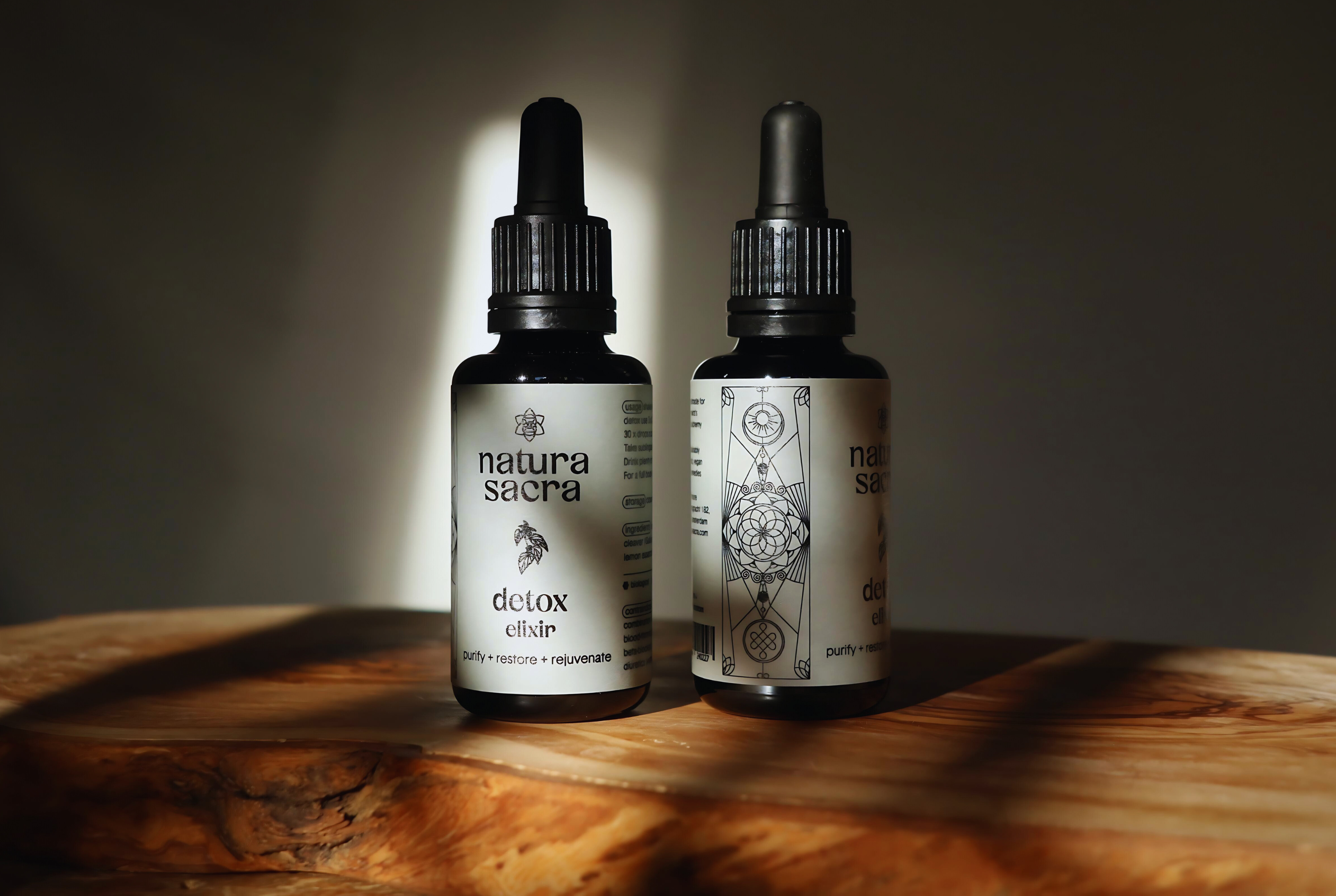
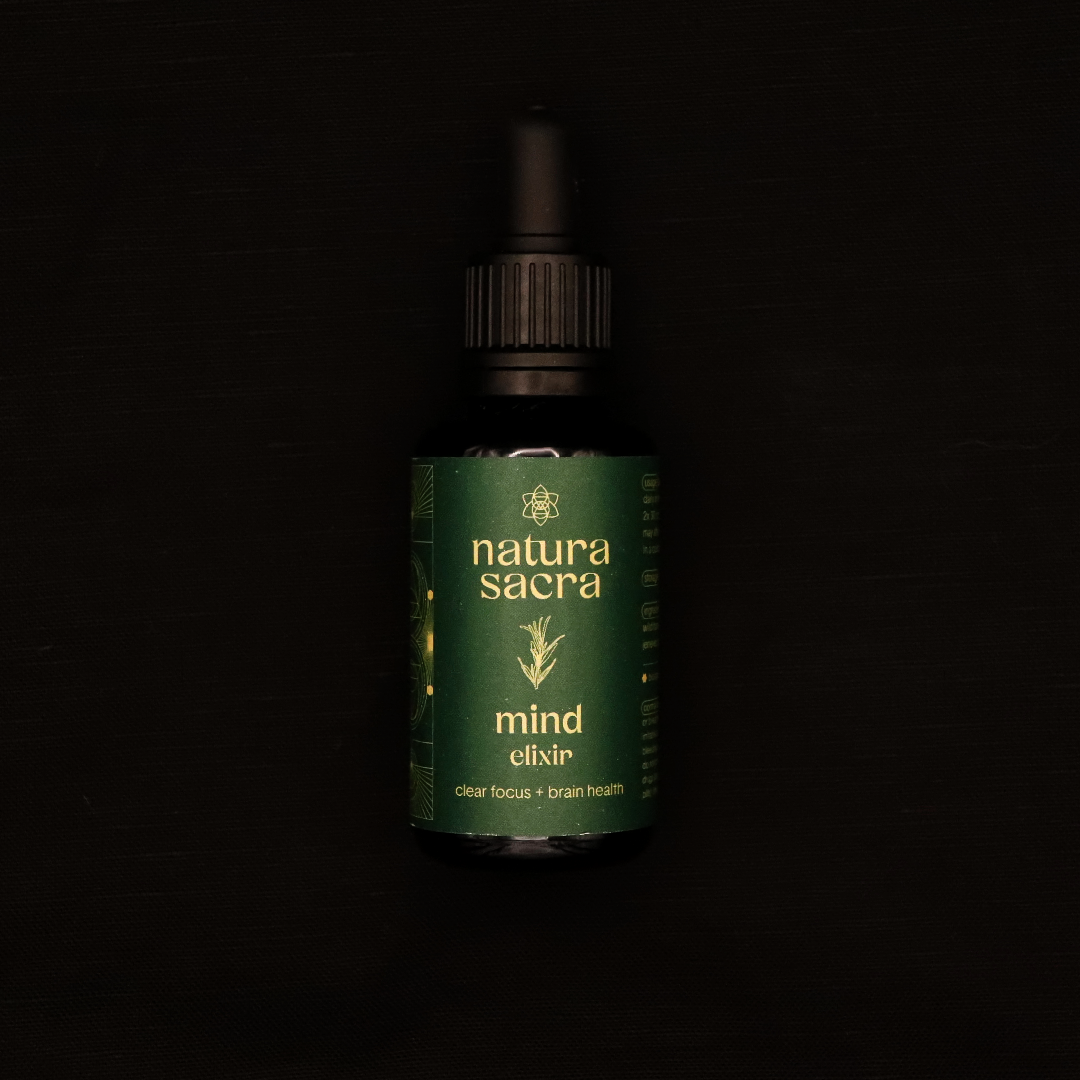
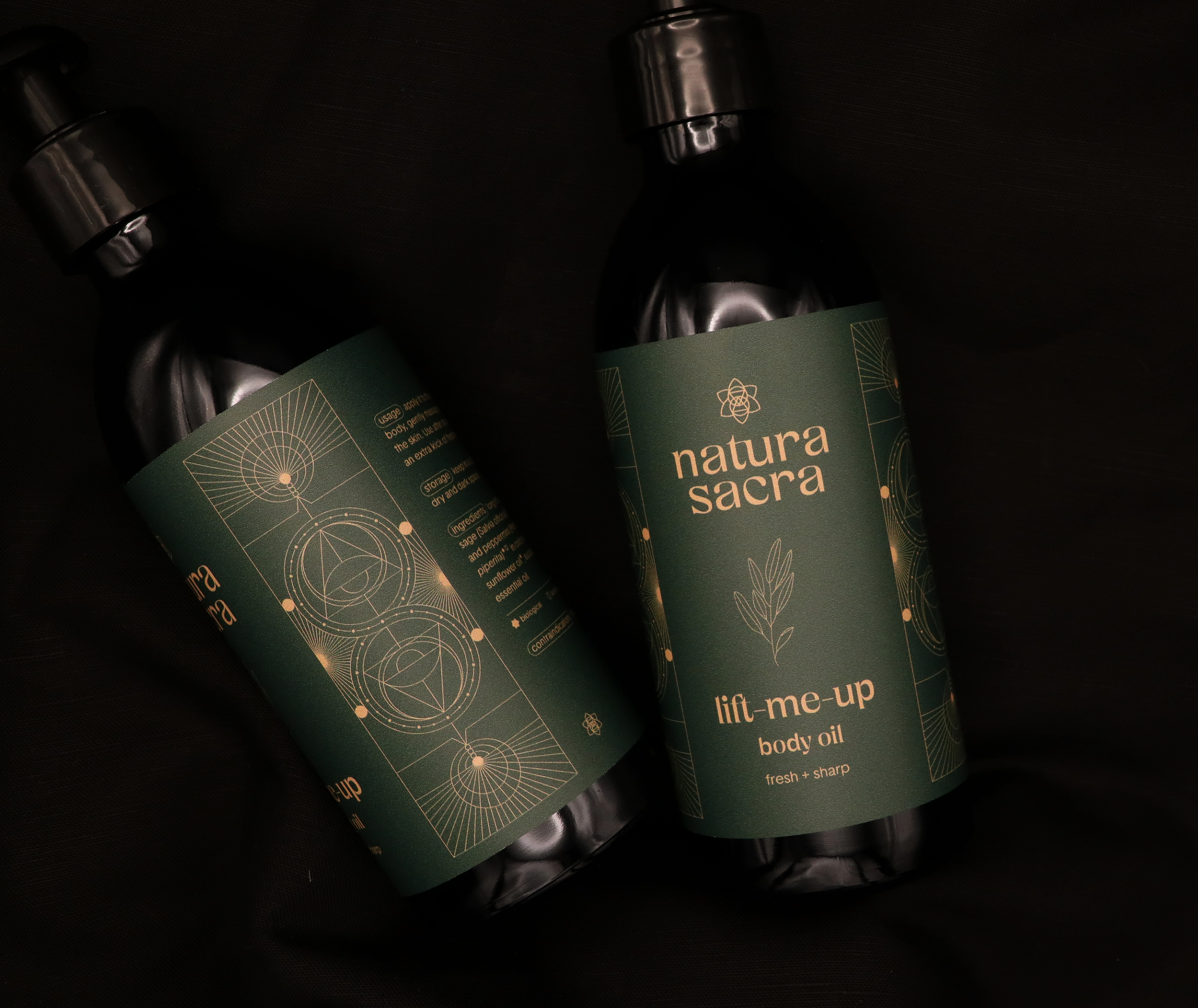
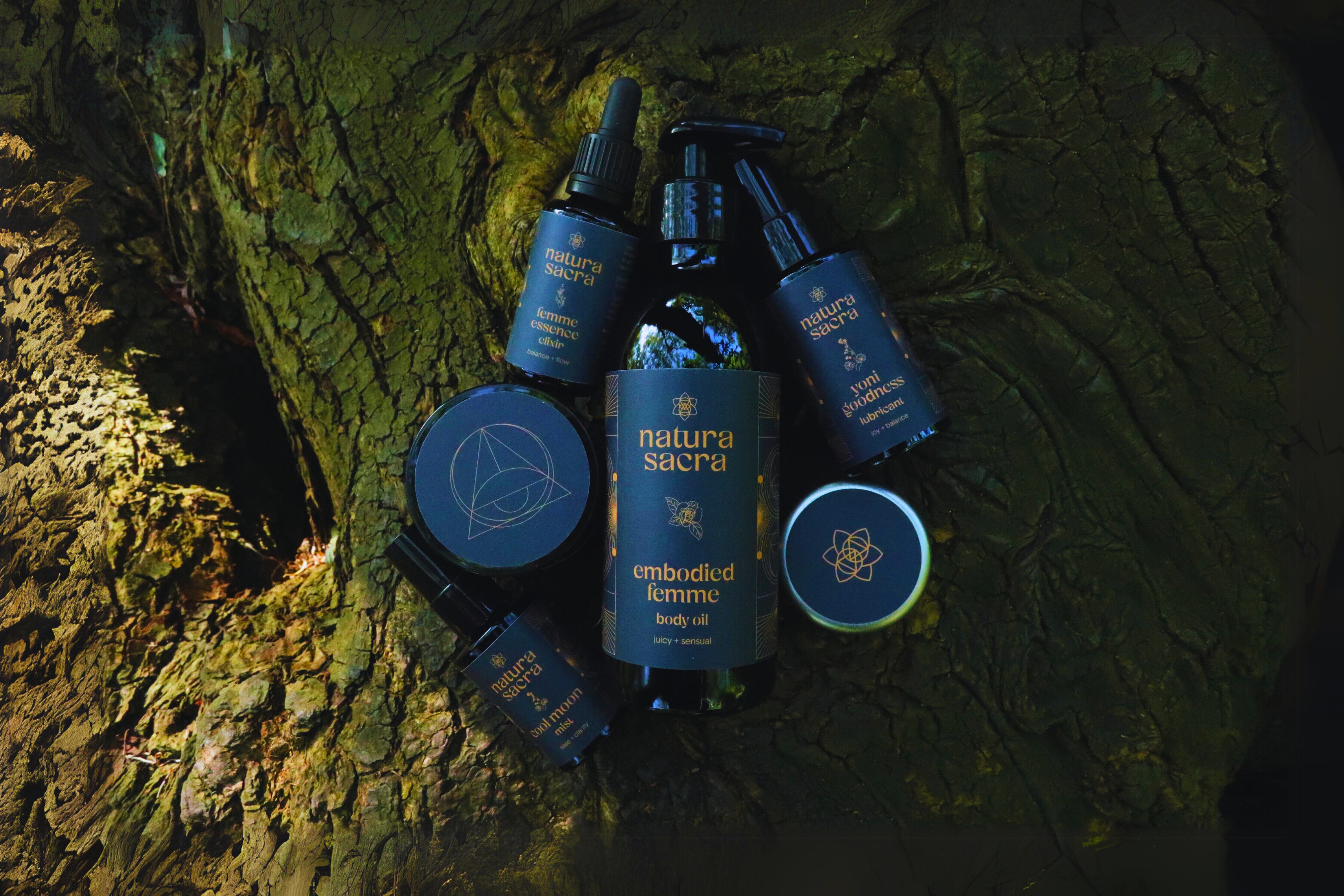
Natura Sacra offers small-batch, research-informed blends crafted to support herbal anxiety relief. Each blend is thoughtfully formulated to honour both tradition and modern evidence. Their approach encourages daily ritual, mindful preparation, and ongoing education for truly sustainable calm. Unsure where to begin? Natura Sacra collection guides you in choosing blends tailored to your unique needs, making it easier to create a daily herbal anxiety relief routine that feels authentic and effective.
Practical Tips for Safe and Effective Herbal Anxiety Relief
Navigating the world of herbal anxiety relief can feel empowering, but it’s important to approach it with clear expectations and care. Let’s explore how to get the most from your herbal routine, from understanding what these remedies can realistically offer to ensuring you’re sourcing the best possible herbs and tracking your personal progress.
Setting Expectations: What Herbs Can and Cannot Do
Herbal anxiety relief is best seen as a supportive tool, not a quick fix or cure. Think of herbs like lemon balm, ashwagandha, and tulsi as gentle companions that can help ease symptoms over time, especially when used alongside healthy routines.
It’s natural to hope for fast results, but most people experience subtle, gradual benefits. Acute effects, such as mild calm or relaxation, may appear within hours, while deeper changes often take weeks of consistent use. According to user surveys from 2022 to 2025, about half of people report noticeable improvements after one to four weeks.
Science backs up this measured perspective. A systematic review of herbal remedies for anxiety found that while many herbs show promise, results can vary and individual responses are unique.
Sourcing Quality Herbs
The quality of your herbal anxiety relief products matters just as much as the herbs themselves. Choose organic, sustainably grown herbs whenever possible. These options help reduce your exposure to pesticides and support environmental health.
Always read labels closely. Look for certifications, clear ingredient lists, and transparent sourcing information. Avoid products with vague origins or unlisted additives. The trend toward small-batch and artisanal producers has grown, making it easier to find trustworthy, high-quality blends.
If you’re unsure, ask questions or seek out brands that value transparency and third-party testing. Investing in quality ensures you get the full benefit of your herbal anxiety relief routine.
Tracking Progress and Adjusting Your Approach
Keeping a simple symptom journal is one of the most effective ways to personalise your herbal anxiety relief journey. Note how you feel before and after taking herbs, and track patterns over days or weeks.
If you notice mild side effects or little benefit, adjust the blend, timing, or dosage in small steps. Sometimes, a different herb or a new combination will suit you better. If symptoms persist, worsen, or you feel unsure, don’t hesitate to pause your routine or consult a healthcare professional.
Regular check-ins with an expert can help you stay on track and adapt your approach as your needs change.
If you’re feeling inspired to weave calming herbs into your daily rituals after reading this guide, you’re not alone. I’ve seen first-hand how a simple cup of lemon balm tea or a mindful evening blend can transform the way we meet stress and restore balance. At Natura Sacra, we believe in the gentle power of plants and the wisdom of daily practices—each remedy thoughtfully crafted to work in harmony with your body’s natural rhythms. If you’re ready to explore research-backed blends created for natural wellbeing, I invite you to discover our small batch herbal remedies crafted for natural wellbeing.