Discover gentle, plant-based ways to support kidney health through herbs, hydration, and daily rituals rooted in traditional wisdom.
Healing the Kidneys Naturally: Herbs, Rituals & Support

Your kidneys work quietly, filtering roughly 200 litres of blood every single day, balancing electrolytes, regulating blood pressure, and removing metabolic waste. Yet most of us don't think about them until something feels wrong. Supporting kidney health doesn't require dramatic interventions or quick fixes. Instead, healing the kidneys naturally often means creating the conditions that allow these remarkable organs to do what they already do best: cleanse, balance, and regenerate. Through thoughtful herbal support, hydration, and gentle detoxification rituals, you can nurture kidney function in ways that honour the body's innate wisdom.
Understanding Kidney Function and Why Support Matters
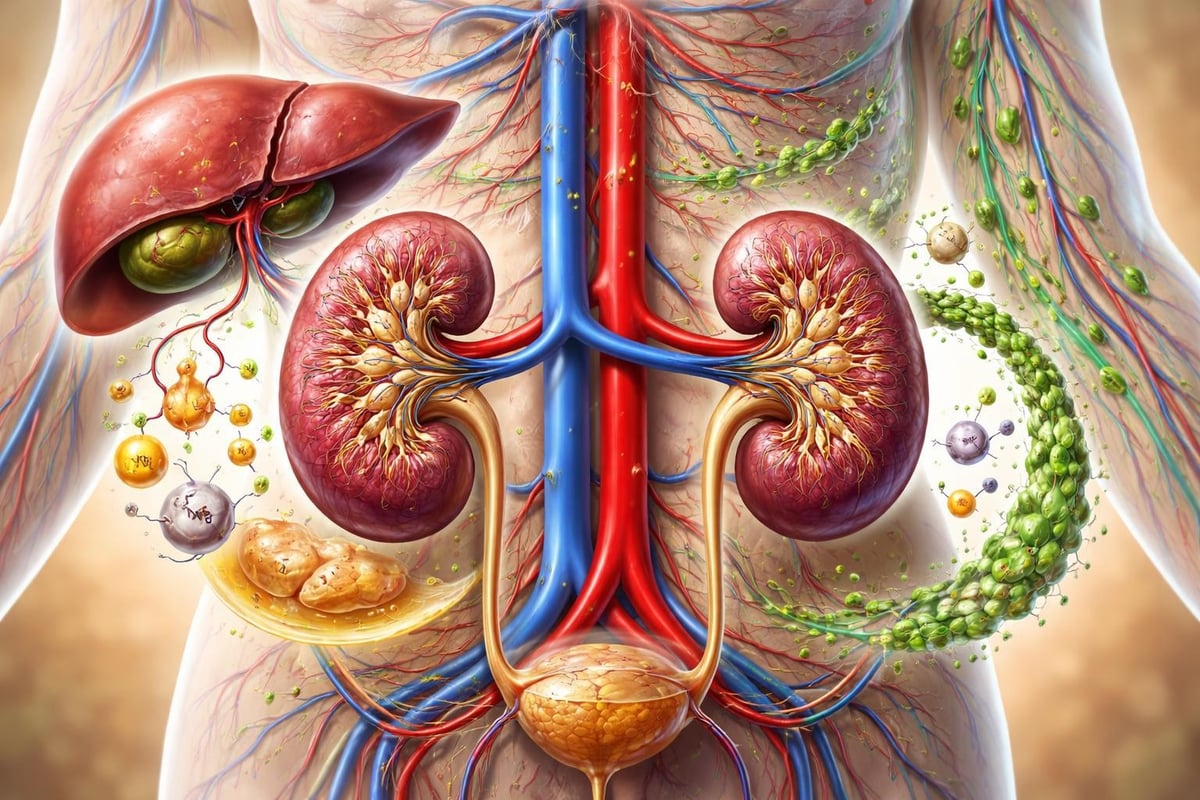
Before exploring herbal approaches, it's worth understanding what your kidneys actually do. These bean-shaped organs sit just below your ribcage, one on each side of your spine. Beyond filtering waste, they produce hormones that regulate blood pressure, stimulate red blood cell production, and activate vitamin D. They maintain the delicate balance of minerals like sodium, potassium, and calcium that keep your heart beating steadily and your muscles functioning properly.
When kidneys struggle, whether from chronic stress, poor hydration, inflammatory diets, or underlying health conditions, the effects ripple throughout your entire system. You might notice:
- Persistent fatigue that doesn't lift with rest
- Puffiness around the eyes or swollen ankles
- Changes in urination (frequency, colour, or discomfort)
- Brain fog or difficulty concentrating
- Unexplained muscle cramps
Research on natural products and kidney health suggests that botanical interventions may help reduce oxidative stress and inflammation, two key drivers of kidney damage. However, it's essential to approach kidney support thoughtfully, especially if you already have diagnosed kidney disease. The National Kidney Foundation advises that some herbs can be contraindicated for those with impaired kidney function, making it vital to work with knowledgeable practitioners.
Hydration: The Foundation of Kidney Health
Water is perhaps the most underestimated tool for healing the kidneys naturally. Your kidneys need adequate fluid to flush waste products and prevent crystal formation that can lead to stones. Yet the quality and timing of your hydration matters as much as quantity.
Aim for clear to pale yellow urine as your guide rather than a rigid number of glasses. Factors like climate, activity level, and individual constitution all influence your needs. Some herbalists suggest starting your day with warm water and a squeeze of lemon to gently stimulate kidney function and support the body's natural morning detoxification cycle.
Herbal Infusions for Gentle Kidney Support
Beyond plain water, certain plant infusions have been traditionally used to support kidney function:
| Herb | Traditional Use | Key Actions |
|---|---|---|
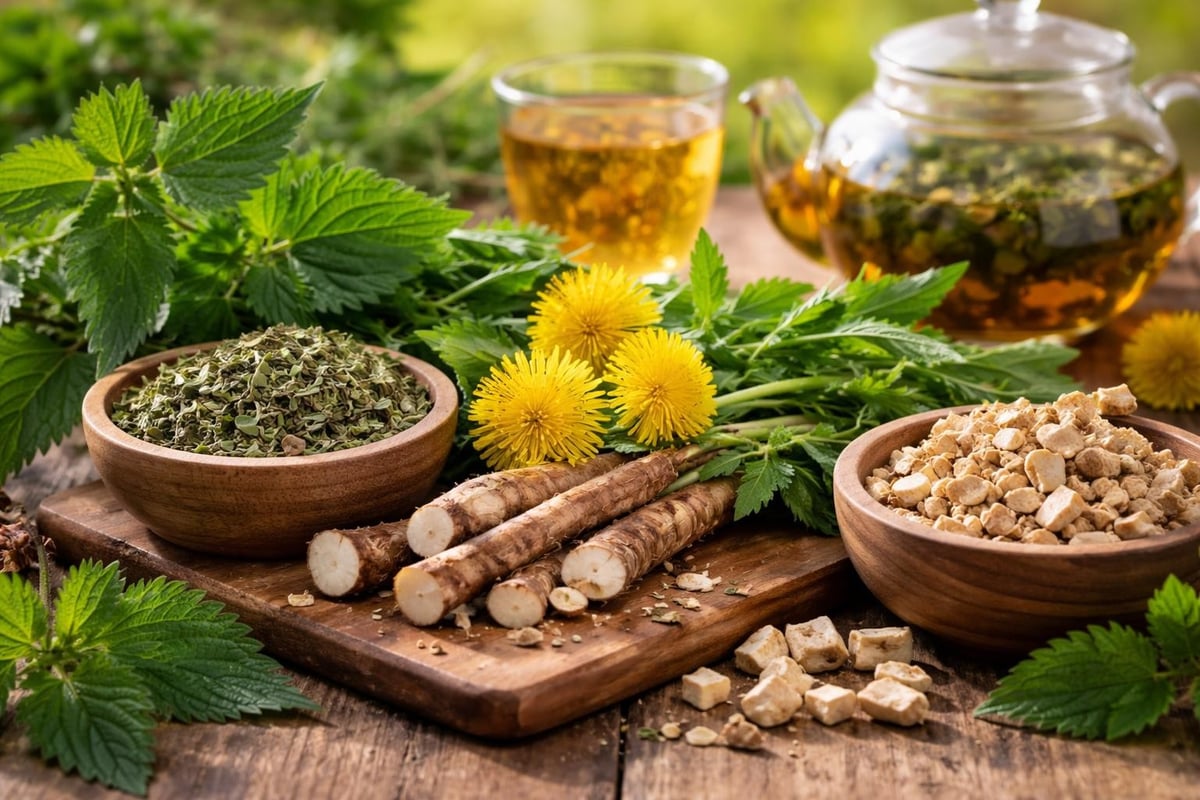
| Nettle leaf | Mineral-rich tonic, gentle diuretic | Provides potassium, supports fluid balance |
| Dandelion leaf | Promotes healthy fluid movement | Potassium-sparing diuretic, traditionally used for oedema |
| Horsetail | Tissue repair, urinary tract support | Rich in silica, astringent properties |
| Marshmallow root | Soothes urinary tract | Demulcent, anti-inflammatory |
These herbs work gently, unlike pharmaceutical diuretics. Explore our detox collection to find plant-based infusions that support your body's natural cleansing rhythms without force or depletion.
Plant Allies for Kidney Support
Certain herbs have earned reputations as kidney tonics across multiple healing traditions. Let's explore a few that combine traditional use with emerging research.
Nettle: The Mineral-Rich Foundation
Stinging nettle (Urtica dioica) appears in traditional medicine systems from Europe to North America as a kidney tonic. The leaf is particularly valued for its rich mineral content, including potassium, calcium, and magnesium. These minerals support proper kidney function whilst the plant's gentle diuretic effect helps the body eliminate excess fluid without depleting essential electrolytes.
Modern herbalists often recommend nettle as a long-term nutritive tonic rather than a quick fix. You might drink 2-3 cups of nettle infusion daily, prepared by steeping a generous handful of dried leaf in hot water for at least 15 minutes. The taste is mild, slightly earthy, and many find it becomes a comforting daily ritual. Learn more about nettle's healing properties and how this humble plant supports multiple body systems.
Dandelion: Root and Leaf Working Together
Dandelion (Taraxacum officinale) offers two distinct medicines from one plant. The leaf acts as a gentle diuretic, whilst the root supports liver function and bile flow, indirectly benefiting the kidneys through improved waste processing. Unlike many diuretics that deplete potassium, dandelion leaf actually contains this vital mineral.
Traditional herbalists often combine dandelion with other kidney-supportive herbs in formulas designed for long-term use. The root's bitter compounds also support digestive function, reminding us that true healing addresses multiple systems simultaneously.
Marshmallow Root: The Gentle Soother
When kidneys feel irritated or inflamed, demulcent herbs like marshmallow root (Althaea officinalis) offer cooling relief. This mucilage-rich plant coats and soothes the urinary tract, reducing inflammation and discomfort. Herbalists typically prepare it as a cold infusion, steeping the root in cool water overnight to extract the soothing polysaccharides without bitterness.
Marshmallow works beautifully alongside more stimulating diuretic herbs, tempering their drying effects whilst supporting tissue healing. It's particularly valued when there's any burning sensation or urgency during urination.
Goldenrod: Challenging the Allergy Myth
Goldenrod (Solidago species) has been used in European herbal medicine for centuries to support kidney and urinary tract health. Despite its reputation for causing allergies (actually a case of mistaken identity with ragweed, which blooms simultaneously), goldenrod is a powerful anti-inflammatory and mild diuretic.
German Commission E, which evaluates herbal medicines, approves goldenrod for inflammatory diseases of the lower urinary tract and for preventing kidney stones. The plant's astringent tannins and anti-inflammatory flavonoids support tissue integrity whilst gently increasing urine flow.
Dietary Approaches to Kidney Health
Healing the kidneys naturally extends beyond herbs into everyday food choices. Your diet profoundly influences kidney workload and function.
Foods That Support Kidney Function
Antioxidant-rich berries like cranberries, blueberries, and raspberries protect kidney cells from oxidative damage. Research suggests that these compounds help reduce inflammation and support overall renal function.
Cruciferous vegetables such as cauliflower, cabbage, and rocket provide fiber and nutrients without excessive potassium (important for those with advanced kidney issues, though most people benefit from potassium-rich foods).
Healthy fats from olive oil, avocados, and wild-caught fish support anti-inflammatory processes throughout the body, including the kidneys.
Fresh herbs like parsley, coriander, and basil add flavour whilst contributing beneficial plant compounds. Parsley, in particular, has traditional use as a kidney tonic, though it should be used moderately and avoided during pregnancy.
What to Reduce or Avoid
Certain dietary patterns place unnecessary strain on kidney function:
- Excessive sodium from processed foods forces kidneys to work harder maintaining fluid balance
- High protein intake (particularly from animal sources) increases urea production and kidney workload
- Refined sugars contribute to inflammation and metabolic dysfunction
- Artificial additives require detoxification, burdening both liver and kidneys
- Excessive caffeine can dehydrate and stress the adrenal-kidney axis
The key is balance rather than restriction. Natural approaches to reducing kidney disease impact emphasise sustainable dietary shifts that support overall health without creating stress or deprivation.
Lifestyle Practices That Support Kidney Health
Beyond what you consume, how you live daily affects kidney function in profound ways.
Movement and Circulation
Regular gentle movement supports kidney health by improving circulation and lymphatic flow. The kidneys receive about 20% of your cardiac output, so anything that supports cardiovascular health benefits them too.
You don't need intense exercise. Walking, swimming, yoga, and tai chi all promote healthy blood flow without excessive stress. Traditional approaches from various healing systems often include specific kidney-supporting movements like gentle twists and forward folds that massage the kidney area.
Stress Management and the Adrenal Connection
Your adrenal glands sit atop your kidneys like small caps. In Traditional Chinese Medicine, the kidneys and adrenals are considered one energetic system. Chronic stress depletes this system, affecting both hormone balance and kidney function.
Adaptogenic herbs like tulsi, ashwagandha, and rhodiola support the stress response whilst protecting kidney tissue from cortisol-related damage. Discover how tulsi bridges spiritual practice and physiological support in ways that benefit multiple systems simultaneously.
Regular practices that activate the parasympathetic nervous system, such as deep breathing, meditation, or gentle self-massage with warming oils, create the conditions for kidney repair and regeneration. Our stress and sleep collection offers plant-based support for calming the nervous system and creating restorative rhythms.

Temperature and Kidney Vitality
Many traditional healing systems recognise the kidneys as organs that require warmth. In Chinese medicine, "kidney yang" represents the body's metabolic fire, and keeping this area warm supports optimal function.
Consider these warming practices:
- Hot water bottles placed on the lower back during rest
- Warm baths with Epsom salts to relax muscles and support detoxification
- Warming spices like ginger, cinnamon, and turmeric in teas and food
- Adequate clothing to protect the lower back from cold and damp
These simple rituals honour ancient wisdom whilst supporting modern wellbeing. The art of seasonal living teaches us to adjust our practices as temperatures shift, particularly protecting kidney energy during colder months.
The Liver-Kidney Connection
Your liver and kidneys work as a team in detoxification. The liver transforms fat-soluble toxins into water-soluble forms that the kidneys can eliminate. When liver function is sluggish, kidneys bear additional burden.
Supporting both organs simultaneously creates synergy. Herbs like dandelion root, milk thistle, and burdock support liver detoxification pathways, whilst nettle and marshmallow directly nurture the kidneys. Gentle detox practices emphasise this whole-system approach rather than targeting single organs in isolation.
The liver-hormone link also affects kidney health, as hormonal imbalances influence fluid retention, blood pressure, and inflammatory processes that impact kidney function.
When to Seek Professional Support
Healing the kidneys naturally works beautifully for general support and prevention. However, certain situations require medical attention:
- Blood in urine or persistent pain
- Dramatic changes in urination patterns
- Severe swelling that doesn't resolve with rest
- Diagnosed kidney disease requiring monitoring
- Taking medications that affect kidney function
Professional guidance on natural medicine and kidney disease emphasises working with practitioners who understand both conventional and botanical approaches. Some herbs can interact with medications or may not be appropriate with certain kidney conditions.
Creating Your Kidney Support Ritual
Rather than approaching kidney health as a problem to fix, consider it an opportunity to develop nurturing daily rituals. Here's a simple framework to begin:
Morning:
- Wake with a glass of warm water
- Prepare a nourishing herbal infusion (nettle, dandelion leaf, or a kidney-supportive blend)
- Include antioxidant-rich berries with breakfast
Throughout the Day:
- Sip herbal teas between meals
- Stay mindful of hydration without forcing excess
- Choose whole, minimally processed foods
- Take brief movement breaks to support circulation
Evening:
- Wind down with a demulcent tea like marshmallow or warm milk with turmeric
- Apply warmth to the lower back with a hot water bottle
- Practice gentle breathwork or meditation to calm the nervous system
- Evening rituals that shift from stress to rest naturally support kidney regeneration during sleep
The Role of Sleep and Rest
Research on kidney regeneration suggests these organs have remarkable capacity for self-repair when given proper conditions. Sleep provides essential time for this regeneration.
During deep sleep, your body shifts resources toward repair and detoxification. Growth hormone releases, tissues rebuild, and waste products accumulated during the day get processed. Chronic sleep deprivation disrupts these processes, potentially contributing to kidney dysfunction over time.
Creating consistent sleep rhythms supports kidney health as profoundly as any herb. Explore how nervines support rest and help establish the deep, restorative sleep patterns that allow healing to unfold naturally.
Seasonal Kidney Care
Traditional systems often view the kidneys as particularly vulnerable during winter months. This isn't mere folklore-cold temperatures do affect kidney function, and seasonal shifts in diet, activity, and daylight influence our entire physiology.
Winter invites deeper rest, warming foods, and protective practices. Summer allows lighter eating, increased hydration, and cooling herbs. Attuning your kidney support practices to seasonal rhythms honours both traditional wisdom and physiological reality.
Integrating Plant Wisdom Into Daily Life
Healing the kidneys naturally isn't about perfection or rigid protocols. It's about consistent, gentle support that respects your body's innate intelligence. The herbs we've explored-nettle, dandelion, marshmallow, and others-offer their gifts most fully when integrated into daily rhythms rather than used as quick fixes.
Our herbal teas are crafted to make these rituals effortless and enjoyable. Each blend combines traditional wisdom with careful attention to quality and synergy, turning kidney support into a moment of self-care rather than another task on your list.
Supporting your kidneys naturally means creating the conditions for these vital organs to thrive through thoughtful hydration, nourishing herbs, and daily rituals that honour your body's wisdom. At Natura Sacra, we craft small-batch herbal remedies that make plant-based kidney support accessible and genuinely enjoyable-because true healing happens when ancient botanical knowledge meets the rhythm of your everyday life.