Discover the best herbs for menstrual cramps in 2026 with this warm guide blending tradition and research Practical routines and safety tips for holistic comfort
Comprehensive Guide to Herbs for Menstrual Cramps 2026

Menstrual cramps are something most of us know all too well. They can turn a regular day upside down, affecting focus, mood, and even how we move through the world. The search for true comfort often leads us to natural options, and herbs for menstrual cramps have long held a place in this journey.
In this guide, you'll discover how herbs for menstrual cramps can make a real difference in 2026. We'll explore the science behind why cramps happen, how herbs work, which options are backed by research or tradition, and how to tailor your support for each phase of your cycle. Safety and practical routines are woven throughout, so you can make the best choices for your body and your life.
Understanding Menstrual Cramps: Causes and Contributing Factors
Menstrual cramps are a shared experience for many, yet the reasons behind the pain are often misunderstood. At the heart of each cycle, the uterus contracts to help shed its lining, and these contractions are triggered by hormone-like chemicals called prostaglandins. When prostaglandin levels are high, cramps tend to be more intense and can last longer. Some notice only mild discomfort, while others experience pain that disrupts daily life. Cramps often arrive alongside other PMS symptoms such as mood changes, fatigue, or bloating. Together, these challenges can impact your overall sense of wellbeing, making the search for gentle support like herbs for menstrual cramps especially important.
What Happens During Menstruation?
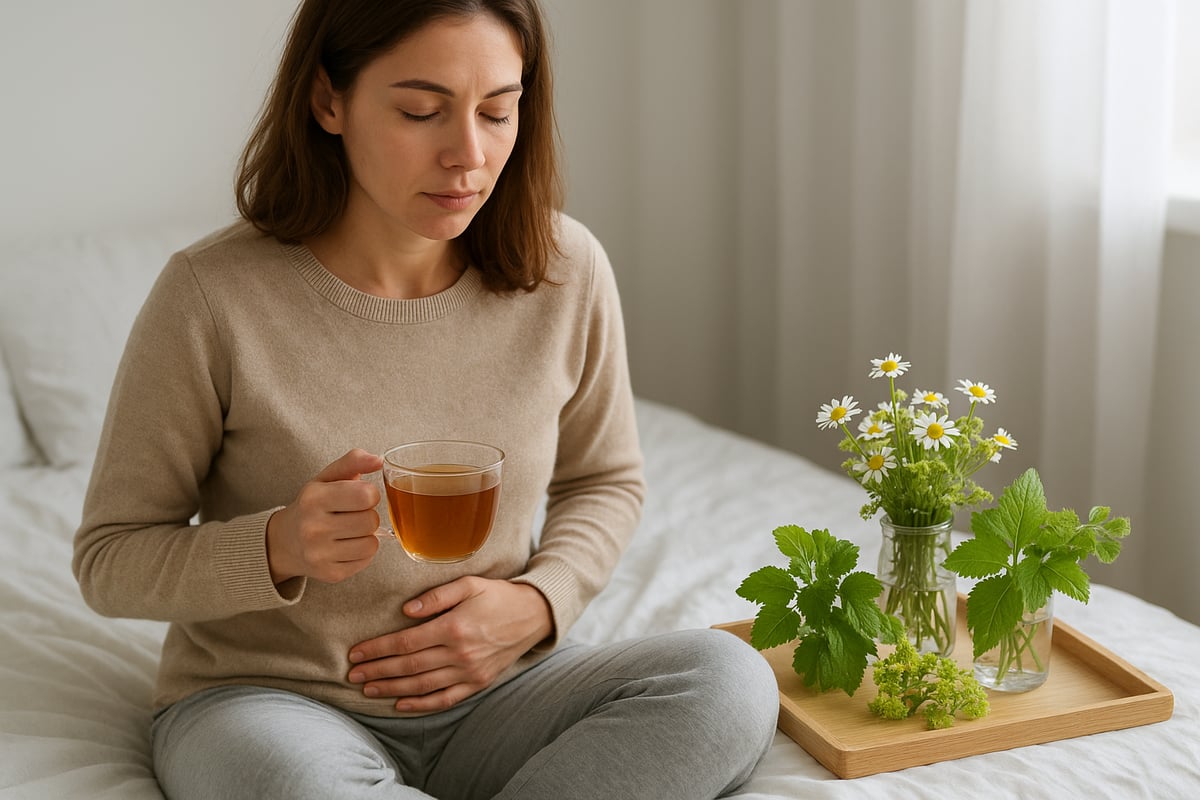
During menstruation, the body’s natural process can be both physical and emotional. As the uterus contracts, prostaglandins rise, sparking inflammation and pain signals. For some, this means only mild twinges, while others face gripping cramps for several days. The intensity and duration can vary widely, shaped by genetics, age, and even how much rest you get. Many also notice that cramps are closely linked with PMS symptoms, from low mood to headaches, tying together physical and emotional wellbeing. This is why so many seek out herbs for menstrual cramps, hoping for both comfort and balance.
Multi-Factor Contributors to Menstrual Pain
There’s no single cause for menstrual pain. Stress can make cramps worse by heightening sensitivity in the nervous system. Poor sleep or disrupted circadian rhythms can increase inflammation and lower resilience. Lifestyle choices matter, too: low hydration, lack of omega 3s, and high processed foods all play a role. Over half of women report cramps each month, with a significant number experiencing moderate to severe pain. Sometimes, underlying conditions like endometriosis or fibroids can amplify symptoms. Many have turned to herbs for menstrual cramps, including both time-honoured choices like lady’s mantle and lemon balm, and those supported by research. For more on the distinction between evidence and tradition, see the Best herbs for menstrual pain.
Choosing Support by Phase
Not all herbs for menstrual cramps are best used in the same way, or at the same time of your cycle. In the late luteal phase, calming nervines like lemon balm, linden, and chamomile can ease mood swings and promote restful sleep. When cramps peak on day one or two, anti-inflammatory herbs such as ginger and cinnamon may offer more targeted relief, while traditional supports like lady’s mantle and mugwort are often added for their gentle toning effects. Always consider safety: avoid certain herbs in pregnancy or with heavy bleeding, and check for medication interactions. Thoughtful routines, like those in the Femme collection, blend these approaches—think soothing teas before your period, then a cramp-ease elixir as needed. Choose what feels right for your body, and adapt as you learn what works best.
How Herbs Can Support Menstrual Comfort: Mechanisms and Evidence
Finding the right herbs for menstrual cramps can feel like searching for relief in a sea of suggestions. If you’ve ever curled up with a hot water bottle, wishing cramps would ease just a bit faster, you’re not alone. Thankfully, a blend of tradition and emerging research is shining a light on how certain herbs may gently support comfort during your period.
Herbal Actions: Anti-inflammatory, Antispasmodic, and Hormonal Modulation
When menstrual cramps strike, it’s often due to surges in prostaglandins. These natural chemicals trigger uterine contractions and can lead to pain and inflammation. Some people are more sensitive to stress or sleep changes, which can make cramps worse.
Herbs for menstrual cramps work in several ways:
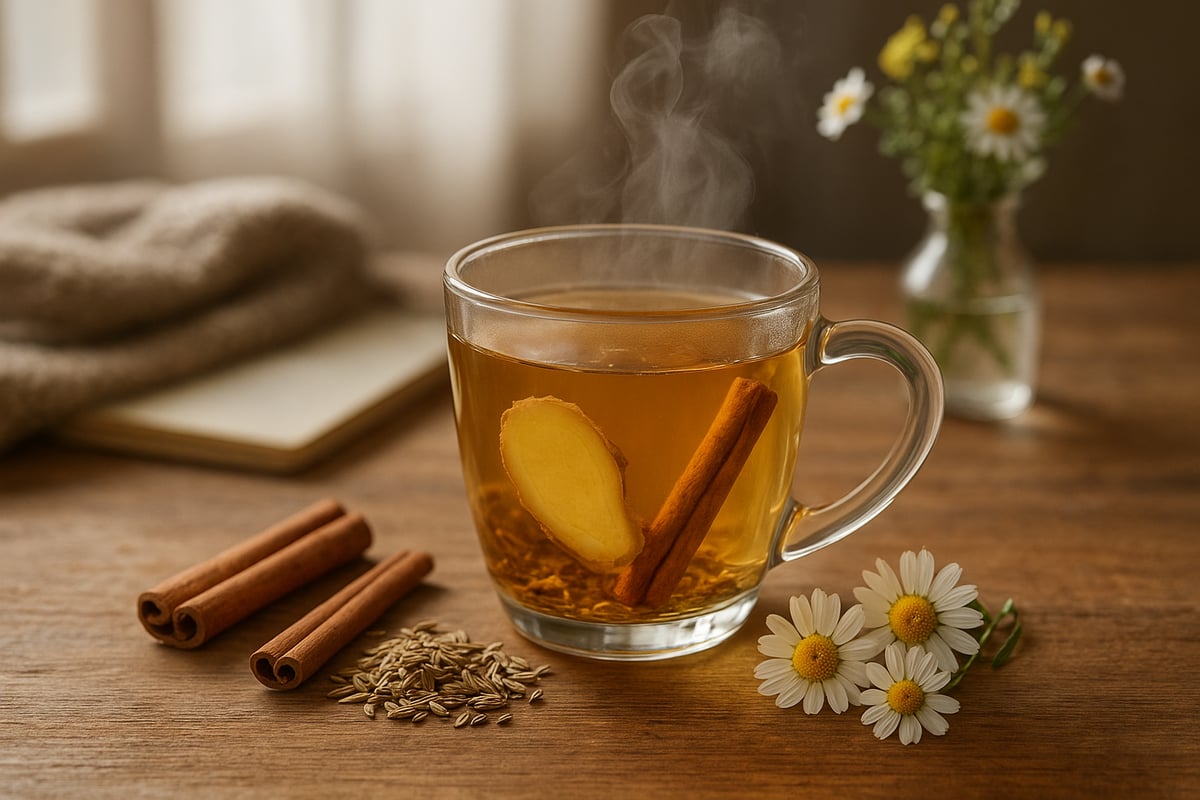
- Anti-inflammatory: Ginger, cinnamon, and chamomile help calm inflammation linked to prostaglandins.
- Antispasmodic: Fennel, peppermint, and lemon balm gently relax uterine muscles, reducing spasms.
- Hormonal modulation: Traditional herbs like lady’s mantle and mugwort are used to support cycle balance.
- Emotional resilience: Linden and lemon balm soothe mood swings and tension, which often accompany cramps.
Many of these herbs have been used for generations, especially in Western herbalism and Traditional Chinese Medicine (TCM), to restore harmony and flow within the body. While research is growing, some actions are still best understood through lived experience and tradition.
What the Research Shows
Recent studies offer promising evidence for several herbs for menstrual cramps. Ginger, for example, has been shown in a 2015 meta-analysis to significantly reduce pain in the first days of menstruation, with effective doses ranging from 750 to 2,000 mg. Fennel has antispasmodic properties and, according to a 2020 review, may be as effective as some conventional painkillers. Chamomile tea or extract appears to ease both pain and mood symptoms during PMS.
Cinnamon has also demonstrated benefits, reducing pain intensity and duration in a 2020 study, while peppermint capsules may rival standard NSAIDs for cramp relief. However, most research is based on small sample sizes, and the strongest evidence exists for ginger, fennel, and cinnamon. For a deeper dive into which herbs have clinical backing, see this Herbal remedies for menstrual cramps article from expert naturopaths.
Traditional options like lady’s mantle, linden, lemon balm, and mugwort remain popular for their gentle support, though human trials are limited. These are often chosen for their calming and harmonising effects, especially in holistic routines.
Comparing Evidence-Based and Traditional Herbal Support
Here’s a quick look at how research-backed herbs for menstrual cramps compare with traditional favourites:
| Herb | Research Evidence | Traditional Use |
|---|---|---|
| Ginger | Strong | Common for pain and warmth |
| Fennel | Good | Eases spasms |
| Chamomile | Moderate | Calms mood and pain |
| Cinnamon | Good | Reduces pain, regulates |
| Peppermint | Moderate | Muscle relaxant |
| Lady’s Mantle | Limited | Heavy bleeding, cramps |
| Lemon Balm | Limited | Mood, tension |
| Linden | Limited | Relaxation, PMS |
| Mugwort | Limited | Pelvic congestion |
Choosing herbs for menstrual cramps often means blending evidence with tradition. Many find the most comfort by personalising support by menstrual phase, using ginger or fennel during acute cramps and calming herbs like lemon balm or linden before their period. Always consider your own needs, sensitivities, and consult a professional if you have underlying health concerns or take medication.
Herbs for Menstrual Cramps: Evidence-Based and Traditional Options
Finding the right herbs for menstrual cramps is a journey shaped by both science and tradition. Many people experience cramps and PMS as a tangled web of factors: prostaglandin activity, stress sensitivity, and even sleep quality can all play a part. The good news is, nature offers a toolkit of herbal allies, some with strong research behind them, others rooted in generations of women’s wisdom.
Evidence-Backed Herbs for Menstrual Pain
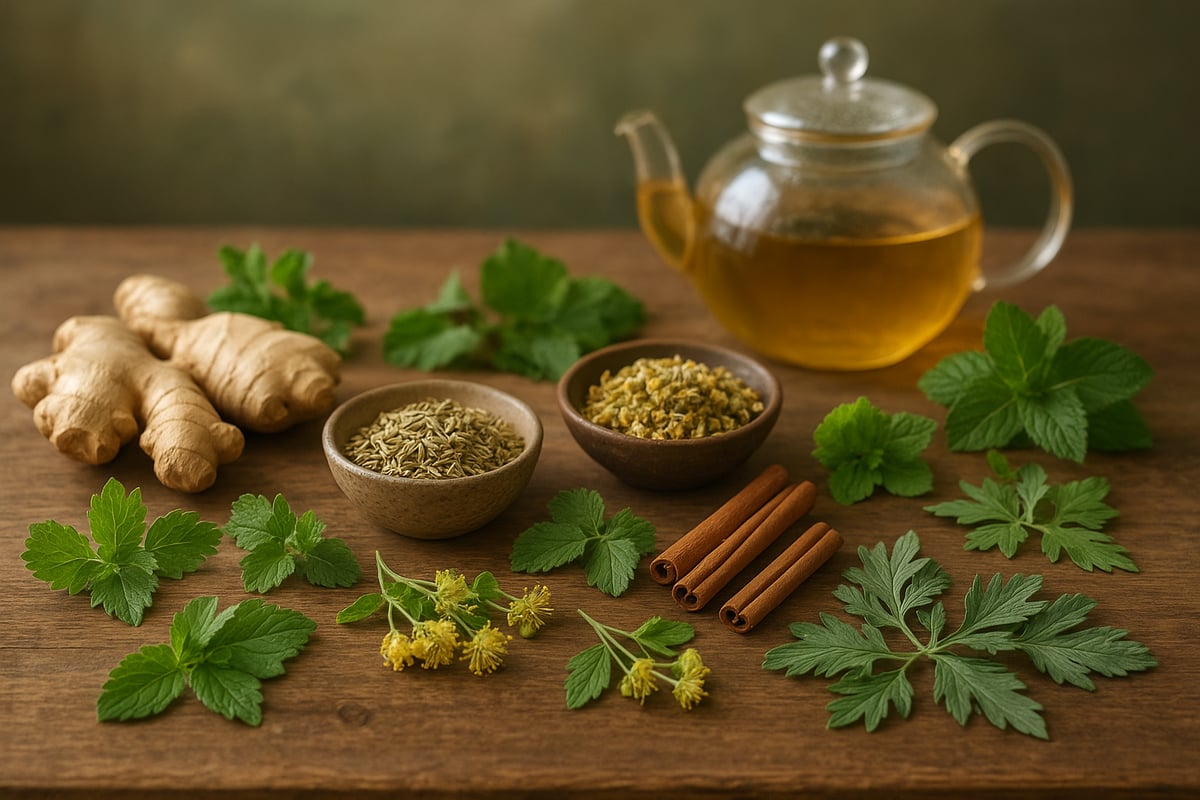
Let’s start with what research tells us about herbs for menstrual cramps. Ginger stands out as a top choice. Studies show 750–2,000 mg daily, especially during the first few days, can ease pain intensity. Ginger works by reducing prostaglandin production, which is a main driver of uterine cramps.
Fennel is another favourite, acting as an antispasmodic thanks to a compound called anethole. Several trials suggest fennel extracts or teas can be as effective as some over-the-counter painkillers for cramps.
Chamomile is gentle but mighty. It offers anti-inflammatory effects and helps calm the nervous system, making it a top pick for both pain and the irritability that can come with PMS. Cinnamon has also earned its place, with studies showing 450–1,000 mg can make cramps less intense and even shorten their duration.
Peppermint, especially in capsule form, can relax uterine muscles and has been compared to standard pain relief drugs for effectiveness. Pycnogenol, from French maritime pine bark, shows mixed results but is generally considered safe.
Here’s a quick snapshot:
| Herb | Main Action | Research Strength | Best Form |
|---|---|---|---|
| Ginger | Anti-inflammatory | Strong | Capsule, Tea |
| Fennel | Antispasmodic | Good | Tea, Extract |
| Chamomile | Calming, anti-inflammatory | Moderate | Tea, Extract |
| Cinnamon | Reduces pain/duration | Good | Capsule, Tea |
| Peppermint | Muscle relaxant | Good | Capsule, Tea |
| Pycnogenol | Anti-inflammatory | Mixed | Capsule |
For those seeking herbs for menstrual cramps with a solid evidence base, these options can be a reassuring place to start. Always consider how your body responds, and adjust as needed.
Traditional Western and TCM Herbs
Beyond the clinical research, many women have found comfort in herbs passed down through family, culture, or tradition. Lady’s mantle (Alchemilla vulgaris) is a classic Western herb long used for both cramping and heavy bleeding. While modern research is limited, its reputation as a wise woman’s ally persists—learn more about its rich history and uses in this Lady's mantle the wise woman's herb guide.
Lemon balm and linden are gentle nervines, perfect for soothing tension, sleeplessness, or the emotional swings that can make cramps feel worse. Mugwort, known as an emmenagogue, is often included in blends for pelvic congestion or sluggish cycles, though it should be avoided if pregnant or trying to conceive.
Traditional Chinese Medicine (TCM) offers a different approach, focusing on blends like Dang Gui, Bai Shao, and Chuan Xiong to promote healthy blood flow and balance. Classic formulas such as Wen Jing Tang and Xiao Yao San are tailored based on individual needs and are best chosen with practitioner guidance.
Choosing herbs for menstrual cramps by cycle phase can make support more personal. In the late luteal phase, lemon balm or linden may ease mood and sleep. Day 1–2 calls for fast-acting allies like ginger or cinnamon. For recovery, gentle tonics such as lady’s mantle or TCM blood movers are ideal.
Safety is key. If you have heavy bleeding, chronic health issues, or take medication, check with a professional before adding new herbs. And if you’re pregnant or planning, avoid mugwort and certain TCM blends.
Blending evidence-based and traditional herbs in your tea or elixir can be a nurturing way to support your cycle. Explore, listen to your body, and find what truly brings you comfort.
Choosing Herbal Support by Menstrual Phase
Navigating menstrual comfort is rarely a one size fits all journey. The causes of cramps and PMS are multi-layered, shaped by prostaglandins, stress, and even the quality of your sleep. Choosing the right herbs for menstrual cramps means tuning in to your body’s rhythm and matching herbal support to each phase of your cycle. Let’s explore how evidence and tradition combine to provide real, practical support.
Late Luteal Phase (PMS & Pre-Menstrual Support)
As the days before your period approach, many experience mood shifts, sleep changes, and extra sensitivity to stress. This phase often amplifies both emotional and physical discomfort, making it a key window for support.
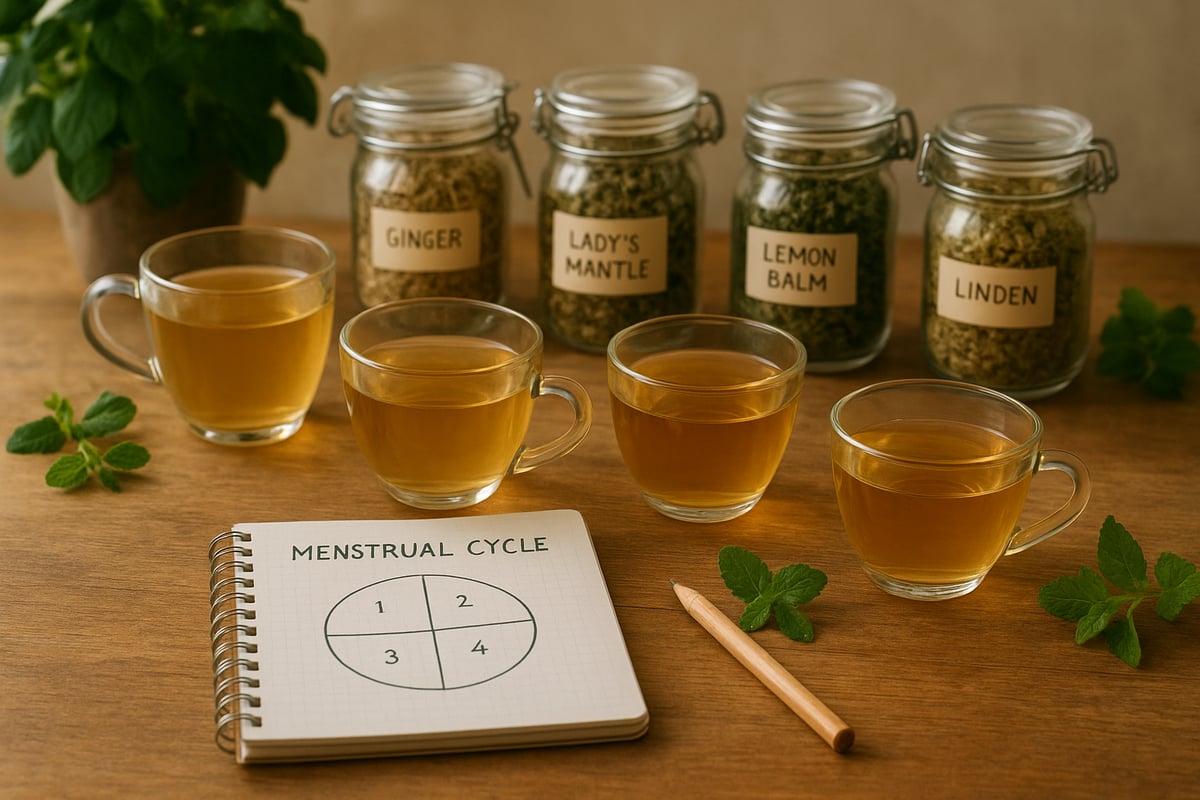
Herbs for menstrual cramps in this phase focus on calming the nervous system and easing tension. Lemon balm and linden are classic nervines, long used to support relaxation, gentle uplift, and better sleep. Chamomile bridges tradition and evidence, with studies suggesting benefits for both pain and mood.
If your premenstrual days include bloating or fluid retention, lady’s mantle is a traditional Western favourite, although robust research is still lacking. Linden’s gentle diuretic properties may also help.
A soothing tea ritual in the evening can signal the body to wind down, support sleep, and prepare for the days ahead. For more on which blends actually help, see the Best teas for menstrual pain.
Day 1–2 (Acute Cramp Relief)
The first days of menstruation often bring the sharpest cramps, driven mainly by prostaglandins that trigger uterine contractions. Herbs for menstrual cramps here need to act quickly and directly.
Evidence supports ginger (750–2,000mg), fennel, and cinnamon for reducing pain intensity and duration. Ginger is especially renowned for its anti-inflammatory and antispasmodic effects. Fennel, with its anethole content, may relax uterine muscles and ease spasms. Cinnamon’s warming nature brings comfort and supports circulation.
Traditional options like peppermint (for muscle relaxation) and chamomile (for both pain and mood) can be combined in a cramp-ease tea or elixir. Mugwort, a traditional Western and TCM herb, is sometimes used for pelvic congestion, but should be avoided if pregnant or trying to conceive.
Practical routines might include a hot herbal compress or sipping a strong blend during peak discomfort. Always use herbs for menstrual cramps with care if you have heavy bleeding or are on medication, and monitor how your body responds.
Follicular & Ovulatory Phases (Recovery and Regulation)
After the most intense days pass, the body enters a recovery and regulation phase. This is a time to nourish, rebuild, and gently support hormonal balance.
Gentle tonics like lady’s mantle and mugwort (used in both Western and TCM traditions) are popular choices for supporting uterine recovery and regular cycles. TCM blends such as Dang Gui and Bai Shao are traditionally used to move blood and restore balance, but always consult a qualified practitioner for these.
During this phase, herbs for menstrual cramps often shift from acute pain relief to ongoing support. Integrating a daily cup of linden or lemon balm tea can be a grounding ritual, helping to maintain calm and steadiness throughout the month.
Personalising your herbal routine—whether with teas, elixirs, or capsules—means you can adapt to your unique needs. If you notice unusual pain or changes, seek guidance from a healthcare practitioner, especially if using herbs alongside other treatments.
Safety, Contraindications, and When to Seek Advice
Staying safe with herbs for menstrual cramps means tuning into your body’s needs and respecting the power of plant medicine. While many women find comfort in tradition and new research, not every herb suits every person or situation. It’s always wise to seek guidance, especially if your cycle is unpredictable, or you’re managing other health concerns.
Herbal Safety Principles
With herbs for menstrual cramps, start simple and listen closely to your body. If you have a chronic condition, are taking prescription medication, or experience heavy or irregular bleeding, consult a qualified practitioner before adding new herbs. Some herbs, especially mugwort and certain traditional Chinese blends, are best avoided during pregnancy or when trying to conceive.
Always introduce one herb at a time and monitor for any unwanted effects, such as digestive upset or skin reactions. Sourcing matters, too. Choose reputable suppliers who offer transparency and, ideally, third-party testing. For a deeper understanding of professional approaches, see this overview of naturopathic treatments for menstrual pain.
Special Considerations
Not all menstrual pain is created equal. While herbs for menstrual cramps can offer relief for common discomfort, severe pain, sudden cycle changes, or lack of response to self-care may signal underlying issues like endometriosis or fibroids. In these cases, prompt medical advice is essential.
Be mindful of interactions, especially if you use blood thinners, hormone therapy, or other regular medications. Herbs such as cinnamon and ginger, though widely used, can sometimes affect how medicines work in the body. Quality and regulation vary, so read labels and look for clear ingredient lists. For more on natural options and their safety, explore natural treatments for dysmenorrhea.
Personalising Your Approach
The beauty of herbs for menstrual cramps lies in choice and personalisation. If you’re drawn to calming teas with lemon balm or linden in the late luteal phase, or prefer a ginger and cinnamon elixir for day one cramps, start with gentle doses and build a routine that feels right. Always track your response, keep records, and adjust as needed. If something feels off, reach out to a professional for support. Herbal care is about partnership with your body and making informed, safe choices.
Integrating Herbs into a Holistic Menstrual Wellness Plan
Finding real relief from menstrual cramps often means looking beyond a single remedy. True comfort comes from weaving together many threads: understanding your body, addressing underlying causes, and choosing the right herbs for menstrual cramps at each stage of your cycle.
Why a Holistic Approach Matters
Cramps and PMS rarely have a single cause. Prostaglandins spark uterine contractions, but stress, poor sleep, and diet can all amplify discomfort. Herbs for menstrual cramps can offer targeted support, but they work best as part of a broader plan that includes heat therapy, gentle movement, and nourishing food.
Choose Your Support by Phase
Every phase of your cycle has unique needs. During the late luteal phase, calming herbs like lemon balm and linden may ease tension and help sleep. For acute cramps on day 1–2, ginger and cinnamon target pain and inflammation. In recovery phases, gentle tonics such as lady’s mantle or mugwort support uterine health and hormonal balance.
| Phase | Evidence-Based Herbs | Traditional Herbs |
|---|---|---|
| Late Luteal | Chamomile, lemon balm | Linden |
| Day 1–2 | Ginger, cinnamon, fennel | Lady’s mantle, mugwort |
| Recovery | Peppermint | Mugwort, TCM blood movers |
Prioritise Safety and Personalisation
Not every herb suits everyone. Some, like mugwort, are best avoided during pregnancy or if you have heavy bleeding. If you take medication or have a chronic condition, always check with a professional before starting new herbs for menstrual cramps. Listen to your body and watch for unexpected effects.
Practical Rituals for Everyday Support
Building small, consistent routines makes a real difference. Many women find comfort in starting their day with a soothing tea in the premenstrual phase, then switching to a cramp-ease elixir at the onset of pain. For inspiration and step-by-step ideas, discover The period comfort ritual, which blends evidence and tradition into daily self-care.
As we’ve explored together, finding comfort through your cycle can be so much more than just “getting through” cramps—it’s about tuning into your body, gently supporting it with time-honoured herbs, and discovering what truly helps you feel at ease. If you’re feeling inspired to create your own herbal rituals or want to bring more harmony to your hormonal rhythms, I invite you to discover our Women's Wellness collection, created to support women’s hormonal balance and cycle wellbeing. Each blend is crafted with care, blending tradition, research, and the art of daily ritual—just as we’ve talked about here.