Herbal elixir or synthetic remedy in 2026 Discover how each supports your wellbeing with practical tips, expert insight, and a gentle guide to choosing what fits you best
Herbal Elixir Versus Synthetic Remedies: Which Wins in 2026?

In 2026, as health-conscious consumers navigate endless options, the debate between herbal elixir and synthetic remedies takes centre stage. Both approaches promise better wellbeing, but which fits your goals and lifestyle best?
With interest in both natural and science-backed solutions on the rise, the market is booming. You may wonder, is a herbal elixir gentler, safer, or more effective than a lab-made tablet?
This guide breaks it all down for you. We’ll compare how each works, their pros and cons, and which wellness goals they serve. Ready to discover your ideal path to wellbeing? Let’s get started.
What Are Herbal Elixirs and Synthetic Remedies?
Choosing between a herbal elixir and a synthetic remedy might feel overwhelming, but understanding what sets them apart makes it easier. Both offer real benefits, but their origins, preparation, and roles in daily wellness differ. Let's break down what each option truly means for your wellbeing journey.
Defining Herbal Elixirs: Nature’s Concentrated Wellness
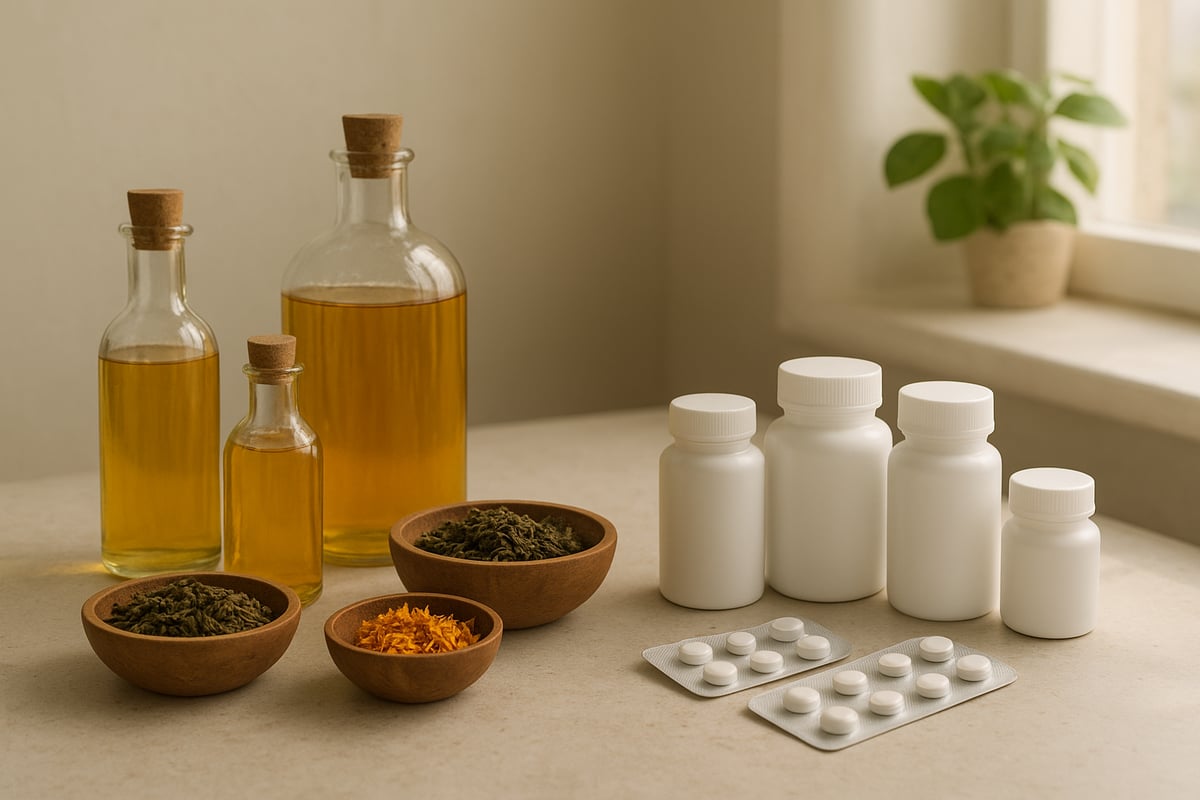
A herbal elixir is a potent liquid extract made from whole plants, carefully crafted to capture the full spectrum of beneficial compounds. For centuries, they have been used in traditional systems to support daily health.
Herbal elixirs come in several forms:
- Teas: Gentle, ideal for daily support and hydration.
- Elixirs: Concentrated, designed for consistent dosing and stronger effects.
- Oils: Used in rituals for skin health and nervous system balance.
Preparation is often small-batch, organic, and uses water, alcohol, or honey. For example, an ashwagandha herbal elixir may help with stress, while lemon balm tea is a classic sleep ally, and calendula oil is prized for skin rituals.
How do herbal elixirs differ from infusions or tinctures? Infusions steep delicate herbs in water, tinctures use alcohol for preservation, while elixirs often blend both for a balanced extract. The mechanism is gentle but broad, supporting natural rhythms like stress response, sleep, digestion, and hormonal balance.
The herbal supplement market is growing fast, projected at 8 percent annual growth through 2026. If you want to explore more about how these plant extracts work for different needs, see this guide on the Benefits of Herbal Elixirs.
Understanding Synthetic Remedies: Modern Science in a Pill
Synthetic remedies are laboratory-created medicines, including over-the-counter and prescription drugs. These are available in forms such as tablets, capsules, syrups, and topical creams, making them a staple in modern medicine cabinets.
Common examples include ibuprofen for pain, synthetic melatonin for sleep, and antihistamines for allergies. Unlike a herbal elixir, synthetic remedies are designed to target specific symptoms or pathways, often providing rapid relief.
Regulation is strict, with all synthetic drugs undergoing clinical trials and approval processes before reaching the public. They are widely used, with statistics showing that 75 percent of adults in Europe rely on some form of synthetic medication each year.
The key contrast? Synthetic remedies focus on symptom suppression with fast, predictable results, while herbal elixirs offer holistic, ongoing support. This difference shapes how each fits into your wellness routine, depending on whether you seek gentle daily care or rapid, targeted action.
How Do They Work? Mechanisms, Benefits, and Limitations
Choosing between a herbal elixir and a synthetic remedy can feel overwhelming, especially when both promise support for your wellbeing. Understanding how each approach works can help you match the right method to your needs and lifestyle.
Herbal Elixirs: Gentle Synergy with the Body
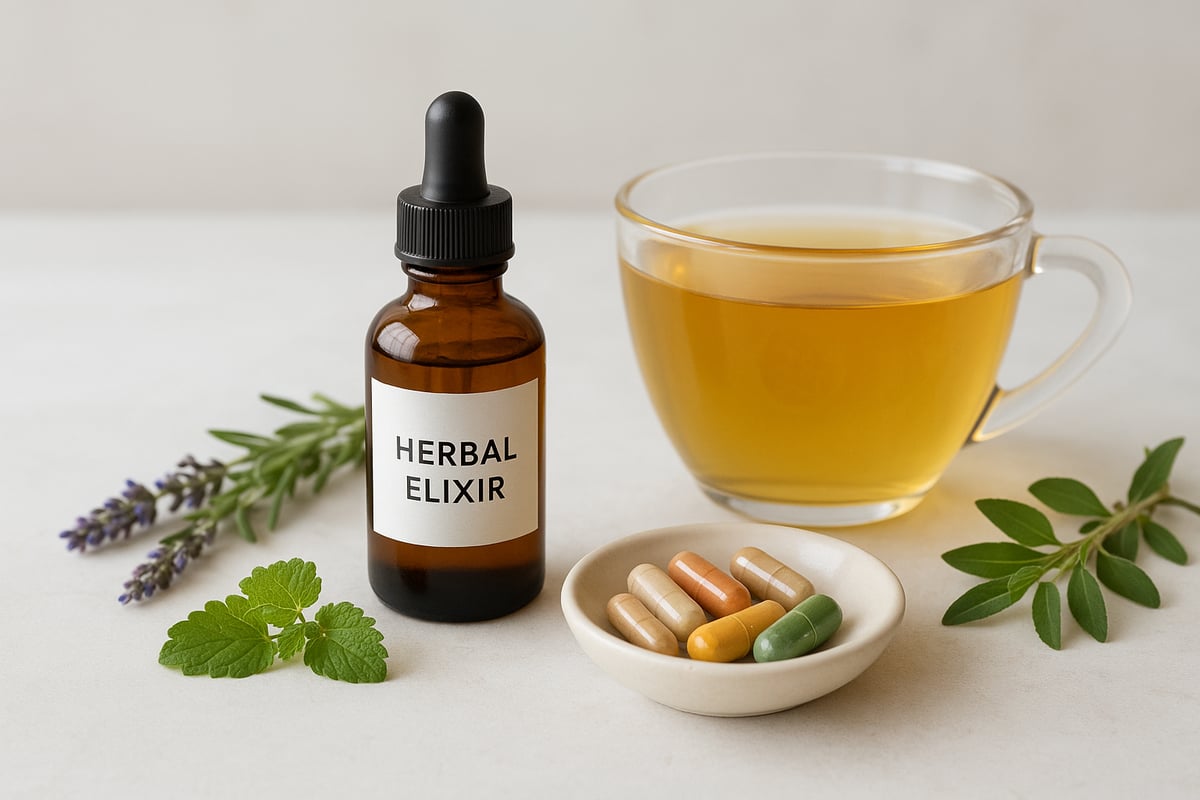
A herbal elixir is designed to work in harmony with your body. It combines multiple plant compounds that support natural balance rather than forcing a single effect. For example, adaptogenic herbs like rhodiola or tulsi are blended into elixirs to help regulate your stress response and encourage resilience.
Benefits of a herbal elixir include:
- Gentle support for stress, digestion, sleep, and mood
- Fewer side effects due to whole-plant synergy
- Suited to gradual, long-term routines
Limitations can include:
- Slower onset of effects
- Efficacy may vary depending on quality and preparation
- Less standardisation compared to pharmaceuticals
Many people find a herbal elixir best for prevention, ongoing wellness, and supporting sensitive systems. If you want to explore daily rituals for stress or sleep using herbal elixirs, you can find practical guidance in this Daily Herbal Rituals for Stress guide.
Recent surveys show that 60 percent of users report feeling better with regular herbal routines. Herbal elixirs are ideal for those seeking gentle, sustained support rather than quick fixes.
Synthetic Remedies: Precision and Potency
Synthetic remedies work differently. Each formula is crafted in a lab to target one specific biochemical pathway or symptom. For instance, paracetamol quickly blocks pain signals, while antihistamines rapidly reduce allergy symptoms.
Key benefits of synthetic remedies:
- Fast, predictable results
- Consistent dosing for acute issues or emergencies
- Strong symptom relief
Potential drawbacks include:
- Higher risk of side effects with regular use
- Possibility of interactions or dependency
- Overuse can lead to additional health concerns
According to NHS data, 20 percent of adults report side effects from ongoing synthetic medication. Synthetic remedies shine when you need immediate relief or have a clearly diagnosed, urgent condition.
Both herbal elixir and synthetic approaches have their place. The best choice depends on whether you want gentle, holistic support or rapid, targeted action.
Decision Tree: Choosing the Right Remedy for Your Wellness Goals
Choosing the best path for your wellbeing in 2026 can feel overwhelming, but a simple decision tree makes it easier. Let’s break down the main formats—herbal teas, herbal elixirs, herbal oils, and synthetic remedies—so you can find what fits your lifestyle and goals. Each option connects to one or more pillars: Detox, Sleep/Stress, Mental Wellness, Women’s Health, and Skin.
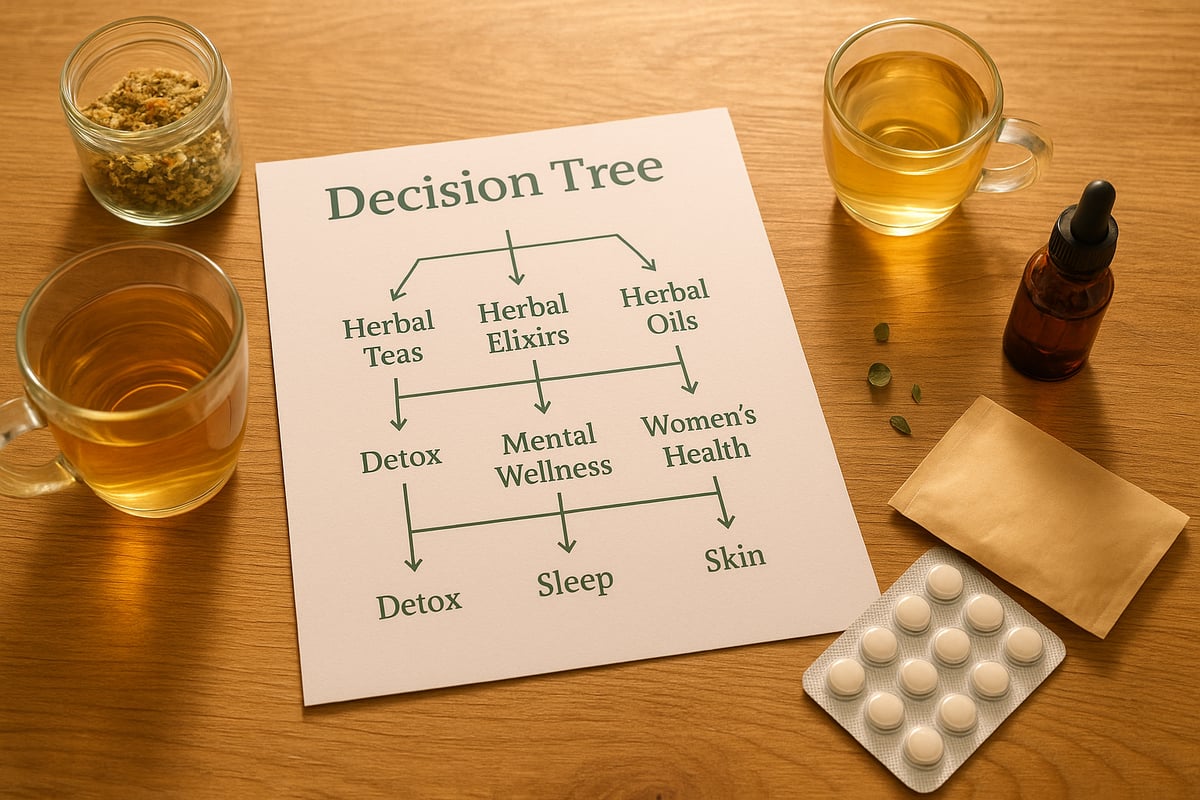
If You Want Gentle, Daily Support → Choose Herbal Teas and Infusions
Herbal teas are perfect for those seeking slow, gentle support as part of a daily wellness routine. This format shines for prevention and sensitive systems.
- Detox: Nettle or dandelion tea for gentle cleansing.
- Sleep/Stress: Chamomile or lemon balm tea for bedtime calm.
- Women’s Health: Raspberry leaf for monthly balance.
- How to Use Herbal Teas offers practical tips to get started.
Herbal teas can be paired with other approaches for ongoing support.
If You Need Consistent, Targeted Results → Choose Herbal Elixirs
A herbal elixir is a concentrated liquid blend, ideal for regular, measurable dosing. This format works well for building resilience or addressing moderate symptoms.
- Mental Wellness: Ashwagandha herbal elixir to support stress resilience.
- Digest & Detox: Milk thistle herbal elixir for liver support.
- Sleep/Stress: Passionflower herbal elixir as part of a wind-down ritual.
- Women’s Health: Chaste tree herbal elixir for hormonal balance.
A herbal elixir offers convenience and consistency, making it easy to stick to your wellness plan.
If You Prefer Rituals for Mind-Body Connection → Choose Herbal Oils
Herbal oils nourish skin and soothe the nervous system, blending self-care with wellness.
- Skin & Body: Calendula or rosehip oil for glowing, balanced skin.
- Women’s Health: Evening primrose oil to nurture monthly cycles.
- Sleep/Stress: Lavender body oil for a calming nighttime ritual.
Herbal oils are perfect for those who enjoy hands-on rituals and sensory self-care.
If You Need Rapid, Potent Relief → Choose Synthetic Remedies
Sometimes, fast symptom relief is essential.
- Acute pain: Ibuprofen or paracetamol.
- Allergies: Antihistamines for quick results.
- Severe symptoms: Doctor-recommended prescriptions.
Synthetic remedies are best reserved for emergencies or short-term needs.
Practical Decision Tree
Use this quick reference to match your needs:
| If you want... | Try... |
|---|---|
| Gentle detox | Nettle tea |
| Consistent stress support | Ashwagandha herbal elixir |
| Skin nourishment | Calendula oil |
| Rapid allergy relief | Antihistamine |
Always consult a healthcare professional for chronic or severe conditions. Explore collections to discover which herbal elixir or format suits your wellness journey.
Starter Routines: Building Your Herbal or Synthetic Wellness Plan
Choosing your wellness path in 2026 is easier when you break it down into practical, daily steps. Whether you lean towards a herbal elixir, gentle teas, or the precision of synthetic remedies, it all comes down to your unique needs and lifestyle.
Below, you’ll find a simple decision tree and starter routines to help you create a personalised plan. Use these tools to match your goals—Detox, Sleep/Stress, Mental Wellness, Women’s Health, or Skin & Body—with the right format.
Decision Tree: If You Want X, Choose Y
Not sure where to begin? Use this quick-reference table to match your wellness needs with the right remedy format:
| Goal | If You Want... | Choose... | Example |
|---|---|---|---|
| Detox | Gentle, daily support | Herbal tea | Nettle or dandelion tea |
| Sleep/Stress | Consistent, targeted results | Herbal elixir | Ashwagandha or passionflower elixir |
| Mental Wellness | Mind-body ritual | Herbal oil | Lavender oil for calming |
| Women’s Health | Holistic, ongoing balance | Herbal elixir | Shatavari elixir |
| Skin & Body | Nourishing, topical care | Herbal oil | Calendula or rose oil |
| Acute Relief | Rapid symptom relief | Synthetic remedy | Ibuprofen or antihistamine |
This table can help you decide when a herbal elixir, gentle tea, or synthetic remedy fits best into your daily routine.
Morning Routine Examples
Start your day with intention and clarity. Whether you prefer the slow ritual of a herbal elixir or the convenience of a synthetic supplement, here are some ideas:
Herbal Morning Routine:
- Brew a detox tea (like nettle or dandelion) to gently support your body's natural cleansing.
- Take a herbal elixir tailored to your goal—ashwagandha for stress resilience or milk thistle for liver support.
- Add a few drops of uplifting herbal oil (such as rosemary) to your pulse points for a fresh start.
Synthetic Morning Routine:
- Take a multivitamin or prescribed medication as directed.
- Use topical cream for skin issues, if needed.
- Pair with a glass of water for hydration.
A herbal elixir can be seamlessly integrated into your morning, offering gentle, ongoing support for your chosen pillar, whether that's Detox or Mental Wellness.
Evening Routine Examples
Wind down and prepare for restful sleep with the right combination of remedies.
Herbal Evening Routine:
- Sip a calming tea (chamomile or lemon balm) to settle the mind.
- Take a sleep-focused herbal elixir such as passionflower or valerian for deeper relaxation.
- Create a soothing ritual with lavender oil, massaging it into the temples or neck.
Curious about which herbs are truly effective for sleep? Explore the Science-Backed Herbs for Sleep for practical tips and research.
Synthetic Evening Routine:
- Use a prescribed sleep aid if recommended by your healthcare provider.
- Apply topical pain relief cream for sore muscles or joints.
Including a herbal elixir in your evening can gently support your sleep and stress goals, while synthetic options offer fast-acting relief when needed.
Combining Approaches Safely
You can blend both approaches for a truly personalised wellness plan. For example, use a herbal elixir for daily stress support, but reach for a synthetic painkiller in case of an acute headache.
Safety Tips:
- Always check for potential interactions between herbs and medications.
- Avoid doubling up on remedies with similar active compounds.
- Consult a healthcare professional if you have ongoing or severe symptoms.
A balanced approach lets you enjoy the best of both worlds—gentle, long-term support from a herbal elixir, and targeted, rapid relief from synthetic remedies. Explore collections to find formats that suit your lifestyle and wellness goals.
Comparing Outcomes: Efficacy, Safety, and User Experience in 2026
The debate between herbal elixir and synthetic remedies in 2026 is more than just a question of tradition versus technology. It's about finding what truly works for your body, lifestyle, and values. Let's break down how each approach performs when it comes to results, safety, and daily experience.
Efficacy: What the Research Shows
When it comes to efficacy, herbal elixir routines are gaining ground. Recent studies highlight the growing evidence for adaptogens, nervines, and botanicals used for women’s health. Many people report that a daily herbal elixir or gentle tea helps ease stress, support mood, or soothe PMS symptoms across multiple wellness pillars.
Synthetic remedies, on the other hand, are still the go-to for acute relief. Their single active ingredients are designed to target symptoms fast, which is why 80% of users report rapid improvement for things like pain or allergies. Yet, 65% of herbal elixir users say they feel satisfied with their daily wellbeing, valuing gradual, broad support.
| Approach | % Reporting Satisfaction | Best For |
|---|---|---|
| Herbal elixir | 65% | Ongoing wellbeing, prevention |
| Synthetic remedy | 80% (acute relief) | Fast symptom relief |
Interestingly, consumer preference is shifting. Many now lean towards natural options, as seen in recent research on natural versus synthetic drugs. This trend reflects a desire for holistic, ritual-based self-care.
Safety and Side Effects
Safety is a top concern for anyone building a wellness routine. Herbal elixir products are generally seen as low risk, especially when made from high-quality, transparent sources. However, there is always the potential for allergic reactions or interactions with other medicines. A thoughtful approach is key, especially if you use both formats.
Synthetic remedies, while effective, come with a higher chance of side effects. About 20% of adults on regular synthetic medication report issues such as digestive upset or headaches. Long-term use, especially of painkillers like NSAIDs, can increase risks for liver or stomach problems.
A recent review of herbal medicine safety highlights the importance of discussing any herbal elixir use with a healthcare provider. Regulation for herbal products is less strict, so quality can vary. Always check for reputable sourcing and clear labelling.
- Herbal elixir: low risk, but check for allergies or interactions.
- Synthetic: higher risk with long-term or frequent use.
- Case study: Daily herbal anti-inflammatories may support comfort with fewer risks compared to chronic NSAID use.
User Experience and Accessibility
Choosing between a herbal elixir and synthetic remedy often comes down to daily experience. Herbal routines are about ritual, taste, and a tangible connection to nature. Many love crafting a calming tea, adding a few drops of herbal elixir to water, or massaging in a fragrant oil as part of self-care.
Synthetic remedies are unmatched for convenience. Pills and creams are easy to store, quick to use, and widely available in pharmacies. Insurance often covers them, making access straightforward.
In 2026, herbal elixir products are easier to order online, and more people are seeking out brands that focus on organic ingredients and sustainability. Still, synthetic remedies remain the standard for acute needs.
- Herbal elixir: ritual, flavour, eco-friendly options.
- Synthetic: speed, predictability, broad access.
Whichever you choose, the path to wellness is personal. Explore what fits your goals and daily rhythms best.
Explore Natura Sacra’s Approach to Herbal Wellness
Looking for a natural path to wellbeing in 2026? Natura Sacra offers a complete range of small-batch herbal teas, potent elixirs, and nourishing oils, each crafted by experienced herbalists. Every herbal elixir, tea, and oil is designed to help you meet your wellness goals, from detox and sleep to mental balance, hormonal support, and glowing skin.

Choose your perfect fit:
- If you want gentle, daily support, try a calming tea.
- For targeted, consistent results, pick a concentrated herbal elixir.
- Prefer rituals for skin and nerves? Reach for a soothing body oil.
Collections are organised by Detox, Sleep/Stress, Mental Wellness, Women’s Health, and Skin & Body, making it easy to find your ideal match. Explore and discover premium, organic blends and practical guidance to build your own daily wellness ritual.
After exploring the unique strengths of herbal elixirs and synthetic remedies, you might be feeling inspired to try a more natural, gentle approach to wellbeing. If you’re curious about how small daily rituals can help with stress, sleep, mood, or even hormonal balance, you’re not alone—I see more people each year seeking out plant-based alternatives that work in harmony with their bodies. At Natura Sacra, we create concentrated, research-backed botanical elixirs that turn timeless herbal wisdom into practical support for modern life. If you’re ready to discover the difference for yourself, take a look at our collection of Botanical Elixirs concentrated plant remedies designed to support mood, stress relief, focus, detox, and hormonal balance.