Discover natural remedies for trouble sleeping with our expert herbalist guide blending herbal wisdom, science, and nightly routines for restful nights and gentle results.
Natural Remedies for Trouble Sleeping: The Herbalist Guide

Are restless nights leaving you drained and desperate for a solution? You are not alone. Trouble sleeping is more common than ever, and many people are searching for answers that do not rely on medication.
This herbalist guide explores the world of natural remedies for trouble sleeping, drawing on both modern research and timeless herbal wisdom. You will discover which remedies work best, how quickly they act, and how to use them safely.
We will break down the evidence behind each approach, share practical tips for timing and combining remedies, highlight important cautions, and offer a simple 7-night plan to help you reclaim restful sleep.
Understanding Trouble Sleeping: Causes and Consequences
Let's take a closer look at why so many people search for natural remedies for trouble sleeping, what happens when sleep is disrupted, and how to know when it's time to seek expert help.
Common Causes of Sleep Disturbances
Many people experience restless nights due to a mix of modern pressures and everyday habits. Stress and anxiety are frequent culprits, keeping the mind racing long after lights out. Poor sleep hygiene, like irregular bedtimes or using screens late, can disrupt your natural sleep rhythm.
Physical discomfort, such as chronic pain or medical conditions, may also play a role. Environmental factors like noise, light, or a room that's too warm can make it tough to drift off. Hormonal changes, especially with age, often shift sleep patterns. Lifestyle choices, including late caffeine, alcohol, or excessive screen time, further add to the challenge.
For anyone searching for natural remedies for trouble sleeping, understanding these root causes is the first step toward a more restful night.
Impact of Poor Sleep on Health
When sleep is elusive, the effects ripple through every aspect of wellbeing. Cognitive functions like memory, focus, and decision-making may suffer after just a few restless nights. Over time, poor sleep increases the risk of diabetes and weight gain, and it can throw mood into disarray, leading to irritability or low mood.
The immune system also takes a hit, making it harder to fight off illness. According to recent reports, over 30 percent of adults in Europe show signs of insomnia. Long-term, ongoing sleep loss is linked to heart problems and even a shortened lifespan.
If you are turning to natural remedies for trouble sleeping, it's important to consider these broader health impacts and address them early.
When to Seek Medical Advice
It's normal to have the odd sleepless night, but persistent problems deserve closer attention. Chronic insomnia, where sleep issues last for weeks or months, calls for professional assessment. Watch out for warning signs like loud snoring, breathing pauses, restless legs, or overwhelming fatigue during the day.
A doctor can help rule out underlying conditions and suggest safe combinations of natural remedies for trouble sleeping alongside medical treatments. For more guidance on when to seek help and how to blend home solutions with expert advice, have a look at Natural Sleep Aids: Home Remedies.
Sometimes, the best path to restful nights is a partnership between natural approaches and skilled healthcare.
Evidence-Based Natural Sleep Remedies: Strongest Support
If you are searching for natural remedies for trouble sleeping that actually work, let us begin with those backed by the strongest evidence. These approaches combine herbal wisdom, modern research, and practical guidance. For each remedy, knowing when and how to use it makes all the difference in your nightly routine.

Herbal Remedies with Strong Evidence
Nature offers a handful of time-tested allies for sleep. Valerian root is one of the most researched, with effects often felt within 30 to 60 minutes. Studies show valerian can help you fall asleep faster and enjoy deeper rest. Lavender, especially used as an aromatherapy oil, can start easing your mind in just 15 to 30 minutes, gently guiding you toward the deep sleep phases your body craves.
Chamomile, a classic choice, has been shown in clinical trials to reduce the time it takes to nod off. For best results, sip a cup of chamomile tea nightly for two to four weeks. Typical onset is slower than valerian, but the effects build with regular use.
Here’s a quick table for reference:
| Herb | Typical Onset | Best Use | Notes |
|---|---|---|---|
| Valerian | 30–60 min | Sleep onset, quality | May cause vivid dreams |
| Lavender | 15–30 min | Relaxation, deep sleep phases | Use as oil or pillow spray |
| Chamomile | 2–4 weeks | Gentle, nightly calming | Safe for most, mild taste |
Always start with lower doses, especially if combining remedies. Not all herbs are suitable for everyone, so check for allergies and possible interactions.
For a deeper dive into the science and preparation of these botanicals, see the Best Herbs for Sleeping guide.
Melatonin and Circadian Rhythm Support
Melatonin is your body’s own sleep signal, and supplementing it can help reset your clock, especially if jet lag or shift work is a factor. Most people feel the effects of melatonin supplements within 20 to 60 minutes, making it a practical option for those with circadian rhythm disruptions.
If you prefer to boost melatonin naturally, try tart cherry juice in the evening or dim your lights an hour before bed. Research from randomised controlled trials supports these strategies, especially when used alongside other natural remedies for trouble sleeping.
Cautions are key: melatonin can interact with medications such as antidepressants and anticoagulants. Always check with a healthcare provider before adding it to your night-time routine.
Behavioural and Lifestyle Interventions
While herbs and supplements play a role, your habits are just as powerful. Cognitive Behavioural Therapy for Insomnia (CBT-I) is considered the gold standard, with over 70 percent of people reporting significant improvements. CBT-I addresses thoughts and routines that disrupt rest, helping you reclaim confidence in your sleep.
Good sleep hygiene matters. Stick to a consistent bedtime, limit screens after sunset, and keep your room cool and dark. Mindfulness practices, like progressive muscle relaxation or guided imagery, can soothe a busy mind in minutes.
Regular moderate exercise, especially earlier in the day, has also been shown to improve sleep onset and quality. These interventions, when combined with natural remedies for trouble sleeping, create a foundation for lasting change.
Moderately Supported Natural Remedies and Combinations
Finding the right natural remedies for trouble sleeping often means embracing a little experimentation. Some plant-based and nutritional options show moderate evidence for supporting restful nights, especially when used consistently and paired with calming rituals. Here’s what research and herbal tradition suggest about these gentle helpers, including when you might start to notice effects.

Herbal Remedies with Moderate Evidence
If you’re exploring natural remedies for trouble sleeping, passionflower is a popular choice. Early research and traditional use suggest it may ease anxiety and help you fall asleep faster. Most people find the onset time is around 30 to 90 minutes, making it a good option to sip as tea or take as a tincture after your evening meal.
Lemon balm is another gentle herb, often paired with valerian for a calming blend. Its mild sedative effect works best when combined with other botanicals. Hops, familiar from herbal sleep blends, may improve sleep quality, though its effects are typically subtle and gradual.
Safety matters with any natural remedy. These herbs are generally well tolerated but can cause mild stomach upset or drowsiness in some. Always start with a low dose, especially if you’re sensitive or taking other medications.
For more on the science behind these botanicals, see this Herbal and Natural Supplements for Sleep review summarising current evidence and safety.
Nutritional Support and Supplements
Nutritional supplements can complement herbal approaches to natural remedies for trouble sleeping. Magnesium is a favourite for many, especially older adults. Clinical studies report it may improve sleep quality and help muscles relax, with effects usually felt within an hour of taking it.
Glycine, an amino acid, shows promise for deepening sleep and reducing the time it takes to drift off. Try taking it 30 to 60 minutes before bed, either as a supplement or in a warm, lightly sweetened drink.
B vitamins play a supporting role in nervous system health, though evidence for direct sleep benefits is mixed. They’re often included in sleep blends for overall balance. Combining these nutrients with calming herbs may offer a gentle boost, but monitor for interactions if you’re already on medications.
Keep in mind that consistency is key. Most natural remedies for trouble sleeping work best with regular use and in combination with other healthy habits.
Aromatherapy and Rituals
Aromatherapy is a comforting addition to your toolkit of natural remedies for trouble sleeping. Essential oils like bergamot, cedarwood, and sandalwood can be diffused in your bedroom or added to a warm bath. Their soothing scents signal the body that it’s time to unwind, with small studies showing improved sleep satisfaction.
Evening rituals help reinforce your body’s natural sleep cues. Try sipping an herbal tea, soaking in a warm bath, or practising slow, mindful breathing before bed. These gentle habits can make a noticeable difference, especially when repeated nightly.
To create a relaxing environment, keep screens off and lights low as you wind down. Forming these habits takes time, but the rewards—calmer nights and easier sleep—are well worth the effort.
Limited Evidence and Experimental Approaches
Curious about what lies beyond the popular sleep herbs? This section dives into experimental and lesser-known natural remedies for trouble sleeping, as well as tech tools and important cautions for safe exploration. If you’re considering new approaches, understanding onset times, interactions, and evidence levels is key.
Less-Studied Herbal and Plant-Based Options
Some natural remedies for trouble sleeping are still in the early stages of research, but are gaining interest among herbalists and those seeking gentle alternatives. California poppy, skullcap, and ashwagandha are often used in experimental blends. Typical onset times range from 1 to 2 hours, but effects can vary widely between individuals.
| Herb | Typical Onset | Notable Points |
|---|---|---|
| California poppy | 1–2 hours | Gentle, may ease anxiety |
| Skullcap | 1–2 hours | Traditionally calming, limited trials |
| Ashwagandha | 1–2 hours | Stress support, emerging data |
Anecdotal reports suggest mild relaxation, but robust clinical evidence is limited. Always check for interactions, especially if you are on other medications. For a broader perspective on complementary health approaches, see Sleep Disorders and Complementary Health Approaches.
Tech-Assisted Natural Solutions
Modern technology is opening new doors for natural remedies for trouble sleeping. Light therapy lamps can help reset your circadian rhythm, especially if you struggle with winter blues or irregular schedules. Use these lamps in the morning for 20–30 minutes to mimic sunrise.
Blue light blocking glasses, worn in the evening, may support melatonin production, though evidence is mixed. Sleep trackers can help you observe patterns and spot improvements when you adjust your routines. When using tech, consistency is key—track your sleep over several nights to see real trends and make informed adjustments.
Cautions, Interactions, and Who Should Not Use Certain Remedies
While exploring natural remedies for trouble sleeping, safety must always come first. Some herbs can interact with antidepressants, anticoagulants, or sedatives, increasing risk of side effects. Pregnant and breastfeeding individuals, children, and those with allergies should consult a professional before trying new remedies.
Start with one change at a time and monitor for any adverse reactions. Combining herbs or tech tools should be done thoughtfully, keeping your unique health needs in mind. When in doubt, seek guidance from a qualified practitioner to ensure your journey toward better sleep is both safe and effective.
Practical Tips: Timing, Combinations, and Tracking Progress
Struggling to figure out when and how to use natural remedies for trouble sleeping? Timing truly matters, and so does how you combine different herbs and routines. Let’s break down what research and tradition suggest, so you can build an evening plan that feels both effective and gentle.
How to Time and Combine Remedies for Best Results
Getting the most from natural remedies for trouble sleeping starts with knowing when to take each one. Valerian root works best when taken 30 to 60 minutes before bed, helping to ease the mind into sleep. Passionflower also needs about 45 to 60 minutes to take effect, while melatonin supplements are most effective 20 to 60 minutes before lights out.
A simple evening routine might look like this:
- 60 minutes before bed: Brew a valerian or passionflower tea.
- 30 minutes before bed: Dim lights and take melatonin if needed.
- Just before bed: Try a few minutes of deep breathing or gentle stretching.
Avoid doubling up on sedative herbs unless guided by a professional. Combining natural remedies for trouble sleeping with habits like a screen curfew and a cool, dark room can boost results. For more on gentle plant-based options, see Plants That Help You Sleep.
Tracking Improvements and Adjusting Your Approach
It’s important to track your progress when using natural remedies for trouble sleeping. Use a simple sleep diary or an app to note when you take each remedy, how quickly you fall asleep, and how refreshed you feel in the morning.
Look for signs of progress such as falling asleep faster, staying asleep longer, or waking up more alert. If you don’t notice changes after a week, consider adjusting the timing or trying a new remedy. Always avoid increasing doses too quickly, and check for any side effects.
If daytime drowsiness or other issues develop, take a break and consult a professional. For more ideas on building evening rituals, explore 3 Evening Practices for Sleep.
Natura Sacra: Herbal Sleep Support in Practice
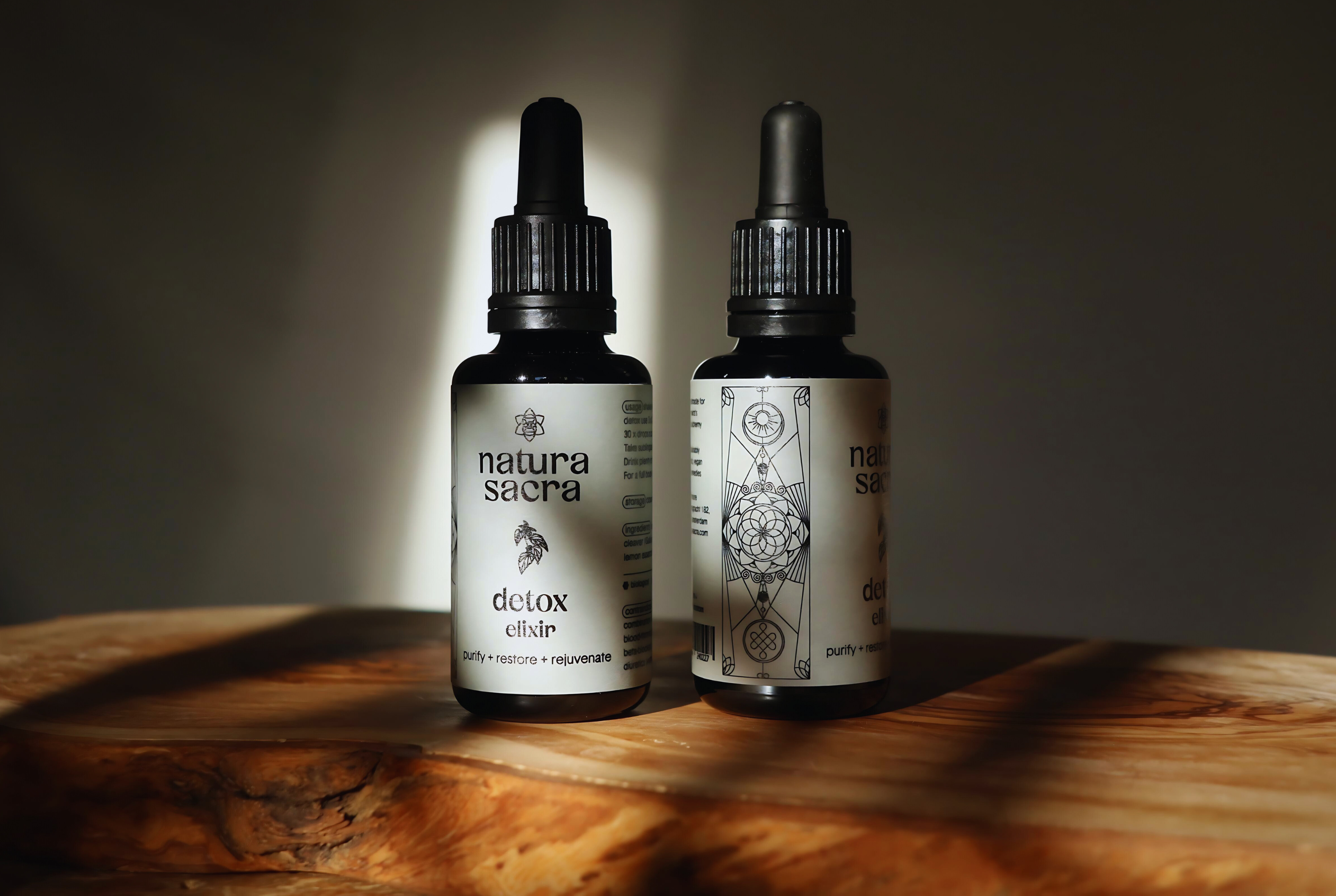
Natura Sacra’s approach to natural remedies for trouble sleeping blends evidence-based herbs with mindful rituals. Their Deep Sleep Tea combines lemon balm, chamomile, mugwort and lavender, designed for gentle nightly use and gradual results.
To create a bedtime ritual, set aside a few minutes to prepare your herbal tea, dim the lights, and jot down a calming thought in your sleep journal. Natura Sacra prioritises organic, small-batch blends for purity and potency, with transparency in sourcing and lots of positive feedback from those seeking sleep support.
If you’re curious about expanding your evening routine or want to learn about new blends, their site offers guides and customer stories to help you integrate these traditions safely and effectively.
Sample 7-Night Sleep Support Plan
Struggling to find a sleep routine that actually works? This 7-night sample plan blends the strongest natural remedies for trouble sleeping with easy lifestyle tweaks. Each night guides you step by step, helping you build a soothing ritual, track your progress, and discover what your body truly needs for deeper rest.

Night-by-Night Guide to Natural Sleep Remedies
Start slow and observe how your body responds. Here’s a simple 7-night roadmap using natural remedies for trouble sleeping:
- Nights 1–2: Focus on sleep hygiene. Set a consistent bedtime, dim lights, and avoid screens 60 minutes before bed. Try progressive muscle relaxation or gentle stretching.
- Nights 3–4: Add chamomile or lavender tea 30–60 minutes before sleep. These herbs are gentle but proven, with chamomile showing best effects after a few weeks. For more potent plant concentrate, consider our valerian elixir.
- Night 5: If you still struggle, introduce valerian or passionflower (as tolerated) about an hour before bed. Valerian’s effects are often felt within 30–60 minutes.
- Night 6: Combine your herbal tea with a magnesium supplement to support muscle relaxation.
- Night 7: Reflect and adjust. Note which remedies or routines helped most.
Always check for interactions with medications, and listen to your body as you try natural remedies for trouble sleeping.
Tips for Customising the Plan
Everyone’s sleep story is unique. Adapt this plan to suit your sensitivities and preferences. For example:
- If you’re sensitive to valerian, try passionflower or lemon balm instead.
- Adjust dosages slowly. Start with the lowest recommended amount, especially for stronger herbs.
- Use a sleep diary or app to record how long it takes to fall asleep, total sleep time, and how you feel each morning.
- Balance consistency with gentle experimentation. If you find a remedy that works, stick with it for a few nights before making changes.
- Explore herbal blends and practical tools from the Stress & Sleep Collection Overview for added inspiration.
By tracking your journey, you’ll discover which natural remedies for trouble sleeping best support your nightly rhythm.

Red Flags and When to Seek Further Help
Not every sleep issue can be solved at home. Watch for these signs that natural remedies for trouble sleeping may not be enough:
- Severe or worsening insomnia despite consistent effort
- Persistent snoring, pauses in breathing, or restless legs
- Extreme daytime sleepiness or trouble staying awake
- Sleep problems lasting more than three weeks
When in doubt, consult a healthcare professional. Sometimes the best results come from blending natural methods with specialist support, ensuring your sleep journey is both safe and effective.
If you’re ready to put these expert-backed natural sleep remedies into practice and create a bedtime ritual that truly supports your rest, you’re not alone. At Natura Sacra, we blend the wisdom of valerian, chamomile, passionflower and more into gentle, small batch formulas that honour both tradition and the latest research. Whether you’re new to herbal remedies or refining your routine, you’ll find thoughtful options crafted for quality and ease of use.

Let’s make restful nights your new normal—Discover our Stress & Sleep remedies crafted to help you unwind and restore balance.