Discover homemade remedies for sleep with expert tips for 2026 gentle rituals teas breathwork and routines for restful nights and a calmer mind
Homemade Remedies for Sleep: The Expert Guide 2026

Struggling to fall asleep or waking up restless? You’re not alone. Millions across the UK face these challenges each week, with sleep issues only rising.
If you’re searching for homemade remedies for sleep that truly work, this expert guide is for you. We blend the latest science, time-honoured traditions, and easy routines to help you reclaim restful nights.
Natural solutions like at-home teas, calming rituals, and sensory routines have become more popular than ever. Here, you’ll find actionable steps, expert insights, and a customisable 10-minute bedtime routine.
Ready to explore? Discover the basics of sleep, light and environment strategies, heat therapies, herbal teas, breathwork, oil rituals, and a printable checklist designed just for you.
Understanding Sleep: The Science and the Struggle
Sleep is the body’s nightly reset. Quality rest helps your immune system fight off illness, balances your mood, sharpens your memory, and keeps your metabolism on track. According to the NHS, most adults need between 7 and 9 hours each night, but many in the UK fall short. The Sleep Foundation reports that poor sleep raises the risk of heart issues, low mood, and even trouble focusing at work or school.
The Importance of Quality Sleep
Why does good sleep matter so much? When you sleep well, your body repairs itself, your brain processes memories, and stress hormones drop. Without quality sleep, you may feel anxious, irritable, or run down. NHS figures show that sleep deprivation affects everything from immunity to weight. The Sleep Foundation reveals that nearly 40 percent of UK adults get less than seven hours, highlighting the need for effective homemade remedies for sleep.
Common Causes of Sleep Problems in 2026
Modern life brings new hurdles for restful nights. Constant screen time, late-night work shifts, and high stress can all disrupt your body’s natural sleep rhythm. Environmental factors like noise or city lights make things worse. According to ONS data from 2025, one in three adults now struggles with insomnia. These challenges fuel the search for homemade remedies for sleep that fit busy lives.
Sleep Hygiene Fundamentals
Sleep hygiene means building habits and routines that support better rest. Experts from NICE and the NHS recommend a regular sleep schedule, a dark and quiet bedroom, and calming pre-bed rituals. Good sleep hygiene helps you fall asleep faster and wake up feeling more refreshed. If you’re trying homemade remedies for sleep, pairing them with strong sleep hygiene basics often brings the best results.
The Role of Natural Remedies
Interest in natural solutions is soaring. Many turn to herbal teas, gentle sensory rituals, and calming routines instead of medication. Scientific studies support some herbal and plant-based options, but results vary. For a deeper dive into evidence-based herbs, see this Best Herbs for Sleep guide. Remember, while homemade remedies for sleep can help, realistic expectations are key and not every method works for everyone.
Key Sleep Cycles and When Remedies Help
Sleep unfolds in cycles: light sleep, deep sleep, and REM. Each stage plays a unique role in healing and memory. Timing your remedies can enhance their effect. Herbal teas and breathwork before bed may help you drift into deep sleep more smoothly. Understanding these cycles helps you choose the right remedy, at the right time, for your best night’s rest.
Step 1: Light Cues and Environment for Better Sleep
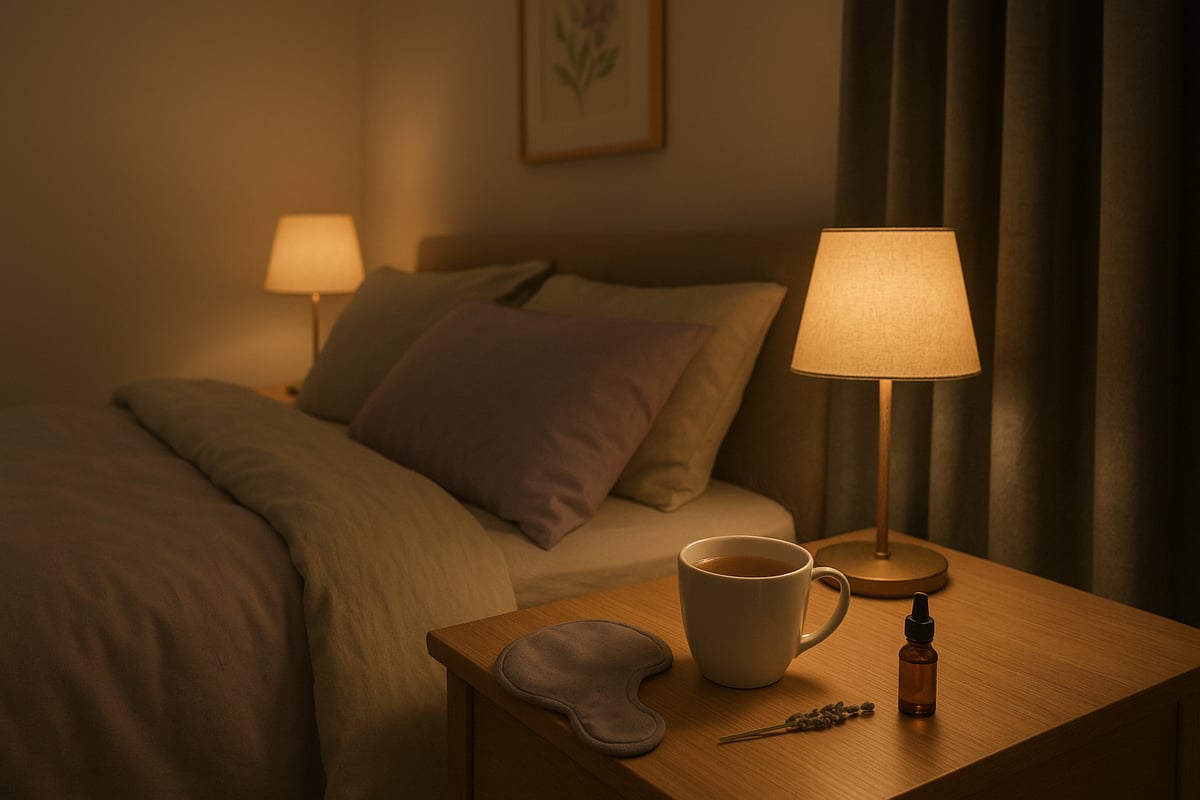
Struggling to create a restful atmosphere before bed? The right light cues can transform your evenings, making homemade remedies for sleep genuinely effective. Let’s break down why light matters, how to set up your bedroom, and offer two routine versions—one for busy nights and one for deep, soothing rituals.
Why Light Matters for Sleep
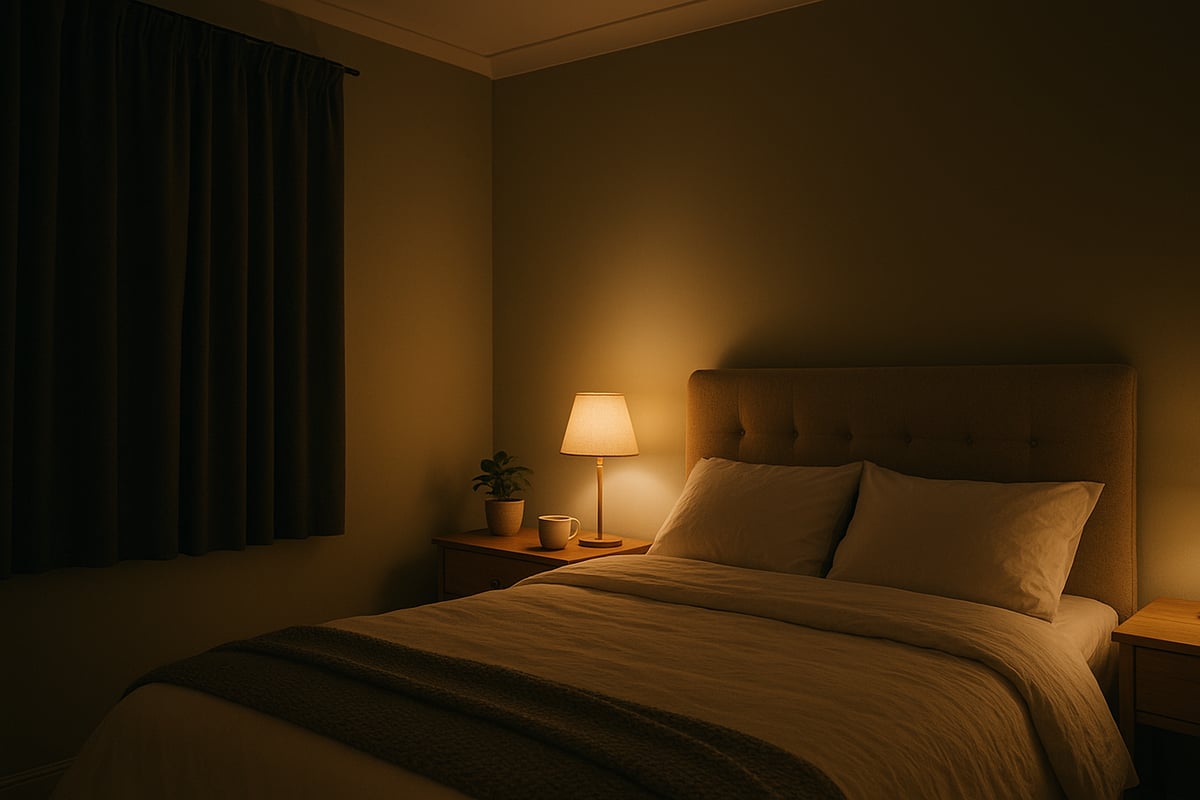
Our bodies are tuned to natural light cycles. When evening falls, darkness tells your brain to release melatonin, the hormone that helps you drift off. Blue light from screens, however, can disrupt this process and delay sleepiness. In fact, 80 percent of UK adults now use screens in the hour before bed, which can make homemade remedies for sleep less effective.
By reducing exposure to artificial and blue light, you support your body’s natural sleep rhythm. This small change can make a big difference in how quickly you fall asleep and how refreshed you feel in the morning.
Setting Up Your Bedroom for Sleep
A sleep-friendly bedroom is cool, dark, and free from clutter. Use blackout curtains or an eye mask to block stray light. Set your room temperature between 16 and 18°C—research shows this helps signal your body it’s time to rest.
Keep the space tidy and calming. Remove unnecessary electronics and avoid bright lights overhead. These foundational steps amplify homemade remedies for sleep, turning your bedroom into a true retreat.
Evening Light Routine: Step-by-Step
Start winding down an hour before bedtime. Dim all main lights and switch to warm, low-lumen bulbs or candles. Avoid phones and laptops, or use blue light filters if you must check them.
If you drink herbal tea or use calming oils, prepare them under soft lighting. This simple evening routine enhances the effects of homemade remedies for sleep, making it easier to transition from wakefulness to deep rest.
Quick Adjustments for Busy Nights
Pressed for time? Try a five-minute “light downshift.” Slip on an eye mask or pop on blue light-dimming glasses while you tidy up or sip your tea. Even this brief reduction in blue light can boost melatonin production and support homemade remedies for sleep.
For more streamlined evening routines—including light, tea, and breathwork—explore Evening Rituals for Deep Rest for practical tips.
“Full Ritual” Version: Creating a Calming Ambience
Ready for a deeper wind-down? Layer your lighting with table lamps and fairy lights. Add an aromatherapy diffuser with lavender or chamomile. Play gentle music or nature sounds, and take a few moments to breathe deeply.
This 10-minute ambience ritual, paired with homemade remedies for sleep, helps you release the day’s stresses and invites your body into a restful state.
Printable Checklist: Light & Environment
Light & Environment Sleep Routine
- Dim main lights 1 hour before bed
- Switch to warm, low-lumen bulbs or candles
- Block outside light with blackout curtains or eye mask
- Set bedroom temperature to 16–18°C
- Remove clutter and electronics
- For busy nights: use eye mask or blue light glasses
- For full ritual: add aromatherapy and soft music
- Prepare tea or oils under soft lighting
Try these steps nightly to enhance your homemade remedies for sleep.
Step 2: Heat—Baths, Foot Soaks, and Body Comfort
If you are searching for homemade remedies for sleep that feel both nurturing and effective, heat therapies are a gentle classic. Science continues to confirm what tradition has long known: warmth relaxes muscles, soothes nerves, and helps signal to your body that it is time to slow down. After a bath or foot soak, your core temperature dips slightly, which encourages natural sleep onset. Studies suggest that a 10 to 15 minute soak, taken one or two hours before bed, can significantly improve sleep quality and reduce the time it takes to fall asleep.
The Science of Heat for Sleep
Heat is a time honoured pillar in homemade remedies for sleep. When you immerse your body in warm water, blood vessels dilate, helping you unwind physically and mentally. As you leave the bath, your body cools, which mimics the natural drop in temperature that happens when you fall asleep. This process, called thermoregulation, is linked to faster sleep onset and better sleep depth. According to a 2025 meta analysis in Sleep Medicine Reviews, people who soak for 10 to 15 minutes before bed report falling asleep up to 36 percent faster.
Quick Heat Solutions for Busy Nights
On nights when time is short, you can still enjoy the benefits of homemade remedies for sleep with a five minute routine. Try a simple foot soak: fill a basin with warm water, add a handful of Epsom salts, and sit back. For extra speed, use a microwaveable heat pack on your neck or shoulders. Even a mug of warm water for a hand soak offers micro relaxation. These quick fixes help busy evenings feel more restful and support your nightly wind down.
Full Ritual: Bathing for Deep Relaxation
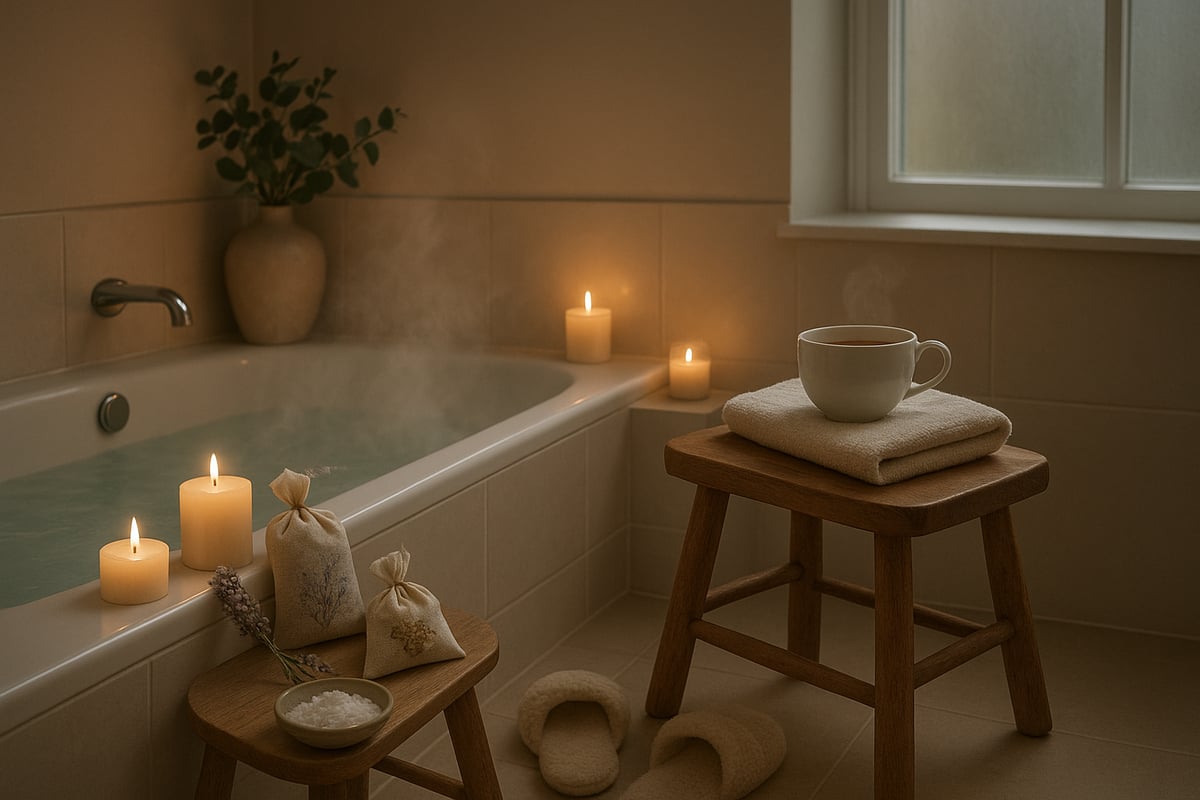
If you have more time, transform your bath into a full sleep ritual. Begin by drawing a warm bath and adding calming botanicals such as lavender or chamomile. Set the mood with candles or a gentle playlist. Before you step in, set an intention for rest. Allow yourself to soak for 10 to 15 minutes, breathing slowly and deeply. This extended version of homemade remedies for sleep is a powerful way to let go of the day and prepare for deep rest.
Herbal Additions: Safe Botanicals for Baths
Botanicals can elevate homemade remedies for sleep, especially when added to your bath. Research supports the use of lavender, chamomile, and oat straw for their calming properties. Prepare a simple sachet using muslin cloth and tie it securely before adding to your bath. For a deeper dive into plant based solutions, explore Plants That Help You Sleep for ideas and safety tips. Always patch test new botanicals and avoid essential oils if you have sensitive skin.
Combining Heat with Other Rituals
Pairing heat therapies with other homemade remedies for sleep multiplies the benefits. After your bath or soak, transition to bed with gentle stretching or mindful towel drying. You might combine this step with slow breathing or a calming tea. Creating a seamless bath to bed routine helps your mind and body associate these cues with restful sleep, making it easier to unwind, even on stressful days.
Printable Checklist: Heat Rituals
Quick Routine:
- Five minute foot soak with warm water and Epsom salts
- Microwaveable heat pack for neck or shoulders
- Warm hand soak in a mug if pressed for time
Full Ritual:
- Draw a warm bath, add lavender or chamomile sachet
- Set candles or calming playlist
- Soak for 10 to 15 minutes, breathing deeply
- Transition to bed with gentle stretches or towel dry
Step 3: Herbal Teas and Natural Sleep Elixirs
Struggling to wind down? You are not alone. Herbal teas are among the most popular homemade remedies for sleep, loved for their gentle support and ritual feel. Whether you are after a quick fix or a mindful moment, the right cup can help bridge the gap between a busy day and restful night. Let us explore the best evidence-backed options, how to brew for real benefit, and ways to make your evening routine both easy and enjoyable.
Evidence-Based Herbal Teas for Sleep
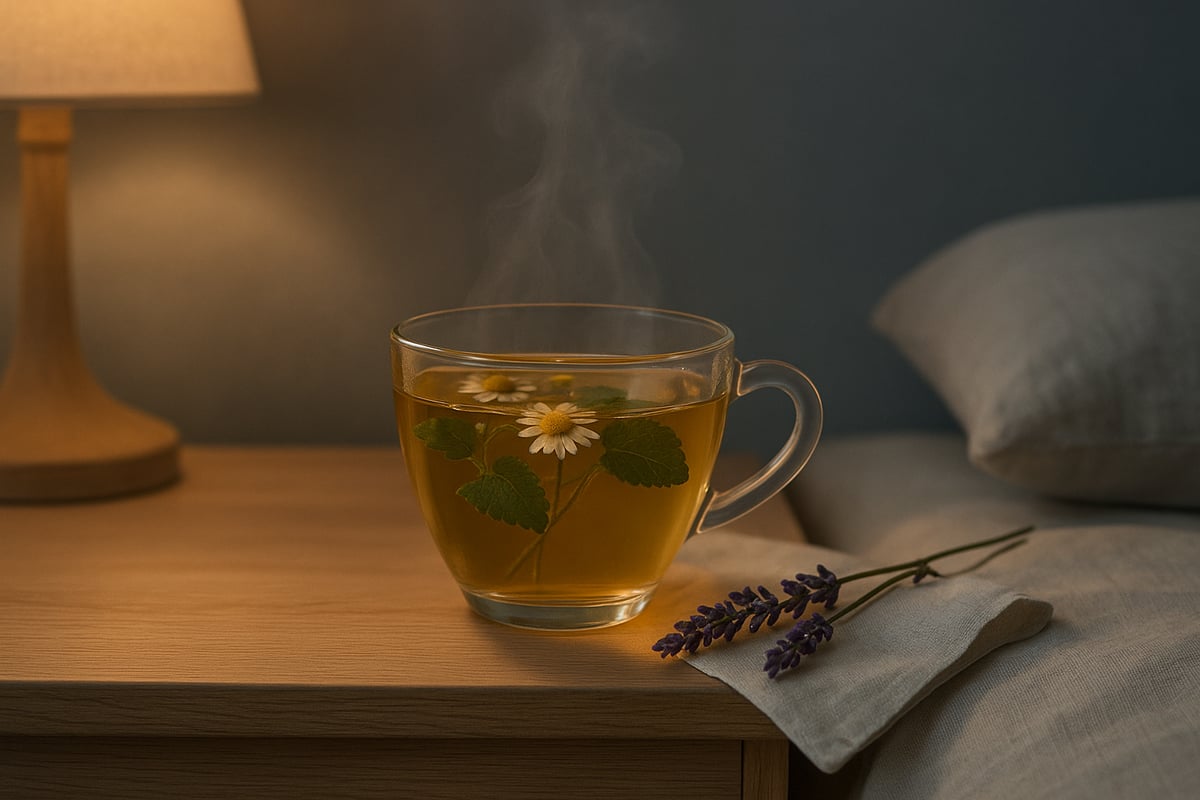
Herbal teas have long been used as homemade remedies for sleep, with chamomile, valerian root, and lemon balm leading the pack. Chamomile is famed for its calming effect, while valerian has shown promise in reducing the time it takes to fall asleep. Lemon balm offers gentle relaxation and is often blended with other herbs for a soothing taste.
Recent studies suggest a single cup of chamomile before bed can help ease sleep onset. Valerian blends may support deeper rest, but not everyone responds the same way. For a deeper dive into the science and options, see this summary of herbal teas for sleep.
Safety is key. Stick to caffeine-free blends and start with a small amount, especially if you are new to a particular herb. Always check for allergies and avoid teas if you are pregnant or on certain medications.
When and How to Brew for Best Results
Timing matters. For homemade remedies for sleep, aim to enjoy your tea about 30 to 60 minutes before you turn in. This allows the warmth and aroma to signal your body that it is time to wind down.
Use freshly boiled water (but not scalding), steep your tea for 5–10 minutes, and keep your mug covered to trap the calming oils. The goal is a gentle, aromatic brew that soothes rather than stimulates. Always opt for caffeine-free options at night to avoid unwanted wakefulness.
Fast-Track Tea for Busy Nights
On hectic evenings, homemade remedies for sleep do not have to be complicated. Choose pre-bagged herbal teas or quality loose-leaf blends for speed. The “microwave mug” method works in a pinch: heat water in your mug, steep the tea bag, and you are done.
Drink slowly but avoid too much liquid to prevent waking in the night. Even a five-minute tea break can mark the start of your wind-down routine.
Full Ritual: Mindful Tea Preparation
If you have a little more time, turn your tea into a mini-ritual. Select your herbs intentionally, measure your tea mindfully, and pour hot water with focus. Hold your mug, breathe in the aroma, and take slow sips. Consider adding a gratitude or intention practice as you drink.
This mindful approach transforms homemade remedies for sleep into a calming anchor, helping to shift your mind and body towards rest. Many find this “tea meditation” the highlight of their evening.
Natura Sacra: Herbal Sleep & Stress Remedies
Natura Sacra’s Sleep and Stress teas are crafted as premium homemade remedies for sleep, combining evidence-backed herbs in small batches. Their blends use organic botanicals like chamomile, lemon balm, and adaptogenic roots, all designed to support your natural rhythms.
You can easily add Natura Sacra’s Sleep or Stress tea to your routine—just swap in your favourite blend. Their elixirs are another gentle option, especially if you prefer a concentrated dose. Education, transparency, and the ritual of preparation are at the heart of their philosophy.
Printable Checklist: Tea & Elixir Routine
Busy-Night Routine
- Choose a caffeine-free herbal tea bag or loose-leaf blend
- Heat water (kettle or microwave)
- Steep tea for 5–10 minutes, cover mug
- Sip slowly, avoid over-hydrating
Full Ritual
- Select herbs or premium blend with intention
- Mindfully measure and pour hot water
- Cover and steep, inhale aroma deeply
- Add a gratitude or intention practice as you drink
Both approaches make homemade remedies for sleep simple, flexible, and supportive—just what you need before bed.
Step 4: Breathwork and Mindful Downshift
Breathwork is a gentle, science-backed way to prepare your mind and body for sleep. As part of homemade remedies for sleep, it helps you let go of the day’s tension, lowers your heart rate, and signals to your brain that it’s time to rest. Whether you have two minutes or ten, mindful breathing can make a real difference in your bedtime routine.
Breathing Techniques for Sleep
Simple, structured breathing exercises are a cornerstone of homemade remedies for sleep. The 4-7-8 breath involves inhaling for 4 seconds, holding for 7, and exhaling for 8. Box breathing uses equal counts for inhale, hold, exhale, and pause. Diaphragmatic breathing encourages slow, deep breaths from the belly, not the chest.
Research shows that slow, controlled breathing can reduce anxiety and heart rate, creating the perfect conditions for restful sleep. The NHS even recommends these practices to help ease insomnia. For more, see the NHS sleep hygiene guidelines.
Quick Calm for Busy Nights
On nights when you’re short on time, a two-minute “breath downshift” can be enough. Try this: sit or lie comfortably, close your eyes, and take five slow, deep breaths, focusing on your exhale. Pair your breath with gentle neck rolls or shoulder shrugs.
Many homemade remedies for sleep are about simplicity and consistency. For extra support, use a guided app or find a short audio meditation, which can help you stay focused and relaxed, even when you’re tired.
Full Ritual: Mindful Wind-Down
If you can spare a little longer, combine breathwork with a guided visualisation or a body scan meditation. Start with your chosen breathing technique, then imagine a gentle wave of relaxation moving from your toes to your head.
Soft background music or white noise can deepen this effect. This mindful wind-down is a vital part of homemade remedies for sleep, helping you let go of the day and welcome rest more fully.
Integrating Breathwork with Other Steps
Breathwork fits beautifully with the other steps in your evening routine. Sip your herbal tea as you breathe deeply, or follow your bath or oil ritual with a few minutes of focused breathing.
Integrating breathwork into homemade remedies for sleep creates a seamless transition from activity to calm. Studies suggest that routines combining several calming practices can improve overall sleep quality and make bedtime something to look forward to.
Printable Checklist: Breathwork Routine
Breathwork for Better Sleep—Quick & Full Rituals
- Find a quiet, comfortable spot to sit or lie down.
- Choose your technique: 4-7-8, box, or belly breathing.
- For quick calm: 2 minutes, focus on slow exhales.
- For full ritual: add visualisation, body scan, or soft music.
- Pair with tea, bath, or oil ritual for extra effect.
- Repeat nightly for best results.
Step 5: Oil Touch Rituals and Sensory Wind-Down
Imagine ending your day with a calming touch ritual, letting your senses guide you toward deeper rest. Oil massage has long been a gentle, sensory-based approach within homemade remedies for sleep. The right routine can help your body relax, your mind slow, and your bedtime feel like a true sanctuary.
Science of Touch and Topical Oils for Sleep
Gentle touch and aromatic oils work together to activate your body’s rest response. Massaging oil onto the skin, especially around pulse points, encourages relaxation by stimulating the parasympathetic nervous system. Studies show that topical lavender oil can improve sleep quality. For a deeper dive into the calming effects of these rituals, see Oiling as Ritual for Sleep. Many homemade remedies for sleep use this simple, hands-on approach as a nightly anchor.
Quick Oil Ritual for Busy Nights
On nights when time is tight, try a five-minute oil touch ritual. Warm a drop of calming oil between your palms and gently press onto pulse points: wrists, temples, and behind the ears. Focus on slow, circular motions. Choose a lightweight, non-greasy oil for convenience. This mini version still offers a sensory cue that signals your body to wind down.
Full Ritual: Self-Massage and Sensory Immersion
If you have more time, create a full sensory wind-down. Begin in a softly lit room, using slow, mindful strokes to massage your hands, neck, or even feet with a soothing oil. Pair this with deep breathing and perhaps a favourite calming playlist. This oil touch meditation can be integrated into your homemade remedies for sleep routine, helping you let go of the day’s tension and welcome rest.
Choosing the Right Oils and Safety Tips
For sleep rituals, research supports lavender, chamomile, and sweet almond oil. Always patch test a new oil on your inner arm and wait 24 hours for any reaction. Stick to pure, natural oils and avoid synthetic fragrances. If you have sensitive skin, opt for diluted blends or carrier oils.
Combining Oil Ritual with Other Steps
Layering your oil ritual after tea, a warm bath, or breathwork enhances the effects. This “ritual stacking” creates a multi-sensory bedtime routine, a hallmark of effective homemade remedies for sleep. Try applying oil just before bed, after your last calming activity, to signal the final transition to rest.
Printable Checklist: Oil Touch Routine
- Choose your calming oil (lavender, chamomile, or sweet almond)
- Wash and dry hands
- Warm a drop of oil between palms
- Massage onto pulse points: wrists, temples, behind ears
- For full ritual: add neck, hands, or feet
- Breathe deeply and enjoy the sensory calm
If you’re ready to turn restful sleep into a nightly ritual, why not take the next step on your journey with plants and natural remedies? We’ve explored how simple teas, calming baths, and mindful touch can help you unwind—now, let’s make those bedtime moments even more nourishing. I invite you to discover the gentle, research-backed blends specially crafted to help you relax and restore balance, all rooted in the timeless wisdom we’ve discussed. Your evening wind-down can be as unique as you are—start with a soothing cup or a calming oil and see where your ritual takes you.
Discover our Stress & Sleep remedies crafted to help you unwind and restore balance.