Explore the rich tradition of herbal women—healers, midwives, and plant keepers—and how their wisdom shapes modern botanical wellness today.
Herbal Women: Plant Wisdom & Modern Wellness

Throughout history, women have held the knowledge of plants close. From village healers gathering nettles at dawn to midwives brewing raspberry leaf teas, from grandmothers preparing calendula salves to contemporary herbalists crafting small-batch remedies, this relationship has threaded through generations. These herbal women-as keepers of botanical wisdom, as practitioners, as the ones who remembered which leaf stopped bleeding and which root eased birth-have shaped how we understand plant medicine today. Their legacy lives on in every cup of tea steeped with intention, every oil massaged into tired muscles, every ritual that honours the body's rhythms through the intelligence of herbs.

The Historical Roots of Herbal Women
For millennia, women's knowledge of plants formed the backbone of community health. Before hospitals and pharmacies, herbal women served as the primary healthcare providers in their villages and towns. They attended births, tended the sick, and maintained gardens filled with medicinal allies.
This wasn't abstract knowledge passed through textbooks. These practitioners learned through observation, apprenticeship, and direct experience with plants. A young woman might spend years alongside her grandmother, learning to identify St John's wort by its oil-filled leaves, to harvest lady's mantle at just the right moon phase, to prepare gentle nervines for anxious mothers.
The scope of their practice included:
- Pregnancy support and midwifery care
- Menstrual and menopausal remedies
- Digestive complaints and seasonal ailments
- Wound healing and skin conditions
- Emotional and nervous system support
Many traditional formulas still used today emerged from this lineage. Sheng Hua Tang, a Chinese herbal blend for postpartum recovery, reflects centuries of observation about women's needs after birth. Similarly, Aju Mbaise, a Nigerian herbal mixture, demonstrates how different cultures developed sophisticated plant protocols specifically for women's wellbeing.
From Village Healer to Modern Herbalist
The path hasn't been smooth. During various historical periods, herbal women faced persecution, particularly when their knowledge threatened established power structures. Yet the wisdom persisted, passed quietly between trusted hands, written in personal journals, preserved in family recipes.
Today's herbal women stand on these foundations. Contemporary practitioners like Rosemary Gladstar and Aviva Romm bridge traditional wisdom with modern research, creating accessible pathways for others to reclaim this knowledge. Their work honours the lineage while adapting practices for contemporary life.
Understanding Women's Unique Relationship with Plant Medicine
The connection between herbal women and plant wisdom runs deeper than historical coincidence. Women's bodies move through distinct rhythms-monthly cycles, pregnancy, postpartum, perimenopause, menopause-each phase bringing unique needs that plants have long supported.
| Life Phase | Common Needs | Traditional Plant Allies |
|---|---|---|
| Menstrual years | Cycle regulation, cramping, mood shifts | Lady's mantle, raspberry leaf, vitex |
| Pregnancy | Nausea, nutrient support, preparation for birth | Ginger, nettle, red raspberry |
| Postpartum | Recovery, milk production, emotional balance | Fennel, oat straw, motherwort |
| Perimenopause | Hot flushes, sleep disruption, emotional shifts | Black cohosh, sage, lemon balm |
| Menopause | Bone health, heart support, vaginal dryness | Red clover, hawthorn, calendula |
This cyclical nature creates an intimate familiarity with bodily changes. Many herbal women develop their practice through addressing their own needs first-discovering which plants ease their particular expression of premenstrual tension, which remedies support their sleep, which allies help them navigate stress.
The Concept of Emmenagogues
Traditional herbal women worked extensively with emmenagogues-herbs that support menstrual flow and pelvic circulation. While modern understanding has evolved beyond some historical uses, these plants remain relevant for supporting healthy cycles.
Common emmenagogue herbs include:
- Mugwort: Long used to support regular cycles and ease cramping, though human research remains limited
- Yarrow: Traditionally employed for its action on pelvic circulation
- Ginger: Modern studies suggest benefits for menstrual pain, with one 2015 trial showing it as effective as ibuprofen for dysmenorrhea
It's worth noting that many traditional emmenagogues were also used historically to induce miscarriage. Modern herbal women approach these plants with informed caution, understanding both their supportive qualities and their contraindications during pregnancy.
How Herbal Women Approach Wellness Differently
The herbal women's perspective centres wholeness rather than isolated symptoms. Where conventional medicine might address insomnia separately from digestive complaints and anxiety, an herbalist sees these as interconnected patterns within one body.
This approach draws from what herbalists call "constitutional treatment"-understanding someone's unique terrain, their tendencies, their rhythms. A plant that soothes one woman's frayed nerves might energise another who runs cold and sluggish.
The Role of Ritual and Relationship
Modern herbal women emphasise ritual-not as mysticism, but as the practice of slowing down enough to notice. Brewing tea becomes a moment to check in with your body. Massaging oil into skin creates space for self-awareness. These small acts reconnect us with ourselves and with the plants.
Lady's mantle, named for its use in women's health, demonstrates this beautifully. Its Latin name, Alchemilla, reflects its traditional reputation as a magical plant. Modern herbalists value it for its astringent tannins, which support tissue tone. Both perspectives hold truth-the chemistry and the relationship matter.
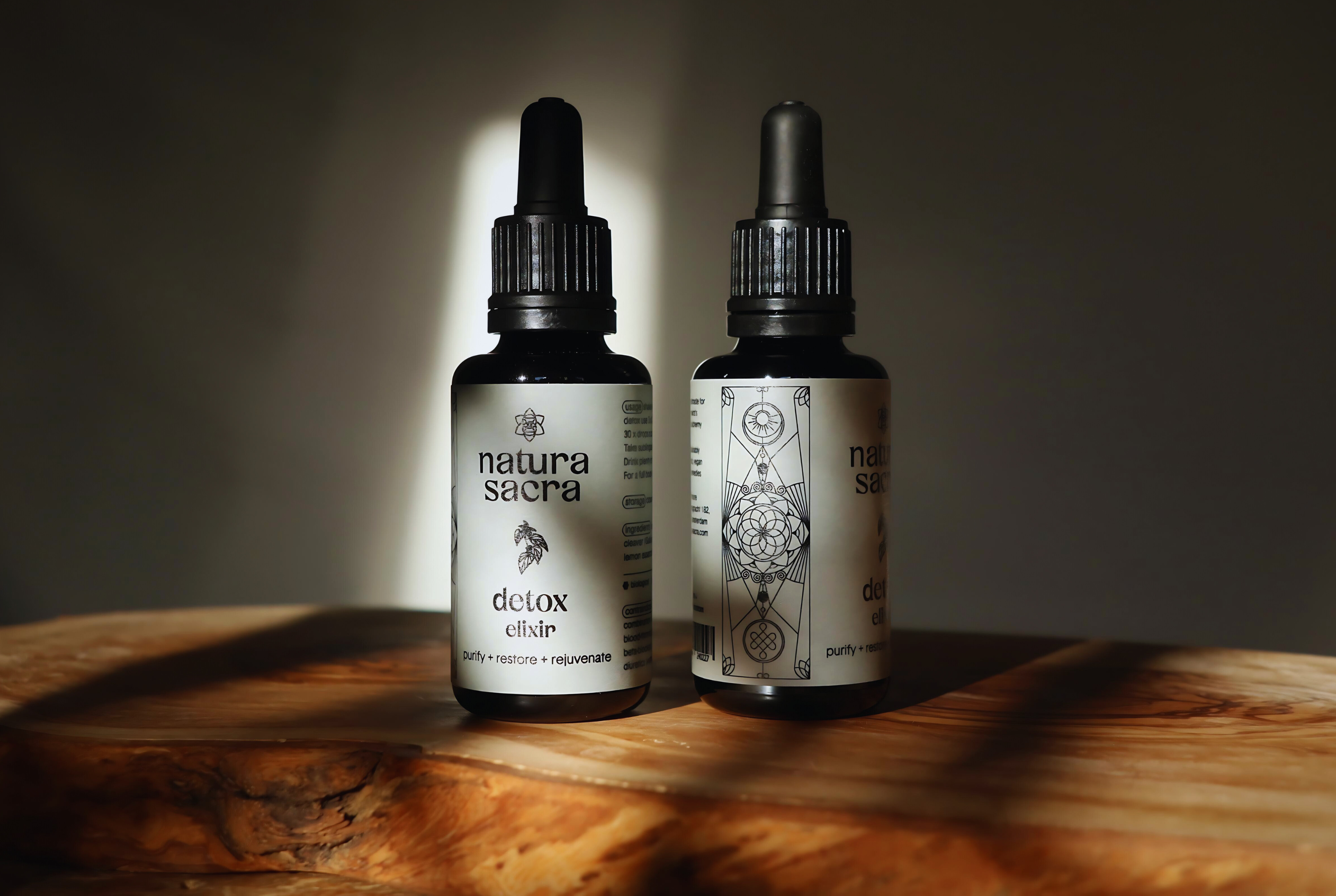
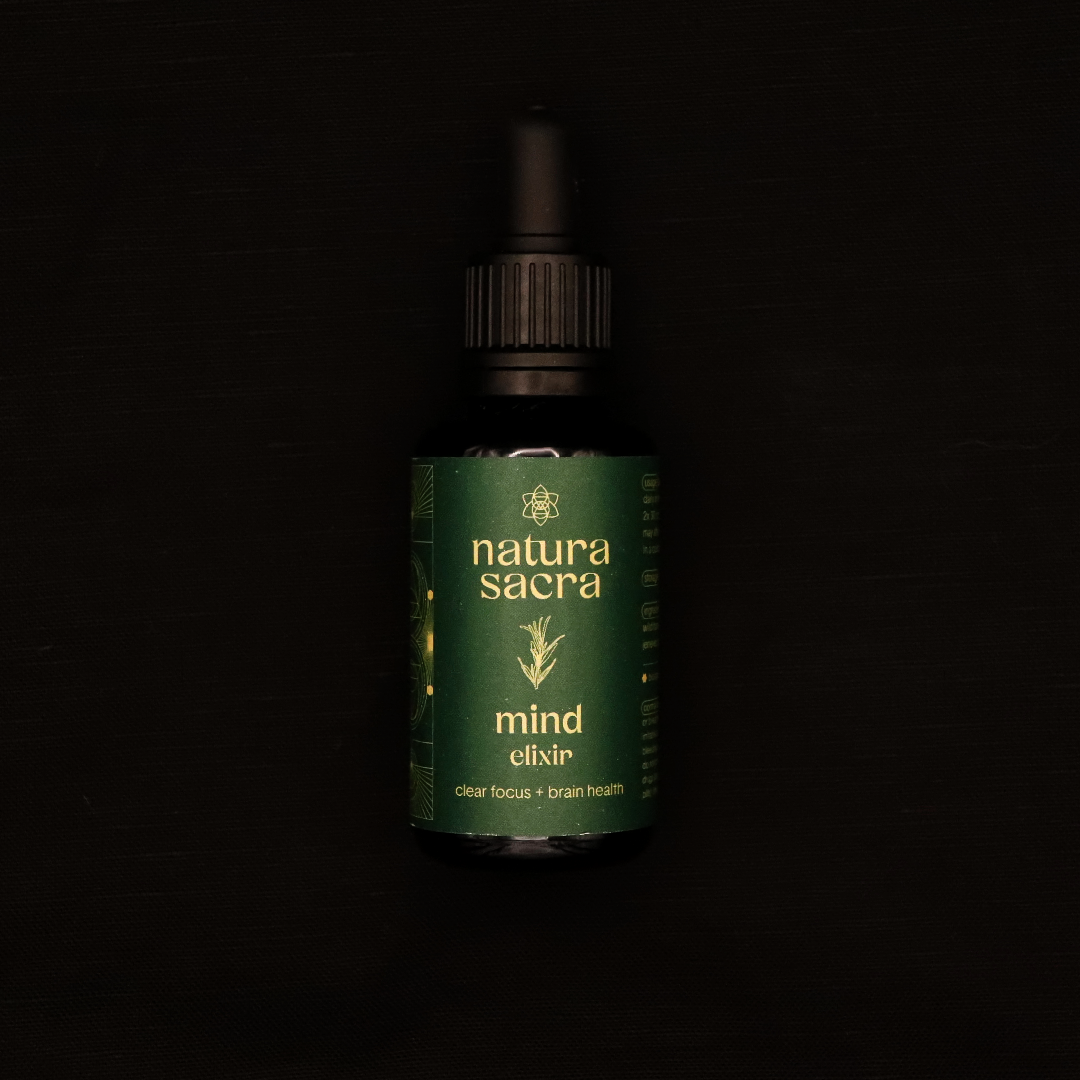
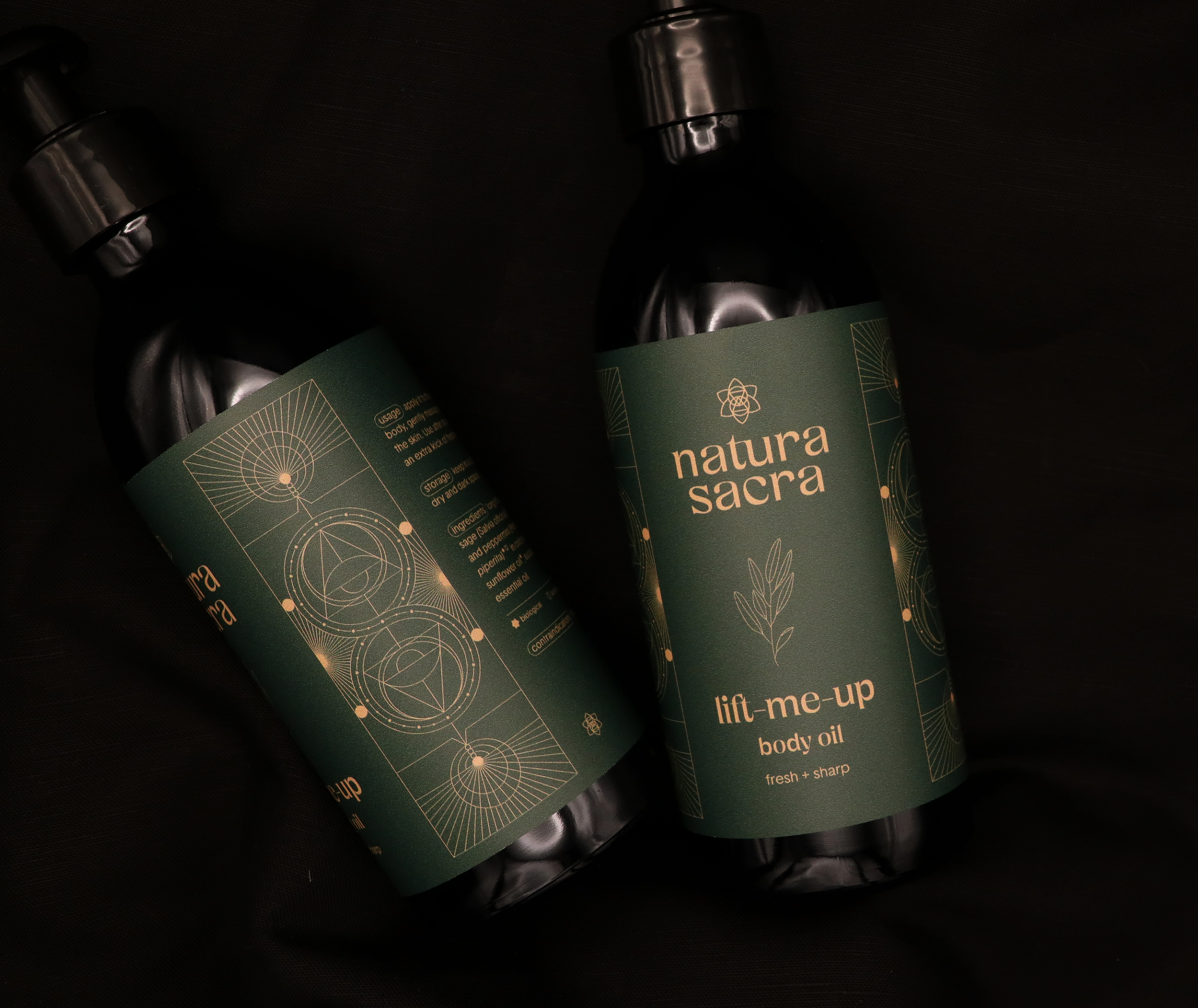
At Natura Sacra, this philosophy shapes every small-batch tea and thoughtfully crafted elixir. Each remedy honours both traditional wisdom and contemporary understanding.
Key Plants in the Herbal Women's Materia Medica
Certain plants appear repeatedly in formulas designed by and for women. These allies have proven themselves across generations, combining traditional use with growing research support.
Nettle: The Nourisher
Urtica dioica stands as one of the most nutrient-dense plants available. Rich in iron, calcium, magnesium, and vitamin K, nettle supports the increased mineral needs many women face during menstruation and pregnancy.
Research supports several traditional uses. A 2016 study found nettle extract reduced inflammation markers, whilst older research suggested benefits for urinary health. Herbalists often recommend nettle infusions-strong, mineral-rich brews steeped for hours-for building nutritional reserves.

Vitex: The Cycle Supporter
Chaste tree berry (Vitex agnus-castus) has a long history in women's health, particularly for cycle irregularities and premenstrual symptoms. Modern research suggests it works through the pituitary gland, supporting healthy progesterone levels.
A 2017 systematic review found vitex effective for premenstrual syndrome, though researchers noted quality varied between studies. Herbalists typically use vitex over several months, recognising that hormonal patterns shift gradually.

Red Raspberry Leaf: The Uterine Tonic
Perhaps no plant is more associated with herbal women's practice than raspberry leaf (Rubus idaeus). Traditional midwives used it throughout pregnancy, claiming it "toned" the uterus and eased labour.
Research on raspberry leaf remains mixed:
- Some studies suggest it may shorten the second stage of labour
- Other research shows no significant effect on birth outcomes
- Safety studies indicate it's generally well-tolerated during pregnancy
Many contemporary herbal women continue using raspberry leaf, though emphasising it as a nutritive herb rich in vitamins and minerals rather than making specific labour claims.

Motherwort: The Heart Herb
Leonurus cardiaca earns its common name through traditional use for both emotional and physical heart support. Chinese medicine has employed it for centuries in postpartum formulas, whilst European herbalists valued it for nervous tension.
The bitter compounds in motherwort support digestion, whilst alkaloids may have mild sedative effects. Research remains preliminary, but herbalists continue reaching for this ally when someone feels overwhelmed, particularly during hormonal transitions.

Modern Science Meets Traditional Wisdom
Today's herbal women don't choose between tradition and research-they integrate both. Botanical medicine for women's health increasingly combines evidence-based practice with respect for historical knowledge.
This integration looks like:
- Understanding traditional context: Why did herbalists historically use this plant?
- Examining phytochemistry: What compounds does it contain?
- Reviewing available research: What do studies suggest about safety and efficacy?
- Applying clinical experience: How does this plant work in real-world practice?
- Individualising treatment: How does this person's unique needs inform plant selection?
| Research Level | Example Herbs | What We Know |
|---|---|---|
| Strong human trials | Ginger for nausea, St John's wort for mild depression | Multiple quality studies support traditional use |
| Preliminary research | Red clover for menopausal symptoms, vitex for PMS | Some promising studies, more research needed |
| Traditional use only | Lady's mantle for heavy periods, motherwort for anxiety | Long history, limited modern human research |
| Animal/in vitro only | Many adaptogens and nervines | Mechanisms identified, human data limited |
Resources like those from traditional Chinese medicine practitioners demonstrate how ancient systems continue informing modern practice. The wisdom doesn't require validation to remain useful, yet research often confirms what herbal women have long observed.
Building Your Own Herbal Practice
You don't need to be a professional herbalist to reclaim this lineage. Herbal women throughout history started exactly where you are-with curiosity about plants and attention to their own bodies.
Starting Simple
Begin with these accessible steps:
- Choose one or two gentle herbs aligned with your current needs
- Learn them deeply-their taste, their energetics, how they make you feel
- Keep simple records of what you notice
- Source quality dried herbs or trusted prepared remedies
- Start with teas before moving to more concentrated preparations
Many find success beginning with nervines-plants that support the nervous system. Lemon balm, with its gentle calming properties and pleasant taste, makes an excellent starting point. Research supports its traditional use for anxiety and sleep, with a 2011 study showing benefits for stress-induced symptoms.
Creating Daily Rituals
The power of herbs amplifies through consistency. Rather than reaching for plants only during crisis, herbal women weave them into daily life.
Morning ritual might include:
- A cup of nettle infusion for minerals and energy
- Gentle detox practices supporting natural cleansing
- Intention-setting whilst the kettle boils
Evening practices could involve:
- Nervine tea to signal the nervous system it's safe to rest
- Body oiling with herbal-infused oils
- Reflection on the day's physical and emotional patterns
These small acts create relationship-with plants, yes, but also with yourself.
The Embodied Wisdom of Herbal Women
What distinguishes herbal women's practice is embodiment-the lived experience of being in a female body, with all its complexities and gifts. This isn't about essentialising gender or excluding others from plant knowledge. Rather, it acknowledges that those who menstruate, who navigate hormonal shifts, who experience perimenopause often develop particular expertise in plants that support these transitions.
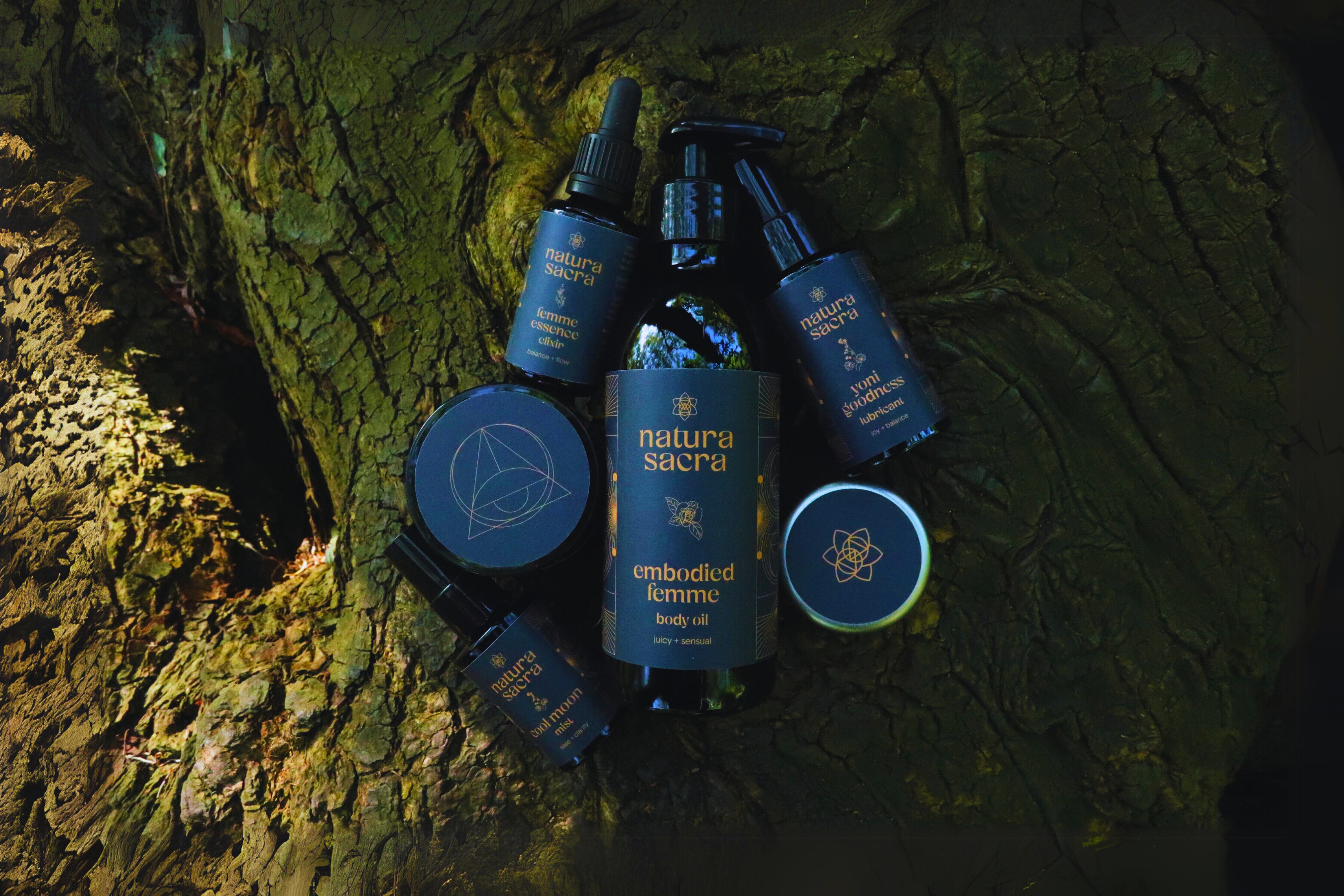
The Embodied Femme collection at Natura Sacra reflects this understanding-remedies crafted not just for female bodies, but for the experience of moving through the world in them, with their specific stresses, joys, and rhythms.
Hormonal Balance Through Plants
Many herbal women focus on supporting the body's natural hormonal rhythms rather than trying to override them. This means working with plants that:
- Nourish endocrine organs: Adaptogens like ashwagandha and holy basil support overall resilience
- Support liver function: Healthy detoxification pathways help clear excess hormones
- Address specific imbalances: Vitex for low progesterone patterns, black cohosh for menopausal transitions
- Calm the nervous system: Since stress profoundly impacts hormonal health
Research increasingly confirms what herbal women have long understood-that hormonal health connects intimately with stress, digestion, sleep, and emotional wellbeing. Plants work best when we address these interconnected systems together.
Safety, Sovereignty, and Informed Practice
Modern herbal women emphasise informed consent and body sovereignty. This means understanding both benefits and risks, knowing when professional support is needed, and trusting your own experience.
Key safety considerations include:
- Pregnancy and breastfeeding: Many traditional "women's herbs" are contraindicated during pregnancy
- Medication interactions: St John's wort, for instance, affects numerous pharmaceuticals
- Quality and sourcing: Herbs can be contaminated or adulterated
- Individual reactions: What helps one person may not suit another
- Appropriate conditions: Some concerns require medical attention, not just herbs
Quality practitioners, whether studying through comprehensive courses or learning from experienced mentors, develop skill in recognising these boundaries. They know when to refer, when to collaborate, when herbs can help, and when they cannot.
Reclaiming the Lineage
Every time you brew a cup of tea with intention, you join the lineage of herbal women. You become part of an unbroken chain stretching back through grandmothers and great-grandmothers, through village healers and wise women, through those who refused to let this knowledge die.
This reclamation matters particularly now, when many feel disconnected from their bodies, when the pace of modern life outstrips our nervous systems' capacity, when we've forgotten that we evolved alongside plants, in relationship with them.
The path forward involves:
- Learning plant names, actions, and preparations
- Developing your own felt sense of what supports your wellbeing
- Sharing knowledge generously within your community
- Supporting herbalists and companies that honour both tradition and sustainability
- Trusting your body's wisdom whilst staying open to learning
The herbal women who came before us didn't have all the answers, just as we don't today. But they had something precious-a willingness to pay attention, to try, to remember, to pass on what worked. That's the inheritance, and it's available to anyone who reaches for it.
The wisdom of herbal women offers more than remedies-it provides a framework for relating to our bodies with curiosity, compassion, and trust in nature's intelligence. Whether you're just beginning to explore plant allies or deepening an existing practice, you're part of this living tradition. At Natura Sacra, we honour this lineage through research-backed, small-batch remedies designed to support your body's natural rhythms-transforming ancient plant wisdom into practical daily rituals that nurture wellbeing from the inside out.