

Discover the holistic parasite cleanse with this 2026 handbook. Explore herbal wisdom and modern research in a safe step by step guide for beginners and beyond.
Holistic Parasite Cleanse Guide: Your Essential 2026 Handbook

Hidden parasites are more common than most people think, and in 2026, more people are turning to natural solutions for gut health and overall wellbeing. As awareness grows, many are seeking ways to address digestive discomfort and fatigue with holistic methods.
This handbook is designed to guide you through a holistic parasite cleanse, blending time-honoured herbal wisdom with modern research. Whether you are curious or ready to take action, you will find clear explanations and practical steps for beginners.
We will demystify what parasites are, discuss common symptoms, and explore how herbalists approach cleansing. You will discover essential herbs, a step-by-step protocol, safety tips, and how to integrate these practices into daily life. Get ready to feel empowered and take charge of your health.
Understanding Parasites and Their Impact
Parasites are more common in daily life than most people realise. Even in modern cities, exposure can happen through food, water, pets, or travel. Understanding what they are and how they affect the body is key before considering a holistic parasite cleanse.
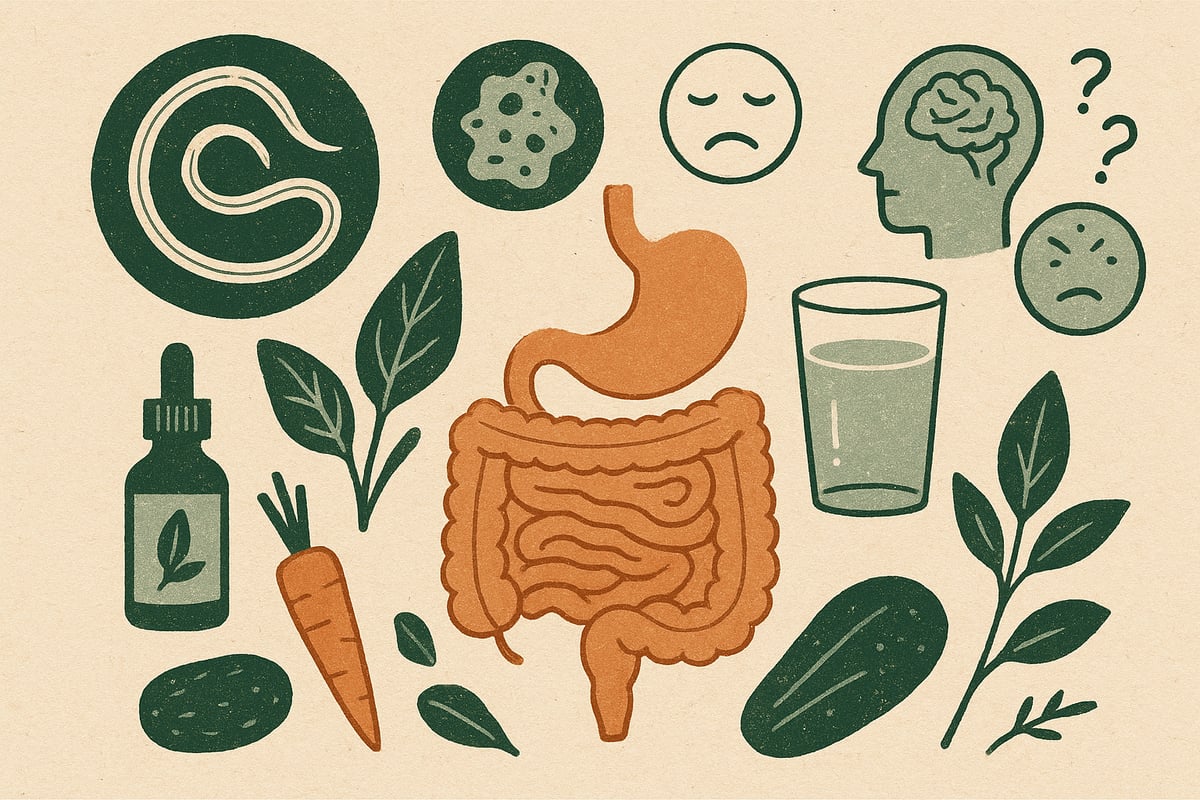
Parasites are organisms that live in or on another being, drawing nutrients to survive. In humans, the main types are protozoa (single-celled, such as Giardia or Entamoeba) and helminths (worms like roundworm, tapeworm, and hookworm). These invaders can be microscopic or visible to the naked eye, and their presence is not limited to far-flung places.
Entry points into the body are surprisingly varied. Contaminated water and undercooked food are common sources. Pets and livestock can also pass on eggs or larvae. International travel increases risk but so does gardening, swimming, or even eating raw vegetables if hygiene is lacking. This everyday exposure is one reason the holistic parasite cleanse is gaining attention.
Recent data shows that parasite infections remain a significant global health issue. According to the WHO report on neglected tropical diseases 2025, soil-transmitted helminths affect over a billion people worldwide, with pockets of high prevalence in Europe, especially among children and in rural communities. Many cases are mild, but subclinical infections are often missed.
Symptoms can be subtle or mistaken for other problems. Digestive discomfort, bloating, diarrhoea, or constipation are common. Fatigue, unexplained skin rashes, and brain fog may also appear. Some people notice allergies or nutrient deficiencies that resist standard treatment. The link between these symptoms and hidden parasites is a driving force behind the search for a holistic parasite cleanse.
If left untreated, parasites can cause long-term issues. They may deplete vitamins and minerals, stress the immune system, and trigger chronic inflammation. In some cases, they contribute to ongoing gut problems or worsen existing health conditions. Conventional medicine sometimes overlooks these infections, especially when tests are inconclusive or symptoms are vague.
Interest in natural and preventative approaches is rising. People are drawn to the holistic parasite cleanse for its focus on supporting the whole body, not just targeting the invaders. Recent clinical surveys suggest a growing number of individuals report improvement in digestive and mental wellbeing after addressing subclinical parasite burden. As more people seek answers, holistic options offer hope and empowerment.
The Herbalist’s Approach to Parasite Cleansing
The herbalist’s approach to a holistic parasite cleanse stands out by blending tradition, observation, and gentle self-care. People today are looking for more natural, sustainable ways to support their gut and immune system. Herbalists offer a time-tested pathway that values the body’s wisdom as much as the plants themselves.
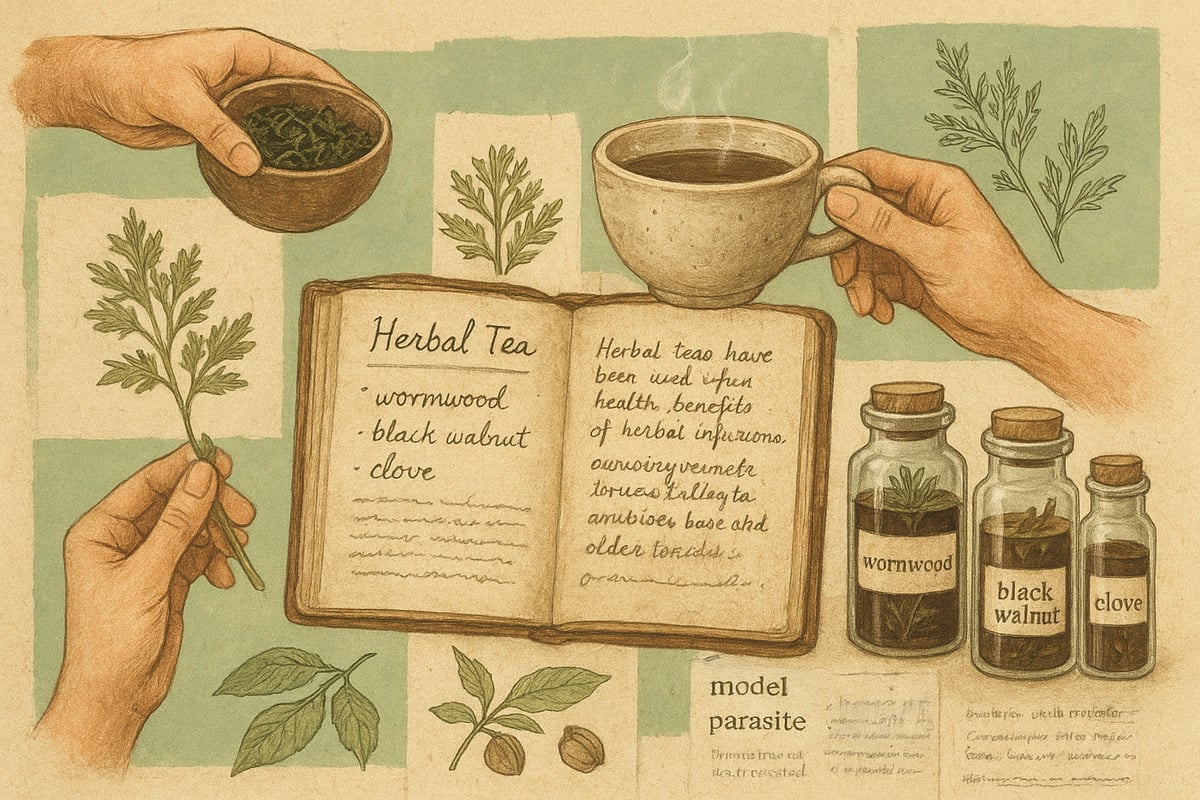
Traditional Wisdom Meets Modern Research
Herbal medicine has addressed parasites for centuries, drawing on diverse traditions from Ayurveda to Traditional Chinese Medicine and Western herbalism. Rather than just targeting invaders, these systems focus on restoring balance and supporting the body’s own defences during a holistic parasite cleanse.
Key principles include the use of bitter and aromatic herbs, which stimulate digestion and help create an environment less hospitable to parasites. Diet is also central, emphasising foods that support gut health and resilience. For example, in Chinese medicine, herbs like Artemisia annua have been used for malaria and related concerns, while European traditions favour wormwood and gentian.
Modern research is beginning to unpack how plant compounds like berberine (found in goldenseal and barberry) and thujone (in wormwood) might affect parasites. Notably, studies on Artemisia annua’s role in malaria have influenced both herbal and pharmaceutical approaches, though more research is needed for broader claims. If you’re curious about how these herbs support digestion and overall cleansing, you can find more in the Bitters, Teas, and Digestive Tonics guide.
Ultimately, a holistic parasite cleanse is about working with the body, not against it, using herbs as allies in a broader wellness plan.
Preparation: Assessing Readiness and Setting Intentions
Before starting any holistic parasite cleanse, it’s essential to pause and assess your readiness. Herbalists recommend reflecting on your symptoms, reviewing your health history, and consulting a practitioner—especially if you have chronic conditions or take medications.
Setting intentions can also be powerful. Many people find value in journaling how they feel physically and emotionally before beginning a cleanse. This process helps track changes and brings mindfulness to the journey. Rituals like preparing a special tea or creating a calming space can support emotional and mental preparation, turning the cleanse into an act of self-care rather than just a protocol.
Herbalists often suggest keeping a daily log of symptoms, energy, and mood to stay grounded and responsive to your body’s needs throughout the cleanse.
Choosing Quality Herbs and Remedies
Herb quality is crucial for both effectiveness and safety during a holistic parasite cleanse. With so many products on the market, it’s wise to choose organic, small-batch, or independently tested herbs from reputable suppliers.
When comparing forms, teas and tinctures are popular for their absorption and ritual value. Powders may be convenient but can vary in potency. Always check labels for sourcing, batch numbers, and clear dosage instructions.
A trustworthy herbal brand is transparent about origin, testing, and traditional preparation methods. Here’s a quick reference for quality:
| Criteria | What to Look For |
|---|---|
| Sourcing | Organic, wildcrafted |
| Testing | Third-party lab reports |
| Transparency | Batch numbers, origins |
| Preparation | Traditional methods |
Natura Sacra’s approach—combining education, ritual, and high-quality herbs—reflects what many herbalists value in daily practice.
Essential Herbs for a Holistic Parasite Cleanse
Understanding which herbs to choose is a vital step in any holistic parasite cleanse. Everyday life exposes us to hidden organisms, so knowing how to support your body naturally can make a real difference. Herbalists look at the whole person, not just the parasite, and use plants to both challenge unwanted guests and strengthen digestion.
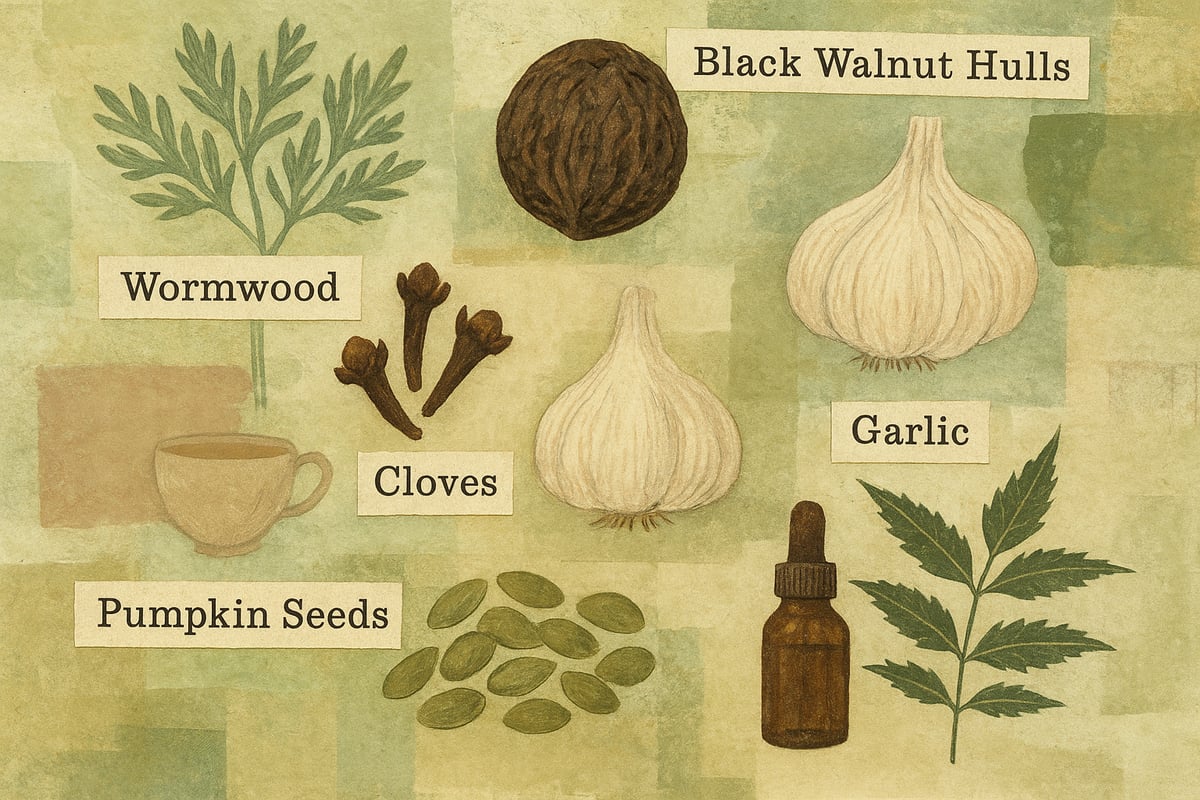
Wormwood (Artemisia absinthium)
Wormwood has a long tradition in European and Chinese medicine for tackling intestinal worms. In folk settings, it was commonly brewed as a bitter tea or used as a tincture to help expel parasites and stimulate digestion.
The key compounds, thujone and absinthin, are what give wormwood its strong, bitter taste and its reputation as an antiparasitic agent. Herbalists value this bitterness for its ability to wake up sluggish digestion as part of a holistic parasite cleanse.
Modern research has begun to explore wormwood’s effects, particularly in relation to parasite burden, but most evidence is still in early stages. Safety is important: wormwood should not be used in pregnancy, with certain medications, or for long periods.
In practice, wormwood is typically taken as a short course, often in combination with other herbs, and always under guidance. A cup of tea or a measured tincture can form part of a daily ritual during a cleanse.
Black Walnut (Juglans nigra)
Black walnut is another herbal ally, especially in North American traditions. Native American herbalists prized the hulls for their ability to support a holistic parasite cleanse, often using them alongside other plants.
Juglone and tannins, found in the green hulls, are believed to create an environment less hospitable to parasites. These compounds also give black walnut its astringent character, which can help tone the gut lining.
Scientific studies are limited but show some promise in laboratory settings. It is important to remember that black walnut can be a potential allergen, so start with a small amount and watch for reactions.
Practically, black walnut is often used as a tincture or powder. It is rarely used alone, and herbalists typically recommend combining it with other herbs for a balanced approach.
Clove (Syzygium aromaticum)
Clove is familiar to many as a warming spice, but in herbal medicine, it plays a special role in parasite protocols, especially in Ayurveda and Western herbalism. Its main compound, eugenol, is known for its potential to disrupt parasite eggs and larvae, supporting the aims of a holistic parasite cleanse.
Research highlights clove’s broad antimicrobial activity, though much of it is based on test-tube studies. Herbalists emphasise its synergy with wormwood and black walnut, creating a trio that targets different life stages of parasites.
Clove can be used as a tea, powdered and added to blends, or as a carefully measured essential oil. Only food-grade forms are suitable, and moderation is key. Too much clove can irritate the gut.
Additional Supportive Herbs
Other plants can boost a holistic parasite cleanse and help restore balance. Garlic, with its traditional reputation and allicin content, is used globally. Pau d’Arco is valued in South American traditions for its cleansing properties. Neem is a favourite in Ayurveda, supporting gut immunity. Pumpkin seeds, rich in cucurbitacin, are a gentle folk remedy for tapeworms.
These herbs are often included in blends to create a well-rounded approach to gut health and resilience.
Practical Takeaways
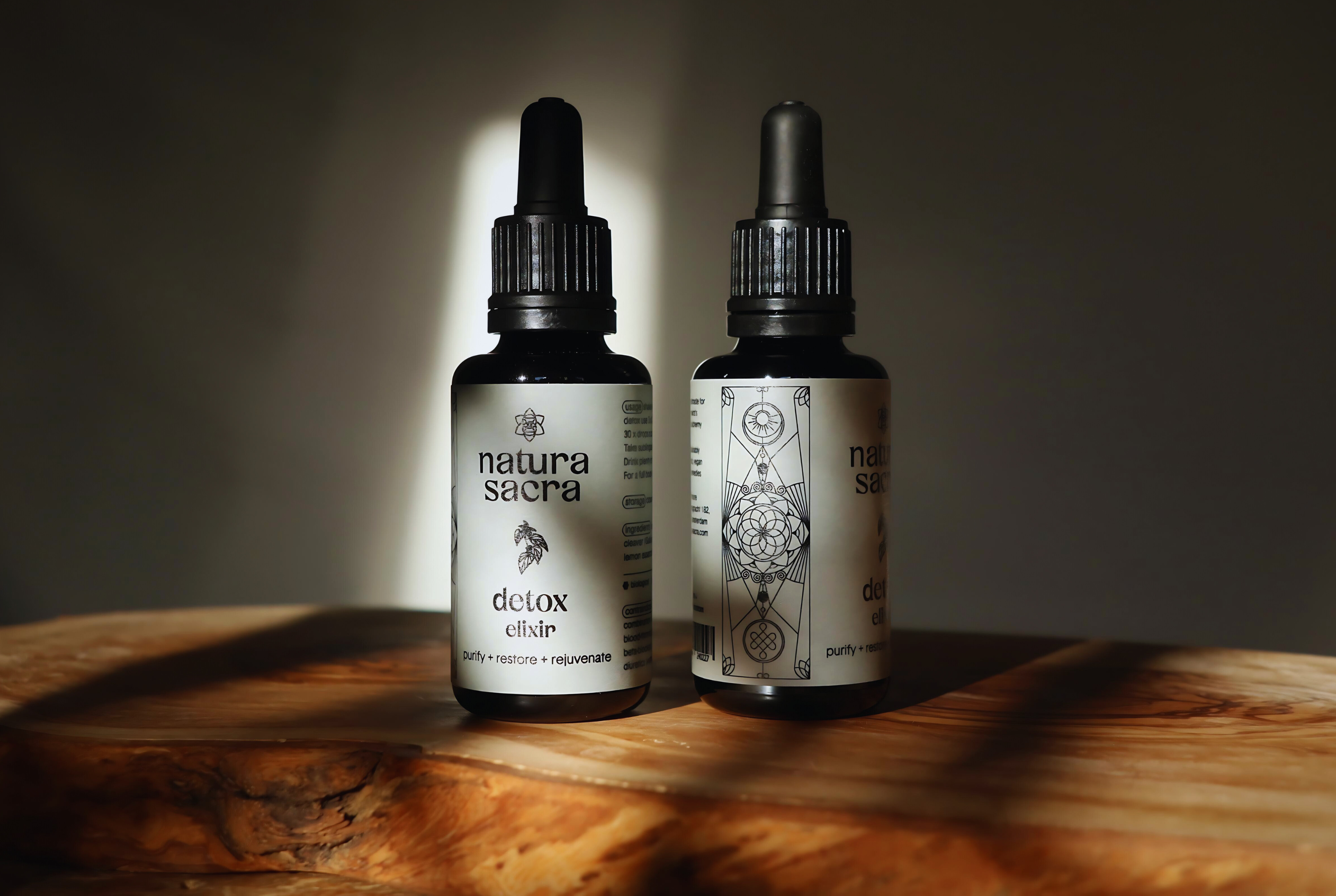
Choosing the right herbs for a holistic parasite cleanse means understanding tradition, research, and your own needs. Always check quality and seek guidance if you are unsure. For those wanting to explore gentle, research-backed blends, the Detox, Cleanse & Digest Collection from Natura Sacra offers a thoughtful way to integrate these plants into everyday routines.
Step-By-Step: The Holistic Parasite Cleanse Protocol
Embarking on a holistic parasite cleanse can feel daunting, but breaking the process into clear, manageable steps helps build confidence and safety. Herbalists approach cleansing as a journey—supporting the body’s natural rhythms, not just targeting unwanted guests. Each phase is designed to gently prepare, cleanse, and restore balance, weaving tradition and modern research into practical daily action.
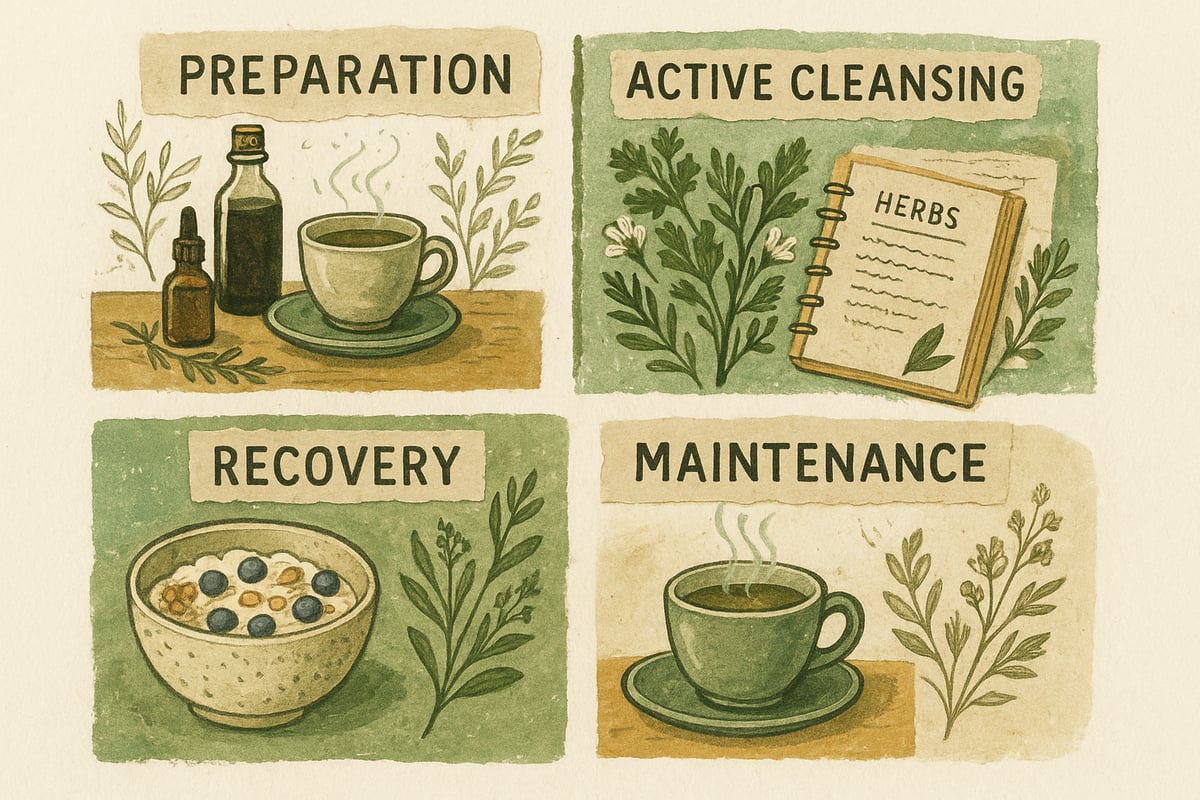
Step 1: Preparation Phase (Days 1–5)
The foundation of any holistic parasite cleanse begins with gentle preparation. Herbalists recommend reducing sugar, processed foods, and dairy, as these can feed unwanted microbes. Staying hydrated with water and herbal infusions, like dandelion or nettle, primes the digestive tract and liver for the journey ahead.
Set up a daily routine that includes journaling your baseline symptoms. This mindful habit not only tracks progress but also deepens your connection to your body’s signals. If you need inspiration, the Gentle Detox Rituals Guide offers easy ways to support your body before any cleanse.
Sample pre-cleanse meal ideas:
- Steamed vegetables with fresh herbs
- Brown rice or quinoa with pumpkin seeds
- Herbal teas (dandelion, peppermint) between meals
Taking time to prepare allows your body and mind to fully engage with the holistic parasite cleanse process.
Step 2: Active Cleansing Phase (Days 6–21)
This is where tradition and modern insight meet in action. Core antiparasitic herbs—such as wormwood, black walnut, and clove—are introduced in cycles. Herbalists often use tinctures or teas, rotating dosages and allowing breaks to reduce the risk of resistance and minimise stress on the body.
Support your system with plenty of fibre (think chia seeds or leafy greens) and consider gentle laxatives like magnesium or psyllium to encourage elimination. Probiotics from fermented foods help maintain gut flora balance throughout the holistic parasite cleanse.
Detox symptoms like headaches or fatigue can appear. Rest, hydration, and self-care are crucial. Monitor for any adverse reactions and seek professional guidance if you feel unwell.
Sample herbal tea schedule:
- Morning: Wormwood and peppermint tea
- Afternoon: Black walnut tincture in water
- Evening: Clove tea with ginger
Remember, the holistic parasite cleanse is not about harsh purging, but about working in harmony with your body’s needs.
Step 3: Recovery and Rebuilding Phase (Days 22–30)
After the active phase, gently reduce strong antiparasitic herbs. Focus shifts to repairing and nourishing the gut lining with demulcent herbs like marshmallow root or slippery elm, alongside probiotic-rich foods such as sauerkraut or kefir.
Gradually reintroduce a wider range of foods, keeping meals simple and gut-friendly. Continue tracking your wellbeing and note improvements in digestion, energy, or skin. This phase ensures the benefits of your holistic parasite cleanse are lasting, not fleeting.
Step 4: Long-Term Maintenance and Prevention
True wellness extends beyond a single cleanse. Herbalists advocate for seasonal or periodic gentle cleanses, using mild herbs and daily rituals to support resilience. Good hygiene, safe food preparation, and mindful eating are your best defences against reinfection.
Herbal teas with ingredients like garlic, ginger, or pumpkin seeds can be enjoyed daily. Notice recurring symptoms, and repeat the holistic parasite cleanse only if needed, ideally under professional supervision.
Safety and Contraindications
Not everyone is suited for a holistic parasite cleanse. Pregnant or breastfeeding women, children, and those with chronic illness should consult a practitioner first. If you notice severe reactions, stop and seek help—expert resources like the Cleveland Clinic's perspective on parasite cleanses offer clear guidelines for safety.
Practical Takeaways for Informed Choices
A holistic parasite cleanse is about more than just removing unwelcome guests. It’s a chance to reconnect with your body, drawing on herbal traditions and evidence to make informed choices. Choose quality herbs, work with your own rhythms, and seek professional guidance when in doubt.
Natura Sacra’s thoughtfully crafted herbal blends can be a gentle ally as you integrate cleansing rituals into daily life, supporting your journey with care and transparency.
Integrating Herbal Cleansing Into Daily Life
Living in a fast-paced world, it can be challenging to bring new wellness habits into busy routines. Yet, weaving the holistic parasite cleanse into daily life is key for lasting results, not just quick fixes. By making herbal cleansing practical and mindful, you support your gut and overall wellbeing long after the cleanse itself.
Making Herbal Rituals a Sustainable Habit
Herbalists believe that true change comes from consistent, mindful practice. A holistic parasite cleanse is not just a one-time event, but a series of small, intentional actions. Many find it helpful to anchor herbal teas or tinctures into morning or evening routines, turning a simple cup of tea into a grounding ritual.
For example, you might start each day with a warm herbal infusion, focusing on your intention for gut health. Journalling your symptoms and progress builds self-awareness and helps you notice subtle shifts. For more inspiration, the Mini Cleansing Rituals for City Living guide offers practical ideas for incorporating mindful habits, even in the busiest urban settings.
Nutrition and Lifestyle for Ongoing Defence
Sustaining the benefits of a holistic parasite cleanse means looking at the bigger picture. Herbalists recommend including foods that naturally discourage parasites, such as garlic, pumpkin seeds, and fibre-rich vegetables. Clean water, careful food prep, and regular hand washing are simple but powerful practices.
Stress management also matters. Chronic stress can weaken immunity and disrupt the gut, so consider gentle movement, breathwork, or time outdoors as part of your weekly routine. Planning meals ahead can make it easier to maintain these habits, creating a protective foundation for your digestive health.
Monitoring Progress and When to Seek Help
Tracking your journey after a holistic parasite cleanse gives you insight into what works for your body. Keep notes on energy, digestion, and overall wellbeing. If symptoms return or persist, it is wise to consult a healthcare provider for further advice or testing.
Remember, not all changes are immediate. Be patient with yourself and seek professional guidance if you notice severe or unusual symptoms. Balanced expectations and ongoing self-education are key for safe, empowered self-care.
Practical Takeaways for Informed Choices
| Takeaway | Why it Matters |
|---|---|
| Consistency over intensity | Sustainable habits last longer |
| Combine herbs and nutrition | Supports broader gut health |
| Track and reflect | Helps adjust your approach |
| Seek quality and guidance | Ensures safety and results |
Integrating a holistic parasite cleanse is about blending tradition with daily life. Choose high-quality herbs, set intentions, and remember that gentle, consistent rituals—like those supported by Natura Sacra—can nurture your wellbeing every day.
You’ve now got a clear, step by step understanding of holistic parasite cleansing and how herbs can support your wellbeing from the inside out. Remember, the real power of this approach lies in making it part of your daily rituals—choosing quality ingredients, listening to your body, and creating routines that nourish you. If you’re ready to put this knowledge into practice or want practical ways to gently support your gut every day, I invite you to explore our Detox & Digest Collection to support gentle, daily cleansing rituals. Here you’ll find thoughtfully crafted blends to help you take the next step.