

Discover how to embrace wellness naturally with our 2026 guide. Explore holistic living, daily rituals, herbal support, and research-backed self care steps.
Wellness Naturally Guide: Your Path to Holistic Living 2026

Across Europe and the world, interest in holistic living continues to rise as more people explore wellness naturally as a pathway to vibrant health in 2026, and as they move away from 'Big Pharma' to seek alternative healing and therapeutic methods.
It's an incredible time to be alive, as we increasingly find research supporting and validating age-old herbal wisdom and traditional medicinal methods. Recent research and a renewed appreciation for plant-based and integrative wellness approaches are shaping both personal habits and community health conversations.
Adopting a holistic lifestyle can gently support stress resilience, boost daily energy, improve sleep, and lift mood, all through natural, accessible methods.
In this guide, we share a step-by-step path to holistic living, exploring core principles, daily rituals, nourishing nutrition, mindful self-care, and movement practices to help you thrive.
Understanding Holistic Living: Principles and Pillars
Holistic living is gaining momentum across Europe as more people search for deeper, more sustainable ways to care for themselves and their communities. At its heart, wellness naturally means considering every aspect of life—mind, body, spirit, and the environment—when making choices about health. Rather than focusing only on symptoms, this approach seeks balance and harmony, drawing inspiration from both time-honoured European traditions and global healing systems.

Defining Holistic Wellness
We define holistic wellness as a way of living that recognises the intricate connections between mind, body, spirit, and the spaces we inhabit. Instead of isolating symptoms or treating one part in isolation, wellness naturally encourages us to view ourselves as whole beings within a wider ecosystem.
Unlike conventional models, which often focus on quick fixes or single symptoms, this perspective values prevention, self-awareness, and gentle, ongoing care. Its roots can be traced to traditional European healing practices—such as herbalism, hydrotherapy, and seasonal rituals—as well as wisdom from other cultures worldwide. By embracing these principles, we open ourselves to a fuller, more balanced life.
Core Pillars of Holistic Health
A holistic lifestyle is built on four interwoven pillars, each supporting overall wellbeing. See the table below for a summary:
| Pillar | Focus Areas |
|---|---|
| Physical Wellbeing | Movement, restorative sleep, nourishing food |
| Emotional Balance | Stress resilience, social connection |
| Environmental Harmony | Reducing toxins, connecting with nature |
| Spiritual Nourishment | Mindfulness, purpose, and daily rituals |
A recent UK survey data (Reward Gateway, 2025) highlight this shift: 58% of adults now prioritise holistic self-care as part of their daily routines. This growing interest reflects a desire for wellness naturally, using everyday habits to nurture body and mind gently.
Each pillar supports the others. For example, time in nature not only improves mood but also encourages physical activity, while mindful rituals can strengthen both emotional resilience and spiritual connection.
The Science Behind Holistic Approaches
Modern research provides growing support for integrating holistic practices into daily life. Studies show that mindfulness techniques, such as meditation and breathwork, can lower perceived stress and improve overall wellbeing (Nature link). Herbal support, like chamomile or lemon balm, is being explored for its potential to support relaxation and sleep (link).
The World Health Organization recognises the value of traditional medicine within modern health policy, as outlined in the WHO Traditional Medicine Strategy 2025–2034. This supports the growing movement for wellness naturally, blending heritage with evidence-based approaches.
Practical examples include yoga for stress relief, herbal teas for sleep routines, and forest walks for boosting mood. While holistic methods offer gentle support, it is essential to consult healthcare professionals for persistent or serious concerns. We believe that small, mindful steps, rooted in both tradition and research, can empower your personal path to wellness naturally.
Daily Rituals for Natural Wellness
Daily rituals bring the philosophy of wellness naturally into our everyday lives. When we practise gentle, consistent routines, we help our minds and bodies find balance, no matter how busy our schedule. Across Europe, traditional morning and evening rituals—from herbal teas to gratitude journaling—have long supported health and resilience.
Modern research echoes this wisdom. Studies show that daily routines can reduce stress, support better sleep, and encourage a sense of stability (Sleep Foundation, 2025). By weaving holistic habits into the flow of each day, we create space for rest, renewal, and connection.

The Power of Routine and Ritual
Rituals are more than habits—they are intentional acts that ground us in the present. In our approach to wellness naturally, we see daily rituals as anchors, supporting mind and body in harmony. Across Europe, people have embraced morning routines such as brewing herbal infusions, taking a brisk walk, or writing a few lines of gratitude.
These simple acts foster stability and help manage everyday stress. Scientific studies confirm that regular routines are linked to reduced anxiety and improved sleep quality (Sleep Foundation, 2025). When we approach wellness naturally, we recommend starting small: a cup of herbal tea, a short stretch, or a mindful moment. Over time, these rituals become the foundation for lasting wellbeing.
Mindful Mornings: Setting the Tone
How we start the day shapes our energy and outlook. In the spirit of wellness naturally, we encourage gentle movement such as stretching, yoga, or even a few minutes of tai chi. These practices wake up the body and set a positive tone.
Herbal teas play a special role in European tradition. Rosemary, for example, has long been used in Mediterranean cultures to support mental clarity. Modern research suggests that the aroma of rosemary may enhance cognitive performance (PubMed link). Pairing your morning tea with breathwork or a short meditation can further boost clarity and focus.
Consider creating a simple morning ritual: brew a pot of rosemary or green tea, enjoy a mindful stretch, and set an intention for the day. These small choices support wellness naturally from the very first hour.
Evening Wind-Down: Restorative Practices
As day transitions to night, gentle rituals help signal rest and recovery. In line with wellness naturally, we recommend turning off screens at least an hour before bed, sipping calming herbal teas like chamomile or lemon balm, and taking a moment to journal or practise self-massage.
Chamomile, traditionally used across Europe for relaxation, is a favourite for evening routines. Research suggests that chamomile extract may help support the onset of sleep (PubMed link). If you are sensitive to ragweed, it’s best to avoid chamomile teas. For more ideas, explore our guide to herbal rituals for stress and rest, which offers practical evening routines grounded in both tradition and research.
These small acts create a gentle transition from activity to rest, helping the body and mind unwind naturally.
Integrating Nature into Daily Life
Spending time in nature is a core part of wellness naturally. Whether it’s a forest walk, balcony gardening, or tending to indoor plants, even 20 minutes outdoors can boost mood and wellbeing (Frontiers in Psychology, 2020).
The Role of Nutrition and Herbal Support
Eating well is at the heart of wellness naturally. The foods and herbs we choose shape our energy, mood, and resilience day to day. In Europe, many are returning to traditional foodways—seasonal, local, and minimally processed—finding that these habits nourish body and mind.
Our approach supports you in making informed choices, blending time-honoured wisdom with modern research. Let’s explore how nutrition and plant allies can become part of your daily wellness naturally journey.
Foundations of Natural Nutrition
At Natura Sacra, we believe wellness naturally begins with what you eat and drink. Traditional European diets—like the Mediterranean, rich in olive oil, legumes, and seasonal vegetables, or the Nordic, featuring root veg, berries, and oily fish—offer balanced, nutrient-dense models.
These patterns focus on whole foods, supporting stable energy and digestion. The EU recommends at least 400g of fruit and vegetables each day (EFSA), a target easily met with soups, salads, and herbal infusions.
Hydration is another pillar of wellness naturally. Water is essential, but herbal teas can add gentle support. Choosing locally grown, organic produce and herbs ensures freshness and reduces exposure to pesticides, further supporting your holistic health.
Hero Plants: Culture, Action, and Modern Evidence
Herbs play a unique role in wellness naturally, bridging tradition and research. Let’s look at three EU favourites.
Chamomile has been used across Europe for centuries. Traditionally, it calms nerves and soothes digestion, making it a bedtime staple. Chamomile contains apigenin, a compound studied for its potential to ease mild anxiety and support sleep onset (PubMed).
Nettle is prized in Central and Northern Europe, especially in spring. Traditionally, it’s a tonic for vitality and cleansing. Nettle is rich in iron, calcium, and antioxidants, supporting overall wellness naturally. Research suggests nettle’s anti-inflammatory potential and benefits for joint comfort. For a deeper dive into its uses, see our guide on Nettle's holistic health benefits.
Lemon balm has a long tradition as a mood-lifter and gentle relaxant, often enjoyed after dinner. Its lemony aroma is uplifting. Modern studies suggest it may help reduce mild anxiety and support cognitive calm (PubMed).
Safety first: Always check for allergies, especially with plants in the daisy family (like chamomile). If you take medication, consult a professional before adding new herbs.
| Herb | Traditional Use | Key Compounds | Research Suggests |
|---|---|---|---|
| Chamomile | Calm, sleep, digestion | Apigenin | Supports relaxation, sleep onset |
| Nettle | Tonic, spring cleanse | Minerals, polyphenols | Anti-inflammatory, joint comfort |
| Lemon balm | Mood, relaxation | Rosmarinic acid | Mild anxiolytic effects |
Practical Herbal Integration
How can you bring these herbs into daily life? For wellness naturally, simple rituals can make a big difference.
Enjoy herbal teas—like lemon balm after meals, or chamomile before bed. Add fresh nettle leaves to soups (always cook or blanch first to neutralise stings). Use infused oils for gentle self-massage, or add dried herbs to a warm bath for relaxation.
Always source herbs from reputable suppliers. We recommend organic, small-batch producers for maximum potency and traceability. This safeguards both your wellbeing and the planet.
Natura Sacra: Research-Backed Herbal Rituals
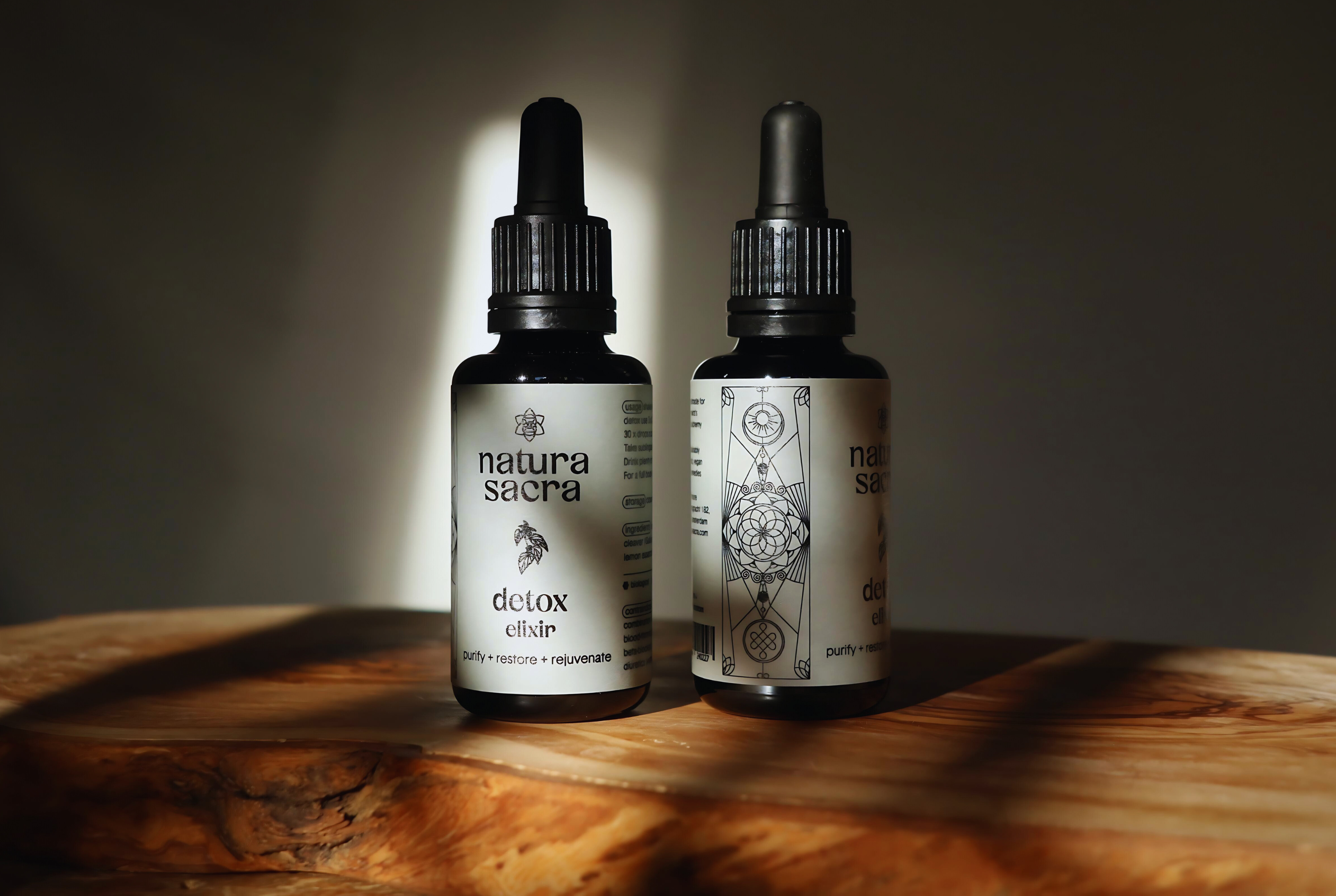
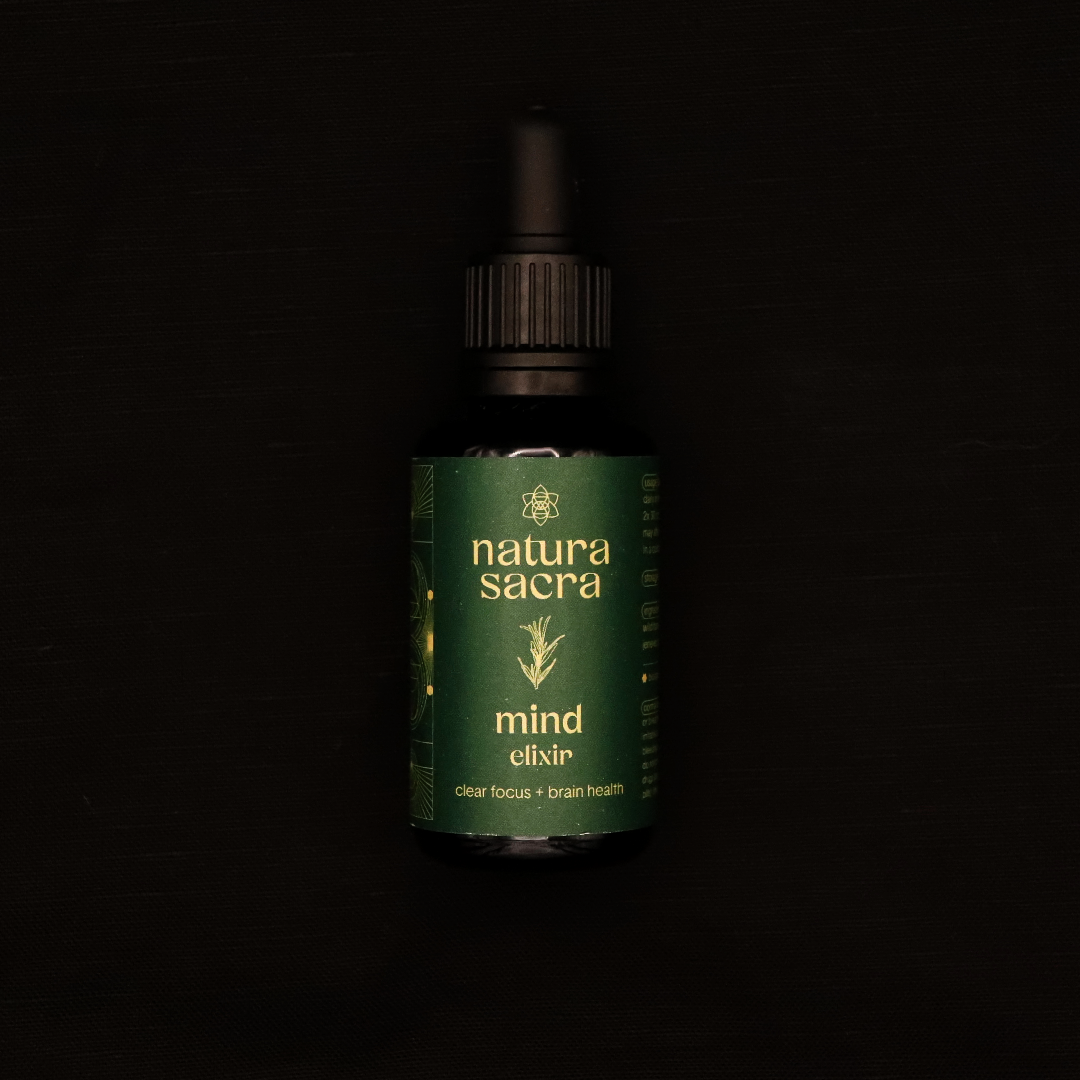
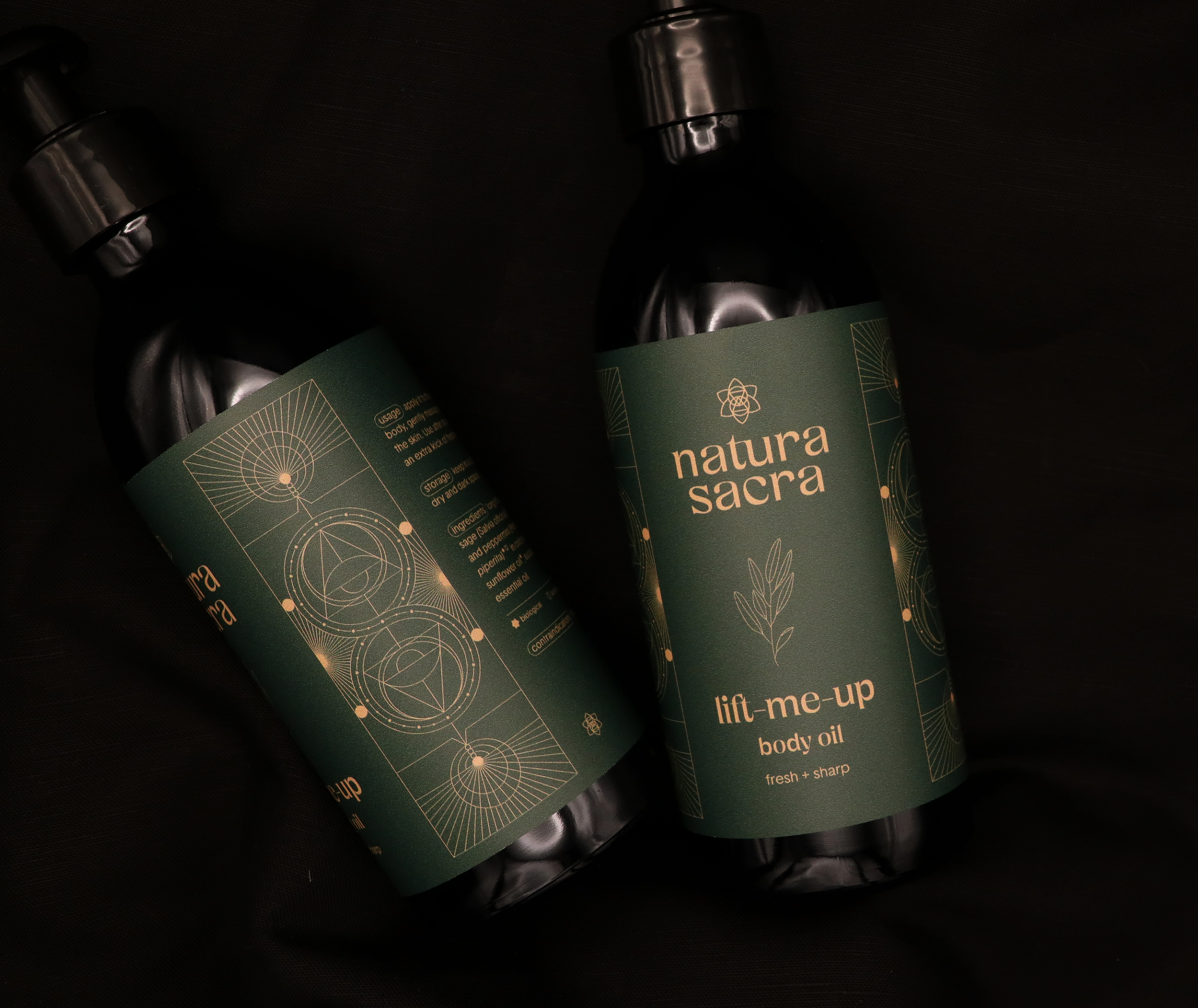
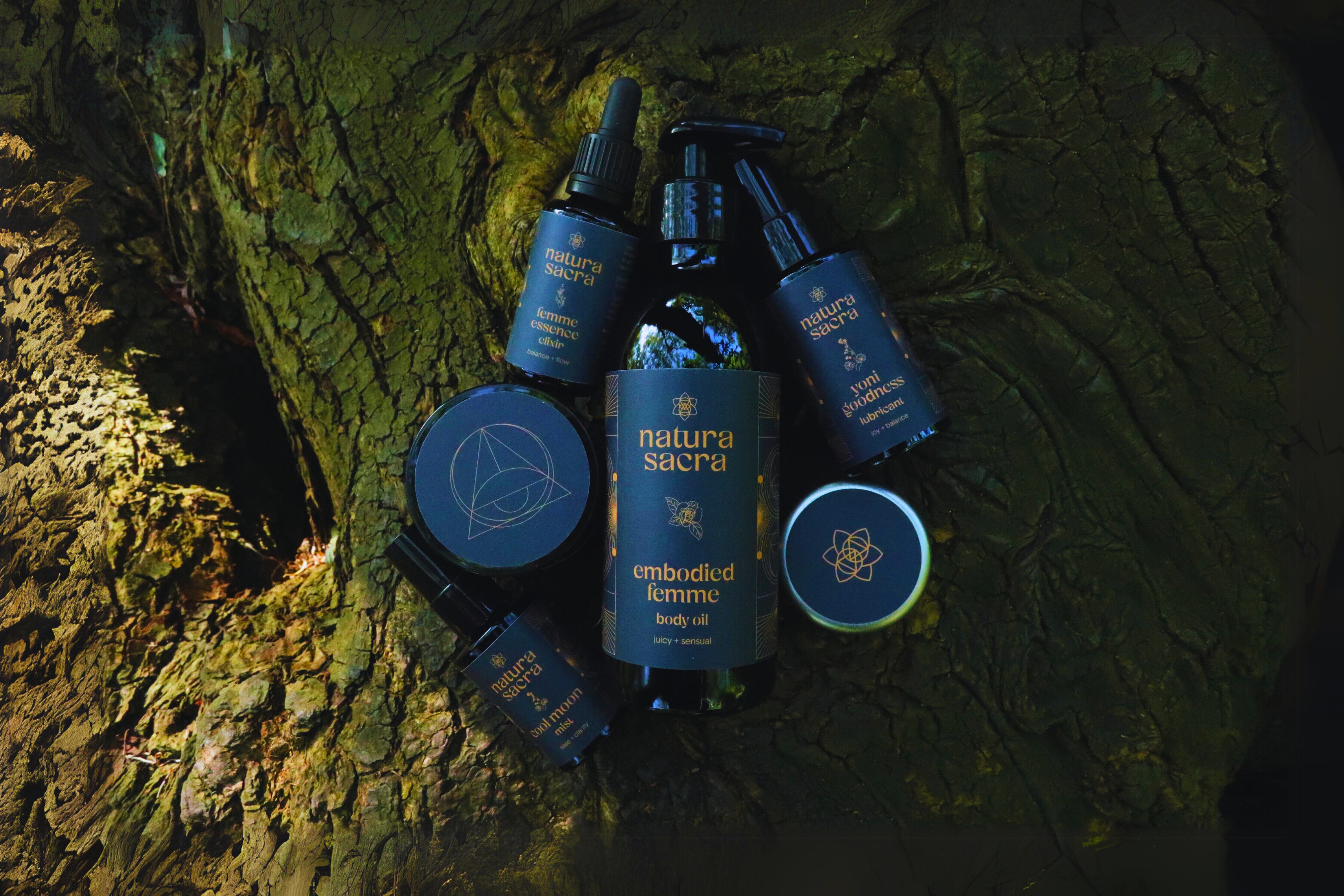
At Natura Sacra, our wellness naturally philosophy is rooted in respect for both tradition and science. We craft small-batch teas and elixirs from organically grown, traceable herbs, inspired by the wisdom of generations and validated by modern research.
Each blend is thoughtfully formulated for specific needs—stress, sleep, or hormonal balance—making it easy to create your own daily rituals. We prioritise education and transparency, so you can make safe, informed choices on your wellness naturally path.
Movement, Mindfulness, and Emotional Wellbeing
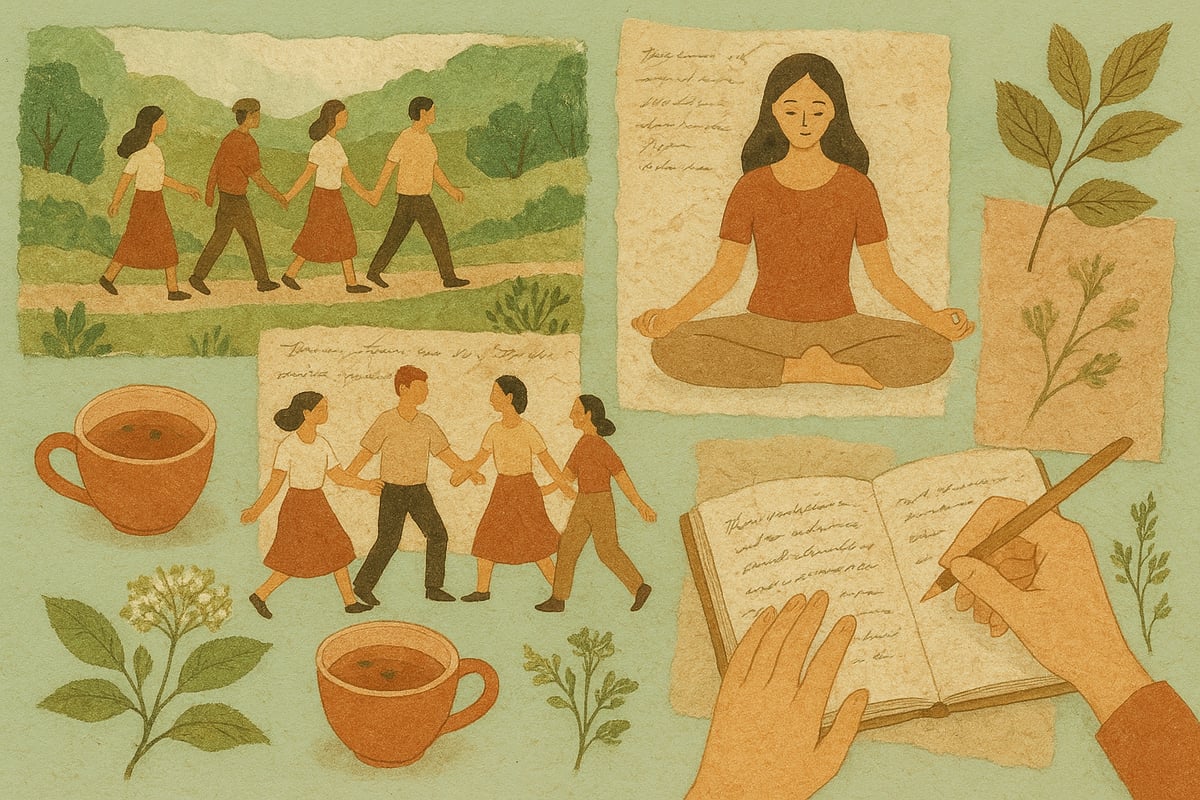
Daily movement is a cornerstone of wellness naturally, supporting both physical health and emotional stability. In many European regions, traditions like Nordic walking, folk dance, and garden work are woven into community life. These activities not only keep the body active but also foster a sense of belonging and joy.
Research suggests that 150 minutes per week of moderate exercise, such as brisk walks or group yoga, can reduce the risk of chronic diseases and improve overall wellbeing (PubMed). Making movement enjoyable and social helps it become a lasting part of your routine. Try exploring local walking groups or gentle morning stretches to start your day with intention.
Movement for Body and Mind
Movement in the context of wellness naturally is about more than just exercise. It’s about connecting with your body, honouring its needs, and finding joy in motion. Traditional European activities like Nordic walking or folk dancing blend physical activity with community spirit.
- Nordic walking: builds endurance, popular in Scandinavia.
- Folk dance: fosters connection and rhythm, celebrated at local festivals.
- Gardening: supports strength and mindfulness, common in rural areas.
Research consistently shows that regular movement can lower the risk of long-term health issues and boost mood (PubMed). Start with what you love, whether it’s hiking, swimming, or simply stretching. The key is to make movement a gentle, enjoyable ritual—an essential part of wellness naturally.
Mindfulness and Emotional Balance
Mindfulness is at the heart of wellness naturally, helping us manage stress, find clarity, and stay present. Traditional practices across Europe often included prayer, meditation, or quiet reflection, which modern research now recognises for their calming effects.
Simple breathwork, grounding exercises, and journaling can help process emotions and create space for self-awareness. For those seeking gentle herbal support, nervine plants like lemon balm and chamomile have been used traditionally to soothe the mind and body. We explore these in detail in The daily use of nervines, where you’ll find practical tips for integrating calming herbs into your routine.
By combining mindful rituals with nature-inspired support, we help readers build emotional resilience within a wellness naturally framework.
Social Connection and Community
Community is a vital thread in the tapestry of wellness naturally. Supportive relationships, whether through group classes, community gardening, or herbal workshops, have a measurable impact on wellbeing.
Recent studies indicate that strong social connections can lower the risk of depression and promote longevity (PubMed, 2024). Shared rituals—like preparing tea together or joining a local walking group—create space for meaningful interaction.
We encourage you to nurture these bonds, as community is as healing as any herbal remedy in the wellness naturally journey.
Rest and Recovery
Rest is as essential to wellness naturally as movement or mindfulness. Building in restorative practices like gentle stretching, quiet herbal baths, or simply listening to your body’s signals can replenish both energy and mood.
Honouring cycles of activity and rest helps prevent burnout and supports long-term balance. Remember, small rituals of rest can be woven into any day, reinforcing the rhythm of wellness naturally.
Creating a Personal Holistic Wellness Plan
Embarking on your wellness naturally journey starts with understanding your unique needs. Every person's path is different, shaped by daily habits, stress levels, and individual health goals. Before making changes, it's essential to reflect on where you feel balanced and where you might need extra support.
Keeping a wellness journal or using a tracking app helps you notice patterns in your mood, sleep, and energy. By recording how you feel each day, you can pinpoint what uplifts you and what drains you. This mindful approach lays a strong foundation for making lasting, positive changes with wellness naturally.
Assessing Your Needs and Goals
To personalise your wellness naturally approach, start with honest self-reflection. Ask yourself: Where do I feel energised, and where am I struggling? Notice how your sleep, mood, and daily routines impact your wellbeing.
Track these elements over a week. Use a simple notebook, a digital diary, or a wellness app. Recording your habits helps you identify connections between your choices and how you feel. For example, you might see that evening screen time affects your sleep, or that nature walks boost your mood.
This gentle self-awareness is the first step toward choosing rituals and practices that truly support your wellness naturally goals.
Step-by-Step Guide to Building Your Plan
Building a holistic plan doesn't have to be overwhelming. We recommend the following steps:
| Step | Action | Example |
|---|---|---|
| 1 | Set intentions | "Improve sleep quality" |
| 2 | Choose new rituals | Morning stretching, nightly herbal tea |
| 3 | Integrate hero plants safely | Start with lemon balm tea after dinner |
| 4 | Schedule check-ins | Weekly review of habits and energy |
| 5 | Seek qualified guidance | Consult an herbalist or integrative practitioner |
Start small. Pick one or two rituals to introduce, such as a short morning stretch or a calming herbal infusion at night. When adding herbs, introduce only one at a time to notice their effects and ensure safety. If your needs are complex, consider reaching out to an expert. The World Health Organization now recognises the importance of integrating traditional medicine into health systems, supporting a more holistic and informed approach to wellness naturally.
Regular check-ins—either weekly or monthly—help you adjust your plan as your needs change. Over time, these mindful steps build into a sustainable, personalised routine.
Overcoming Barriers and Staying Motivated
Even with the best intentions, challenges can arise on the wellness naturally journey. Common hurdles include busy schedules, information overload, or initial scepticism about new approaches.
To stay motivated, start with small, manageable changes. Celebrate each bit of progress, no matter how minor. Connecting with a community—either online or in person—can keep you inspired and accountable. Across Europe, workplace wellness programmes have shown to boost employee health and engagement (Eurofound, 2024), highlighting the impact of shared support.
Remember, it’s normal to face setbacks. What matters is returning gently to your wellness naturally practices when you can.
Practical Takeaways for Everyday Life
Consistency matters more than perfection on the wellness naturally path. Be curious, experiment with new rituals, and approach setbacks with self-compassion.
If you’re interested in exploring herbal rituals as part of your daily routine, we invite you to learn more about our handcrafted blends and resources. Your journey is uniquely yours, and every mindful choice helps nurture lasting wellbeing.
After exploring the principles of holistic living and the real impact of daily herbal rituals, you might be wondering how to put this knowledge into practice in a way that truly supports your wellbeing. That’s where small batch herbal remedies come in—thoughtfully crafted, research informed, and designed to work in harmony with your body’s natural rhythms. If you’re ready to create simple, effective routines for stress, sleep, or everyday balance, you can begin with trusted blends rooted in both tradition and science.
Discover our small batch herbal remedies crafted for natural wellbeing.