

Discover seven powerful mama herbs for women’s wellness in 2026. Learn safe, effective uses, blending tradition with science, for holistic daily health.
7 Powerful Mama Herbs You Need to Try in 2026

Across Europe, more people are turning to natural wellness, with many mothers and wellness seekers rediscovering the benefits of traditional herbal remedies. This renewed interest highlights the unique role of mama herbs—plants trusted for generations to support women’s health, energy, and emotional balance through all life stages.
In this article, we introduce seven powerful, time-tested mama herbs. We blend traditional wisdom with modern research, offering practical insights for safe and effective daily use. Explore these herbs as part of a holistic, informed approach to wellbeing in 2026.
The Power of Mama Herbs: Tradition Meets Modern Science
Across Europe and beyond, the term mama herbs refers to a group of plants with deep roots in traditional women’s wellness. These are not just ordinary herbs but time-honoured allies chosen for their support of hormonal balance, vitality, and emotional wellbeing. For generations, women have turned to mama herbs for gentle support through life’s many transitions, from menstruation to motherhood and menopause.
What makes mama herbs truly special is their cultural diversity. Each region brings its own herbal wisdom, shaped by local plants, climate, and customs. In Central Europe, nettle is cherished for its mineral content, while Mediterranean traditions favour lemon balm for emotional calm. These practices are woven into family routines, passed from grandmothers to daughters, creating a living tapestry of herbal care.
Today, modern research is catching up with this inherited knowledge. For example, raspberry leaf has long been brewed as a tea to support uterine tone and menstrual comfort. Recent studies explore its impact on labour and postpartum recovery, offering new perspectives alongside tradition. If you’d like to explore more, our Raspberry Leaf and Womanhood blog post delves into both historical and scientific viewpoints.
Choosing mama herbs wisely is essential. We recommend prioritising organic, sustainably sourced herbs, ideally grown and harvested in their proper season. This not only ensures maximum potency and safety but also supports local EU/EEA growers and protects precious plant habitats.
How can you bring mama herbs into your daily life? Many find them most accessible as herbal teas, gentle tinctures, or nourishing oils. Each method has its strengths, from the calming ritual of steeping a cup to the convenience of a few drops of tincture. Integrating these plants into simple routines—like a morning tea or evening wind-down—can create moments of mindful connection with your body and nature.
Safety comes first. While mama herbs offer a gentle approach, not every herb suits every person or life stage. Some may interact with medications or be unsuitable during pregnancy or breastfeeding. Always consult a qualified herbalist or healthcare professional before introducing new herbs, especially if you have health conditions.
A mindful tea ritual is a beautiful way to experience the benefits of mama herbs. Choose a blend that resonates with your needs, prepare it with intention, and take a few quiet moments to savour both the flavour and the sense of calm it brings. This simple act can support daily wellbeing and foster a deeper relationship with nature’s wisdom.
At Natura Sacra, we honour these traditions by crafting small-batch blends rooted in research and respect for the land. We invite you to explore our offerings and discover which mama herbs might become your own trusted allies.
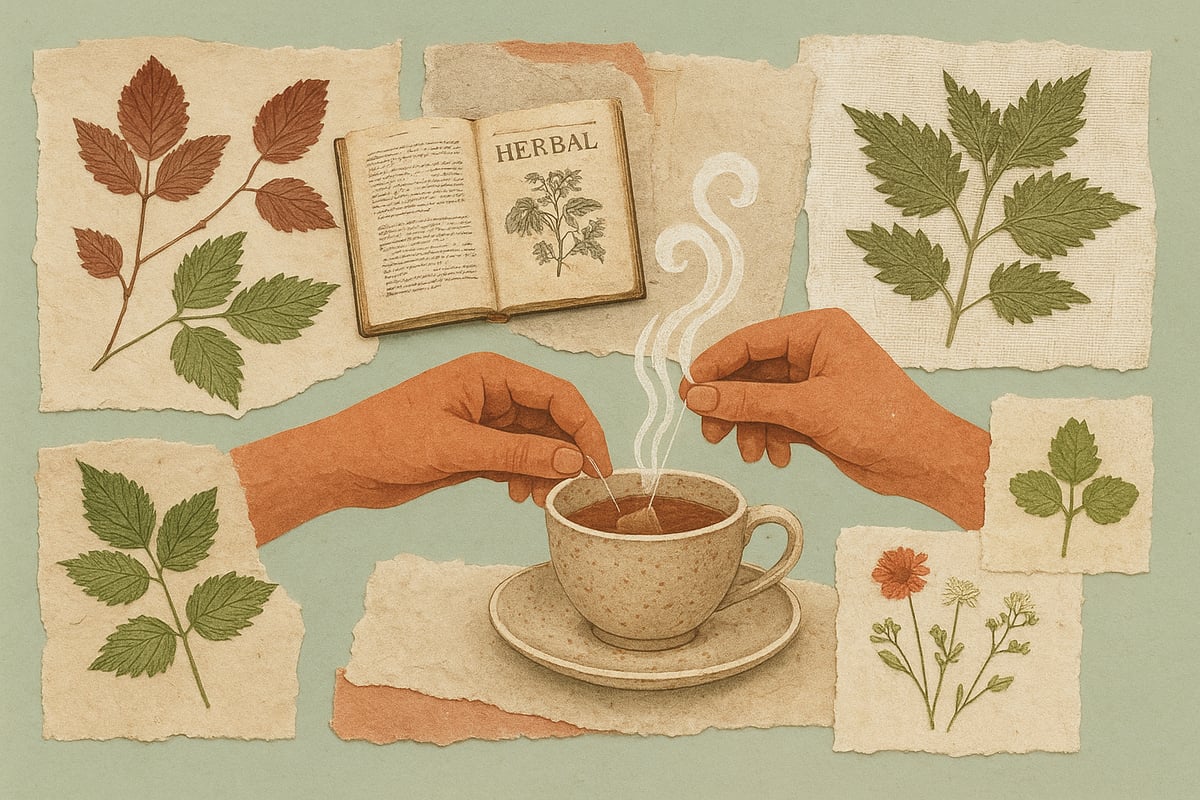
7 Powerful Mama Herbs to Try in 2026
Choosing the right mama herbs can feel overwhelming, especially with so much information online. We want to make it simple. Here, we introduce seven plants that have supported women’s health for generations and are now being explored by modern science. Each herb offers something unique, whether you are seeking comfort, energy, or emotional balance. Let’s discover how these mama herbs can fit into your daily routine—safely, effectively, and with confidence.
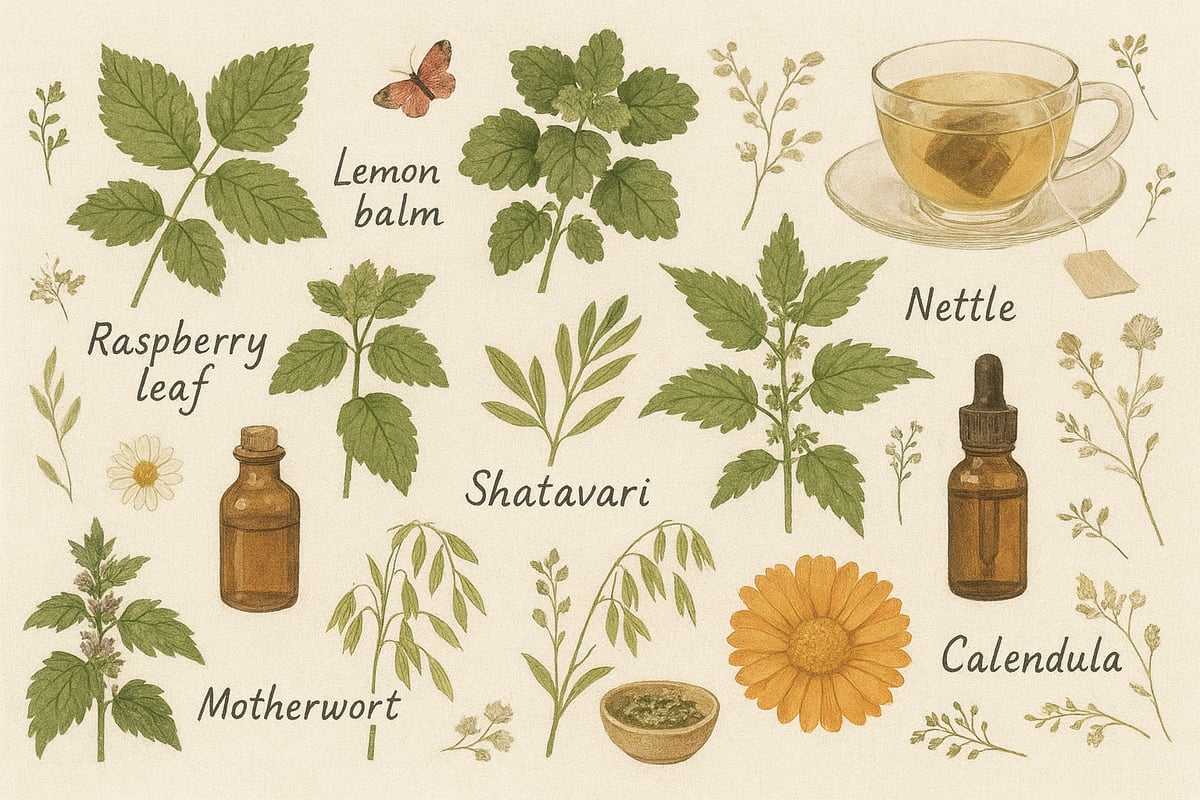
1. Raspberry Leaf (Rubus idaeus)
Raspberry leaf is one of the best-known mama herbs in European folk medicine. Traditionally, women have used it to ease menstrual discomfort and support the uterus, especially in the third trimester and the weeks after birth.
The key compound, fragrine, alongside minerals like magnesium and iron, is thought to strengthen uterine muscles. Traditionally, midwives brewed raspberry leaf tea to prepare the body for labour and promote recovery.
Modern research suggests raspberry leaf may help reduce the duration of labour and support menstrual comfort, though it is not recommended in early pregnancy (HealthLine). Always check with your midwife or herbalist before use.
For daily use, infuse the dried leaves as a herbal tea. Many women enjoy blending raspberry leaf with nettle or lemon balm for a nourishing, gentle daily drink. Remember, avoid this herb in the first trimester and seek professional advice for tailored guidance.
2. Lemon Balm (Melissa officinalis)
Lemon balm has long been treasured as one of the most uplifting mama herbs. Across Europe, mothers have reached for its lemony leaves to help lift the spirits, soothe frazzled nerves, and ease restless nights.
The herb contains rosmarinic acid and flavonoids, both linked to its calming effects. Traditionally, lemon balm was brewed in evening teas or added to bath infusions to support emotional balance.
Modern research indicates lemon balm may provide mild anxiolytic and sleep-supportive benefits (PubMed). For a deeper dive into this plant’s mood-supporting properties, see our Lemon Balm: Herb of Joy and Calm.
To use, steep fresh or dried leaves in hot water for tea, or try a gentle tincture. Lemon balm is generally safe, though its mild sedative effects mean it’s best avoided in high doses if you need to stay alert.
For a calming ritual, pair lemon balm with chamomile in the evening to help unwind and support restful sleep.
3. Nettle Leaf (Urtica dioica)
Nettle is a classic among mama herbs, especially valued in spring when new growth appears. Across Europe, it has been used as a tonic for energy, mineral replenishment, and gentle nourishment after birth or during heavy menstrual cycles.
Packed with iron, calcium, magnesium, and vitamin K, nettle supports the body’s need for minerals. Traditionally, women drank nettle tea or added young leaves to soups and broths.
Research suggests nettle may help maintain healthy iron levels and reduce inflammation (PubMed). This makes it a smart choice for those recovering postpartum or seeking to support overall vitality.
To incorporate nettle, try a daily infusion or add to your favourite soup recipe. If combining with raspberry leaf, you create a mineral-rich blend perfect for postpartum recovery.
Safety note: Avoid nettle if you are prone to kidney stones or take blood thinners. If you want to learn more about nettle, explore our in-depth guide on Nettle: The Sting That Heals.
4. Shatavari (Asparagus racemosus)
Shatavari is a revered mama herb in Ayurveda, widely used to support women through hormonal shifts, fertility, and breastfeeding. Its Sanskrit name means “she who possesses a hundred husbands,” a nod to its reputation for nurturing feminine vitality.
The plant contains saponins and phytoestrogens, which are thought to promote hormonal balance. Traditionally, shatavari root is consumed as a powder mixed with warm milk or blended into smoothies.
Research suggests shatavari may offer relief from menopausal symptoms, but more studies are needed to confirm these effects (PubMed). Always check for allergies if you are sensitive to asparagus.
We recommend using shatavari as a gentle powder or tincture, often combined with oatstraw for holistic support. If you are pregnant or managing a health condition, consult your practitioner before adding this herb to your routine.
5. Motherwort (Leonurus cardiaca)
Motherwort is one of the most cherished mama herbs in European tradition. Its name, “mother’s heart,” hints at its historical use for calming anxiety, supporting regular menstrual cycles, and easing mild palpitations.
This herb offers mild sedative and antispasmodic effects. Traditionally, women have used motherwort tea or tincture to steady the nerves before sleep or during emotionally charged times.
Modern research suggests motherwort may help regulate heart rate variability and provide mild anxiety relief (PubMed). However, its bitter taste means tinctures are often preferred over teas.
For daily use, add a few drops of tincture to water in the evening. Avoid motherwort during pregnancy and if you are on heart medication. As always, speak with a professional for tailored advice.
6. Calendula (Calendula officinalis)
Calendula stands out among mama herbs for its gentle, skin-soothing properties. Traditionally, it has been used to promote wound healing, ease digestive upsets, and support both postpartum and infant skin care.
The flower’s bright petals contain flavonoids and triterpenoids, known for their anti-inflammatory effects. Women have long infused calendula in oil for topical use or brewed it in tea for gentle digestive support.
Scientific studies show calendula can aid wound healing and reduce inflammation (PubMed). For a closer look at its benefits, visit our Calendula: Skin Healer & Mood Brightener.
To use, apply calendula-infused oil to dry skin or add the petals to a bath. Internally, keep tea doses moderate. Calendula is generally safe, but always monitor for skin sensitivities.
7. Oatstraw (Avena sativa)
Oatstraw is a gentle yet powerful member of the mama herbs family. Traditionally, it has been used as a tonic for nervous exhaustion, mood swings, and overall debility, particularly during postpartum or perimenopause.
Rich in B vitamins, silica, and calcium, oatstraw supports the nervous system and helps restore energy reserves. Women often prepare long infusions, steeping the dried straw overnight to extract its minerals.
Modern research suggests oatstraw may bolster mood and resilience under stress (PubMed). For those with gluten or oat sensitivities, approach with caution and consult your healthcare provider.
Use oatstraw in daily tea blends for ongoing support. It pairs beautifully with shatavari for gentle hormonal balance or with lemon balm for emotional calm.
Exploring these seven mama herbs is a step toward informed, holistic wellbeing. Each offers a unique approach to women’s health, blending deep tradition with emerging science. As always, listen to your body, consult a qualified practitioner, and let these plants become trusted companions on your wellness journey. For more inspiration, browse our collection of small-batch teas and elixirs designed with your needs in mind.
How to Choose, Prepare, and Use Mama Herbs Safely
Bringing mama herbs into your wellness routine is both an art and a science. With so many options available, it’s vital to approach selection and use with care. By understanding how to choose, prepare, and use mama herbs, you can make informed, confident decisions that nurture your wellbeing.
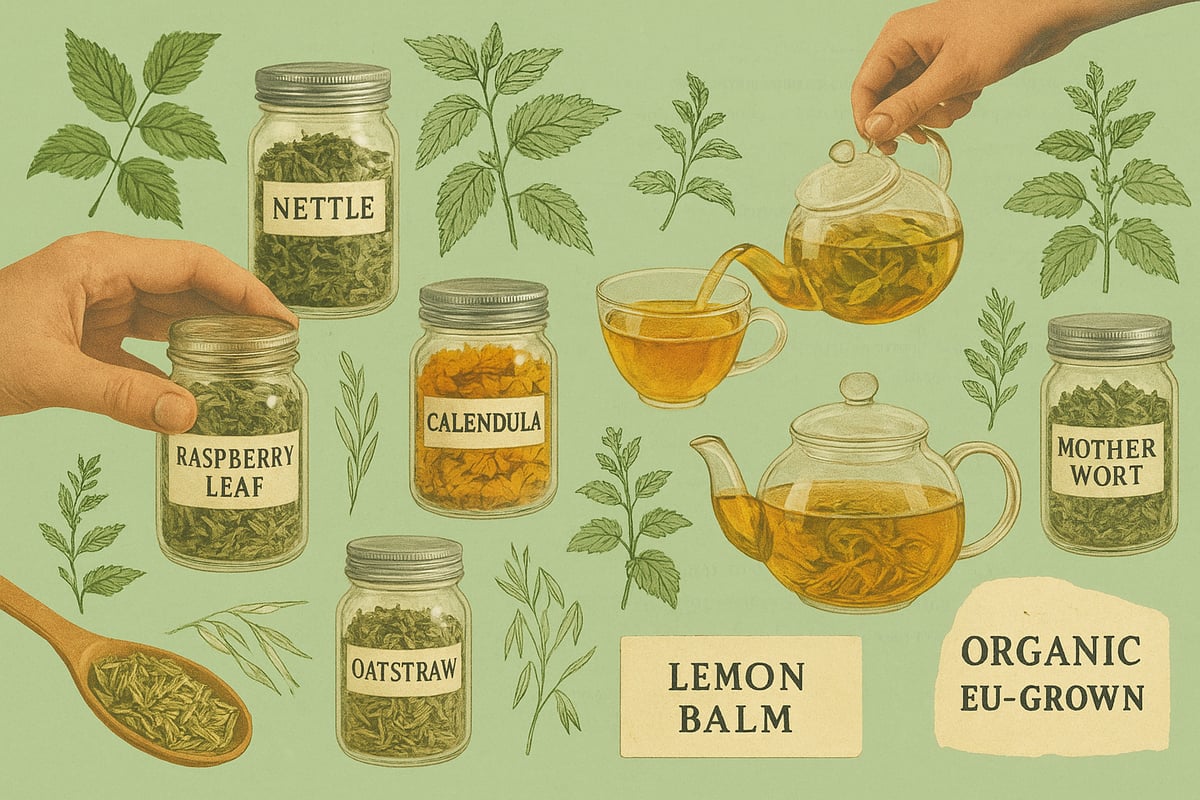
Sourcing and Quality: Choosing the Best Herbs
Quality is the foundation of effective herbal wellness. When selecting mama herbs, always look for organically grown, EU-certified products. Herbs sourced locally or from trusted European growers tend to be fresher and more potent, as they are harvested in season and handled with care.
Check for clear labelling, batch numbers, and certifications. For EU/EEA readers, high standards are set for herbal products. You can learn more about what to look for in safe, high-quality herbs from the Quality guidelines for herbal medicinal products. Supporting small-scale producers also encourages sustainability and biodiversity, which is key for the future of mama herbs.
Preparation: Bringing Mama Herbs into Daily Life
Preparation style has a big impact on the benefits you receive from mama herbs. Teas or infusions are the most traditional and accessible methods—simply steep dried leaves or flowers in hot water for 10–20 minutes. For roots and tougher plant parts, a decoction (simmering in water) unlocks more of their goodness.
Tinctures offer a convenient, concentrated way to enjoy mama herbs. You can also infuse oils for topical use, ideal for skin-supporting herbs like calendula. Always store your herbs in airtight containers, out of direct sunlight, to preserve their potency and freshness.
Dosage and Safety: Using Mama Herbs Responsibly
Less is often more when it comes to mama herbs. Start with small amounts to observe how your body responds. Dosage depends on the herb, preparation style, and your individual needs. Always be aware of possible contraindications, especially if you are pregnant, breastfeeding, or taking medication.
For up-to-date, international safety guidance, refer to the WHO guidelines on herbal medicine safety. If in doubt, consult a qualified herbalist or healthcare provider. Remember, safe use ensures you gain the full benefit of mama herbs without unwanted effects.
Practical Example: A Gentle Postpartum Tea Blend
A simple, nourishing tea blend for postpartum recovery could include raspberry leaf, nettle, and calendula. Steep one teaspoon of each herb in 500ml of hot water for 15 minutes, strain, and sip throughout the day. This blend supports mineral replenishment and gentle healing.
For more education, consider connecting with local herbalist associations or exploring EU herbal safety guidelines. Our own range is crafted with these principles in mind, making it easy to bring mama herbs into your daily rituals with confidence.
Integrating Mama Herbs into Daily Rituals for Lasting Wellbeing
Integrating mama herbs into your daily rituals can transform simple moments into meaningful acts of self-care. Rather than seeing herbal support as a quick fix, we view it as a gentle, ongoing relationship. The true power of mama herbs is revealed through regular, mindful use—small steps, repeated with intention, build a foundation for lasting wellbeing.
Making mama herbs a part of your routine might begin with a morning tea, a calming evening infusion, or a nourishing skin oil. It is less about rigid schedules and more about tuning into your own rhythms. For example, a warming cup of nettle and raspberry leaf can support energy and minerals after a restless night, while lemon balm and chamomile may help you unwind before sleep.
When you blend mama herbs with other holistic practices, such as movement, nutritious food, and restful sleep, their benefits become even more supportive. Think of them as companions on your wellbeing journey, not the whole solution. Creating a personal ritual could be as simple as:
- Sipping a mineral-rich tea blend as you journal in the morning.
- Adding a calendula-infused oil to your evening skincare routine.
- Sharing a cup of motherwort tea with a friend after a long day.
Listening to your body is essential. Notice subtle shifts in mood, energy, or digestion. Keep a simple wellness journal to track how different mama herbs make you feel over time. Adjust your blends or timing as your needs change, and do not hesitate to consult a qualified practitioner, especially if you are pregnant, breastfeeding, or taking medication.
Connecting with local herbalists or community groups can deepen your herbal knowledge. Sharing recipes and learning from elders keeps tradition alive and helps you use mama herbs safely and joyfully. If you are curious about the legal context or wish to learn more about safety, the EU regulations on herbal medicines offer valuable background for informed choices.
Above all, remember that mama herbs are your allies. Consistency and patience yield the best results—true wellbeing is not rushed. For inspiration, explore our small-batch teas and elixirs crafted for everyday rituals.
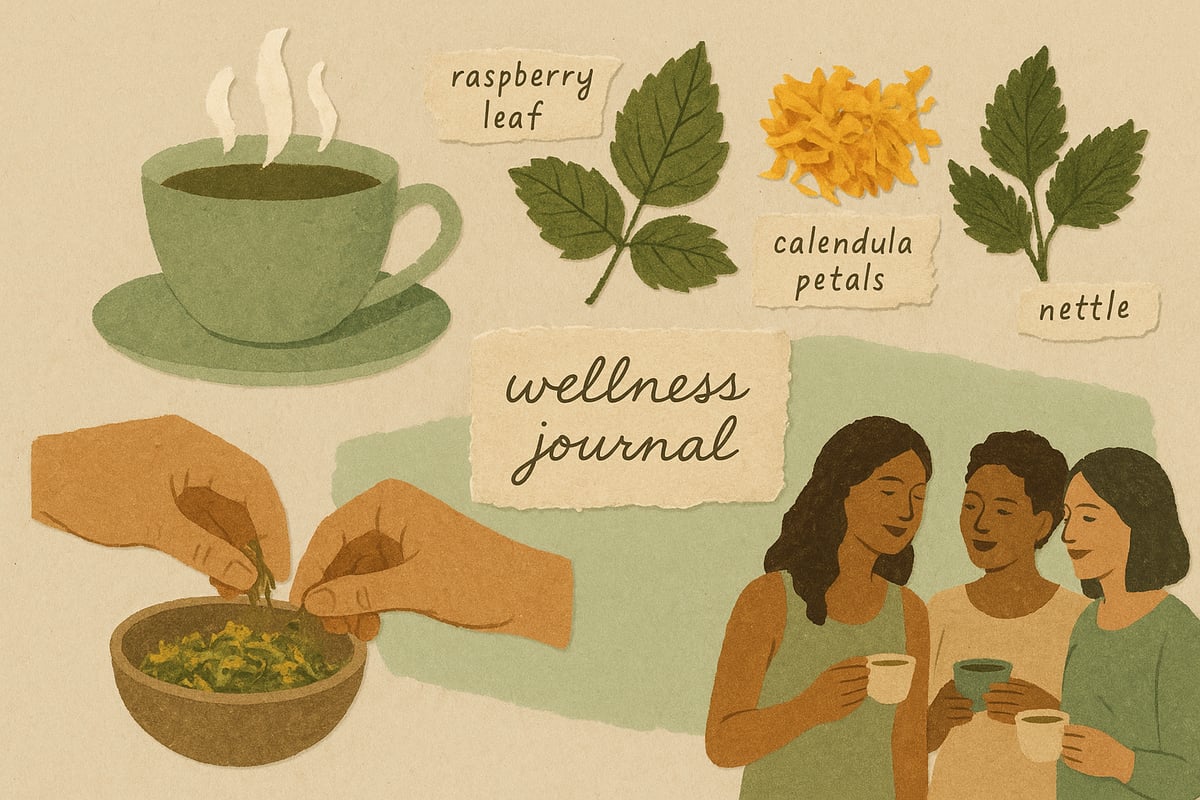
If you’re feeling inspired to bring the benefits of these time honoured mama herbs into your own life, you’re not alone—so many of us are rediscovering how plant rituals can support women’s health at every stage. Whether you’re drawn to teas for daily nourishment or curious about new ways to nurture hormonal balance, it’s all about finding what works best for you with both tradition and modern science in mind. If you’d like to explore trusted herbal blends crafted specifically for women’s wellbeing, why not take a look at our Discover our Women's Wellness collection, created to support women’s hormonal balance and cycle wellbeing.