Rediscover the world of the traditional herbalist with evidence-based guides to ancient remedies plant profiles safe use and practical tips for holistic wellbeing.
Traditional Herbalist Guide: Exploring Ancient Remedies

In a world where wellness trends come and go, many of us are turning back to the ancient wisdom of the traditional herbalist. What can centuries-old plant knowledge offer our fast-moving, modern lifestyles?
This guide is for anyone curious about how traditional herbalist practices and ancient remedies can shape holistic wellbeing in 2026. We’ll journey through the roots of herbalism, discover hero plants used across cultures, explore preparation methods, and share evidence-based guidance for safe, daily use.
Ready to reconnect with nature’s medicine? Let us show you how these time-honoured traditions can empower your modern wellness choices.
The Roots of Traditional Herbalism: History, Philosophy, and Global Traditions
Exploring the world of the traditional herbalist means stepping into a rich tapestry of ancient knowledge, cultural practice, and nature’s healing gifts. Across continents, herbal wisdom has shaped communities, health, and rituals for thousands of years. Let’s trace these roots and see how they continue to guide us today.
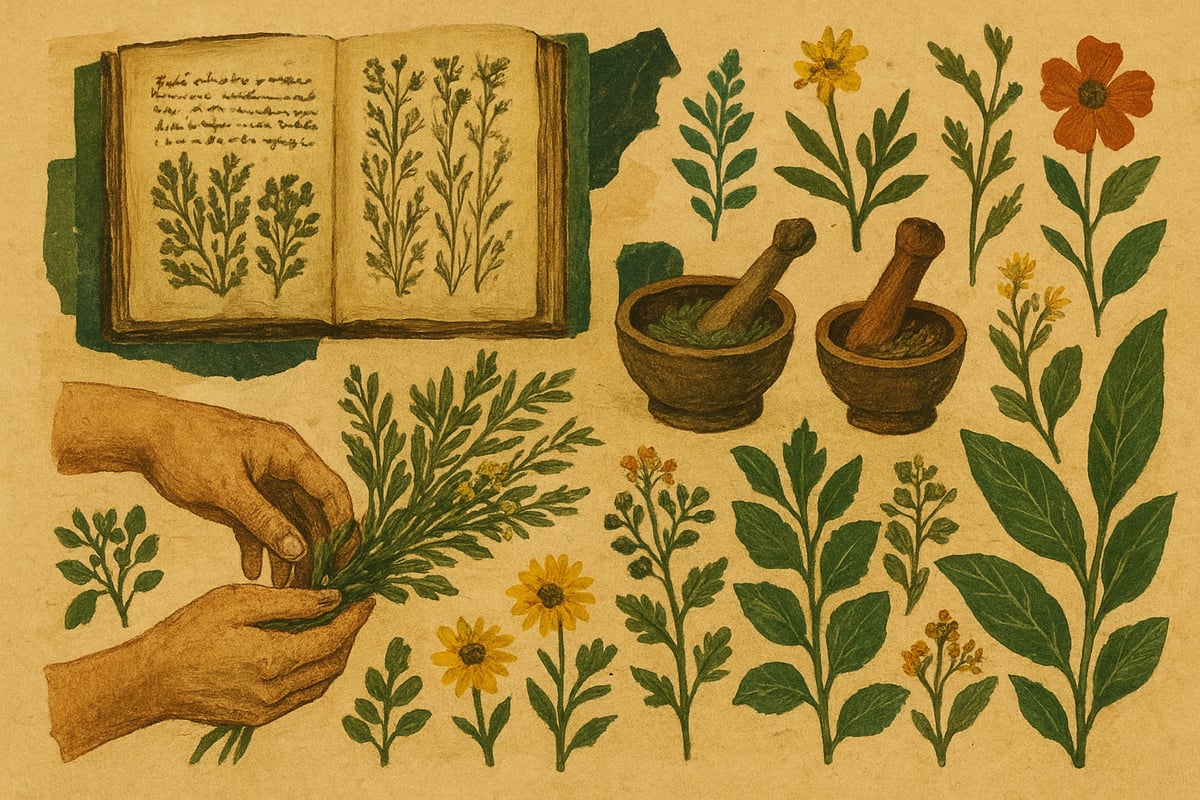
Ancient Herbalism Across Cultures
Long before modern medicine, the traditional herbalist played a vital role in communities throughout Europe, Asia, Africa, and the Americas. Early healers and shamans developed deep connections with their local ecosystems, learning which plants could soothe fevers, heal wounds, or support the mind. Much of this wisdom was passed down orally, with stories and songs helping to preserve plant knowledge through generations.
Systems like Ayurveda from India, Traditional Chinese Medicine, African folk herbalism, and Indigenous American practices each developed unique approaches, but all shared a respect for nature’s cycles and the sacredness of plants. Historical texts such as the Caraka Samhita and ancient European herbals have shaped today’s understanding of plant medicine. According to the World Health Organization, around 80% of the global population still relies on traditional medicine as their primary healthcare (WHO, 2002).
Curious about the specific herbs used by traditional herbalists across these cultures? You can explore detailed plant profiles and their history in our Traditional Herbalist Herbs Guide.
Herbalism’s Core Philosophies and Holistic Approach
At the heart of every traditional herbalist tradition is the belief in balance and harmony. Whether it’s the yin and yang of Chinese medicine, the doshas of Ayurveda, or the four humours of European herbalism, these systems focus on restoring equilibrium in mind, body, and spirit.
A traditional herbalist treats the whole person, not just isolated symptoms. Daily rituals, seasonal adjustments, and preventative care are key—think herbal teas for calming, or ritual blessings before harvesting plants. Plants are seen as allies, offering support beyond the physical to nurture emotional and spiritual wellbeing.
Respect for the earth and sustainable wildcrafting is crucial. Classic texts like the Caraka Samhita, Tibetan medical treatises, and medieval European herbals emphasise gratitude and reciprocity with nature, reminding us to harvest mindfully and protect biodiversity.
The Evolution of Herbal Knowledge: From Tradition to Modern Day
Today’s traditional herbalist draws from both ancient wisdom and contemporary research. Over time, folk remedies have found new life in modern wellness routines, from herbal infusions and tinctures to topical balms. Scientific study now helps validate, refine, or sometimes challenge age-old practices, making herbalism more accessible and evidence-informed.
Licensing and education play a growing role, especially in regions like the EU, where herbalists may collaborate with healthcare professionals and follow regulatory standards. In Himalayan communities, state health planning has supported the formal recognition of traditional herbalist expertise.
Despite colonisation and industrialisation, herbal traditions have shown remarkable resilience. There’s a renewed interest in small-batch remedies, herbal teas, and natural self-care as people seek to reconnect with nature’s rhythms. Protecting indigenous knowledge and local plant species is more important than ever, ensuring that the wisdom of the traditional herbalist can continue to inspire safe, holistic choices.
At Natura Sacra, we’re committed to honouring these traditions while supporting your wellbeing with thoughtfully crafted, research-informed plant remedies.
Hero Plants and Ancient Remedies: Profiles, Uses, and Modern Evidence
Understanding the world of a traditional herbalist means bridging centuries of plant wisdom with today’s scientific lens. For generations, communities around the globe have relied on hero plants for health and ritual, selecting remedies based on observation, oral tradition, and collective experience.
Today, we see growing interest in validating these ancient remedies. Traditional use points us to plants worth exploring, but modern research helps us understand how, why, and when they might be helpful or require caution. Not every old remedy stands up to clinical testing, yet many traditional herbalist favourites show promise in studies. Over 25,000 plant species are documented for medicinal use worldwide (PubMed). When reading research, always check the quality of studies and remember that context—such as where and how a plant is grown—matters. For a deeper dive into time-honoured herbs with both traditional and evidence-backed uses, explore our Best Herbal Plants for Wellness guide.
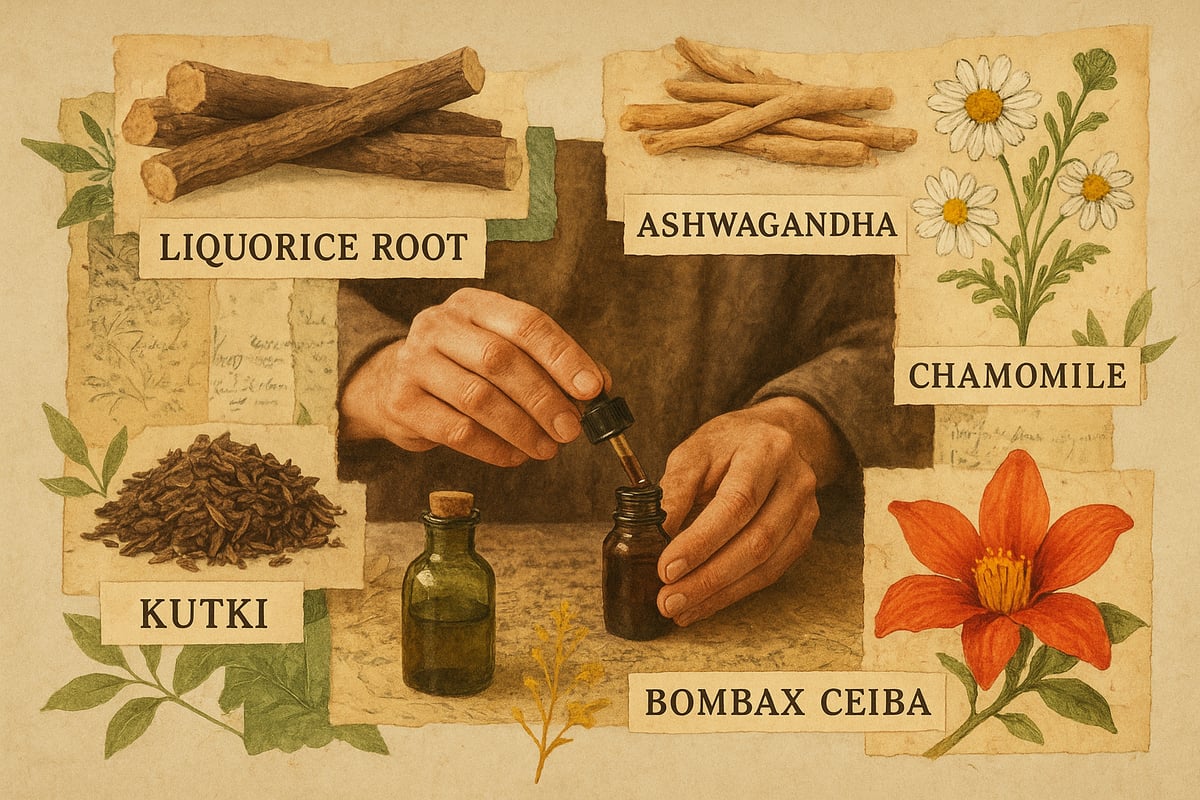
Understanding Traditional Use vs. Modern Research
A traditional herbalist relies on knowledge passed down through generations, often choosing plants that have stood the test of time in community health. These selections are validated by experience, not just by written records. However, anecdotal use does not guarantee safety or effectiveness.
Modern research brings new perspectives. Scientific studies help us identify active compounds, measure effects, and uncover risks. For example, liquorice root has traditional use in both Ayurveda and European herbalism, but research now highlights its anti-inflammatory and antimicrobial actions (PubMed). Still, context matters—what works in one climate or culture may not in another. A traditional herbalist must consider seasonal, geographic, and individual factors before recommending remedies. Always read studies critically and consult reliable sources.
Plant Profiles: Cultural Context, Actions, and Practical Use
Let’s explore five hero plants every traditional herbalist values, blending traditional use and current research. Below is a snapshot for easy comparison:
| Plant | Traditional Use & Context | Key Compounds / Research | Practical Use | Safety Notes |
|---|---|---|---|---|
| Liquorice root | Respiratory, digestive support in Ayurveda, TCM, Europe | Glycyrrhizin; anti-inflammatory, antimicrobial (PubMed) | Teas, decoctions | Avoid in hypertension, pregnancy |
| Ashwagandha | Stress, vitality in Ayurveda | Withanolides; stress modulation (PubMed) | Powders, capsules | Avoid in hyperthyroidism |
| Chamomile | Calming, digestion in European folk | Apigenin; mild sedative (PubMed) | Infusions | Allergy risk (aster family) |
| Kutki | Liver, immune support in Himalayas | Picrosides; hepatoprotective (PubMed) | Tinctures | Consult practitioner |
| Bombax ceiba | Skin, wound healing in Indian folk | Antioxidant activity (PubMed) | Topical applications | Patch test for sensitive skin |
A traditional herbalist might start with a simple infusion of chamomile for calming evenings or blend ashwagandha powder into warm milk for resilience during stressful times. Kutki is often used as a tincture for liver support, but because it is rare and potent, it’s best to consult a herbal practitioner before use.
When sourcing, look for organically grown herbs, ideally from small-batch producers. Store dried plants in airtight containers away from light and moisture. If you’re new to these remedies, start with single herbs before trying blends, and always track your responses in a wellness journal. Each traditional herbalist plant has its unique context and safety profile; respect the traditions, but also listen to your body and the latest research.
Responsible Sourcing and Ethical Considerations
A responsible traditional herbalist pays close attention to how plants are grown, harvested, and traded. Overharvesting, especially of wild species like kutki, threatens both ecosystems and future access to these remedies. Look for products certified organic, sourced from growers who use sustainable wildcrafting methods.
Support local growers and fair trade initiatives whenever possible. Transparent herbal brands share details about their sourcing, testing, and environmental standards. For EU/EEA readers, herbal products must meet strict safety and labelling regulations. Check for quality seals and always review ingredient lists for purity. An ethical approach to herbalism not only protects your wellbeing but also preserves nature’s gifts for generations to come.
The Art of Herbal Preparation: Traditional Methods and Modern Adaptations
Rediscovering the art of herbal preparation invites us to step into the world of the traditional herbalist, where method, intention, and respect for plants shape every remedy. In this section, we’ll explore how ancient techniques and modern innovations come together to empower safe, effective herbal wellness at home.
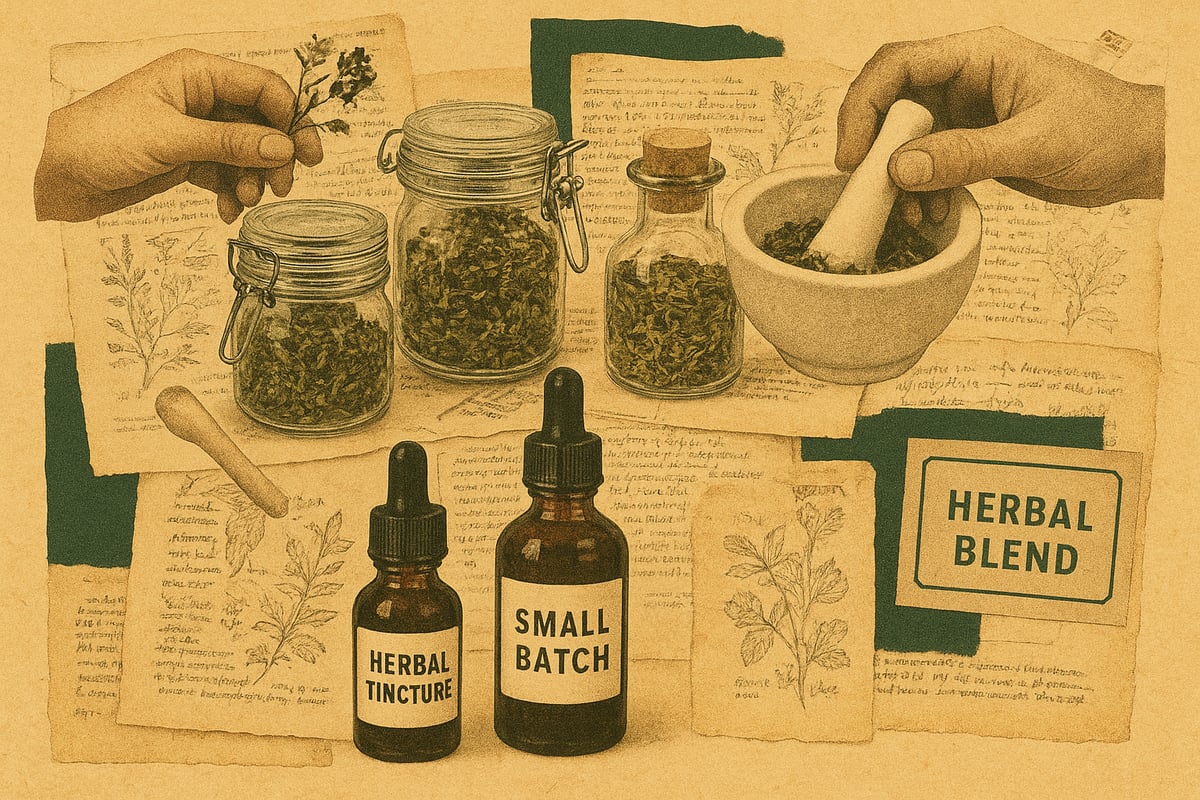
Classic Preparation Techniques Explained
The foundation of any traditional herbalist practice lies in understanding the methods used to extract a plant’s beneficial compounds. Techniques like infusions, decoctions, tinctures, poultices, and oils have centuries of history behind them, each chosen for specific reasons.
Infusions, much like making tea, are perfect for delicate leaves or flowers. Decoctions are favoured for tougher roots and barks, allowing more robust extraction. Tinctures, using alcohol or glycerin, concentrate plant properties for longer shelf life and targeted use. Poultices and oils support topical application, especially in European and Ayurvedic traditions.
The key is knowing why and when to use each method. For example, a traditional herbalist might turn to decoctions in winter for warming support, while lighter infusions suit summer routines. Proper extraction is vital, as it ensures the remedy delivers the intended benefits. Safe preparation always means using clean utensils, accurate measurements, and fresh, uncontaminated herbs. For deeper insight on how these age-old techniques inform modern rituals, you might enjoy our guide on Ancient Wisdom in Herbal Rituals.
Step-by-Step: Making Herbal Remedies at Home
If you’re ready to try your hand as a traditional herbalist, start with safe herb identification. Gather only what you know, preferably from organic or trusted sources. Drying is essential: hang bunches in a cool, airy place away from sunlight. Once dried, store herbs in airtight containers, labelled with name and date.
To make a basic herbal infusion, add one to two teaspoons of dried herb to a cup of freshly boiled water. Cover and steep for 10–15 minutes, then strain and sip. For tinctures, fill a clean jar with chopped herbs, cover with vodka or glycerin, seal, and store in a cool, dark spot for three to six weeks, shaking occasionally. Strain and bottle for use.
Blending herbs for specific needs, such as stress or sleep, is part art, part science. Always begin with single herbs to monitor how your body responds. Hygiene cannot be overstated: wash hands, use sterilised equipment, and avoid cross-contamination. If you’re unsure or have health conditions, consult a professional herbalist before starting.
Modern Innovations: Small-Batch and Research-Backed Herbalism
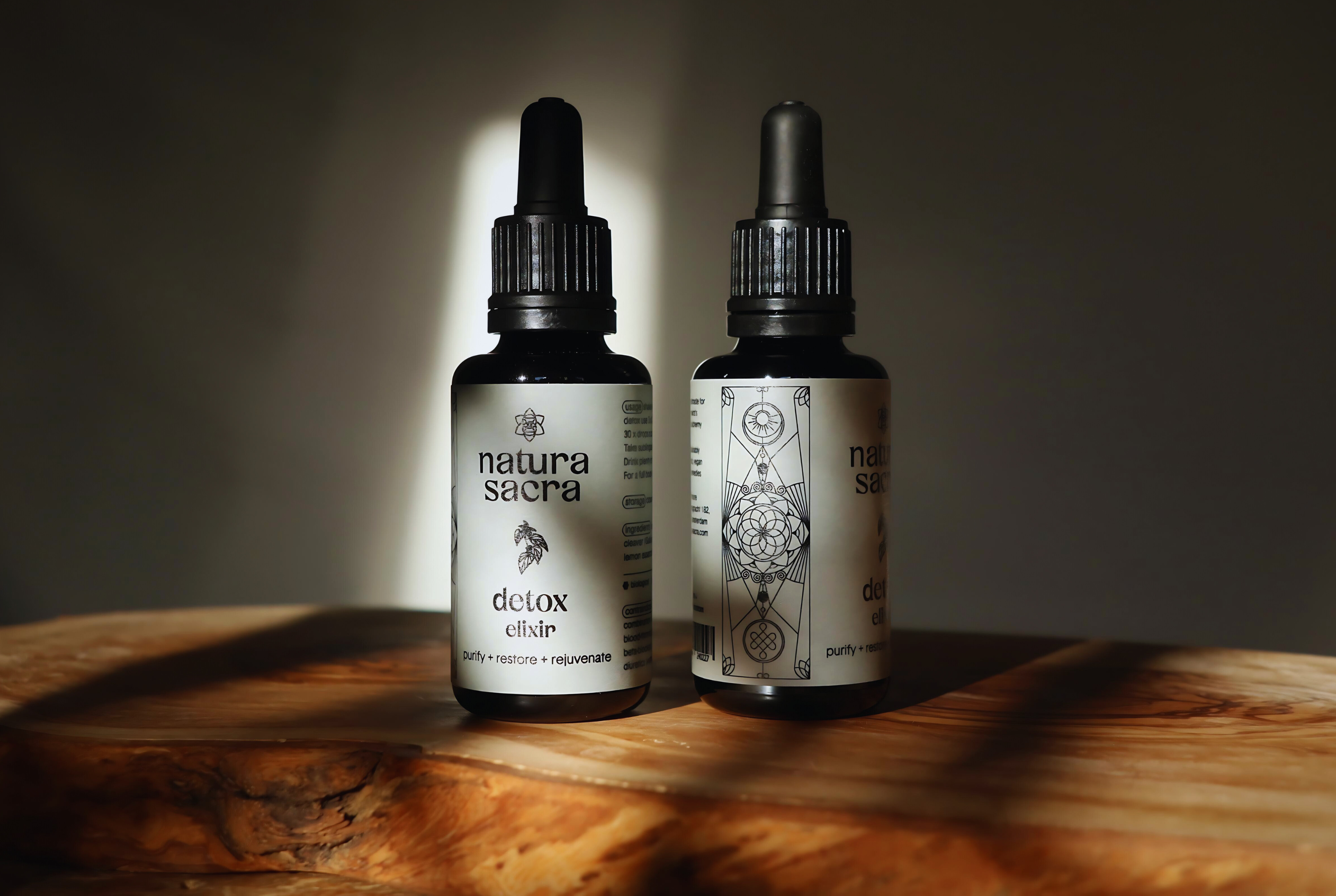
Today, the traditional herbalist approach is evolving through small-batch, artisan brands across the EU. These makers combine time-honoured methods with evidence-based research, using violet glass to preserve potency and transparency in sourcing. Modern herbalists often collaborate with scientists to validate blends, ensuring both safety and efficacy.
This innovation brings peace of mind to those seeking remedies rooted in tradition but supported by science. Transparency matters, from sourcing to labelling, so look for brands that clearly state plant origins and preparation details. The traditional herbalist’s ethos of care, respect, and personalisation remains at the heart of these new offerings.
As you explore herbal wellness, trust your senses and start simple. Our own range is crafted with these principles in mind, supporting your rituals with responsibly made, research-informed remedies.
Integrating Ancient Remedies into Daily Wellbeing: Ritual, Safety, and Personalisation
Bringing the wisdom of the traditional herbalist into daily life means more than just taking a supplement or brewing a quick cup of tea. It’s about creating space for intention, learning from both tradition and research, and making herbal wellness a meaningful, safe, and personal journey. Whether you’re new to herbalism or looking to deepen your practice, these steps will help you integrate ancient remedies into your routine with confidence and care.
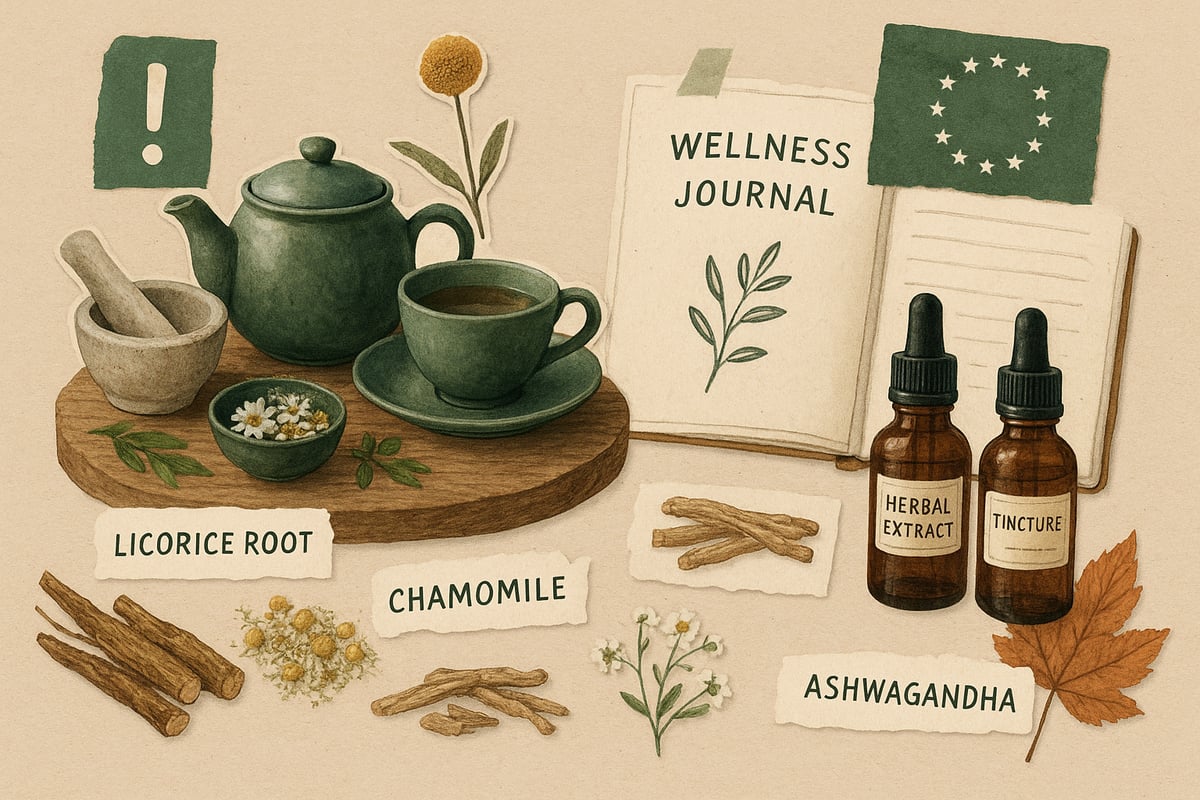
Creating Herbal Rituals for Mind, Body, and Spirit
Incorporating ancient remedies into your day is at the heart of the traditional herbalist approach. Rituals aren’t just routines—they’re opportunities to set intentions, connect with nature, and support resilience.
For example, a morning herbal infusion with chamomile or ashwagandha can become a mindful start, while an evening massage with a homemade herbal oil invites calm before rest. Many traditional herbalist cultures emphasise the power of gratitude and intention, making each cup or application a small act of self-care.
Adjust your herbal rituals with the seasons. In colder months, warming herbs and teas offer comfort, while lighter blends suit spring and summer. Across Europe, traditions differ—some celebrate with wild-gathered teas in spring, others favour root decoctions in winter. The key is to adapt practices to your lifestyle, drawing inspiration from ancient customs while respecting your own needs.
Safety First: Contraindications, Interactions, and EU Regulations
Safety is essential in any traditional herbalist practice. Just because a remedy is natural doesn’t mean it’s always safe for everyone. Some herbs may interact with medications, affect pre-existing conditions, or cause allergic reactions. For example, liquorice root is traditionally used for digestion, but research and EU guidelines caution its use in people with high blood pressure or during pregnancy.
Always check for potential interactions and consult with a healthcare professional, especially if you’re taking prescription medicines or have specific health conditions. EU/EEA regulations provide clear standards for herbal product safety, labelling, and quality. We recommend reviewing the European Medicines Agency Herbal Guidelines for up-to-date information on approved uses and safety requirements.
Trusted resources such as the WHO Traditional Medicine Global Library offer access to evidence-based research, helping you make informed choices grounded in both tradition and science. Whenever in doubt, seek guidance from a qualified herbalist or pharmacist.
Personalising Your Herbal Journey: Tips for Informed Choices
Every traditional herbalist journey is unique. Start by choosing one or two herbs that align with your current needs, and keep a simple wellness journal to track your experiences. This helps you notice subtle effects and adapt your routine over time.
Building relationships with local herbalists or trusted brands ensures access to quality advice and ethically sourced plants. Remember, personalisation means listening to your body and respecting both traditional wisdom and modern evidence. If you’re ever unsure, professional guidance can help you navigate the many options safely.
At Natura Sacra, we support your daily wellbeing rituals with research-backed, thoughtfully crafted remedies inspired by the timeless wisdom of the traditional herbalist.
The Future of Herbalism: Trends, Research, and Community in 2026
As we look towards 2026, the world of the traditional herbalist is evolving fast. New trends, ongoing research, and a growing sense of community are shaping the future of herbal wellness across the EU and beyond. Let’s explore what’s ahead for those who cherish both time-honoured remedies and modern science.
Emerging Trends in Herbal Wellness
The role of the traditional herbalist is expanding as adaptogens, nootropics, and immune-supportive herbs gain popularity across Europe. People are seeking more personalised remedies, using digital tools to tailor their daily plant routines. Herbalism is also moving into mainstream healthcare, with clinics and pharmacies offering herbal blends alongside conventional options.
Workshops and community classes are making herbal knowledge accessible to more people. These trends reflect a shift towards holistic, plant-based self-care, especially as global health challenges highlight the need for resilience. The traditional herbalist remains at the heart of these changes, guiding safe, effective herbal choices for diverse lifestyles.
Research Frontiers: Bridging Tradition and Science
Scientific research is now essential for the traditional herbalist. Advances in phytochemistry and clinical trials are helping to validate ancient remedies, from ashwagandha’s stress support to chamomile’s calming actions. Collaboration between herbalists, researchers, and healthcare professionals is growing, ensuring that tradition and evidence walk hand in hand.
The WHO Traditional Medicine Global Library provides access to over 1.6 million scientific records, supporting practitioners and curious individuals in making informed choices. With more EU-funded studies underway, the future promises safer, more transparent herbal wellness for everyone.
Building a Connected Herbal Community
Community is the foundation for the modern traditional herbalist. Across Europe, local herbalist networks are resurging, offering workshops, foraging walks, and herbal gardens that keep folk wisdom alive. Online platforms connect enthusiasts, share knowledge, and encourage ethical sourcing.
The WHO Global Traditional Medicine Centre is supporting the integration of traditional practices into global health systems, highlighting the value of shared learning and cultural respect. As we move forward, supporting these communities means preserving biodiversity, empowering individuals, and ensuring that herbal knowledge thrives for generations.
As you’ve seen throughout this guide, the roots of herbalism run deep—spanning cultures, centuries, and traditions. Whether you’re curious about how ancient remedies fit into modern routines or want to try time honoured rituals for yourself, it all starts with quality and knowledge. At Natura Sacra, we believe in transforming plant wisdom into daily practices that genuinely support your wellbeing. If you’d like to explore more practical tips, research backed insights, and ways to weave herbal rituals into your life, I invite you to explore more rituals and plant wisdom on our blog.