Discover how plants are medicine with our 2026 guide Explore herbal history key healing plants scientific research and safe ways to use nature for wellness
Plants Are Medicine Guide: Nature’s Healing Power

From ancient cave paintings to modern laboratories, our fascination with plants as medicine has shaped cultures and healing traditions across Europe and beyond. This bond is more than history—it lives on, with a new wave of interest in plant-based remedies rising across the EU in 2026.
People seek out plants are medicine for gentle, holistic support that aligns with wellness goals and sustainability values. Many find comfort in knowing that nature’s original healers offer a unique blend of tradition and science-backed benefits.
As we explore this guide, you will discover the roots of herbal medicine, meet key healing plants, and see how modern research supports ancient wisdom. We will also share practical advice for safe, effective use and how to bring plant remedies into your daily rituals.
The Roots of Plant Medicine: A Historical Perspective
Our story with plants as medicine stretches back to the earliest days of humanity. Across the globe, ancient civilisations placed their trust in the natural world, drawing on plants for healing, nourishment, and ritual. This enduring relationship forms the backbone of our modern understanding of herbal wellness.
The Ancient Bond Between Humans and Plants
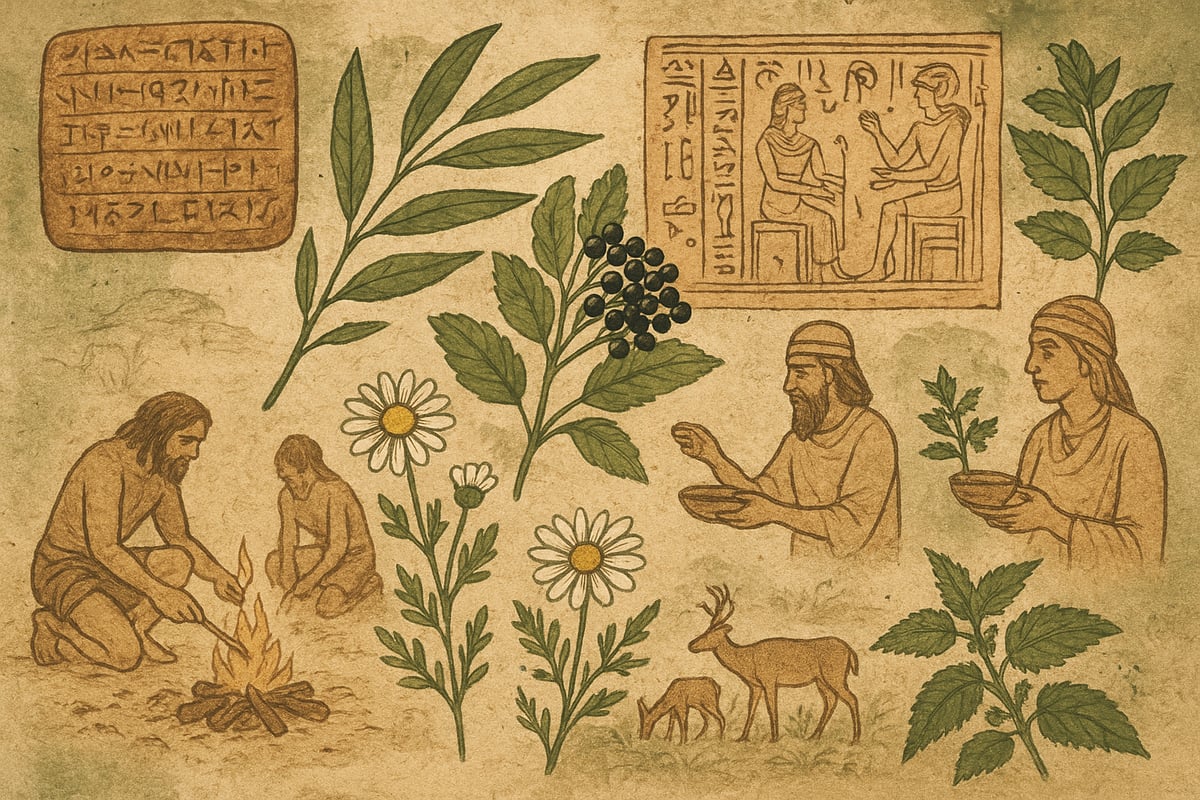
For tens of thousands of years, people have recognised that plants are medicine. Archaeological finds, like the Sumerian clay tablets and the Egyptian Ebers Papyrus, reveal detailed herbal recipes dating back over 4,000 years. Earlier still, pollen traces in Neanderthal burial sites suggest that medicinal plants were valued at least 60,000 years ago.
Our ancestors learned by watching animals choose certain leaves and roots when unwell. Trial and error, combined with oral storytelling, helped communities pass down their discoveries. Over time, these insights grew into rich traditions—Ayurveda in India, Traditional Chinese Medicine, and the folk practices of Europe all blossomed from this shared foundation.
Early healers favoured the whole plant. Remedies like willow bark for pain or poppy for easing discomfort were used in their natural forms, harnessing the synergy of multiple compounds. This holistic approach, where plants are medicine in their entirety, contrasts with the later focus on isolating single molecules.
Some plants, such as chamomile, elderberry, and nettle, have endured in herbal practice across continents and centuries. Their continued use reflects a blend of traditional wisdom and, increasingly, scientific validation. For more on the enduring role of specific herbs, see our Wellness Herbs: Tradition and Research.
The Shift from Herbalism to Pharmaceuticals
The landscape changed dramatically in the 19th and 20th centuries. As chemistry advanced, scientists began isolating active compounds from plants. Aspirin, for example, originated from willow bark, while morphine came from poppy. These discoveries paved the way for the pharmaceutical industry, with companies like Merck and Bayer mass producing medicines for the first time.
During periods of war and industrial growth, synthetic drugs offered consistency and scalability. By the late 1940s, the United States produced over half the world’s pharmaceuticals. Patent laws favoured new, synthetic creations, making it harder for herbal medicines to compete in Western markets.
Despite this, plants are medicine that never truly disappeared. In Eastern Europe, Asia, and Indigenous communities, herbal traditions remained strong. Today, we see a renewed interest in combining the best of both worlds. Many modern remedies now blend traditional plant knowledge with rigorous scientific research, offering a more balanced approach to wellness.
We believe in respecting the roots of these traditions while embracing reliable evidence. Our herbal offerings are crafted with this philosophy in mind, inviting you to rediscover the wisdom of nature in a way that fits your daily life.
How Plants Heal: Understanding Nature’s Pharmacy
Plants are medicine in every sense, offering more than just single ingredients. They create a complex pharmacy of natural compounds, each with unique roles. For thousands of years, people have relied on this synergy to restore balance, nurture resilience, and gently support day-to-day health.
The Science Behind Plant Medicines
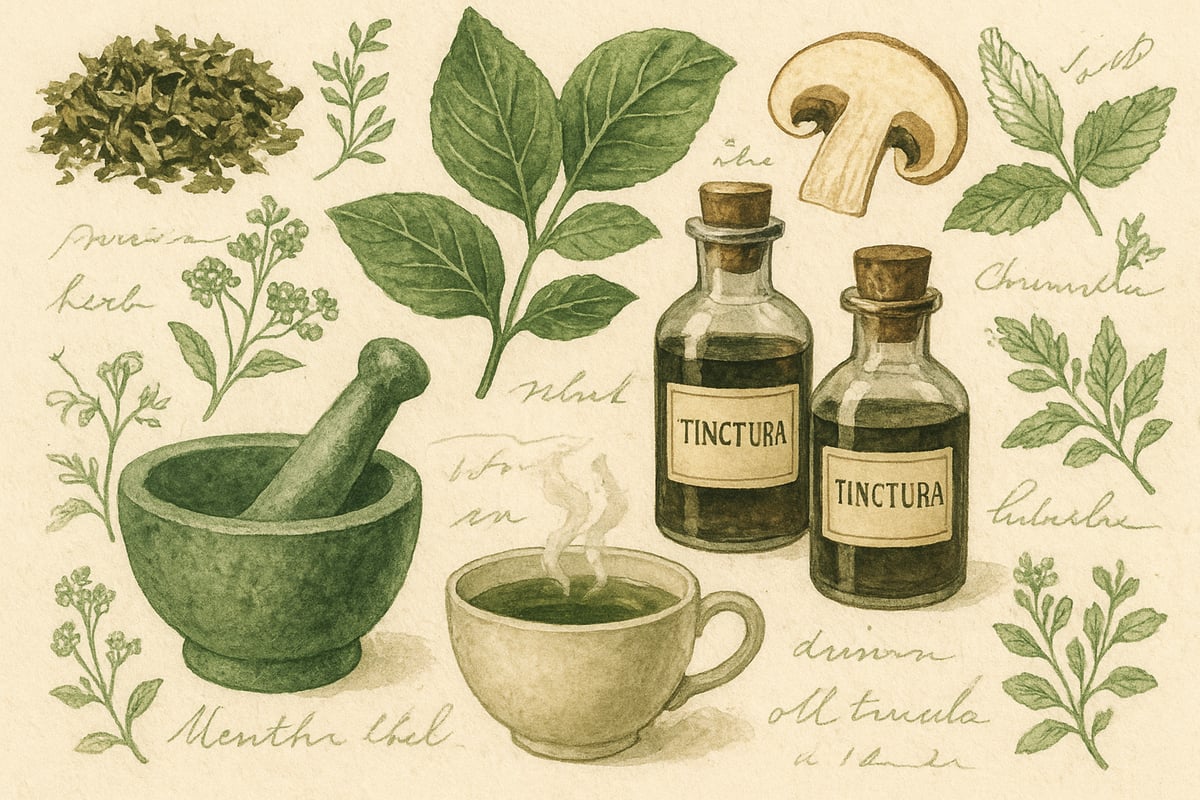
When we say plants are medicine, we are referring to their ability to produce a vast array of active compounds. These include alkaloids, flavonoids, terpenes, and polysaccharides, each contributing to the plant’s overall effect. Unlike most pharmaceuticals, which isolate a single chemical, plants work through hundreds of molecules acting together, often called the “teamwork” or synergy effect.
Take willow bark, for example. Traditionally, it was used for pain and fever. Modern aspirin was developed by isolating one compound from willow, but the original bark contains other molecules that help buffer and balance its action, reducing side effects for many people. Similarly, echinacea in its whole form delivers a broader range of immune-supporting compounds than any single extract.
Safety is another important aspect. Whole herbs, when used properly, generally have a gentler profile compared to many synthetic drugs. This is partly due to the natural checks and balances within the plant matrix, which can help minimise unwanted effects or resistance.
How we prepare plant medicines also matters. Infusions draw out water-soluble nutrients for gentle daily support, while tinctures and extracts concentrate specific compounds for targeted use. Adaptogenic plants, like ashwagandha and reishi, are especially valued for helping the body adapt to stress and maintain balance over time.
Traditional Wisdom Meets Modern Evidence
The idea that plants are medicine is not just folklore. Recent research has begun to validate many traditional uses. For example, astragalus, a staple in Traditional Chinese Medicine, has shown immune-modulating effects in clinical settings. Schisandra, long used for resilience and liver support, has demonstrated antioxidant and cognitive benefits in modern trials.
A 2025 study on plant-based traditional remedies in public health highlights how cultural knowledge, when paired with scientific investigation, leads to safer and more effective herbal practices. Evidence is growing for plant remedies supporting stress management, immunity, digestive health, and hormonal balance, helping us understand why these botanicals have stood the test of time.
As we bring plants are medicine into our daily lives, it is important to remain both curious and cautious. Choosing well-sourced products, matching herbs to individual needs, and consulting with an expert when in doubt helps us benefit from nature’s pharmacy responsibly. At Natura Sacra, we are committed to making this process both accessible and empowering for everyone seeking gentler paths to wellness.
Hero Plants for Modern Wellness: Tradition & Research
In our journey to understand how plants are medicine, we find certain herbs and fungi stand out for their unique synergy of tradition and science. These “hero plants” offer support for resilience, vitality, and balance. Let’s explore their stories, actions, and practical uses, so you can make confident choices in your everyday wellness.
Astragalus (Astragalus membranaceus)
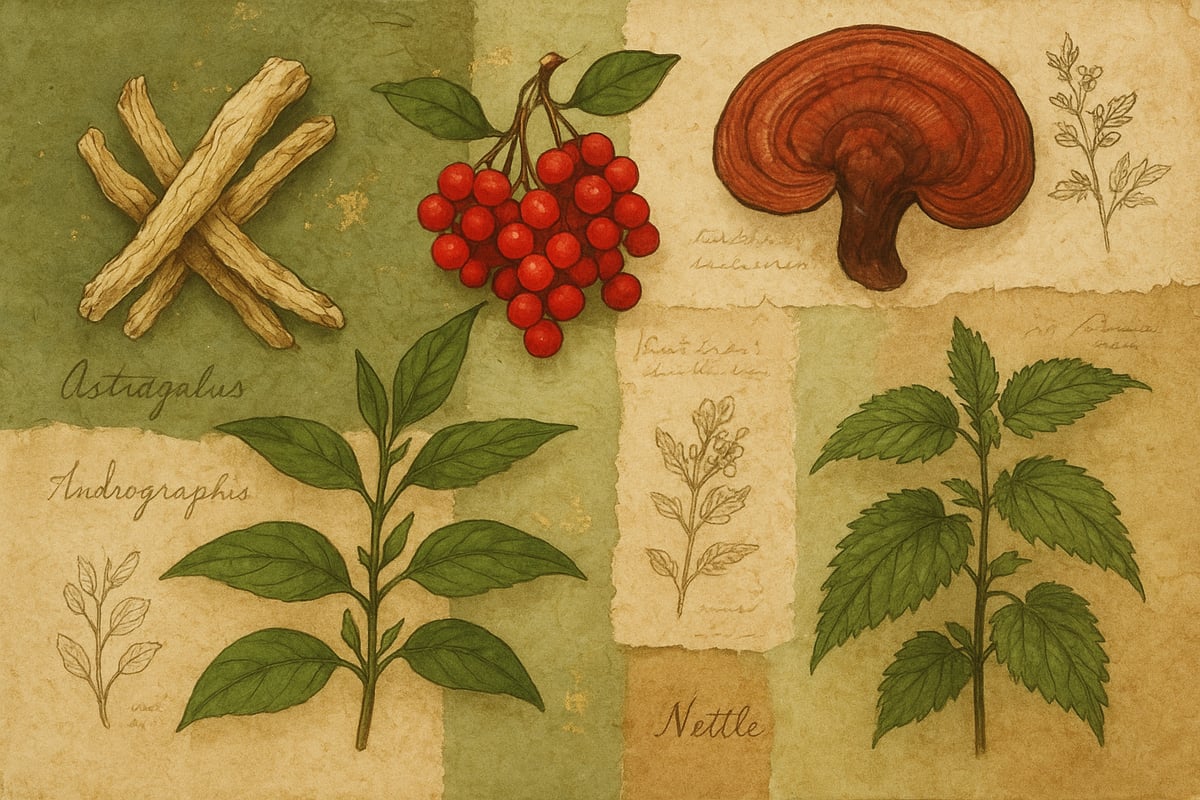
Astragalus has a long history in Traditional Chinese Medicine, valued for promoting energy, immunity, and resilience, especially during seasonal changes. Traditionally, it’s simmered in broths or blended into daily teas for gentle, ongoing support.
Modern research suggests astragalus contains polysaccharides and saponins that may help modulate immune responses and inflammation (PubMed). This makes it a key example of how plants are medicine, bridging ancestral wisdom and evidence-based practice.
For practical use, try decoctions, tinctures, or adding slices to soups. It’s generally well-tolerated, but those with autoimmune conditions should seek advice before use.
Reishi Mushroom (Ganoderma lucidum)
Reishi, often called the “mushroom of immortality” in East Asian traditions, is revered for supporting longevity, restful sleep, and a sense of calm. Its use in daily teas or extracts is deeply rooted in wellness rituals across Asia and now increasingly in Europe.
The active compounds, such as triterpenoids and beta-glucans, are being studied for their potential to support immune function, reduce fatigue, and promote cardiovascular health (PubMed). This highlights why we say plants are medicine, as reishi’s benefits are both ancient and increasingly understood by science.
You’ll find reishi in powdered extracts, tinctures, or as a calming night-time tea. If you’re on blood thinners or have mushroom allergies, use with care.
Schisandra (Schisandra chinensis)
Schisandra, known as the “five flavour berry,” is a staple in Chinese and Russian herbal traditions. Traditionally, it’s used to support the liver, boost endurance, and help the body adapt to stress.
Its primary compounds, lignans, have antioxidant and adaptogenic properties. Research suggests schisandra may help protect liver cells, support cognitive function, and improve the body’s stress response (PubMed). For anyone exploring how plants are medicine, schisandra offers a unique blend of tradition and scientific promise.
Enjoy schisandra as a tea, syrup, or in adaptogen blends. It’s generally safe, but if you’re pregnant, consult a professional first.
Andrographis (Andrographis paniculata)
Used in both Ayurvedic and Chinese traditions, andrographis is known for its bitter taste and its role in managing fevers, respiratory infections, and digestive complaints. Traditionally, it’s taken during acute illness for short-term immune support.
The key compounds, andrographolides, have demonstrated antimicrobial and anti-inflammatory effects. Modern studies suggest andrographis may reduce the severity and duration of respiratory symptoms (PubMed). This is another way plants are medicine, offering targeted support when you need it most.
It’s commonly taken as a tincture or capsule. Avoid during pregnancy, and start with low doses to minimise stomach upset.
Nettle (Urtica dioica)
Nettle is a classic of European folk medicine, cherished for its nourishing, anti-inflammatory, and revitalising effects. Traditionally, spring nettle infusions and soups help restore vitality after winter.
Nettle contains minerals and flavonoids that research suggests may support urinary health, ease joint discomfort, and provide essential micronutrients (PubMed). To learn more about this remarkable plant, see our Nettle: The Sting That Heals guide.
For daily use, try nettle infusions, soups, or add to spring tonics. Always wear gloves when handling fresh nettle, and consult a professional if you have complex health needs.
By exploring how plants are medicine, we see that tradition and research can coexist, guiding us to gentle, effective choices. At Natura Sacra, our products are crafted to honour both worlds—rooted in time-tested herbal wisdom and informed by the latest science—empowering you to bring these hero plants into your daily rituals safely and confidently.
Bringing Plant Medicine Into Daily Life: Practical Guidance
Bringing the wisdom of plants are medicine into your daily routine can be both rewarding and practical. Across the EU and EEA, interest in herbal wellness is growing as more people seek gentle, effective support for mind and body. But how do you begin? The key is to combine traditional approaches with modern research, always focusing on safety and personalisation.
Safe and Effective Herbal Use at Home
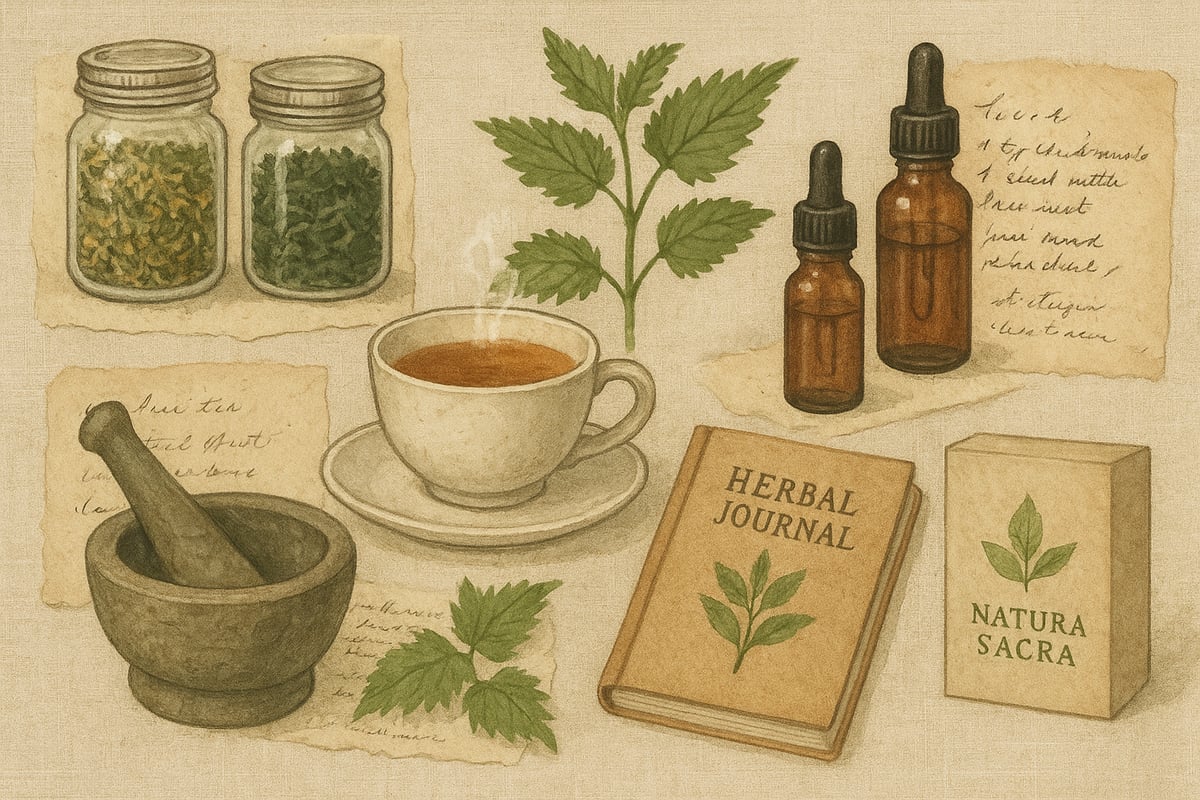
When exploring plants are medicine at home, start by sourcing organic, traceable herbs from reputable suppliers. Quality matters: the potency, safety, and effectiveness of your remedies depend on how the plants were grown, harvested, and stored.
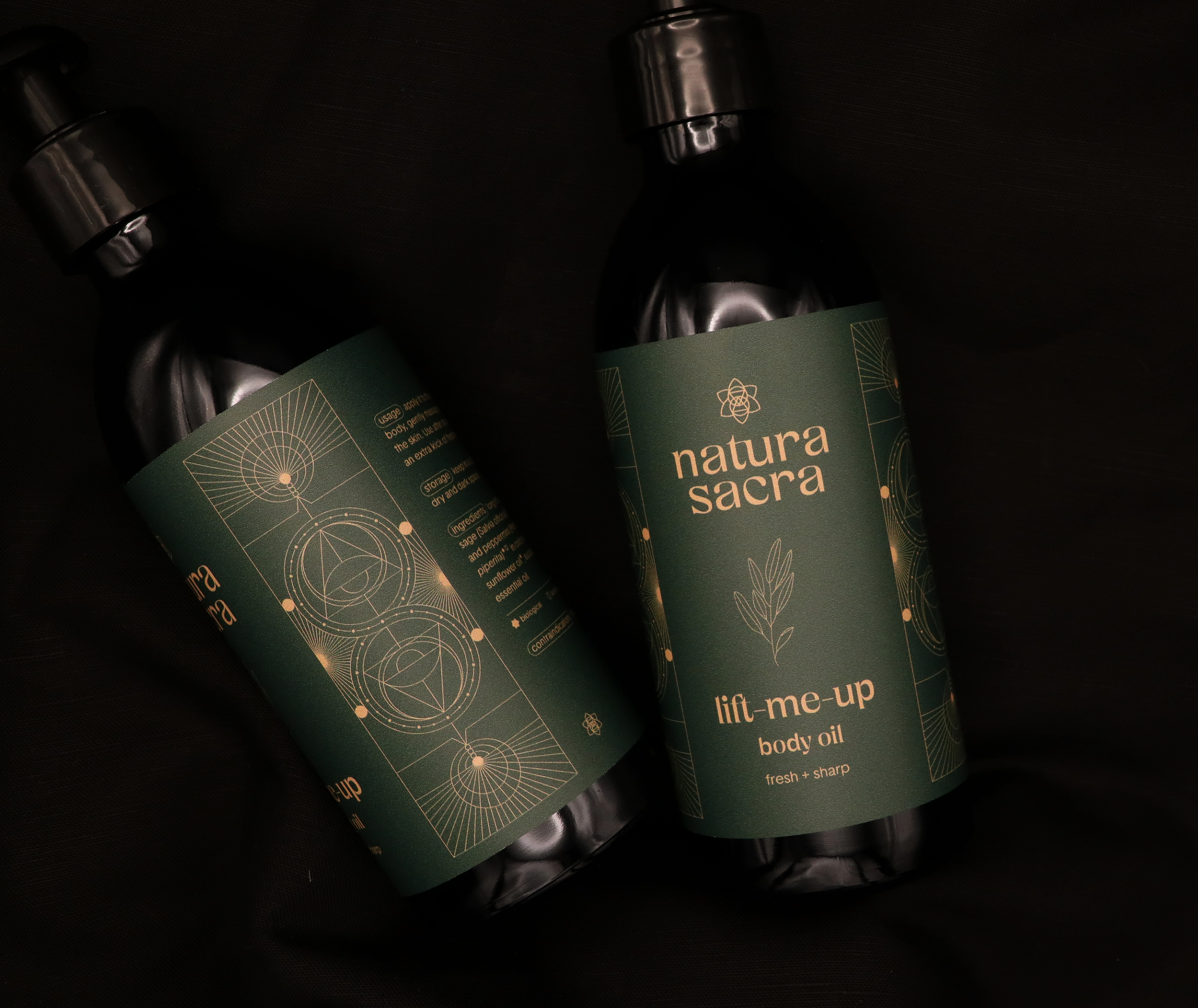
Preparation method also shapes your experience. For gentle herbs like chamomile or nettle, infusions are ideal—simply steep dried plant material in hot water. Tinctures, made by extracting plant compounds in alcohol, offer a more concentrated option for stronger herbs. Oils and balms work well for topical support, especially for muscles or skin.
| Preparation Method | Best For | Example Herbs |
|---|---|---|
| Infusion | Gentle daily support | Nettle, Chamomile |
| Tincture | Concentrated extracts | Echinacea, Ashwagandha |
| Topical Oil | Skin, muscle care | Calendula, Arnica |
Integrating plants are medicine into rituals can be simple. Brew a morning tea for resilience, add a few drops of tincture to water during stressful seasons, or enjoy a calming elixir before bed. Personalisation is crucial: not every plant suits every person. Consider your constitution, life stage, and health goals. Keeping a herbal journal can help you track responses and build confidence.
Safety comes first. Always check for contraindications, potential drug interactions, and suitability in pregnancy or breastfeeding. EU/EEA regulations require clear labelling and safety data, so look for products that meet these standards. For more detailed guidance on setting up your own herbal routine, visit our Building a Plant-Based Wellness Cabinet guide.
Natura Sacra: Guided Herbal Rituals for Modern Wellbeing
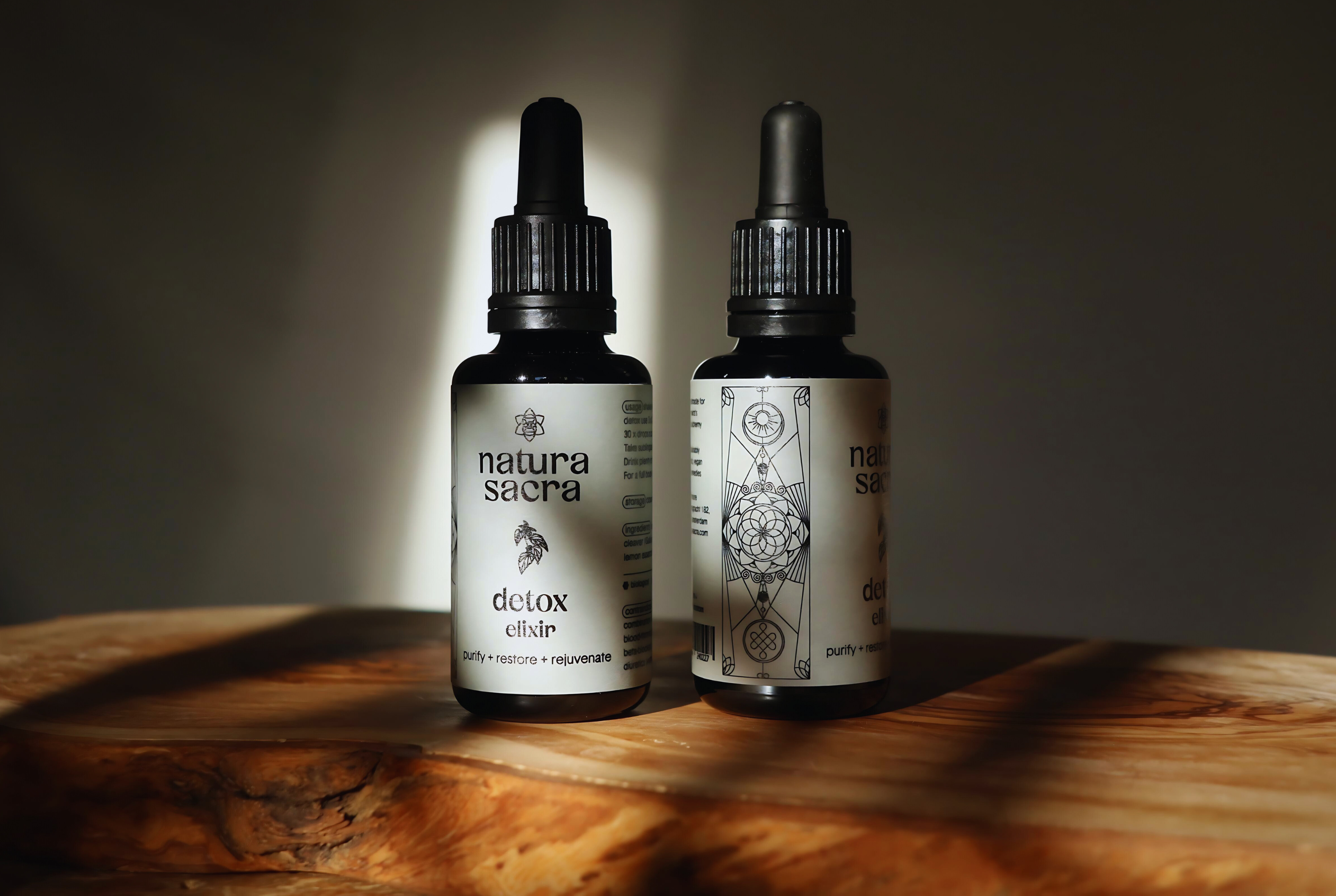
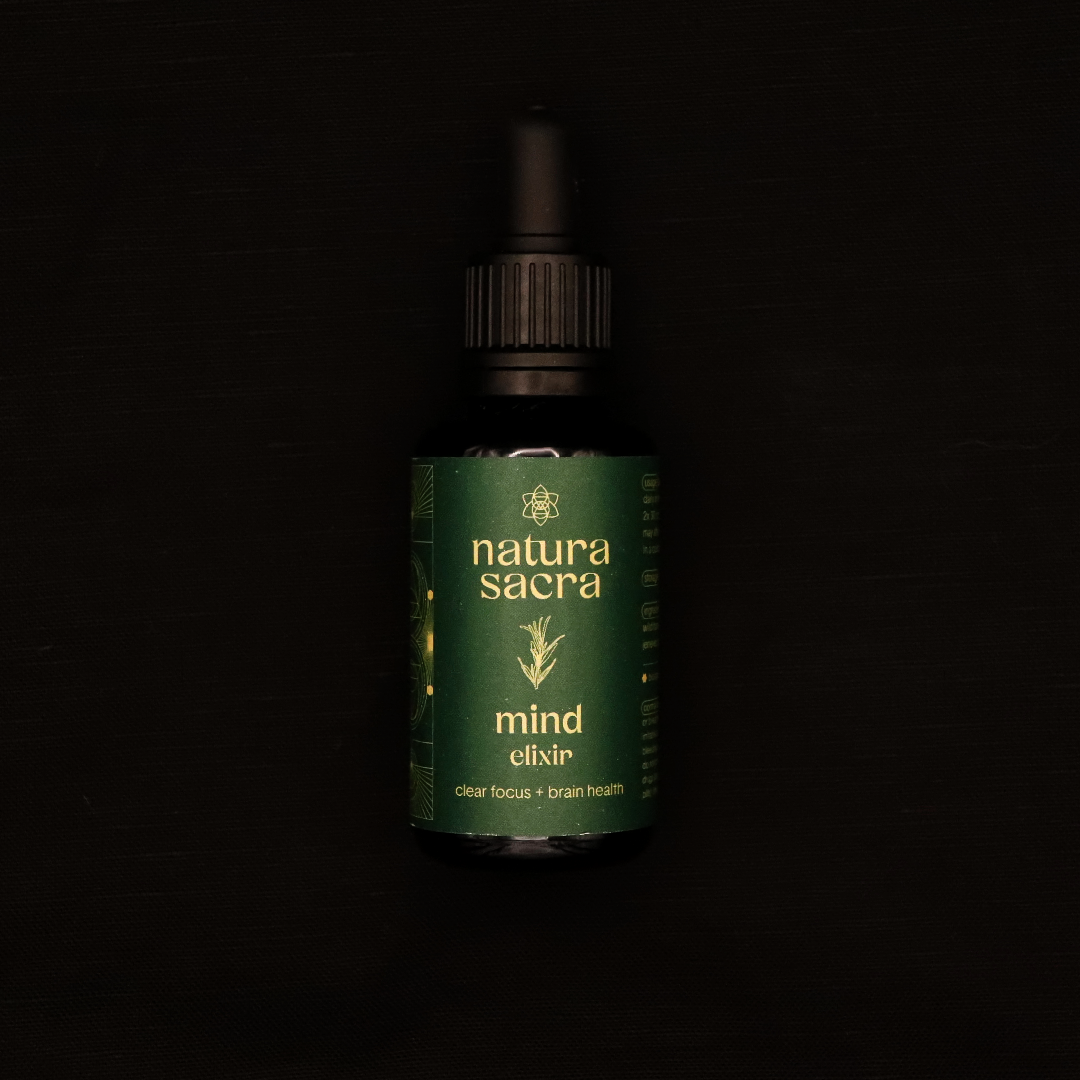
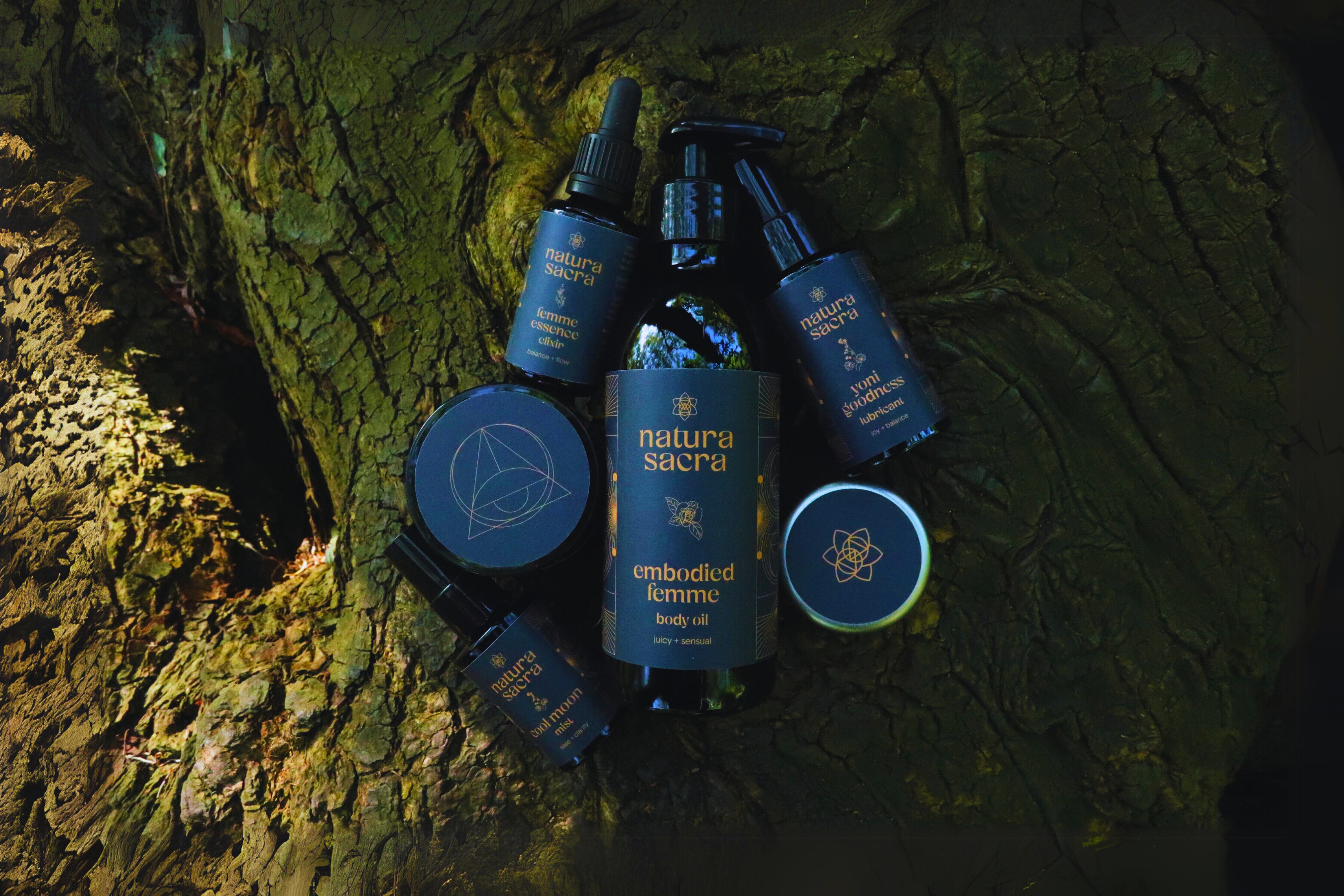
At Natura Sacra, we believe plants are medicine when used with respect, knowledge, and care. Our philosophy is rooted in making plant wisdom both accessible and practical for modern EU/EEA life. We bring together tradition and research to craft small-batch teas, elixirs, and oils designed for everyday support—whether you seek better sleep, hormonal balance, or resilience during seasonal changes.
Our products begin with transparent sourcing and ethical harvesting, ensuring every batch is traceable from field to cup. We offer resources to help you choose and use herbs safely, always encouraging you to personalise your rituals. Our approach is educational: we want you to feel empowered, not overwhelmed, as you explore the world of plants are medicine.
We see ourselves as your partners on this journey. Whether you are new to herbal wellness or deepening your practice, our collections and guides are here to support your informed, gentle choices. Explore our rituals, product collections, and educational materials to bring the healing power of plants into your own daily life.
The Future of Plant Medicine: Trends, Research & Responsible Use
The 2026 Landscape of Herbal Wellness
Across the EU and EEA, we are witnessing a remarkable resurgence in the belief that plants are medicine. This renewed interest is fuelled by a growing desire for natural, sustainable, and effective wellness solutions. Policy shifts and public demand are coming together, as seen in the EU Action Plan for Plant-Based Foods, which highlights just how seriously Europe is taking the future of plant-based health.
The numbers reflect this change. Herbal supplement sales in North America rose by 3 billion dollars from 2015 to 2020. Now, similar growth is happening in Europe, with more pharmacies offering herbal blends and healthcare professionals collaborating with herbalists. This signals a new era where plants are medicine is not just a tradition, but part of integrated, evidence-informed care.
Innovation is also shaping how we use plants are medicine. Clinical trials, improved quality standards, and new delivery formats such as microencapsulated extracts are making herbal remedies safer and more accessible. The push towards a greener future is supported by research into plant-based bioeconomy, as described in Towards a More Plant-Based Bioeconomy for Europe. This approach values both scientific rigour and traditional wisdom, ensuring that herbal remedies continue to evolve without losing their roots.
Caring for the planet is inseparable from caring for ourselves. As plants are medicine becomes more mainstream, it is crucial to prioritise biodiversity, ethical wildcrafting, and regenerative farming. Responsible sourcing protects endangered species and guarantees the quality of herbs you bring into your home.
Education remains at the heart of safe and effective herbal practices. By seeking trustworthy information, consulting qualified professionals, and participating in community workshops, you can make empowered decisions about your wellbeing. Keeping a herbal journal, learning about plant cycles, and staying updated with EU regulations help you use plants are medicine with confidence.
As you explore this path, we encourage you to combine tradition and research—whether through our curated products or your own herbal journey. The future of wellness is in your hands, and nature’s wisdom is ready to support you.
Having explored both the deep roots of plant medicine and the latest research supporting herbal remedies, it’s clear that nature offers us a wealth of gentle, effective options for modern wellbeing. Whether you’re curious about reducing stress, supporting sleep, or simply want to make herbal rituals part of your daily routine, you’ll find practical guidance and inspiration from both tradition and science. If you’re ready to take the next step and see how small batch plant remedies can fit into your life, I invite you to discover our small batch herbal remedies crafted for natural wellbeing.