Discover how sage tea menopause support can ease hot flushes and night sweats with tradition and new insights. Practical tips rituals and safety guidance inside
The Essential Sage Tea Menopause Guide

With so many women seeking alternatives to conventional therapies, sage tea menopause has become a topic of growing interest and hope.
This guide will walk you through how sage tea menopause can make a difference, blending centuries of tradition with the latest scientific insights. You’ll discover why sage is used for symptoms like hot flushes, what the evidence really says, and how to brew and enjoy sage tea safely.
Expect practical tips, clear safety notes, and guidance on when to seek professional help, all crafted to empower you with the knowledge to make confident, informed choices about your menopause journey.
Understanding Menopause and Its Challenge
Menopause is a natural transition, but for many women it still feels like uncharted territory. With more conversations in the open, the need for gentle, effective support is clearer than ever. Let us explore the landscape of menopause, its most pressing symptoms, and the growing interest in herbal allies like sage tea menopause.

Menopause Overview and Common Symptoms
Menopause marks the end of menstrual cycles, usually occurring between ages 45 and 55, while perimenopause is the lead-up with fluctuating hormones. Symptoms can be wide-ranging, but the most common include:
- Hot flushes
- Night sweats
- Mood swings
- Sleep disturbances
According to the NHS (2024), over 75 percent of women experience vasomotor symptoms such as hot flushes and night sweats, which can disrupt daily life and sleep. These symptoms may affect work performance, relationships, and overall wellbeing.
Over the past decade, awareness has grown in workplaces and society, leading to more open discussions and support. Current approaches to menopause management include hormone replacement therapy (HRT), lifestyle changes, and herbal options like sage tea menopause. Each woman’s journey is unique, so finding the right combination is key.
Why Hot Flushes and Night Sweats Matter Most
Hot flushes and night sweats, known as vasomotor symptoms, are among the most challenging aspects of menopause. They are triggered by hormonal changes affecting the body's temperature control. In the UK, these symptoms are reported by most menopausal women, often causing discomfort multiple times a day (British Menopause Society, 2023).
Night sweats can disrupt sleep, leading to fatigue, reduced concentration, and lower mood. Over time, poor sleep affects memory, emotional resilience, and quality of life. Many women find these symptoms socially embarrassing, leading to anxiety or withdrawal from activities.
Because HRT is not suitable for everyone, more women are exploring alternatives such as sage tea menopause to manage these disruptive symptoms and regain a sense of control.
The Rising Interest in Herbal Support
There is a noticeable rise in demand for natural remedies, with more women turning to herbal teas for symptom relief (Mintel, 2025). Sage has stood out in both traditional and modern herbalism for its use in soothing hot flushes and sweating.
While early research and folk tradition support the benefits of sage tea menopause, it is important to recognise the limitations of current evidence. Not all herbal remedies work the same for everyone, and safety should always come first.
For those interested in exploring herbal options, learning about herbs for hormone balance can provide a helpful starting point. Making informed, mindful choices with guidance from trusted resources ensures the best support on your menopause journey.
Sage: Tradition, Science, and Menopause Relief
For centuries, women have turned to sage as a gentle ally during menopause. This aromatic herb, with its silvery leaves and comforting scent, has woven itself into the story of female wellbeing. But what makes sage tea menopause support so enduring in both tradition and modern science? Let’s explore the roots, evidence, and mechanisms behind this time-honoured remedy.

Sage’s Historical Use for Menopausal Symptoms
Sage, or Salvia officinalis, has long been treasured in European herbal traditions for its cooling properties. In the UK and across the Mediterranean, women brewed sage infusions to ease sweating and hot flushes. Herbalists from centuries past described sage as a plant that could “calm the fires” of the body, making it a staple for those navigating the changes of midlife.
Folk wisdom often recommended sage tea menopause routines at bedtime, aiming to soothe night sweats and restore rest. Early research, including studies published in the BMJ in 2011, began to validate these practices, although much of the evidence remains rooted in oral tradition. Today, many still look to sage as a bridge between ancient knowledge and modern needs.
Human Evidence: What We Really Know
Modern clinical studies on sage tea menopause benefits are promising, though still limited. Research suggests that sage can significantly reduce both the frequency and intensity of hot flushes. For example, a clinical trial found that fresh sage reduced hot flushes and related complaints in menopausal women, supporting what herbalists have witnessed for generations (Sage's effectiveness in reducing hot flushes).
However, most studies are small and often use concentrated extracts rather than simple teas. This means results may not fully reflect the effects of everyday sage tea menopause routines. Experts agree that while sage is not a cure, it offers meaningful relief for some. According to current NHS guidance, sage tea is safe for most women, but more robust studies are needed before making broad recommendations.
It’s also important to note the differences between sage tea, capsules, and essential oil. The latter two can be more potent and may carry higher risks. Tea, brewed from dried or fresh leaves, remains the gentlest and most traditional form for regular use.
How Sage Tea Works in the Body
The soothing effects of sage tea menopause support are linked to key plant compounds, including thujone, rosmarinic acid, and flavonoids. These act on sweat glands, helping to moderate excessive perspiration. Sage’s anticholinergic properties may gently balance the body’s temperature regulation, reducing the likelihood of sudden hot flushes.
Drinking sage tea menopause blends is thought to influence neurotransmitters involved in mood and sleep, though this area still needs more research. Tea is less concentrated than extracts, making it a safer option for daily rituals. While some women notice fewer hot flushes and calmer nights, results can vary.
Approaching sage tea as a supportive tool, rather than a magic bullet, helps set realistic expectations. Listen to your body, and always seek guidance if symptoms persist or worsen.
How to Brew and Enjoy Sage Tea for Menopause
Finding the right way to prepare sage tea menopause blends can make all the difference in both taste and effect. Sage has long been cherished for its ability to cool the body and soothe discomfort, especially during the menopause transition. Below, you’ll find easy steps for brewing, pairing, and enjoying sage tea menopause remedies at home.

Step-by-Step Brewing Guide
To get the most from sage tea menopause routines, start with quality sage leaves. Choose fresh, dried, or organic leaves, as these offer the best flavour and benefits. Use 1 to 2 teaspoons of sage leaves per cup. Pour just-boiled water over the leaves, then let it steep for 5 to 10 minutes. This allows time for the essential compounds to infuse, supporting your sage tea menopause ritual.
For a milder taste, steep the tea for a shorter period. Longer steeping creates a stronger, more robust cup. If you prefer a gentler brew, try starting with one teaspoon and adjust to taste. Use a ceramic or glass teapot to preserve the flavour.
Enhance your sage tea menopause experience by adding a drizzle of honey or a squeeze of lemon. You can also blend sage with other herbs like chamomile or lemon balm for extra calm. Enjoy your tea in the morning to help balance your day, or in the evening as part of a relaxing wind-down.
Taste Pairings and Nighttime Rituals
Sage tea menopause blends are known for their earthy, mildly peppery notes. This makes them ideal for pairing with gentle herbs such as chamomile or lavender. Blending these can create a calming drink that supports sleep and relaxation, especially if hot flushes and night sweats are keeping you up.
Incorporate sage tea menopause into your bedtime routine by dimming the lights, sipping slowly, and perhaps journaling or practising gentle breathing. For more ideas on creating a restful evening blend, discover the best herbs for sleep. This can help you tailor your ritual to your unique needs.
Making sage tea menopause part of your nightly schedule can encourage better sleep hygiene, allowing both body and mind to settle before bed.
Sage Tea and Holistic Menopause Support: Natura Sacra’s Approach
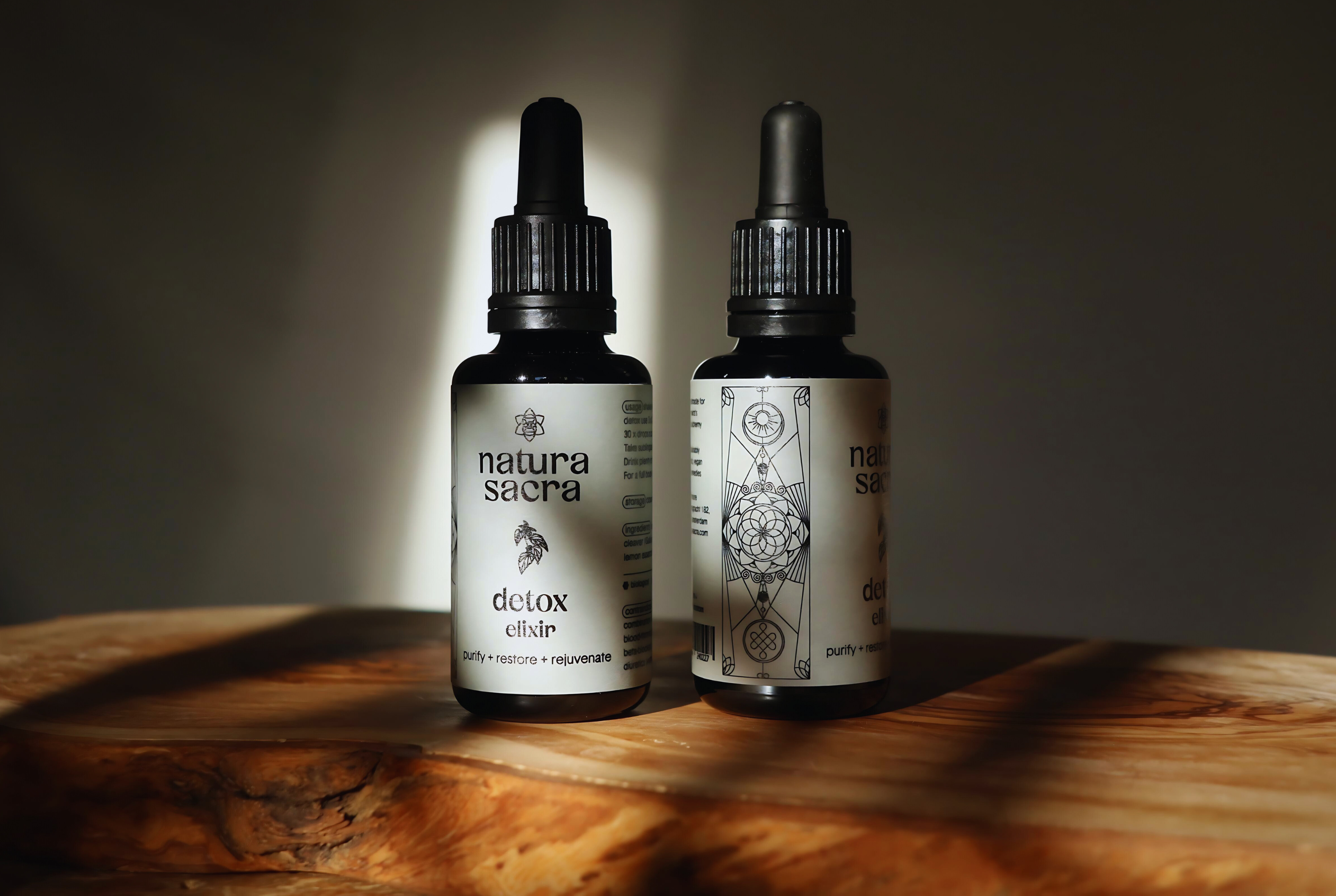
Natura Sacra’s sage tea menopause offering is crafted with respect for both tradition and current research. Each small batch uses carefully sourced sage, ensuring purity and a gentle profile suitable for daily use. Their approach highlights the importance of ritual, inviting you to make sage tea menopause a mindful part of your self-care routine.
Blending sage tea menopause with other wellbeing practices, such as gentle stretching or mindfulness, can help ease tension, support mood, and improve sleep quality. Take time to notice how your body responds, and enjoy the sense of calm this simple herb can offer.
If you have concerns about pregnancy, breastfeeding, epilepsy, or interactions with medications, consult a healthcare professional before adding sage tea menopause to your daily habits. Listen to your body, and remember that if symptoms persist or worsen, it’s important to seek further guidance.
Safety, Side Effects, and Who Should Avoid Sage Tea
Finding safe, natural support during menopause is a priority for many. Sage tea menopause routines have gained popularity, but understanding safety is essential for confident, informed choices.

Key Safety Considerations
When considering sage tea menopause routines, it is important to understand how sage tea differs from stronger extracts or essential oils. Sage essential oil contains highly concentrated thujone, which can be toxic in large amounts. By contrast, sage tea made from dried or fresh leaves contains much lower levels, making it a much gentler option for daily use.
Safe intake guidelines generally suggest up to three cups of sage tea per day, using one to two teaspoons of leaves per cup. Thujone content in tea is typically well below regulatory limits set by the European Food Safety Authority. Most people experience no side effects, though mild digestive upset or rare allergic reactions can occur. Long-term use of sage tea for menopause is considered safe for most, but regular breaks are a good idea.
For further reading on safe herbal use, see the Herbal safety guidelines provided by trusted sources.
Who Should Not Use Sage Tea
While sage tea menopause routines are gentle for many, some people should avoid it. Sage tea is not recommended during pregnancy or breastfeeding due to the lack of safety data. Individuals with a history of hormone-sensitive cancers, such as breast or ovarian cancer, should consult their doctor first.
People with epilepsy or seizure disorders should be cautious, as sage compounds may lower the seizure threshold. Those taking medications like anticonvulsants or sedatives should also seek medical advice before introducing sage tea. When in doubt, a quick chat with a healthcare professional can give peace of mind.
Myths, Misunderstandings, and Evidence Gaps
There are common misconceptions around sage tea menopause benefits and risks. Some believe herbal teas are always risk-free, but even natural remedies can cause side effects or interact with medicines. It is important to distinguish personal stories from clinical research. While traditional use is strong, human evidence for sage tea is still developing.
Quality matters, too. Always choose reputable sources for dried sage. For an evidence-based overview, visit the NCCIH overview of sage use and safety. Being informed helps you make the best choices for your body and wellbeing.
When to Stop, Monitor, and Seek Medical Advice
Navigating menopause is deeply personal, and knowing when to pause, reassess, or seek outside support is vital. While sage tea menopause routines can be a gentle ally, there are moments when listening to your body is the most important step. Here’s how to recognise if your herbal approach is still serving you, and what to do if it isn’t.
Recognising When Sage Tea Isn’t Enough
Sometimes, even the most nurturing sage tea menopause routine reaches its limit. If your symptoms are growing more intense, lasting longer, or new issues are cropping up, it’s time to pause and reflect. Herbal support is best for mild to moderate symptoms, and it’s wise to monitor for any unusual reactions.
Look out for these signs:
- Hot flushes or night sweats worsening over several weeks
- New symptoms like palpitations, dizziness, or headaches
- No improvement after four to six weeks of daily sage tea menopause use
- Any allergic reaction or digestive discomfort
If you’re unsure, reviewing the latest clinical insights, such as those found in this clinical study on sage extract for menopausal symptoms, may help you weigh your next steps. Remember, your wellbeing comes first.
When to Consult a Healthcare Professional
There are moments when self-care should give way to expert advice. If you experience persistent or severe symptoms, like heavy or unexpected bleeding, deepening low mood, or anxiety, it’s essential to speak with your GP or menopause specialist. Combining sage tea menopause with prescribed treatments, such as HRT, may require careful coordination.
You should also consult a professional if you have a personal or family history of hormone-sensitive conditions, or if you’re taking medications that might interact with herbs. Before your appointment, jot down your symptoms, what you’ve tried, and any questions you have. This helps ensure you get the support you deserve.
Tracking Progress and Adjusting Your Routine
Keeping a simple symptom diary can make a world of difference during menopause. Note the frequency, severity, and triggers of hot flushes, sleep quality, and mood changes. Adjust your sage tea menopause routine as needed—try brewing a stronger cup, changing the time of day, or pairing with calming herbs like lemon balm for extra sleep support.
Here’s a simple table to guide your tracking:
| Symptom | Frequency | Severity | Triggers | Notes |
|---|---|---|---|---|
| Hot flushes | ||||
| Night sweats | ||||
| Sleep quality |
Review your progress every four to six weeks, and stay open to new research or guidance. Combining herbal tea with gentle lifestyle shifts—fresh air, movement, and rest—can help you feel more in tune with your changing body.

As we’ve explored, sage tea offers a gentle way to support your body during the ups and downs of menopause, drawing on both tradition and early scientific insights. If you’re ready to turn this wisdom into a nourishing daily ritual, I’d love for you to discover even more ways plants can help you find balance.
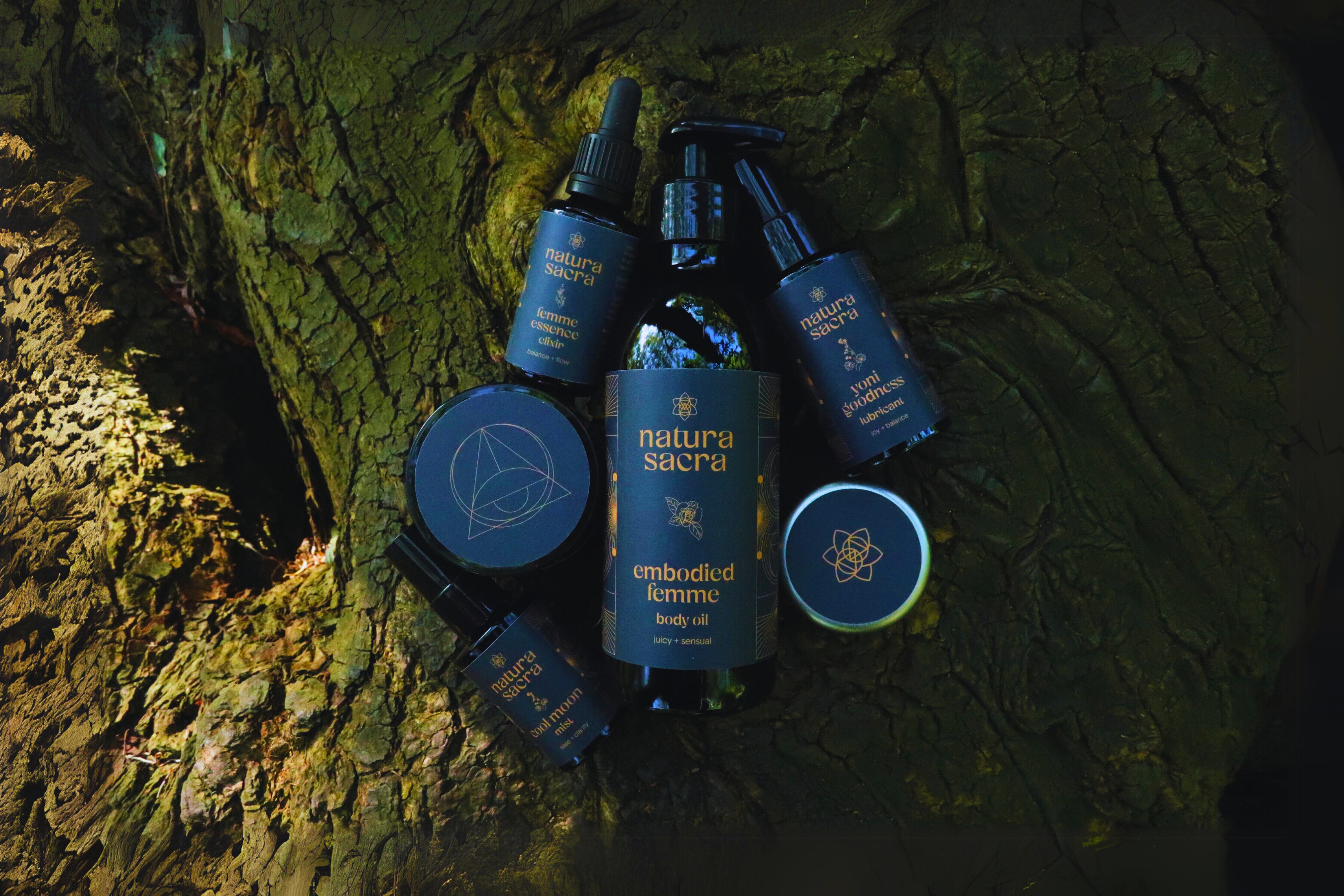
Our Women’s Wellness collection is created with care to support hormonal balance and overall wellbeing at different stages of your journey. Let’s keep this conversation going—explore our thoughtful blends and find what feels right for you:
Discover our Women's Wellness collection, created to support women’s hormonal balance and cycle wellbeing.
The Essential Sage Tea Menopause Guide - Download full PDF Guide