Ontdek 7 essentiële kruiden en planten voor medicatie in 2026 met deskundige begeleiding over traditionele toepassingen, wetenschappelijk onderzoek en veilige dagelijkse praktijken voor een betere gezondheid.
7 Essentiële Geneeskrachtige Kruiden

In heel Europa groeit de belangstelling voor plantaardige wellness snel, aangezien steeds meer mensen natuurlijke opties zoeken voor hun dagelijkse gezondheid. De wijsheid achter kruiden en planten voor medicijnen is niet nieuw, maar de relevantie ervan is sterker dan ooit, waarbij eeuwenoude traditie wordt vermengd met het nieuwste onderzoek.
Inzicht in welke kruiden en planten voor medicijnen er echt toe doen, kan u in staat stellen om weloverwogen keuzes te maken voor uw welzijn. In dit artikel leiden we u door zeven essentiële kruiden, waarbij we hun culturele wortels, wetenschappelijk bewijs en veilig dagelijks gebruik verkennen.
Laten we ontdekken hoe deze aloude planten uw pad naar holistische gezondheid in 2026 kunnen ondersteunen.
De kracht van kruidengeneeskunde in 2026
In heel Europa zijn we getuige van een opmerkelijke heropleving in het gebruik van kruiden en planten voor medicijnen. Deze hernieuwde belangstelling wordt gedreven door een verlangen naar duurzamere, holistische benaderingen van gezondheid, evenals een groeiend vertrouwen in beproefde remedies. Mensen wenden zich niet alleen uit traditie tot planten, maar ook omdat de moderne wetenschap hun voordelen steeds vaker valideert. Als u nieuwsgierig bent naar welke kruiden vandaag de dag het meest gewaardeerd worden, biedt onze gids Beste kruidenplanten voor wellness diepere inzichten in de topkeuzes die de wellness-trends bepalen.
Wat maakt deze beweging anders dan eerdere kruidenrevivals? In 2026 staat de integratie van traditionele plantenwijsheid met klinisch onderzoek centraal. De evoluerende nieuwe voedingsmiddelenregelgeving van de EU en duidelijkere etiketteringsnormen helpen er nu voor te zorgen dat kruiden en planten voor medicijnen zowel veilig als traceerbaar zijn. Consumenten kunnen zoeken naar certificeringen zoals biologisch en fair trade, en kleinschalige producenten zijn in trek vanwege hun aandacht voor inkoop en kwaliteit. Volgens de European Herbal & Traditional Medicine Practitioners Association groeide de vraag naar kruidensupplementen in 2024 met 12%, wat dit groeiende vertrouwen en de belangstelling voor natuurlijke oplossingen weerspiegelt (bron).
Kruidengeneeskunde is nu een belangrijke speler in preventieve gezondheid, stressmanagement, slaapondersteuning en hormonale balans. Mensen verweven kruiden en planten voor medicijnen in dagelijkse routines door middel van thee, tincturen en koken. Hier zijn praktische manieren om te beginnen:
| Methode | Voorbeeldgebruik | Tip |
|---|---|---|
| Thee | Kamille, brandnetel | Zachtjes trekken, kopje afdekken |
| Tinctuur | Ashwagandha, citroenmelisse | Gebruik een druppelaar, verdun met water |
| Culinair | Kurkuma, brandnetel | Toevoegen aan soepen of warme melk |
Onthoud, terwijl u deze opties verkent, dat geïnformeerd en verantwoord gebruik altijd veiliger en effectiever is dan zelfexperimenteren. Kies kwaliteitsbronnen, raadpleeg betrouwbare gidsen en luister naar uw lichaam terwijl u de wijsheid van kruiden en planten voor medicijnen in uw leven verwelkomt.

Hoe u medicinale kruiden veilig kiest en gebruikt
Het optimaal benutten van kruiden en planten voor medicijnen begint met het begrijpen hoe u ze veilig kiest, bereidt en gebruikt. Of u nu nieuw bent met kruidenremedies of uw kennis verdiept, aandacht voor inkoop, bereiding en veiligheid helpt u de beste resultaten te behalen en tegelijkertijd risico's te minimaliseren.
Kwaliteit en herkomst van kruiden begrijpen
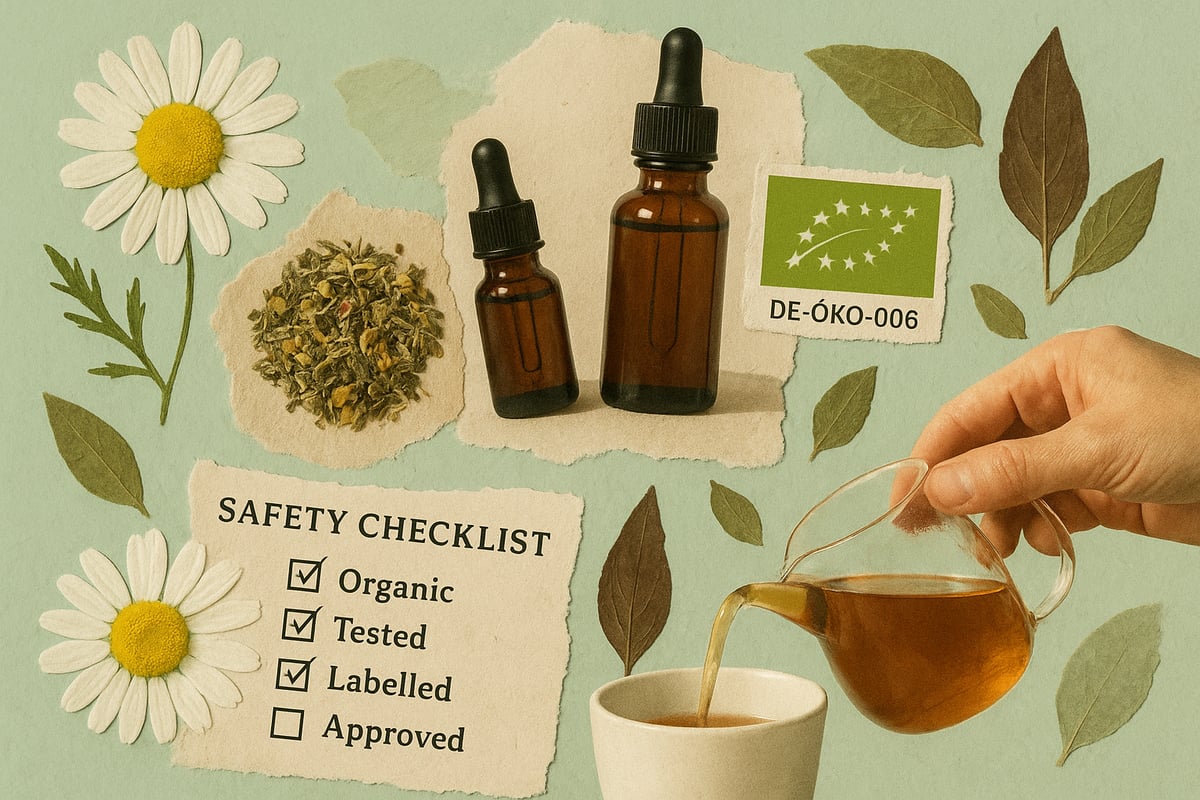
Bij het selecteren van kruiden en planten voor medicijnen is kwaliteit essentieel. Biologisch geteelde, kleinschalig geproduceerde en traceerbare kruiden behouden meer actieve verbindingen en bevatten minder ongewenste residuen. De bodem, de oogsttijd en zachte verwerkingsmethoden bepalen allemaal de potentie en veiligheid van een kruid.
Zoek in de EU naar duidelijke etikettering, biologische certificeringen en herkomstinformatie. Ambachtelijke producenten bieden vaak kamille aan die aromatischer en effectiever is dan massaproducten. Deze details zijn van belang, omdat ze zowel de smaak als de therapeutische waarde kunnen beïnvloeden.
Om de beste kruiden en planten voor medicijnen in te kopen, zoekt u naar gerenommeerde leveranciers die batchinformatie en transparante inkoop bieden. Dit geeft u meer vertrouwen in wat u in huis haalt.
Dosering, bereiding en praktisch gebruik
De manier waarop u kruiden en planten voor medicijnen gebruikt, kan net zo belangrijk zijn als de kruiden zelf. Kruidentheeën, tincturen, capsules en culinaire toepassingen bieden allemaal verschillende sterktes en absorptiesnelheden. Voor beginners is het verstandig om te beginnen met kleine, aanbevolen doseringen en deze vervolgens geleidelijk aan te passen naarmate u de reactie van uw lichaam observeert.
Traditionele methoden zoals langzaam trekken of lange infusies kunnen meer heilzame verbindingen extraheren, vooral voor wortels en schors. Bijvoorbeeld, het trekken van brandnetelthee gedurende 10-15 minuten verbetert het mineraalgehalte. Consistentie en ritueel – zoals elke avond genieten van een kalmerende thee – helpen uw lichaam na verloop van tijd te reageren.
Voor praktische tips over het veilig bereiden en opnemen van kruiden en planten voor medicijnen thuis, zie onze gids: Hoe medicinale planten thuis te gebruiken.
Veiligheid, contra-indicaties en interacties
Natuurlijk betekent niet altijd onschadelijk. Sommige kruiden en planten voor medicijnen kunnen interacties hebben met voorgeschreven medicijnen of zijn mogelijk niet voor iedereen geschikt. Sint-janskruid kan bijvoorbeeld de werking van bepaalde medicijnen beïnvloeden. Zwangere vrouwen, kinderen en mensen met chronische aandoeningen moeten extra voorzichtig zijn.
Betrouwbare veiligheidsinformatie is cruciaal. Betrouwbare bronnen zoals de NCCIH en EMA bieden actuele richtlijnen voor de veiligheid en contra-indicaties van kruiden. Raadpleeg bij twijfel een gekwalificeerde kruidendokter of zorgverlener voordat u begint met nieuwe kruiden en planten voor medicijnen.
Door prioriteit te geven aan kwaliteit, bereiding en veiligheid, kunt u met vertrouwen en gemoedsrust genieten van de voordelen van kruiden en planten voor medicijnen. Wij zijn er om uw reis te ondersteunen met vertrouwde bronnen en zorgvuldig samengestelde remedies.
7 essentiële kruiden en planten voor medicijnen in 2026
Terwijl we vooruitkijken naar 2026, verandert de hernieuwde belangstelling voor kruiden en planten voor medicijnen de manier waarop we voor ons welzijn zorgen. Hieronder verkennen we zeven aloude botanische middelen, die elk traditie en onderzoek overbruggen. Onze focus: hoe deze kruiden en planten voor medicijnen veilig en zinvol in het dagelijks leven kunnen passen.

1. Ashwagandha (Withania somnifera)
Traditioneel heeft ashwagandha gediend als een hoeksteen in de Ayurvedische geneeskunde, gewaardeerd om zijn adaptogene eigenschappen. In heel Europa krijgt het nu erkenning als een betrouwbare bondgenoot voor degenen die op zoek zijn naar kruiden en planten voor medicijnen die veerkracht kunnen ondersteunen in stressvolle tijden.
De wortel bevat withanoliden, verbindingen die bestudeerd zijn vanwege hun vermogen om de stressrespons van het lichaam te moduleren (PubMed). Onderzoek suggereert dat ashwagandha de stressbestendigheid kan verbeteren, de cognitieve functie kan ondersteunen en de slaapkwaliteit kan verbeteren (PubMed). In dagelijkse routines wordt het vaak genoten als thee, capsule of tinctuur, idealiter 's avonds geconsumeerd om ontspanning te bevorderen.
Wat veiligheid betreft, wordt ashwagandha over het algemeen goed verdragen, maar het wordt niet aanbevolen tijdens de zwangerschap of naast bepaalde schildkliermedicatie. Voor degenen die te maken hebben met moderne stress of burn-out, kan het combineren van ashwagandha met kalmerende rituelen 's avonds bijzonder aardend zijn.
2. Kamille (Matricaria recutita)
Kamille is een geliefd basismiddel in de Europese volksgeneeskunde, al lang gebruikt als een zachte kruidenthee om de spijsvertering te kalmeren en een rustgevende slaap te bevorderen. Voor iedereen die kruiden en planten voor medicijnen verkent, heeft kamille zijn reputatie voor kalmte ruimschoots verdiend.
De bloemen bevatten apigenine, een verbinding die interageert met GABA-receptoren in de hersenen, wat ontspanning ondersteunt (PubMed). Moderne studies geven aan dat kamille kan helpen milde angst te verminderen en spijsverteringsproblemen te verlichten. Om te genieten, laat u verse of gedroogde bloemen trekken voor een kalmerende thee, of breng het aan als een zacht huidkompres.
Over het algemeen veilig, moet kamille worden vermeden door mensen met allergieën voor de Asteraceae-familie. Het integreren van kamille in een nachtelijke routine kan een eenvoudige, effectieve manier bieden om ontspanning op natuurlijke wijze te ondersteunen.
3. Kurkuma (Curcuma longa)
De levendige goudgele kleur van kurkuma is bekend in Aziatische en Ayurvedische tradities, waar het wordt gekoesterd om zijn ontstekingsremmende eigenschappen. In de context van kruiden en planten voor medicijnen valt kurkuma op door zijn veelzijdigheid.
De belangrijkste verbinding, curcumine, is een krachtige antioxidant en is bestudeerd vanwege zijn rol in het ondersteunen van gewrichtscomfort en metabole gezondheid (PubMed). Onderzoek suggereert dat kurkuma kan helpen ontstekingen te moduleren en het algehele welzijn te ondersteunen. U kunt kurkuma gebruiken in gouden melk, als culinaire specerij (bij voorkeur met zwarte peper voor verbeterde opname), of in capsulevorm.
Hoewel over het algemeen veilig, kunnen hogere doses de bloedstolling beïnvloeden, dus mensen die antistollingsmiddelen gebruiken, moeten een professional raadplegen. Het toevoegen van kurkuma aan dagelijkse maaltijden biedt zachte, continue voordelen als onderdeel van een evenwichtige kruidenbenadering.
4. Citroenmelisse (Melissa officinalis)
Citroenmelisse is een geliefd kruid in vele Europese kloostertuinen, geroemd om zijn opbeurende aroma en zachte effecten op stemming en spijsvertering. Als u op zoek bent naar kruiden en planten voor medicijnen die zowel comfort als helderheid brengen, is citroenmelisse een prachtige keuze.
De belangrijkste verbinding, rozemarijnzuur, kan helpen stress te moduleren en cognitieve helderheid te ondersteunen (PubMed). Onderzoek suggereert dat citroenmelisse milde angst kan verlichten en kan helpen bij slaap. Traditioneel gebruik omvat verse bladeren in thee, tincturen of geïnfuseerde honing.
Citroenmelisse is over het algemeen veilig, hoewel mensen met schildklierproblemen advies moeten inwinnen voor gebruik. Voor meer informatie over de geschiedenis en het gebruik ervan, leest u onze blogpost Citroenmelisse: het kruid van vreugde en kalmte. Probeer het te mengen met munt voor een verfrissende dagelijkse infusie.
5. Mariadistel (Silybum marianum)
Mariadistel heeft een lange traditie in de Europese kruidengeneeskunde als een leverondersteunende plant, vooral gewaardeerd in tijden van verhoogde blootstelling aan gifstoffen. Onder kruiden en planten voor medicijnen wordt het vaak gekozen vanwege zijn specifieke werking op de levergezondheid.
De belangrijkste actieve verbinding, silymarine, is een groep flavonolignanen die bestudeerd zijn vanwege hun vermogen om levercellen te helpen beschermen en regeneratie te ondersteunen (PubMed). Onderzoek wijst op voordelen bij het ondersteunen van de leverfunctie en veerkracht. Voor praktisch gebruik worden gestandaardiseerde capsules of tincturen geprefereerd, aangezien theeën minder effectief zijn vanwege slechte extractie.
Mariadistel wordt door de meeste mensen goed verdragen, met slechts af en toe milde spijsverteringsklachten. Het is in de EU goedgekeurd voor traditioneel gebruik bij het behandelen van milde spijsverteringsklachten.
6. Brandnetel (Urtica dioica)
Brandnetel wordt in heel Europa veel geplukt, vooral in het voorjaar, wanneer de jonge bladeren worden gewaardeerd als tonicum voor vitaliteit en ijzerondersteuning. Voor degenen die geïnteresseerd zijn in kruiden en planten voor medicijnen die geworteld zijn in lokale traditie, biedt brandnetel nutritionele en therapeutische voordelen.
Rijk aan mineralen, vitamine C en ontstekingsremmende verbindingen, wordt brandnetel traditioneel gebruikt om gewrichtscomfort en de gezondheid van de urinewegen te ondersteunen (PubMed). Onderzoek suggereert dat brandnetel ook kan helpen milde hooikoorts symptomen te verminderen. Geniet van brandnetel als gekookte groente, in soepen of als voedende thee.
Behandel verse bladeren met handschoenen om steken te voorkomen, en mensen die gevoelig zijn voor nierstenen moeten voorzichtig zijn. Voor een diepere duik in de geschiedenis en het gebruik van brandnetel, leest u Brandnetel: De steek die geneest.
7. Lavendel (Lavandula angustifolia)
Lavendel wordt in heel Europa gekoesterd om zijn kalmerende aroma, waardoor het een favoriet is onder kruiden en planten voor medicijnen die worden gebruikt om een rustgevende slaap en emotionele balans te ondersteunen. Het gebruik ervan varieert van aromatherapie tot kruidentheeën en topische oliën.
De belangrijkste verbindingen van lavendel, linalool en linalylacetaat, hebben aangetoond het zenuwstelsel zachtjes te beïnvloeden en ontspanning te bevorderen (PubMed). Onderzoek suggereert dat lavendel milde angst kan verminderen en de slaapkwaliteit kan verbeteren. Geniet ervan in theeën, als een verdunde topische olie, of in avondaromatherapie-rituelen.
Essentiële olie mag niet worden ingenomen, en topisch gebruik kan bij sommigen irritatie veroorzaken. Het opnemen van lavendel in uw nachtelijke routine kan een gevoel van kalmte brengen, waardoor u het volledige potentieel van kruiden en planten voor medicijnen in het dagelijks leven kunt benutten.
Natura Sacra: zorgvuldig samengestelde kruidenremedies voor modern welzijn
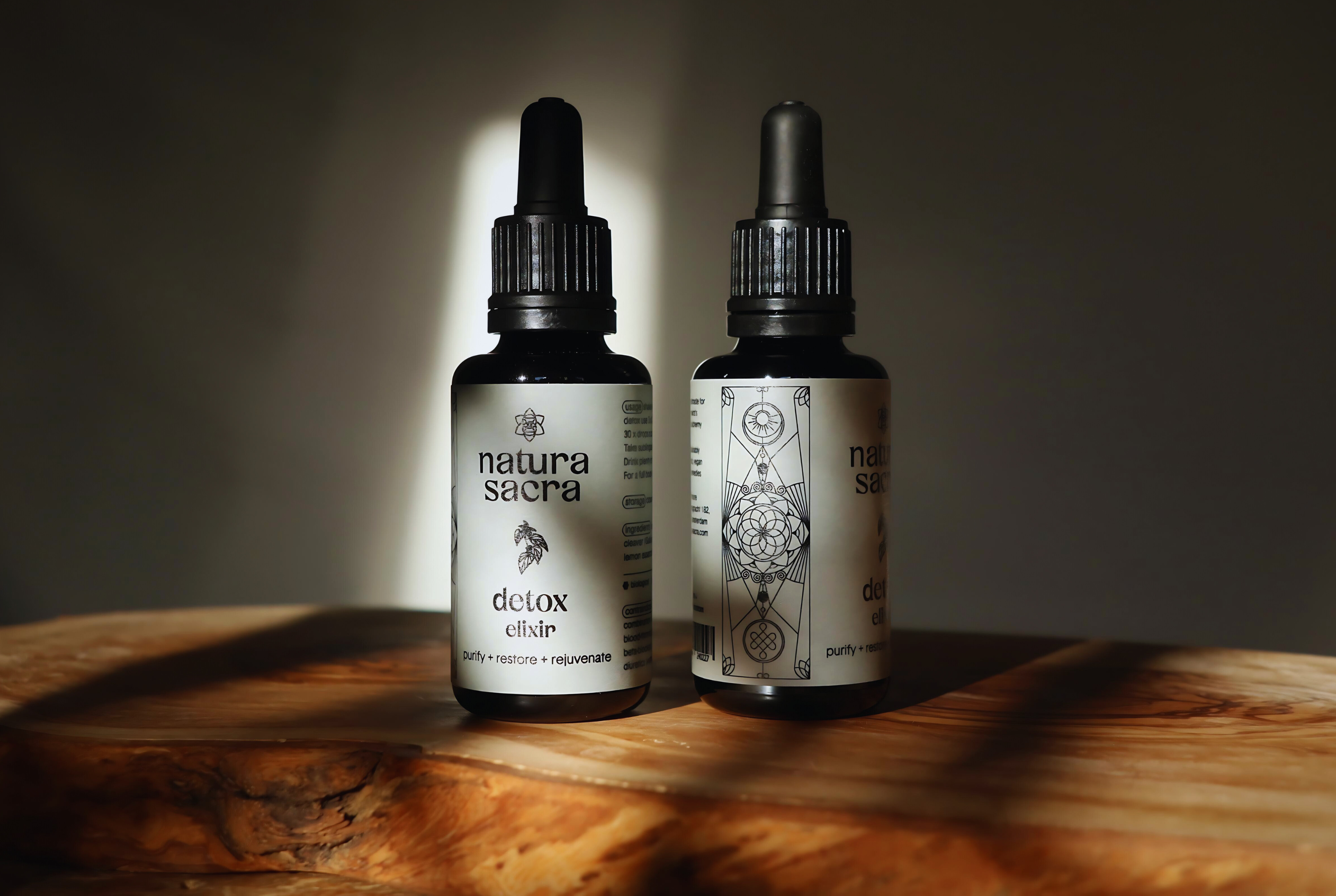
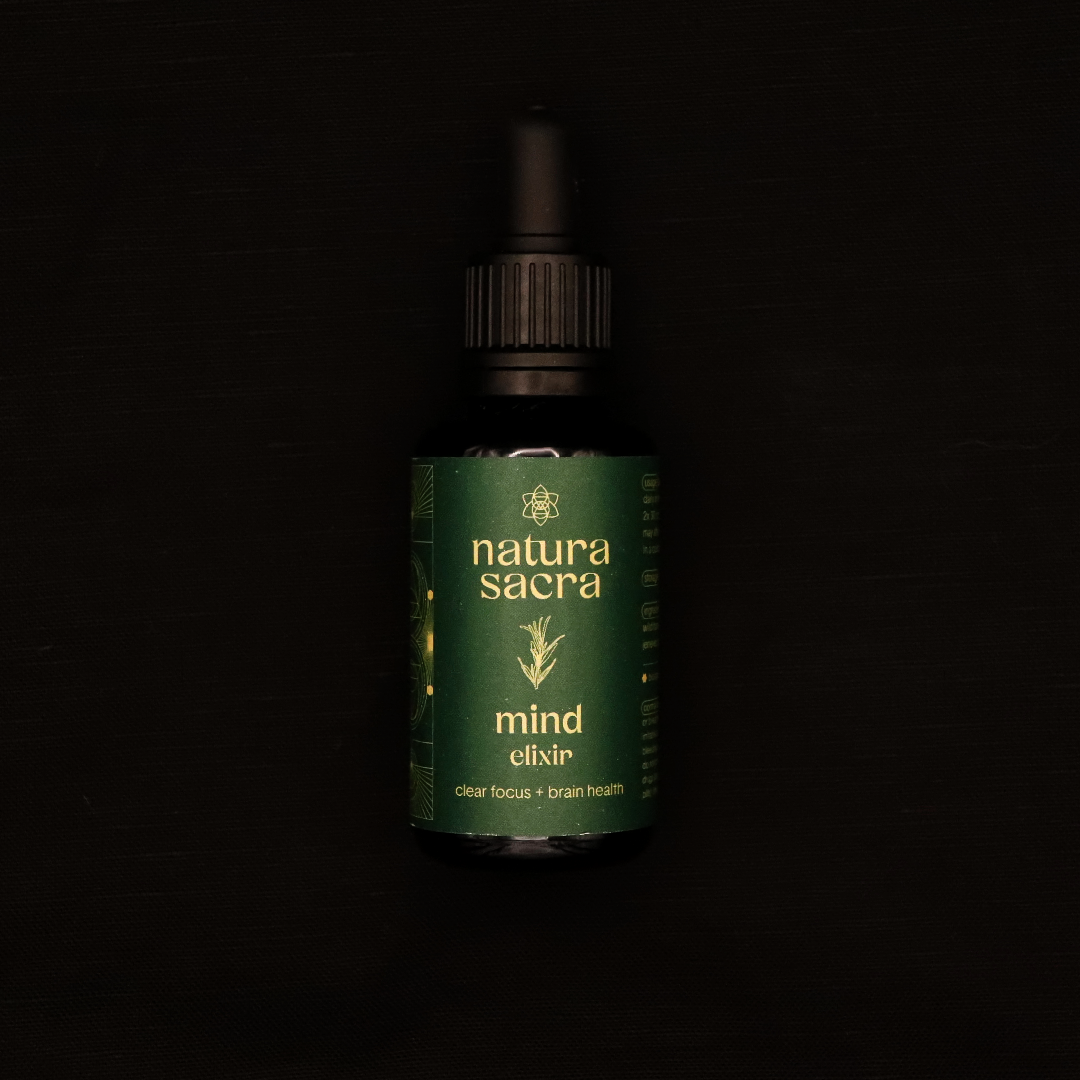
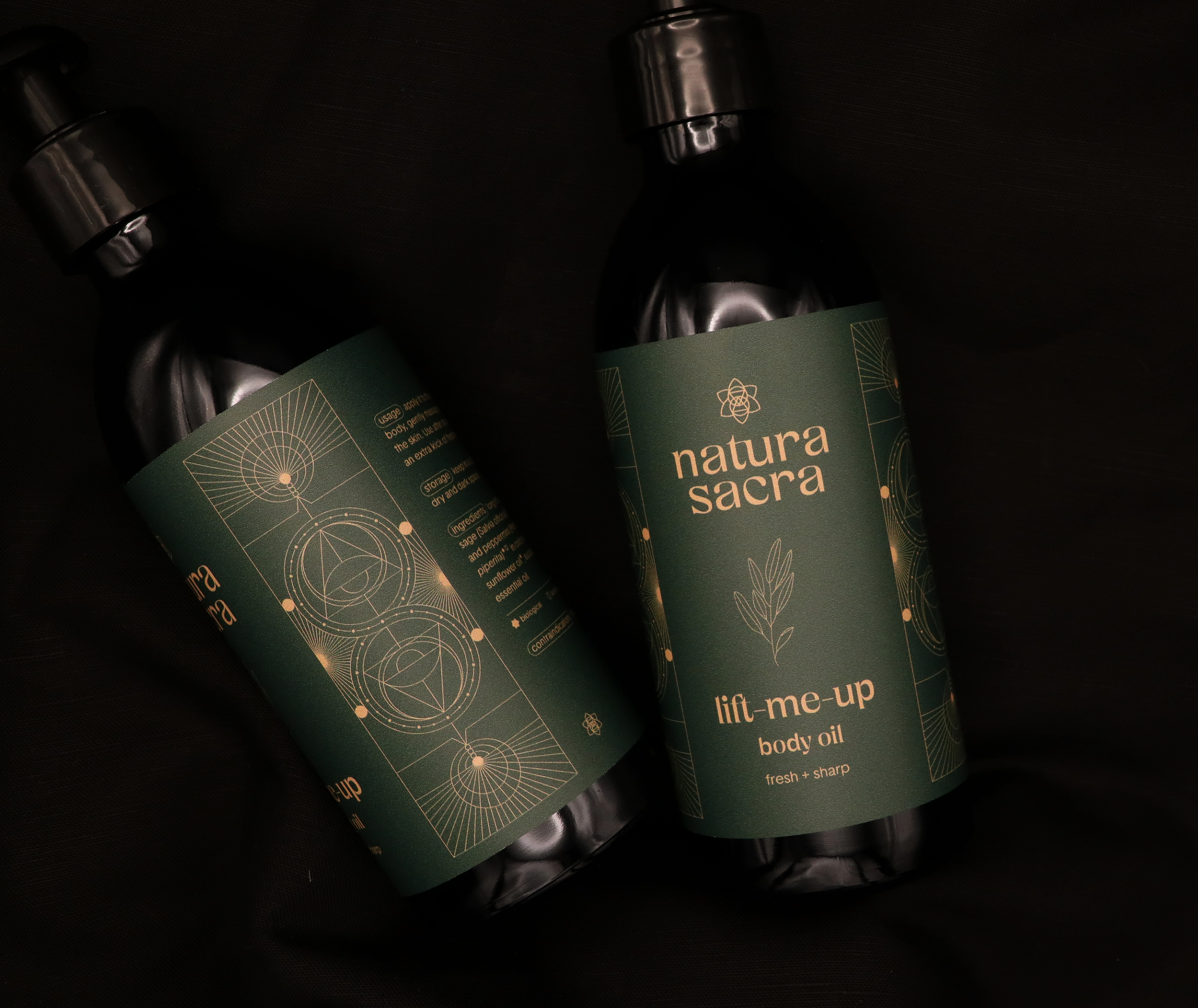
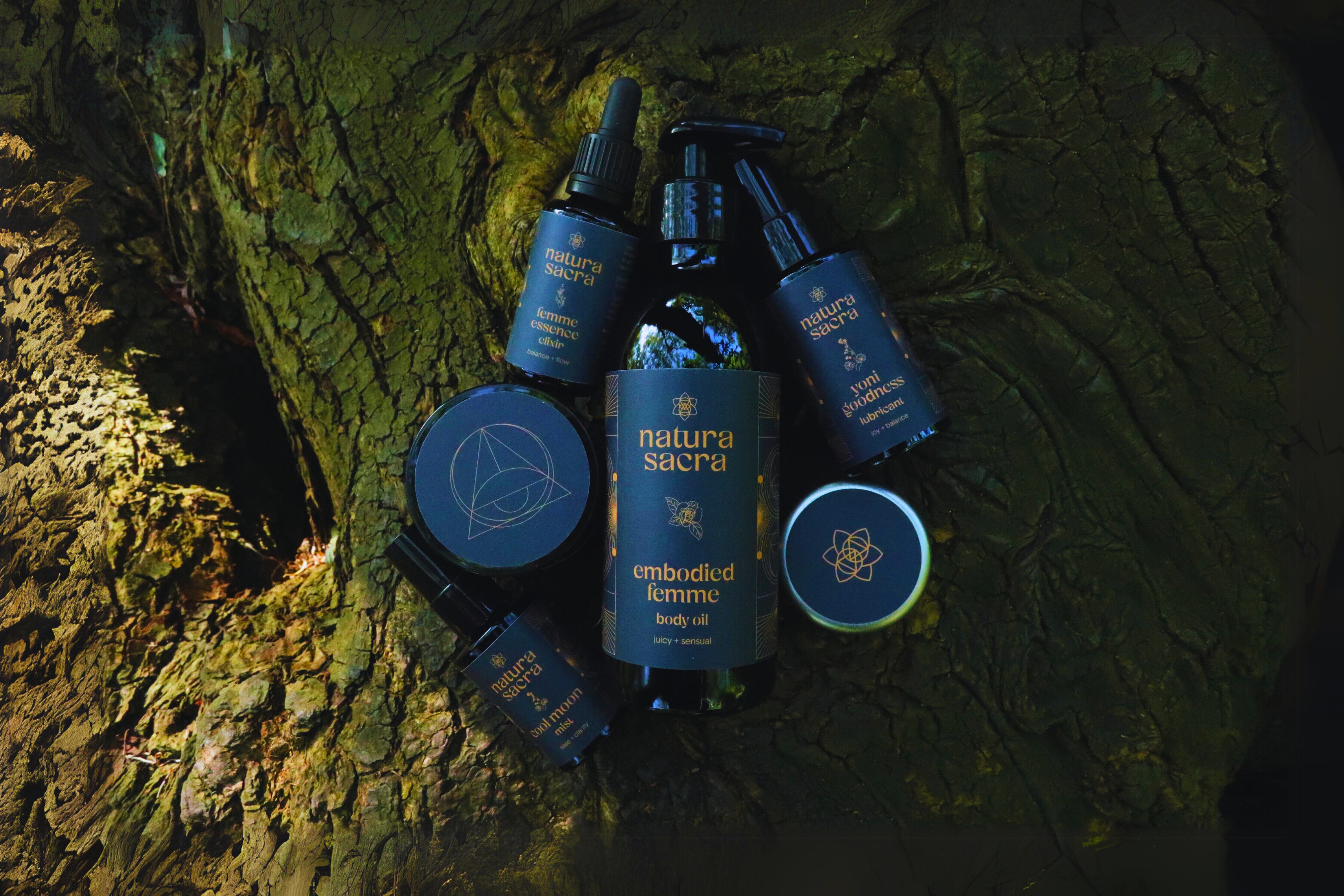
Bij Natura Sacra geloven we dat kruiden en planten voor medicijnen toegankelijk, effectief en geworteld moeten zijn in zowel traditie als wetenschap. Onze remedies worden handgemaakt in kleine batches, met behulp van biologisch geteelde botanische middelen uit onze eigen tuinen en van vertrouwde lokale telers in de EU.
We blenden zorgvuldig kruiden om slaap, stress, spijsvertering en hormonale balans te ondersteunen, waarbij we altijd prioriteit geven aan de unieke wellnessbehoeften van onze Europese gemeenschap. Ons ethos is eenvoudig: iedereen in staat stellen weloverwogen, veilige keuzes te maken over kruidengeneeskunde door middel van educatie en transparantie.
Om de potentie van onze kruiden en planten voor medicijnen te behouden, gebruiken we duurzame violetglazen verpakkingen. We bieden ook praktische middelen en begeleiding voor dagelijkse kruidenroutines, zodat u met elke kop of tinctuur meer vertrouwen krijgt.
Nieuwsgierig om meer te ontdekken? Ontdek onze zorgvuldig samengestelde blends en laat ons uw reis naar natuurlijk welzijn ondersteunen.
Zoals u hebt gezien, gaat het bij het begrijpen welke kruiden het belangrijkst zijn voor welzijn in 2026 om het combineren van tijdloze traditie met op onderzoek gebaseerde begeleiding. Als u geïnspireerd bent om meer van deze plantenwijsheid in uw dagelijks leven te brengen, hoeft u het niet alleen te doen. Wij zijn er om u te helpen kennis om te zetten in voedende rituelen, met remedies die zijn gemaakt om de natuurlijke ritmes van uw lichaam te ondersteunen – of u nu stress wilt verlichten, een rustgevende slaap wilt bevorderen of u gewoon op uw best wilt voelen. Als u nieuwsgierig bent om deze vertrouwde kruiden te verkennen in een vorm die bij uw levensstijl past, ontdek dan onze kleinschalige kruidenremedies die zijn gemaakt voor natuurlijk welzijn.