


Discover seven essential herbs to help with focus in 2026, blending tradition and new research for sharper clarity. Explore natural ways to support attention every day.
7 Essential Herbs To Help With Focus In 2026

Feeling overwhelmed by constant digital noise and mental fatigue? You are not alone. In 2026, finding sustained concentration in a world buzzing with distractions is tougher than ever.
Thankfully, nature offers a gentle way forward. For centuries, herbalists have turned to herbs to help with focus, blending traditional wisdom with emerging research. These time-honoured plants can support sharper thinking, calm nerves, and boost mental clarity.
In this guide, we will walk you through seven essential herbs—each with its own unique story and set of benefits. Whether you are a student, a creative, or simply seeking a clearer mind, you will discover natural allies for focus and clarity ahead.
The Science Behind Herbal Focus Support
In a world of constant digital chatter, many seek natural ways to sharpen their minds. The story of herbs to help with focus begins long before modern science, rooted in centuries of herbal wisdom and now illuminated by new research. Let’s explore how tradition and evidence work hand in hand to guide us toward greater clarity.
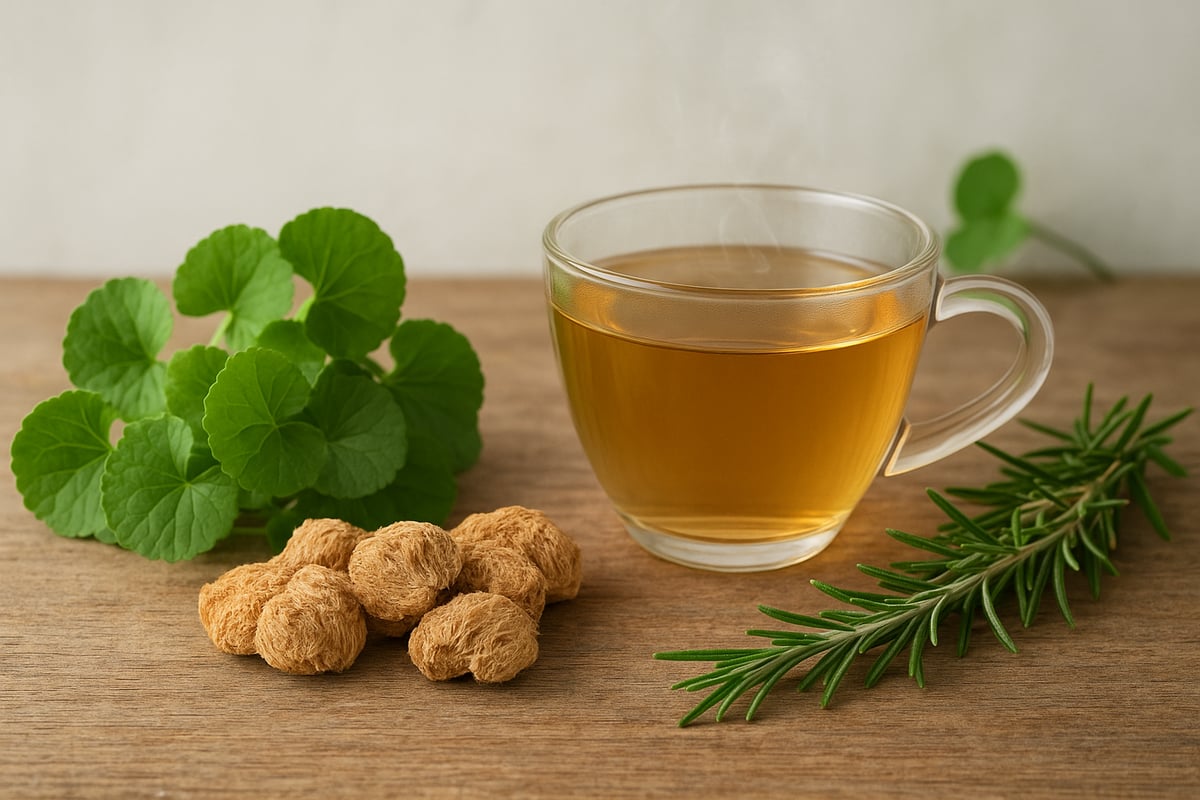
Traditional Wisdom Meets Modern Research
Herbalists across the globe have long turned to plants for mental clarity and sharper thinking. In Ayurveda, blends like Brahmi combine herbs to help with focus, while Chinese traditions revere Ginkgo and Gotu Kola for supporting memory and vitality.
Many of these herbs are classified as adaptogens or nervines. Adaptogens, such as Rhodiola, help the body manage stress and sustain mental energy. Nervines, like lemon balm, gently calm the mind without sedation, creating a steady foundation for attention.
Key active compounds in these herbs—terpenes, alkaloids, and polyphenols—are believed to interact with neurotransmitters, those tiny messengers that influence mood and cognition. For example, rosemary contains compounds that may support acetylcholine pathways, vital for learning and memory (source).
Whether sipped as tea, diffused as oil, or taken as tincture, these time-honoured preparations show how tradition and nature unite to support our quest for focus.
What Does the Research Say in 2026?
Recent years have seen a surge in scientific interest around herbs to help with focus. Clinical trials and meta-analyses have looked at how certain plant extracts affect attention span, working memory, and mental stamina.
Findings are promising. Some studies report noticeable improvements in tasks requiring sustained concentration and mental agility. For example, systematic reviews of randomised controlled trials highlight that natural extracts, including several traditional herbs, can enhance cognitive performance in both younger and older adults. You can read more in this systematic review and meta-analysis of natural compounds enhancing cognitive function.
However, it’s important to remember that many studies are still small or short-term. Not all results are consistent, and individual responses vary. Even so, the emerging evidence gives hope to those exploring herbs to help with focus alongside mindful lifestyle changes.
Safety and Everyday Use Considerations
Choosing herbs to help with focus means considering quality, dosage, and your personal needs. Always look for reputable sources and, when possible, organic or wildcrafted options.
Some herbs may interact with medications or aren’t suitable during pregnancy, childhood, or for those with certain health conditions. For example, Ginkgo can affect blood-thinning medicines, while others may cause mild digestive upset.
It’s wise to start low and go slow, noting how your body responds. If you’re unsure, consult a qualified herbalist or healthcare provider. Remember, herbs to help with focus are most effective when used with care and respect for both tradition and science.
7 Essential Herbs To Help With Focus In 2026
Finding reliable herbs to help with focus can feel like searching for clarity in a foggy landscape. The beauty of herbal wisdom is that it bridges centuries of lived experience with growing modern research. Let’s explore seven remarkable plants—each with its own story, science, and practical tips—trusted by herbalists and now backed by studies for their ability to support attention, memory, and mental stamina.
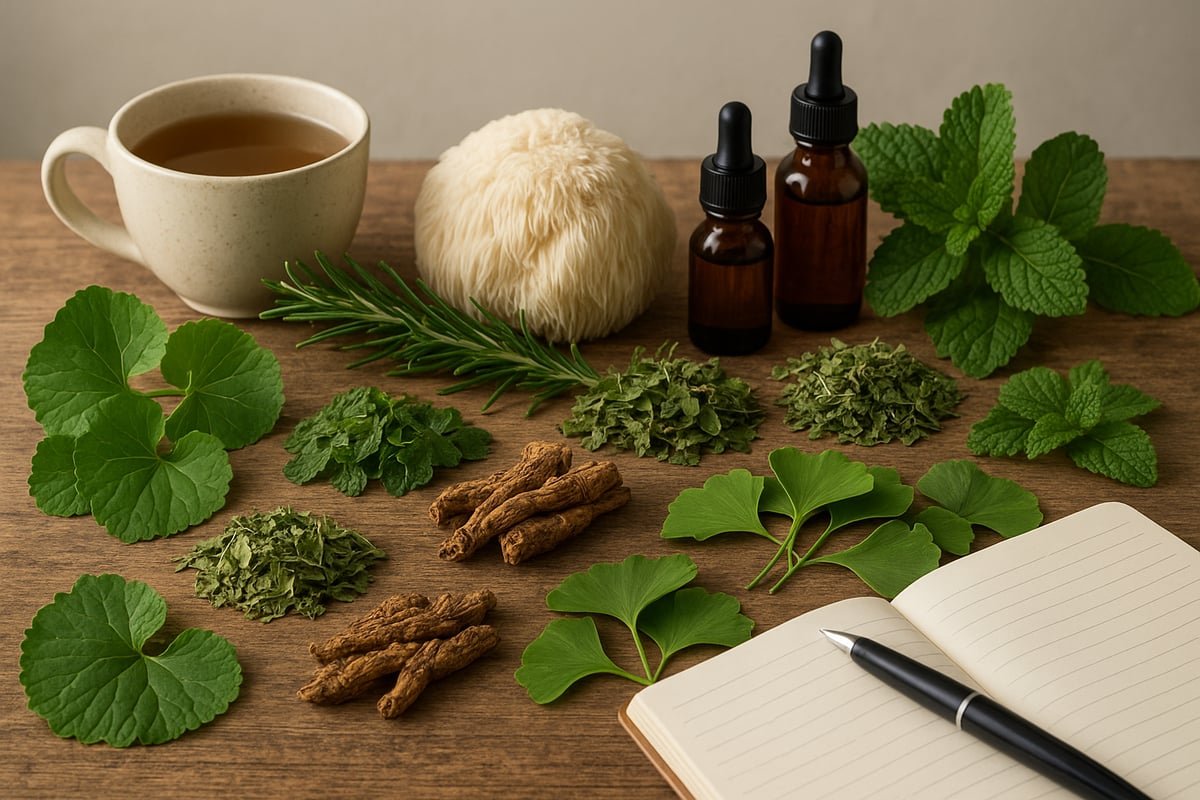
1. Gotu Kola (Centella asiatica)
Across South Asia and beyond, Gotu Kola has earned a reputation as one of the most revered herbs to help with focus. In Ayurveda and Traditional Chinese Medicine, it’s cherished for sharpening the mind and nourishing the spirit.
What makes Gotu Kola so special? Its active compounds, such as asiaticoside and madecassoside, support healthy blood flow and protect nerve cells. These effects are thought to enhance memory and overall cognitive function.
Modern studies back up what herbalists have long observed. Research points to improved cognitive performance and reduced anxiety in adults who regularly use Gotu Kola (source). This gentle herb can be enjoyed as a tea, tincture, or even tossed fresh into salads for a daily boost.
Most people tolerate Gotu Kola well, but those with liver conditions should exercise caution. For students, knowledge workers, or anyone seeking a gentle lift in clarity, this plant stands out among herbs to help with focus.
2. Rosemary (Rosmarinus officinalis)
Rosemary is more than a fragrant kitchen staple. In Mediterranean cultures, it symbolises remembrance, and for good reason. It’s one of the most accessible herbs to help with focus, often used to refresh the mind and clear away mental cobwebs.
The secret lies in compounds like rosmarinic acid and carnosic acid, which support antioxidant defences and help maintain healthy levels of acetylcholine, a key neurotransmitter for learning. Inhaling rosemary oil has been shown to improve speed and accuracy on mental tasks (source).
You can easily weave rosemary into your daily routine—add it to meals, brew it as an infusion, or diffuse its essential oil during periods of study or work. It’s wise to avoid ingesting large amounts of the oil and to use caution during pregnancy.
A simple sprig by your desk or a whiff from an oil diffuser can make rosemary one of the most practical herbs to help with focus.
3. Lion’s Mane Mushroom (Hericium erinaceus)
Lion’s Mane may look unusual, but its effects on the mind are far from ordinary. Traditional East Asian medicine has long valued this mushroom for supporting brain and nerve health.
What sets Lion’s Mane apart among herbs to help with focus is its ability to promote the production of nerve growth factor (NGF). This protein helps protect brain cells and supports learning and memory.
Early human trials suggest that Lion’s Mane can improve memory and focus in adults (source). Many enjoy it as a powdered supplement, stirred into coffee or tea, or taken in capsules.
Allergy is rare, and most people find Lion’s Mane gentle on the system. It’s particularly valued by midlife professionals, older adults, and anyone seeking long-term cognitive support from herbs to help with focus.
4. Bacopa Monnieri
Bacopa, known as Brahmi in Ayurveda, is a star in traditional blends for scholars and meditators. It’s one of the classic herbs to help with focus, long used to steady the mind and build resilience against stress.
Bacopa’s bacosides support memory formation and help the brain adapt to pressure. This adaptogenic quality makes it especially popular during exam season or periods of intense concentration.
Meta-analyses of Bacopa show improvements in attention and cognitive processing speed (source). Bacopa is often taken as a standardised extract or brewed as tea. Start with a low dose to avoid mild digestive upset.
For students, high-pressure professionals, or anyone facing mental overload, Bacopa stands out among herbs to help with focus.
5. Peppermint (Mentha × piperita)
Peppermint has a long history as a pick-me-up for tired minds. Across Europe and the Middle East, it’s one of the most invigorating herbs to help with focus, valued for its bright aroma and flavour.
Menthol, the main compound in peppermint, stimulates the senses and can gently lift mood. Aromatherapy and teas made from peppermint have been linked to improved sustained attention in studies (source).
Try fresh peppermint leaves in water, a soothing tea, or a few drops of essential oil for an instant mental reset. Be mindful with concentrated oils, especially if you have reflux.
Sipping peppermint tea before a task is an easy, enjoyable way to experience the benefits of herbs to help with focus.
6. Ginkgo Biloba
Ginkgo is a living fossil among herbs to help with focus, with roots in ancient Chinese medicine. Its fan-shaped leaves have supported memory and mental clarity for countless generations.
The magic comes from compounds that support blood flow to the brain and act as antioxidants. Ginkgo has shown modest benefits for working memory and executive function in meta-analyses (source).
Ginkgo is available as capsules, tinctures, or teas. Those on blood thinners should consult a healthcare provider before use.
For older adults or anyone noticing sluggish thinking, Ginkgo is a time-tested addition to the array of herbs to help with focus.
7. Rhodiola Rosea
Rhodiola hails from the mountains of Siberia and Scandinavia, where it’s been used for centuries to build resilience and mental stamina. Among herbs to help with focus, Rhodiola is prized for its adaptogenic support in times of stress.
Its active compounds help the brain adapt to fatigue and support clarity under pressure. Recent studies show that Rhodiola can improve attention and reduce mental fatigue, especially during stressful periods (source).
Rhodiola is typically taken as a standardised extract or brewed as a tea. Some may feel overstimulated, so start with a small dose.
Busy professionals and students facing demanding schedules often turn to Rhodiola when seeking reliable herbs to help with focus. For a deeper dive into which plants truly support focus and attention, you might enjoy this evidence-informed guide on herbs for ADHD and focus.
Integrating Focus Herbs Into Daily Life
Creating space for herbs to help with focus in your daily rhythm can be both grounding and transformative. Consistency is key, and even simple rituals can unlock the best from these plants.
Creating Personal Herbal Rituals
Herbs to help with focus work best when woven into a daily routine. Start small—a morning tea with gotu kola, a rosemary sprig on your desk, or a midday tincture. Culinary herbs like rosemary and peppermint can lift both meals and mood.
Try building a ritual around a specific herb or blend. For inspiration, explore the body-brain connection with Ginkgo & Rosemary to see how these classics can fit into your day. Over time, these simple habits become anchors for mental clarity.
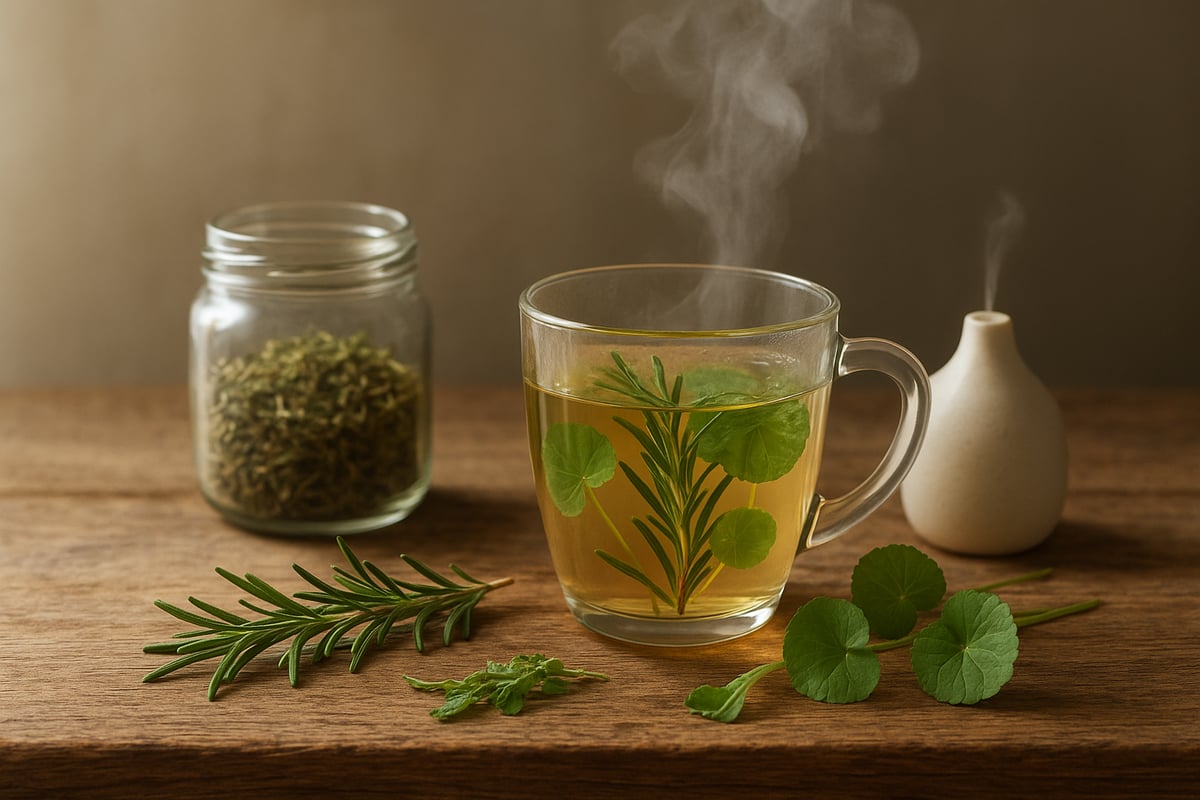
Mindful Approaches for Maximum Benefit
Pairing herbs to help with focus with mindful habits can amplify their effects. Take a moment to set an intention before sipping your herbal brew, or pause to breathe in the scent of rosemary oil.
Create a calm, distraction-free workspace and consider journaling your experiences with different herbs. Over time, you’ll notice which rituals best support your mental clarity.
Combining Herbs With Lifestyle Changes
Herbs to help with focus are most powerful alongside healthy sleep, movement, and nourishing meals. A balanced lifestyle, regular breaks, and digital boundaries all contribute to sharper focus.
Let your herbal rituals become part of a holistic toolkit for sustained mental energy.
Who Should Consider Focus Herbs?
Who actually benefits from herbs to help with focus? The answer is broader than you might think. Students facing long study sessions, busy professionals juggling deadlines, creative minds working on new projects, and older adults aiming to stay sharp—all may find value in these gentle, time-honoured plants.
If you notice brain fog, find your thoughts wandering, or struggle to concentrate on tasks, you are not alone. Many people today experience mental fatigue or distractibility, especially in a world full of digital interruptions. These are clear signs you might explore herbs to help with focus as part of your daily routine.
You might wonder when to reach for herbal support instead of, or alongside, conventional options. Herbs to help with focus are often chosen for their gentle, gradual effects and their ability to complement lifestyle changes. For some, they are a first step before considering stronger interventions. For others, they work alongside established routines, supporting clarity without unwanted side effects. If you are curious about how plants might sharpen your mind, you can read more in Can plants make you smarter?.
Choosing the right herbs to help with focus depends on your constitution, needs, and the traditions you resonate with. Some people respond best to adaptogens, while others benefit from nervines or aromatic herbs. It can be helpful to start with one or two options, track your experience, and adjust as needed.
Safety is key. Herbs to help with focus are generally well-tolerated, but everyone is unique. Be mindful of possible interactions with medication, health conditions, age, or pregnancy. When in doubt, consult a knowledgeable practitioner. If you are interested in the broader science, systematic reviews like Herbal medicine's efficacy on cognitive function offer a deeper look at the research landscape.
Finally, remember that herbs to help with focus work best as part of a holistic toolkit. They can support clarity and attention, but true focus blossoms when paired with good sleep, nutrition, movement, and mindful digital habits. Approach them as gentle allies on your path to mental clarity.

Now that you’ve got a feel for how these seven herbs can gently sharpen your focus and help you find clarity in our always on world, why not explore practical ways to bring their wisdom into your daily life? Whether you’re curious about mindful tea rituals, natural aromatherapy, or the best blends for productivity, we’ve gathered even more inspiration, tips, and plant lore on our blog. Let’s keep learning together and discover how centuries old remedies can support your wellbeing in 2026 and beyond.
Explore more rituals and plant wisdom on our blog