

Discover the holistic women guide for 2026 blending research and timeless wisdom for mind body and spirit Practical rituals nutrition herbal tips and empowered wellbeing await
Holistic Women Guide: Embrace Wellness in 2026

What if 2026 could be your most vibrant, balanced year yet? Across the world, holistic women are embracing a new wave of wellness, weaving together mind, body, and spirit in daily life. This guide is here to help you join that movement, offering grounded, research-backed advice for nurturing every part of yourself.
We will explore how nutrition, joyful movement, hormonal balance, emotional wellbeing, herbal wisdom, and simple rituals can support you at every stage. Ready to feel empowered, informed, and inspired? Step into the world of holistic women’s wellness, and discover practical steps to create lasting change.
The Foundations of Holistic Women’s Wellness in 2026
What does it really mean for holistic women to thrive in 2026? At its heart, holistic wellness is about nurturing every facet of a woman’s being—physical, emotional, mental, and spiritual. Instead of simply managing symptoms, holistic women’s care seeks to understand the root causes of imbalance, honouring the whole person and her unique story.
Across the UK and beyond, there’s a growing shift away from one-size-fits-all healthcare. The NHS and the US National Institutes of Health both recognise the value of looking beyond isolated issues to support women as whole individuals. This approach considers not just biology, but also how culture, environment, and daily life shape each woman’s health choices and outcomes.
Modern holistic women’s wellness is deeply collaborative. Nutritionists, herbalists, therapists, and medical professionals often work together, creating a circle of support. Recent data shows that over 70% of women now seek integrative wellness solutions, blending conventional medicine with natural and lifestyle-based approaches (source). This trend reflects a desire for care that feels empowering and personal.
What shapes a holistic women’s experience? Culture, family traditions, access to green spaces, and community support all play a role. Environmental factors—like air quality or access to nutritious foods—can impact wellbeing as much as genetics or age. That’s why true holistic care is inclusive, welcoming women of all backgrounds, body types, and needs.
Holistic women’s wellness is for every life stage. Whether navigating puberty, preparing for motherhood, moving through menopause, or embracing elderhood, this approach adapts to meet changing needs. For example, integrated women’s health services within the NHS are beginning to offer nutrition guidance, emotional support, and herbal options alongside standard care.
Ultimately, holistic women’s wellness is about more than avoiding illness. It’s about cultivating resilience, self-awareness, and a sense of belonging—so every woman can flourish on her own terms.
Nourishment: Food, Herbs, and the Modern Woman
What does it truly mean to nourish yourself as a modern woman in 2026? The landscape of holistic women’s wellness is changing, with many seeking food and herbal choices that are not only sustainable, but also deeply personal. No longer is nourishment just about following the latest diet, it is about tuning in to what your body, mind, and spirit need at every stage.
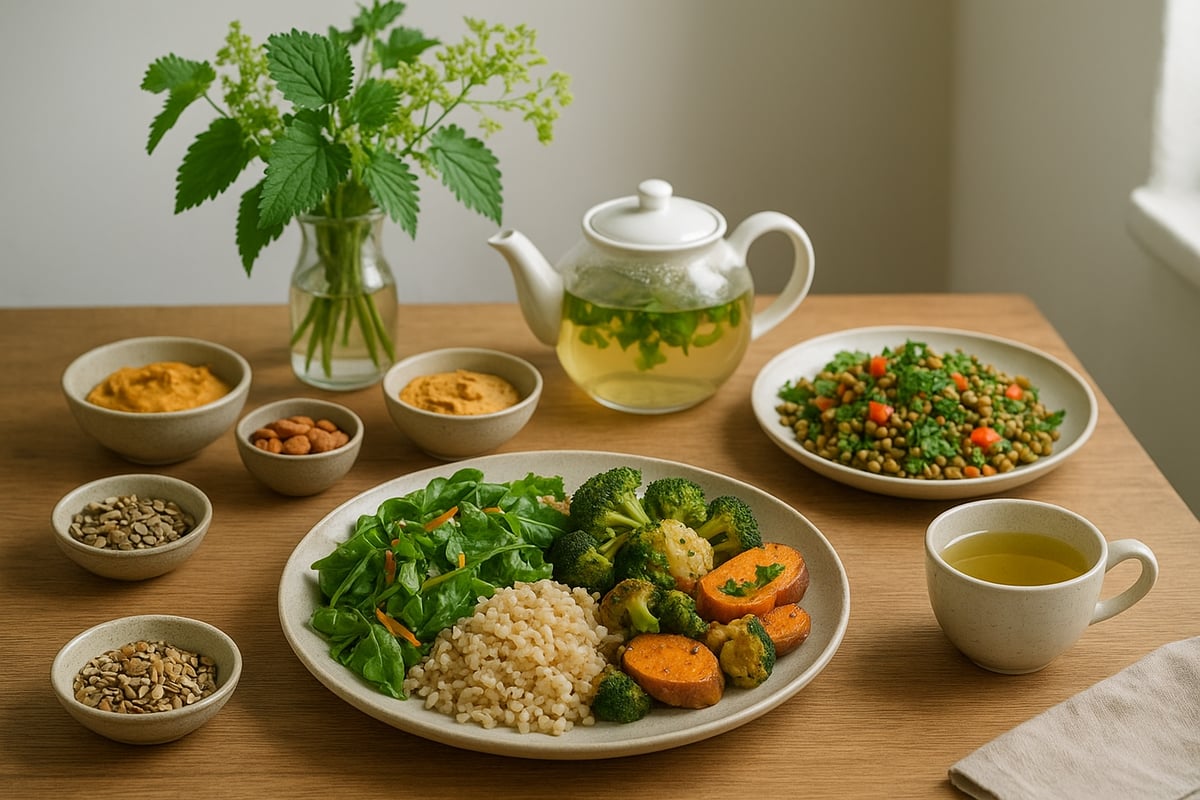
Balanced nourishment starts with understanding your essentials. Carbohydrates, healthy fats, and quality protein are the building blocks for energy and hormonal balance. Micronutrients like magnesium, B vitamins, and zinc are vital for mood, metabolism, and longevity. For holistic women, food is more than fuel—it is medicine, ritual, and tradition. Plant-based eating continues to rise, not as a trend, but as a conscious choice for hormonal health and environmental care. Adaptogenic herbs such as ashwagandha and nettle have long been woven into daily routines, while lady’s mantle is celebrated by herbalists for its gentle support of women’s cycles.
Science backs up these traditions. Diets rich in colourful fruits, vegetables, and phytonutrients are linked to a 30% lower risk of chronic disease, according to recent NIH data (NIH, 2023). Adolescent girls, women in their reproductive years, those navigating menopause, and elders all have unique nutritional needs. For example, iron and calcium support changing bodies, while omega 3s and vitamin D help maintain cognitive and bone health throughout life. The key for holistic women is to honour these shifts and adapt nourishment with awareness.
Gut health is now recognised as a cornerstone of holistic women’s wellbeing. Fermented foods like live yoghurt, kimchi, and kefir, alongside fibre-rich prebiotics, feed not only your microbiome but also your mood and immunity. Intuitive nourishment is about listening—pausing to notice hunger, satisfaction, and the subtle cues your body offers. If you are curious about how gut, skin, and emotional balance intertwine, this guide on the gut, skin, and mood connection offers a gentle introduction.
Practical rituals make all the difference. Batch-cook a nourishing stew on Sundays, sip mineral-rich nettle tea as an afternoon reset, or try a five-minute mindful eating pause before your evening meal. For holistic women, nourishment is an act of care—personal, flexible, and rooted in both tradition and research.
Movement and Body Connection: Beyond Exercise
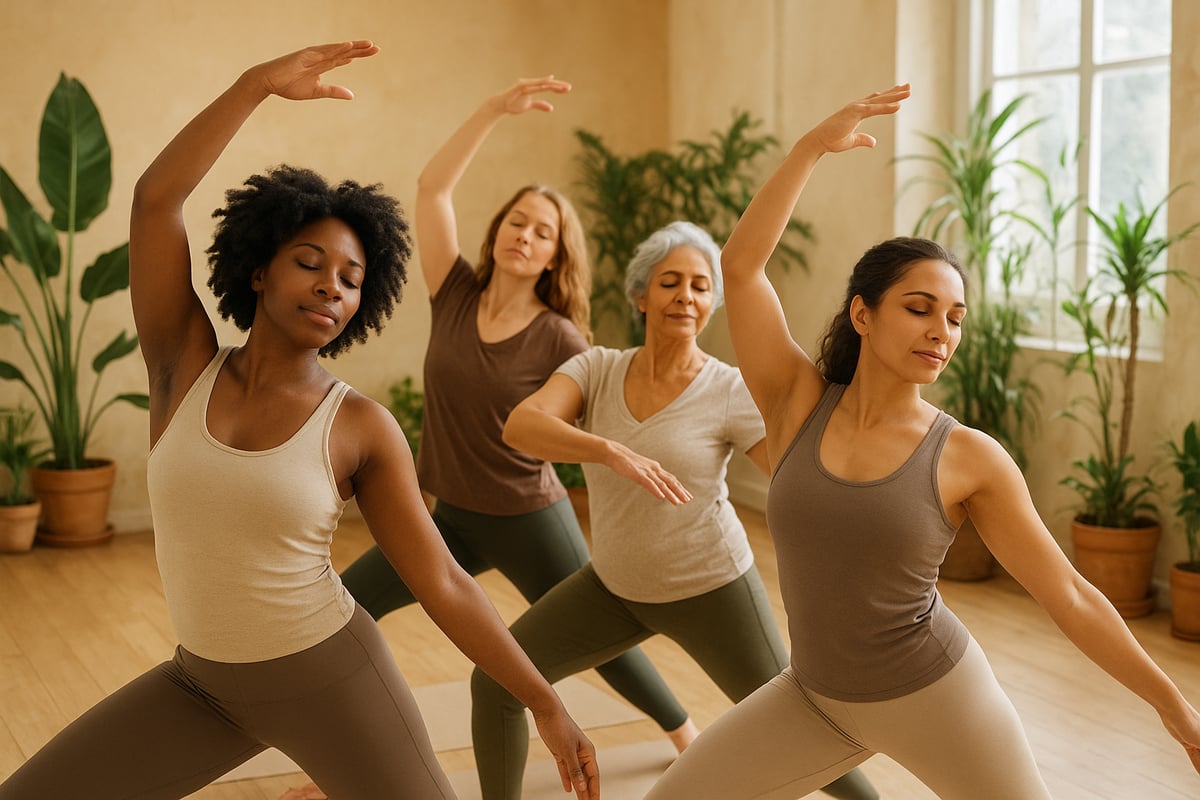
What if movement could be more than just exercise? For holistic women in 2026, movement is about joyful living, not ticking off steps or sweating through routines. It is a daily opportunity to reconnect with the body, tune into its needs, and honour its rhythms—whether through a slow morning stretch, a lunchtime walk, or a favourite dance track in the kitchen.
Modern research now recognises that varied, intuitive movement supports bone density, heart health, and mental wellbeing. The NHS recommends 150 minutes of moderate activity each week, which can lower cardiovascular risk and sharpen cognition. For holistic women, the real magic lies in mixing things up: gentle yoga one day, a brisk walk the next, or a playful swim when energy allows.
Movement is not just about physical health, though. It is a powerful ally for hormonal balance, supporting menstrual cycles, fertility, and easing transitions like menopause. Activities like mindful breathwork, body scan meditations, or even free-form dancing help regulate the nervous system, easing tension and inviting calm. According to the NIH, women who blend aerobic and strength-based movement report 40 percent greater life satisfaction—proof that variety nourishes body and spirit.
Incorporating movement into a busy life can feel daunting, but small rituals make it sustainable. Try parking farther from the shop, taking the stairs, or setting a gentle reminder to stretch each hour. For those craving deeper connection, plant-based rituals and mindful movement can anchor the day. The rituals for holistic wellbeing guide offers simple ways to weave movement and nature together, supporting holistic women as they come home to themselves.
Most importantly, honour your body’s changing needs. Rest and recovery are not luxuries—they are vital parts of the wellness cycle. Listen, adapt, and celebrate each step, knowing that for holistic women, movement is a lifelong conversation with self, not a race to the finish.
Hormonal Balance and Life Transitions
Hormones are the quiet architects of a woman’s life, shaping everything from energy and mood to metabolism and sleep. The journey of hormonal balance is not linear. For holistic women, understanding these rhythms is the first step towards empowered self-care.
From puberty’s first stirrings, through the fertile years, pregnancy, perimenopause, menopause, and elderhood, hormones ebb and flow. Each stage brings its own gifts and challenges. Puberty can spark emotional storms and body changes. Reproductive years may introduce cycles, fertility concerns, or conditions like PCOS and endometriosis. As women approach perimenopause and menopause, symptoms like hot flushes, sleep shifts, and weight changes often arise. In fact, research shows that 70% of women experience metabolic shifts or weight gain during menopause (NIH, 2023).
The impact of these changes goes beyond the physical. Mood, memory, libido, and even relationships can feel their ripple effects. For holistic women, tuning in to these signals is a form of self-respect. Instead of seeing symptoms as enemies, many now view them as messages calling for deeper nourishment and support.
A holistic women approach blends nutrition, movement, stress management, and gentle herbal allies. Eating for hormonal balance means focusing on whole foods, healthy fats, and phytonutrients. Movement, whether yoga, dance, or walking, keeps energy flowing and bones strong. Mindful rituals—like a calming cup of nettle tea or evening reflection—offer steadiness through change.
Herbal traditions have long supported women’s cycles and transitions. Chasteberry, red clover, and adaptogens like ashwagandha are often chosen for their balancing properties. Modern research is catching up, revealing how these plants may ease discomfort or support hormonal harmony. For practical tips on nutrition, supplements, and lifestyle support, you might explore Hormone Harmony: Signs, Benefits & Support Tips.
Personalised care is vital. What works for one may not suit another. Regular screenings—like cervical smears, breast checks, and bone density scans—help catch changes early. Informed choices around contraception and reproductive health support autonomy and confidence. For holistic women, self-advocacy means asking questions, tracking symptoms, and seeking multidisciplinary support when needed.
Most importantly, every transition deserves compassion. A simple ritual, such as journalling or using a herbal compress, can anchor you in moments of change. Remember, holistic women wellness is a lifelong journey, shaped by curiosity and care, not perfection.
Emotional and Mental Wellbeing: Mindfulness for Modern Women
Modern life places a unique mental and emotional load on women. From juggling work, family, and social commitments to the constant buzz of digital notifications, it is easy to feel stretched thin. For holistic women, tending to emotional health is as vital as caring for the body.
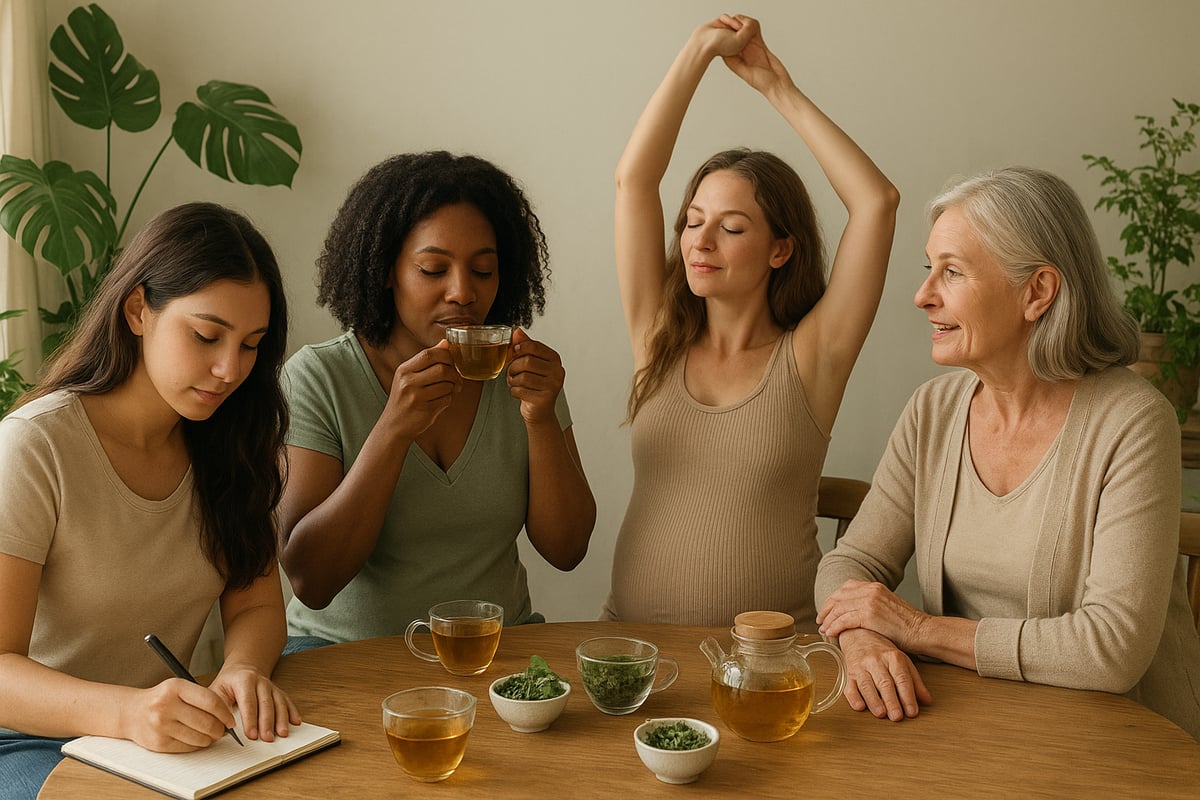
Mind and body are deeply entwined. Chronic stress can disrupt hormones, sap energy, and even show up as physical symptoms. Mindfulness offers a gentle pause, inviting holistic women to shift from autopilot to awareness. Simple practices like conscious breathing, meditation, or a mindful cup of tea can help regulate the nervous system. Research shows that mindfulness-based interventions can reduce anxiety and depressive symptoms by up to 35% (NIH, 2023). Herbalists often recommend adaptogens such as ashwagandha or rhodiola to support resilience—discover more about adaptogens for balance and energy and how they can fit into daily rituals.
Yet, holistic women’s mental wellbeing thrives not just on solo practice, but on connection. Community and open dialogue can ease the sense of isolation, creating space for honesty and support. Self-compassion is a quiet act of rebellion against perfectionism. Try gratitude journaling, a digital detox, or setting gentle boundaries—these small shifts can bring a sense of agency and calm.
Emerging science is shining a light on the gut-brain axis. A healthy gut, nourished by fibre-rich foods and fermented products, can influence mood and cognition, adding another layer to a holistic women approach. Remember, every step counts. Whether through mindful rituals or reaching out for support, embracing mental wellbeing is a powerful act of self-respect.
Preventive Care and Empowered Self-Advocacy
Preventive care is the foundation of self-love for holistic women. Tending to your wellbeing means tuning in, taking action before problems arise, and trusting your body’s wisdom. Regular screenings like cervical smears, breast checks, and bone density scans help catch changes early, so you can respond with clarity and calm.
Vaccinations are another layer of support, evolving as you do. The NHS and WHO recommend a women’s vaccination schedule that adapts across life stages, from HPV in adolescence to flu and shingles protection in later years. Ask your care team about what’s right for you at each age.
Being a holistic women’s advocate starts with education. Learn your body’s rhythms, track symptoms, and prepare questions for appointments. Reliable information empowers you to make choices that suit your values and needs. If you’re ever unsure, reach out to a multidisciplinary team—nutritionists, herbalists, and mental health professionals can offer insight beyond the basics.
Healthcare is changing for the better. The UK government’s renewed Women’s Health Strategy aims to improve access and tackle inequalities, which aligns beautifully with the holistic women movement. Still, global investment in women’s health remains underfunded, calling for a more holistic approach to wellness and stronger evidence to drive change.
Remember, progress is something to celebrate. The holistic women journey isn’t about doing everything perfectly—it’s about showing up for yourself, one mindful choice at a time.
As we step into 2026 together, it’s inspiring to see how embracing holistic wellness—from nourishing foods and daily rituals to the gentle wisdom of herbs—can help us feel truly vibrant and balanced. If you’re curious about bringing more plant-based support into your own wellbeing journey, I invite you to explore our dedicated collection for women. Whether you’re looking for gentle cycle support or a little extra harmony through life’s transitions, you’ll find thoughtful, research-backed blends waiting for you. Let’s make your wellness rituals feel personal, nurturing, and joyful—one cup at a time.
Discover our Women's Wellness collection, created to support women’s hormonal balance and cycle wellbeing.