Discover a holistic anti inflammatory guide blending nutrition movement and herbal wisdom with research backed tips for reducing inflammation and boosting wellness in 2026
Holistic Anti Inflammatory Guide: Your Path to Wellness 2026

Chronic inflammation is increasingly recognised as a key factor affecting our wellbeing and long-term health. While many focus on diet or medication alone, a holistic anti inflammatory approach looks at the bigger picture—how daily choices in food, movement, stress management, and herbal rituals work together to support the body.
By combining traditional wisdom with current research, we can address inflammation at its roots. In this guide, we share clear, practical steps to help you understand, reduce, and prevent inflammation naturally.
You will discover the science behind inflammation, explore root causes, learn about anti-inflammatory nutrition, lifestyle changes, herbal solutions, and how to create daily routines. We invite you to take the next step towards a more balanced, vibrant year ahead.
Understanding Inflammation: The Foundation of Wellness
Understanding inflammation is essential for anyone starting a holistic anti inflammatory journey. Inflammation is the body's frontline defence, but when it lingers, it can quietly disrupt wellbeing. Let's explore how this process works, what causes chronic inflammation, and why a holistic approach is so effective.
What Is Inflammation?
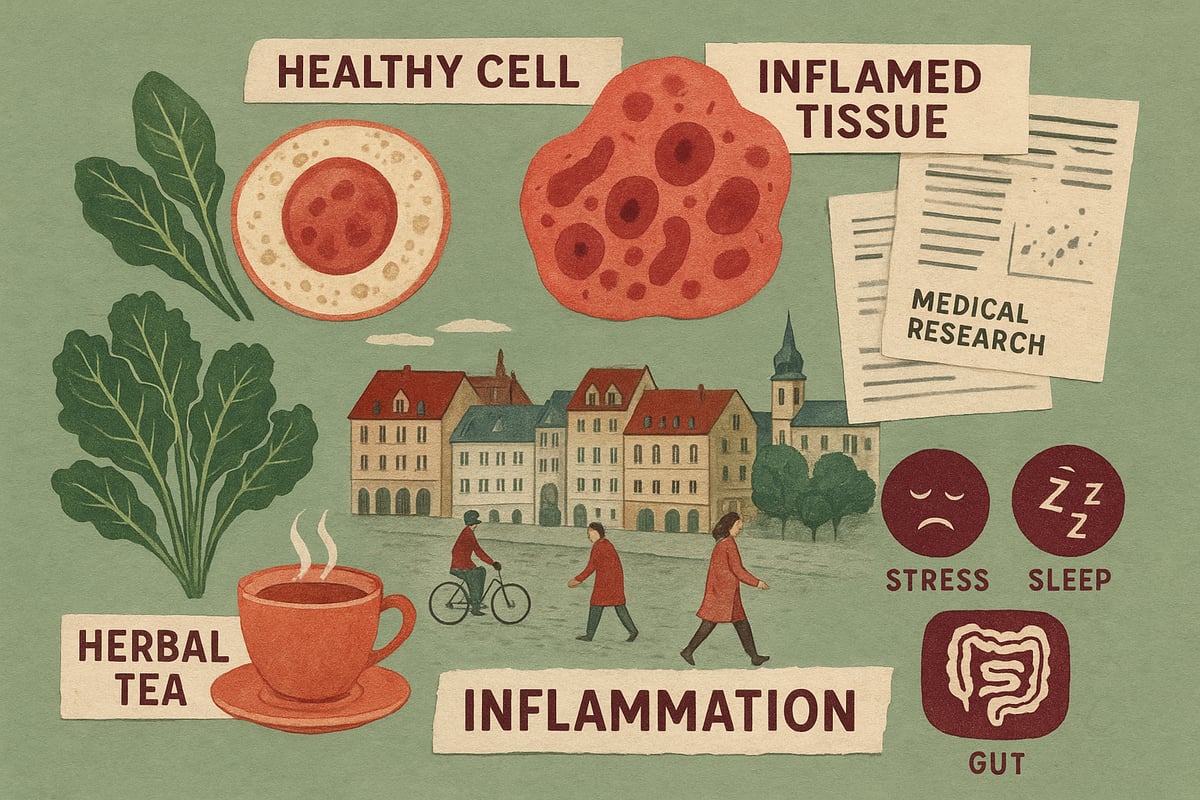
Inflammation is a natural response to injury or infection, allowing the body to heal and protect itself. Acute inflammation is short term and often easy to spot: redness, heat, swelling, or pain. Chronic inflammation, however, is subtle and can persist for months or years, often without clear symptoms.
Common signs include ongoing fatigue, joint stiffness, digestive issues, or low mood. In the EU and EEA, chronic inflammatory conditions affect around one in four adults, highlighting a widespread health challenge (Prevalence of chronic pain in Europe). This process is linked to diseases such as cardiovascular disorders, autoimmune conditions, and metabolic syndrome.
Understanding the difference between acute and chronic inflammation helps us make informed, holistic anti inflammatory choices for prevention and overall wellness.
Root Causes of Chronic Inflammation
Chronic inflammation rarely comes from a single source. Instead, it often results from a blend of lifestyle and environmental factors. Poor diet, especially one high in ultra processed foods, excess sugar, and a lack of balance between omega 3 and omega 6 fats, can fuel inflammation. Exposure to environmental toxins, such as air pollution or household chemicals, also plays a role.
Other contributors include ongoing stress, not enough sleep, and a sedentary routine. Imbalances in the gut microbiome and unresolved infections or injuries can further disrupt the body's natural balance.
| Root Cause | Example/Impact |
|---|---|
| Diet | Processed foods, sugar |
| Toxins | Air pollution, chemicals |
| Stress & Sleep | Raises cortisol, impairs healing |
| Movement | Sedentary habits |
| Microbiome | Poor gut health |
| Infections/Injuries | Lingering inflammation |
By recognising these triggers, we can tailor a holistic anti inflammatory lifestyle that addresses the root causes, not just the symptoms.
The Holistic Approach: Why It Works
A holistic anti inflammatory approach considers the whole person, weaving together nutrition, movement, emotional wellbeing, and environmental factors. This synergy creates sustainable change, as each element supports and amplifies the others.
Research in integrative medicine shows that combined lifestyle interventions, like dietary changes and stress reduction, can lower inflammatory markers such as CRP (PubMed). Traditional European practices—herbal teas, mindful movement, and seasonal eating—work hand in hand with these modern insights.
By blending tradition and science, we empower ourselves to make small, consistent changes that build resilience over time. If you are curious about practical routines, our herbal collections are designed to support your holistic anti inflammatory journey.
Step 1: Anti-Inflammatory Nutrition for Daily Life
Adopting a holistic anti inflammatory approach to nutrition means looking far beyond fad diets or superfoods. Instead, we focus on time-tested food traditions, seasonal whole foods, and the role of what we eat in calming inflammation at the root.
Key Principles of an Anti-Inflammatory Diet
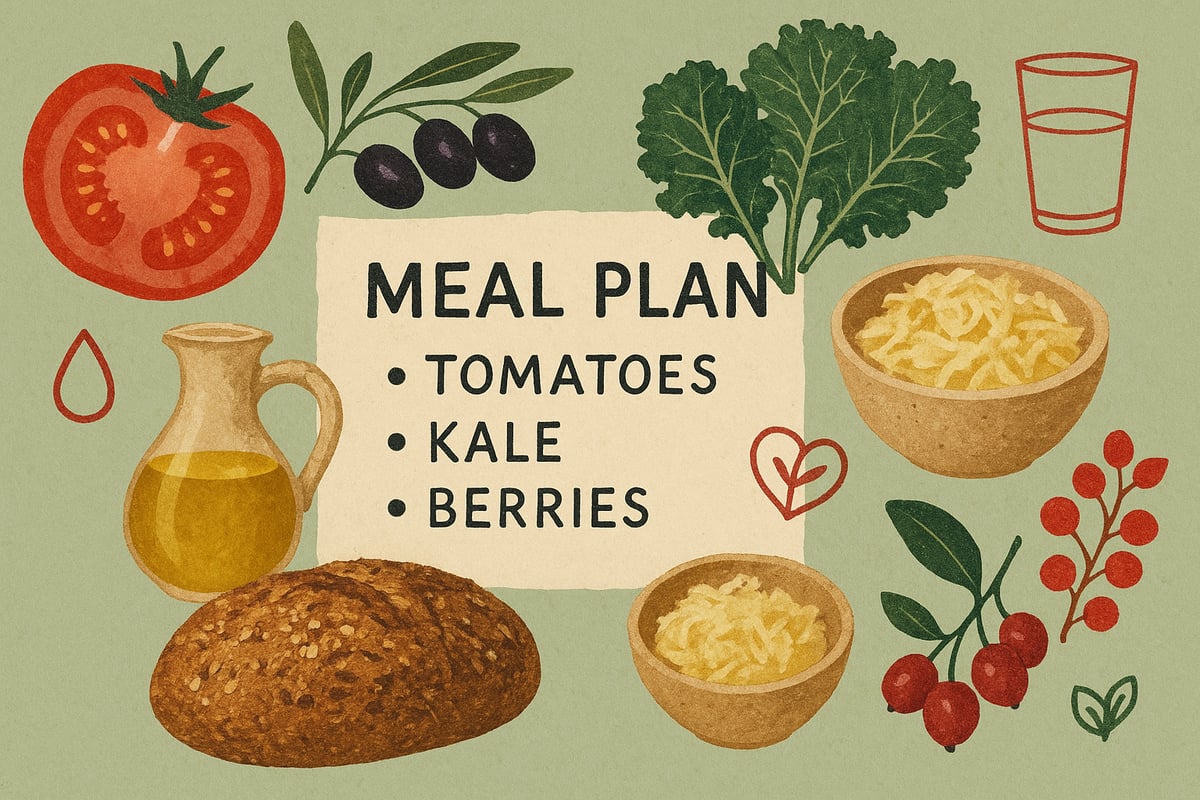
Our holistic anti inflammatory nutrition philosophy is deeply rooted in Mediterranean and Nordic eating patterns. These traditions celebrate a bounty of vegetables, fruits, healthy fats like extra virgin olive oil, and lean proteins such as fish and pulses. We encourage choosing whole, minimally processed foods, ideally seasonal and locally sourced.
Balancing omega-3 and omega-6 fats is vital, as too much omega-6 (from processed oils) can tip the scales toward inflammation. Hydration is equally important, as even mild dehydration can increase inflammatory markers in the body. By making mindful swaps and reading labels, you can create a food environment that supports our holistic anti inflammatory journey every day.
Foods to Prioritise & Avoid
Central to a holistic anti inflammatory lifestyle is choosing foods that nourish and protect. Hero foods include berries, leafy greens, oily fish (like mackerel and sardines), nuts, seeds, extra virgin olive oil, and fermented foods such as sauerkraut or kefir. Many of these have deep roots in European food traditions, such as fermented cabbage in Central Europe for gut health.
We advise limiting refined grains, added sugars, processed meats, and trans fats, as these can fuel inflammation. Research shows that an anti-inflammatory diet can improve cardiovascular health in people with chronic conditions such as rheumatoid arthritis (Anti-inflammatory diet improves cardiovascular profile in rheumatoid arthritis patients). When shopping, look for EU quality seals and opt for whole foods with short, recognisable ingredient lists to support your holistic anti inflammatory goals.
Meal Planning & Mindful Eating
Building a holistic anti inflammatory plate can be simple and flexible. For breakfast, try porridge with berries and walnuts. Lunch might feature a hearty bean and vegetable soup with wholegrain bread, while dinner could be grilled fish with steamed greens and a drizzle of olive oil. Mindful eating, where we slow down and savour each bite, aids digestion and helps the body respond calmly to food.
Adapt meals to the season by choosing local produce, such as root vegetables in winter and leafy greens in spring. Planning ahead with a weekly menu can ease stress and ensure variety. If you’re short on time or budget, batch cooking and sharing meals with family can help keep your holistic anti inflammatory eating on track.
Common Pitfalls & How to Overcome Them
It’s easy to be swayed by marketing claims or “health halos” on packaged foods. Always check labels for hidden sugars and additives. For those with food intolerances or allergies, tailor your holistic anti inflammatory plan by substituting with safe, nutrient-dense options.
Staying consistent while dining out or travelling takes planning. Pack snacks like nuts or fruit, and don’t hesitate to ask for simple, whole food options at restaurants. Remember, every small step supports your holistic anti inflammatory lifestyle and brings you closer to lasting wellness.
Step 2: Lifestyle Changes—Movement, Sleep & Stress
The holistic anti inflammatory journey is not just about what we eat. It is about how we move, rest, and respond to daily stressors. Adjusting everyday habits can profoundly influence inflammation, especially when we weave together movement, restorative sleep, and mindful stress management. Let’s explore practical, research-informed ways to build resilience and support your wellbeing across all aspects of life.

Movement as Medicine
Regular movement is a core pillar of any holistic anti inflammatory lifestyle. Physical activity does more than keep our bodies fit, it actively lowers levels of inflammatory cytokines, as shown in multiple studies (PubMed).
You do not need intense workouts to benefit. Walking in nature, gentle yoga, swimming, and cycling are all accessible options. In many parts of Europe, traditional practices like forest bathing or Nordic walking combine movement with time outdoors, which can further reduce stress-related inflammation.
Sedentary habits, such as sitting for long periods, are linked to a higher risk of chronic inflammatory diseases. We encourage you to choose activities that fit your abilities and preferences. Even short, regular movement breaks during the day can make a difference. For families, group walks or playful stretching can help everyone embrace a holistic anti inflammatory routine.
Sleep: The Unsung Anti-Inflammatory Tool
Quality sleep is a powerful yet often overlooked part of the holistic anti inflammatory approach. Research suggests that sleep deprivation can raise inflammatory markers like CRP and interleukin-6 (PubMed). Many Europeans report challenges with sleep, from irregular schedules to light pollution.
To support restorative sleep, try these practical tips:
- Set a consistent bedtime, even on weekends.
- Keep your sleeping space cool and dark.
- Limit screen time and bright lights in the hour before bed.
- Consider gentle, traditional remedies such as herbal teas with chamomile or lemon balm.
If sleep troubles persist, consult a professional to rule out underlying conditions. Prioritising sleep hygiene is a simple but essential step in your holistic anti inflammatory journey, helping your body heal and reset each night.
Stress Reduction & Emotional Wellbeing
Chronic stress is a hidden driver of inflammation, disrupting hormonal balance and immune function. Our holistic anti inflammatory approach invites you to address stress with mind-body practices like meditation, breathwork, or guided imagery, all of which have shown benefits in lowering inflammation (PubMed).
Traditional European rituals, such as sauna sessions or herbal baths, offer time-tested ways to unwind. Community connections, whether through family meals or local groups, act as natural buffers against stress.
For added support, consider exploring stress relief with nervine herbs, which draw on both tradition and modern research. These gentle botanicals can be woven into daily routines, empowering you to create a holistic anti inflammatory environment for mind and body.
Creating a Supportive Environment
Your environment plays a crucial role in the holistic anti inflammatory lifestyle. Reduce indoor pollutants by choosing natural cleaning products and airing out living spaces. Embrace green spaces—plants and fresh air help buffer against daily stressors.
Build supportive routines that include time in nature, regular movement, and mindful pauses. Small, consistent changes make a lasting impact. Our product range is designed to fit seamlessly into your daily rituals, offering gentle, research-informed support as you build your holistic anti inflammatory foundation.
Step 3: Herbal Allies for Inflammation—Tradition Meets Research
Herbal medicine has deep roots in European wellness traditions, supporting our holistic anti inflammatory approach. Across the continent, plants have been used for centuries to soothe discomfort, ease joint pain, and restore balance. Today, we combine this wisdom with scientific research, offering a grounded path to reducing inflammation naturally.
In every region, herbal rituals are woven into daily life—think of nettle soups in spring or rosemary in Mediterranean cooking. These practices not only connect us to our environment but also provide gentle support for the body’s natural defences.
The Wisdom of Herbal Medicine
Herbalism forms a cornerstone of holistic anti inflammatory living in Europe. Traditionally, people have turned to local plants for their anti-inflammatory, antioxidant, or adaptogenic actions. These approaches focus on supporting the body’s own healing mechanisms, rather than simply suppressing symptoms.
Modern research is beginning to validate what tradition has long suggested: certain herbs contain compounds that can influence inflammatory pathways, such as polyphenols, flavonoids, and essential oils (PubMed).
Herbal rituals can be as simple as a cup of calming tea or an aromatic bath. These daily practices help integrate plant support into everyday routines, making holistic anti inflammatory care accessible and sustainable for everyone.
Hero Plants for Inflammatory Support
Let’s explore some of the most valued herbal allies for inflammation across Europe:
| Plant | Traditional Use | Key Compounds | Research Suggests | Safety Note |
|---|---|---|---|---|
| Turmeric | Joints, digestion | Curcumin | Modulates inflammation [PubMed] | May interact with blood thinners |
| Ginger | Warming, pain relief | Gingerols | Reduces pain and swelling [PubMed] | High doses may cause stomach upset |
| Nettle | Spring tonic, joints | Flavonoids, minerals | Supports arthritis relief Herbs for chronic inflammation | Avoid in kidney issues |
| Meadowsweet | Mild pain, fevers | Salicylates | Gentle anti-inflammatory effects [PubMed] | Caution if allergic to aspirin |
| Elderberry | Immune support | Anthocyanins | May ease cold symptoms [PubMed] | Unripe berries toxic |
| Calendula | Skin soothing | Triterpenoids | Supports wound healing [PubMed] | Generally safe topically |
| Rosemary | Circulation, memory | Rosmarinic acid | Antioxidant and anti-inflammatory [PubMed] | Avoid in pregnancy in high doses |
Each of these plants has a unique story in holistic anti inflammatory traditions, yet it’s their synergy with modern research that makes them especially valuable for daily wellness.
Practical Ways to Use Herbs Safely
Incorporating herbs into your holistic anti inflammatory lifestyle is both practical and enjoyable. Herbal teas, tinctures, and topical oils are popular options. For example, a nettle infusion can be enjoyed in spring, while a warming ginger tea is perfect for colder months.
When selecting herbs, always choose quality, organic products from reputable EU sources. Store dried herbs in airtight containers, away from sunlight. Start with small amounts to check for any sensitivities, and consult a professional if you have medical conditions or take medication.
Herbal rituals can be simple: a calming tea before bed, a rosemary foot bath after a walk, or adding calendula oil to your skincare routine. Consistency is key for experiencing the benefits of holistic anti inflammatory support.
Natura Sacra: Research-Backed Herbal Rituals for Inflammation
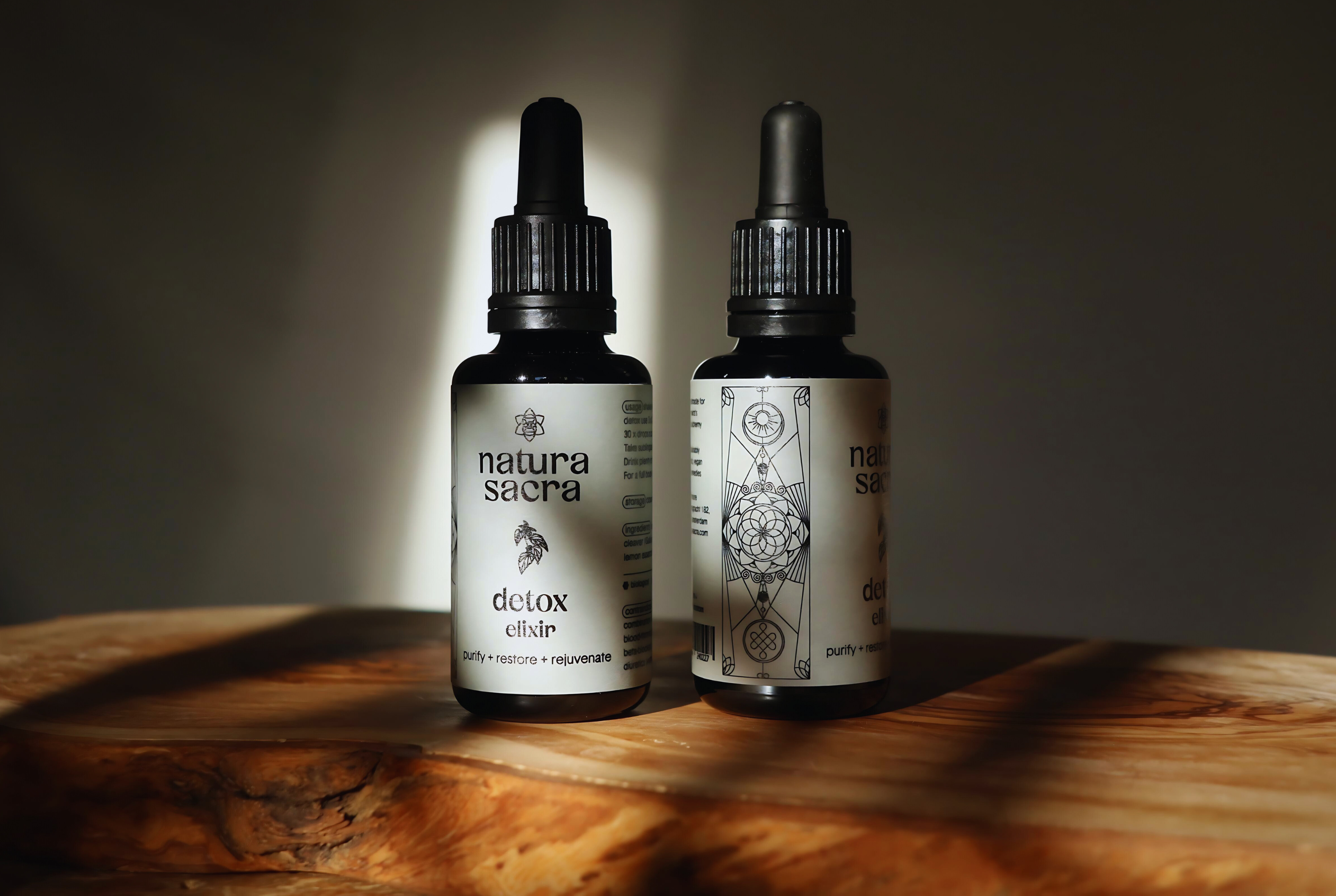
At Natura Sacra, we bring together traditional herbal wisdom with modern research, offering small-batch, organic teas and elixirs for holistic anti inflammatory care. Our Detox Elixir, Deep Sleep Tea, and Knead-me Body Oil are designed to fit into your daily rituals.
We focus on transparency, education, and empowering you to make informed choices. Explore our resources and products as part of your journey to balanced, natural wellness.
Step 4: Building Your Personal Anti-Inflammatory Routine
Embarking on a holistic anti inflammatory journey is about understanding your unique needs and crafting a routine that fits your life. The process is personal, evolving, and deeply rewarding. We believe that small, mindful choices lay the foundation for lasting wellness.
Assessing Your Starting Point
Before building a holistic anti inflammatory routine, take time to reflect on your current habits. Ask yourself: What does my daily diet look like? How much movement do I get, and how is my sleep quality? Notice how stress, environmental exposures, or gut imbalances might play a role.
Identifying your unique triggers is an important first step. For many, keeping a wellness journal can reveal patterns—perhaps certain foods or stressful days correlate with flare-ups. Consider exploring how your gut and skin are connected, as discussed in our gut and skin holistic connection blog, to deepen your understanding. Set realistic goals that feel achievable, whether it’s improving sleep, adding more vegetables, or carving out time for relaxation.
Creating a Sustainable Plan
A holistic anti inflammatory approach works best when you start with manageable changes. Focus on one area, like breakfast or your evening routine, and gradually build new habits. Habit-stacking—linking a new ritual to an existing one—can make changes easier to sustain. For example, enjoy a cup of herbal tea after your walk, or stretch while waiting for your morning coffee.
Adapt your routine to the seasons. In winter, you might prioritise immune support, while spring calls for fresh greens. Family and community can offer support and accountability, making change more enjoyable. For inspiration, discover our daily anti-inflammatory rituals guide for easy ways to weave wellness into your mornings.
Monitoring Progress & Adjusting
Tracking your progress is key to a successful holistic anti inflammatory journey. Use your journal to record changes in energy, digestion, skin, or mood. Celebrate small wins—perhaps you’re sleeping better or feeling less stiff on waking.
If you notice persistent symptoms or new challenges, it’s wise to seek support from a nutritionist, herbalist, or GP. Adjust your plan as your needs change, embracing flexibility. Remember, every step counts, and the process is about learning what works for you. Our range of herbal rituals is here to support you, whenever you feel ready to explore more.
Step 5: Making Informed Choices—Science, Safety & Self-Empowerment
Taking a holistic anti inflammatory approach means staying curious, informed, and proactive. With so much information online, it is vital to know how to separate trustworthy guidance from trends or advertising. Our goal is to help you make empowered choices, rooted in both tradition and research.
Understanding the Evidence
When exploring holistic anti inflammatory strategies, understanding what research shows versus what tradition offers is essential. Scientific studies provide levels of evidence: randomised trials, observational research, and reviews. Not all findings are definitive, so look for language like "suggests" rather than "proves." Traditional use, especially in European herbalism, holds value but should be balanced with modern data.
For example, research on the Nordic diet modulates inflammatory gene expression in metabolic syndrome highlights how dietary choices can influence inflammation at a genetic level. This blend of tradition and science is the heart of a holistic anti inflammatory lifestyle. Always check for EU regulations on wellness and herbal products, ensuring safety and transparency.
Safety First: Navigating Risks
Safety is the foundation of any holistic anti inflammatory routine. Herbs and foods, even when natural, can interact with medications or trigger allergies. If you are starting new herbs or supplements, introduce them one at a time and monitor for reactions. Reliable sources like the European Medicines Agency (EMA) and European Food Safety Authority (EFSA) offer up-to-date safety information.
Consult a healthcare professional if you have chronic conditions, take prescription medicines, or are pregnant. Documenting your responses in a wellness journal helps you notice subtle effects. Prioritising safety ensures that your holistic anti inflammatory choices support, rather than disrupt, your wellbeing.
Empowering Yourself on the Wellness Journey
Building a holistic anti inflammatory lifestyle is a personal, ongoing journey. Confidence comes with education: explore reputable resources, connect with community groups, and share experiences with local herbalists or wellness practitioners. Stay open to adapting routines as seasons and needs change.
Celebrate small wins, whether that is trying a new anti inflammatory recipe or making time for daily movement. If you are curious about herbal rituals, our range is designed to blend tradition with research for safe, effective support. Remember, empowerment is about making choices that fit your life, guided by both knowledge and intuition.
Taking the first steps towards a holistic anti inflammatory lifestyle is about more than just individual habits—it’s about building daily rituals that work with your body, using nature’s wisdom in ways that are meaningful and manageable. As you explore the power of nutrition, movement, stress management and time honoured herbal remedies, remember that it’s the small, consistent changes that often have the greatest impact. If you’re curious to learn more about how to weave herbal rituals into your routine and want practical, research backed ideas for everyday wellbeing, I invite you to explore more rituals and plant wisdom on our blog.