

If you’re looking for the best natural mood booster, you’ll get the most reliable results by combining (1) the highest-impact lifestyle levers (light, movement, sleep, stable energy) with (2) targeted food and herbal support that matches your mood pattern.
What Is the Best Natural Mood Booster?

What Is the Best Natural Mood Booster?
If you’re looking for the best natural mood booster, you’ll get the most reliable results by combining (1) the highest-impact lifestyle levers (light, movement, sleep, stable energy) with (2) targeted food and herbal support that matches your mood pattern.
This guide is built for everyday emotional wellbeing — stress, low mood, irritability, emotional flatness, and “I’m fine but not great.” You’ll learn what actually drives mood in the body, which natural mood boosters are most practical, which herbs have meaningful research, and what to avoid if you’re sensitive, overstimulated, or on medications.
Expect clarity, not hype — and a simple way to choose what to try first.
What “mood” really is (and why most advice feels shallow)
Mood isn’t just happiness. Think of mood as your baseline emotional weather — the background state that shapes your patience, resilience, motivation, and ability to feel pleasure.
That baseline is influenced by several systems working together:
- Nervous system balance (are you stuck in “on”?)
- Stress hormones (especially cortisol)
- Neurotransmitters (serotonin, dopamine, GABA, noradrenaline)
- Sleep quality + circadian rhythm (timing matters as much as duration)
- Inflammation + oxidative stress (can shift emotional tone in some people)
- Energy stability (blood sugar dips can feel like anxiety or irritability)
This is why “one best natural mood booster” rarely exists. The best choice depends on what’s driving your mood down in the first place.
Quick answer: what is the best natural mood booster overall?
If we rank by reliability + cost + real-world impact, the top natural mood boosters tend to be:
- Daily movement (especially walking, strength training, yoga)
- Morning daylight (circadian anchoring)
- Sleep protection (wind-down + consistent wake time)
- Stable meals (protein + fiber + healthy fats)
- Targeted herbs/supplements (when matched to your pattern and used safely)
Herbs can help. But lifestyle levers are usually the foundation that makes herbs “work” instead of feeling random.

Step 1: identify your mood pattern (this changes everything)
Pattern A — “Wired but tired” (stress-driven low mood)
You may feel tense, easily overwhelmed, mentally busy, or emotionally reactive. Low mood often shows up as irritability, anxiety, or “I can’t switch off.”
Best natural mood boosters for this pattern:
- Evening downshift (light dimming + slower pacing)
- Gentle movement (walking, yoga, mobility)
- Nervine herbs (traditionally used for calm and emotional steadiness)
Pattern B — “Flat / low pleasure” (low energy, low motivation)
This feels like emotional dullness: less joy, less drive, less spark. Often linked to poor sleep, burnout, under-fueling, or too little daylight.
Best natural mood boosters for this pattern:
- Morning daylight + consistent wake time
- Strength training 2–3x/week
- Protein-forward breakfast
- Carefully chosen herbs that support resilience (without overstimulation)
Pattern C — “I crash between meals” (blood sugar mood swings)
If your mood drops late morning or mid-afternoon, or you feel edgy when hungry, start here. This is one of the fastest patterns to improve.
Best natural mood boosters for this pattern:
- Protein + fiber at breakfast
- Lunch with fats + complex carbs
- Reduce refined sugar spikes (especially on an empty stomach)
Step 2: the highest-evidence natural mood boosters (before herbs)

1) Movement (the highest ROI mood booster)
Exercise consistently shows meaningful improvements in depressive symptoms across large analyses. You don’t need intense workouts — consistency matters more than perfection.
What to do:
- Minimum effective dose: 20–30 minutes of brisk walking most days
- Upgrade: strength training 2–3x/week + yoga 1–2x/week
- If you’re stressed: keep intensity moderate; finish feeling calmer, not more wired
2) Morning daylight (circadian mood support)
Light is a primary circadian signal. Regular morning daylight supports sleep timing and daytime alertness — two levers that strongly shape mood. Bright light therapy is also supported as a first-line non-pharmacological option for seasonal affective disorder (SAD).
What to do:
- Go outside within 60 minutes of waking for 10–20 minutes
- Cloudy days still count
- If you suspect seasonal patterns, consider professional guidance on light therapy
3) Sleep protection (because mood is built overnight)
When sleep is disrupted, mood regulation gets harder — even if you’re “functioning.”
What to do:
- Pick a consistent wake time (even weekends if possible)
- Dim lights 60–90 minutes before bed
- Keep caffeine earlier in the day if you’re anxious or sleep-sensitive
Step 3: foods that boost mood naturally (without becoming a “happy food” list)

Many top pages list mood foods. That’s fine — but the real win is the pattern you can repeat daily.
The “stable mood plate” (simple and effective)
- Protein: eggs, yogurt/kefir, fish, legumes, tofu, poultry
- Fiber + color: vegetables, berries, beans, leafy greens
- Healthy fats: olive oil, nuts, seeds, avocado
- Slow carbs (as needed): oats, quinoa, sweet potato, brown rice
Foods commonly linked to steadier mood
- Fatty fish (omega-3 fats; often studied for mood support)
- Nuts and seeds (healthy fats + minerals)
- Berries (antioxidants; easy daily add-on)
- Fermented foods (gut-brain axis support)
- Dark chocolate (small amounts; many people tolerate well)
Practical tip: If you’re prone to anxious dips, avoid “coffee + pastry” breakfasts. Try “protein + fiber + fat” first, then add coffee.
Step 4: herbs and supplements for mood (evidence + tradition, with safety)

Here’s where we get precise. Some herbs are traditionally used for low mood and emotional resilience, and some have meaningful human research. But they’re not interchangeable — and not all are safe for everyone.
Saffron (Crocus sativus) — promising research for mood support
Traditionally used for: emotional balance and vitality in several traditional systems.
What research suggests: Systematic reviews/meta-analyses of randomized trials report saffron supplementation can improve depressive symptoms in adults, particularly in mild to moderate cases (not a replacement for care, but a meaningful signal).
Best fit: flat mood, emotional heaviness, stress-linked low mood.
Caution: If pregnant, on anticoagulants, or on psychiatric medication, discuss with a clinician before use.
Lemon balm (Melissa officinalis) — a classic “nervine” for stress-mood
Traditionally used for: calming the nerves, emotional steadiness, mild anxious tension.
What research suggests: Human studies suggest lemon balm can reduce anxiety and improve calmness in certain settings — which often improves mood secondarily when stress is the driver.
Best fit: wired-tired mood, irritability, stress-driven dips.

Omega-3s (fish oil) — most useful when EPA-forward
What research suggests: Meta-analyses and reviews report omega-3 supplementation can improve depressive symptoms in some adults, with several analyses highlighting EPA-dominant formulations.
Best fit: longer-term mood support, especially if dietary omega-3 intake is low.
Caution: If on blood thinners or with bleeding disorders, consult a clinician.
Vitamin D — a mood lever when you’re low
What research suggests: Evidence is mixed overall, but supplementation may help depressive symptoms in some contexts, especially when baseline vitamin D is low.
Best fit: winter dips, low daylight exposure, suspected deficiency.
L-theanine (from tea) — calm focus without sedation (for some people)
Traditionally used via tea: tea has long been used as a “steadying” ritual.
What research suggests: Controlled trials show L-theanine can influence brain activity markers associated with relaxation under stress, and it may support calmness in acute stress contexts.
Best fit: stress-driven mood, evening wind-down, people who want calm without feeling sedated.
St. John’s wort (Hypericum perforatum) — effective for some, but high-interaction
Traditionally used for: low mood and emotional resilience, often seasonally.
What research suggests: It is supported for mild to moderate depression in many reviews, but safety is the main issue: it can significantly interact with multiple medications.
Do not use casually if you take: antidepressants, hormonal contraception, immunosuppressants, HIV medications, many anticoagulants, and more.
Bottom line: This is a “guided use” herb, not a casual add-on.
What’s overhyped (and how to avoid “dopamine hack” traps)
A lot of content frames mood as “just dopamine.” Dopamine matters — but mood is multi-system, and most people don’t need a stack of dopamine boosters.
Common traps:
- Over-stimulation: adding caffeine + stimulants when the real need is sleep or nervous-system downshift
- Random supplement stacks: trying 8 things at once, then not knowing what helped
- Ignoring basics: light, movement, meals, sleep — then blaming herbs for “not working”
If you take one thing from this article: choose one targeted herbal support and pair it with a consistent daily rhythm for 2–4 weeks.
A simple 7-day natural mood booster plan (doable, not dramatic)
Days 1–2: baseline reset
- Morning: 10–20 min daylight
- Movement: 20 min walk
- Meals: protein + fiber breakfast
- Evening: dim lights 60 min before bed
Days 3–4: add one supportive ritual
- Choose ONE: lemon balm tea (calm), omega-3 food focus (fish 2x/week), or a short yoga flow
- Write a one-line check-in nightly: “Mood /10, Energy /10, Sleep /10”
Days 5–7: refine based on your pattern
- If you feel calmer but flat: add strength training or morning protein
- If you feel energised but wired: reduce caffeine and strengthen evening wind-down
- If mood dips mid-day: adjust lunch (fiber + fats) and add a short walk after eating
Where Natura Sacra fits (subtle, grounded, non-medical)
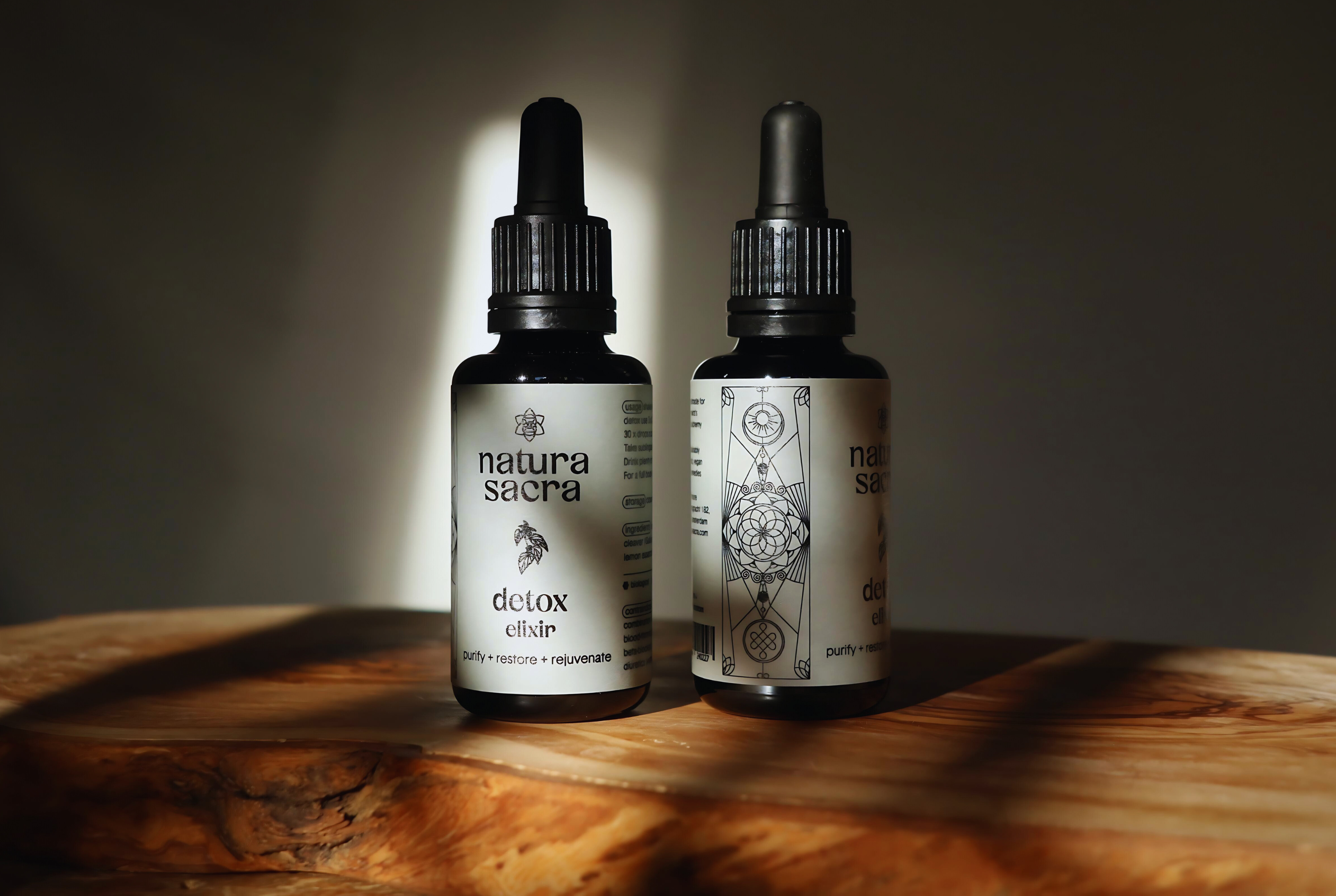
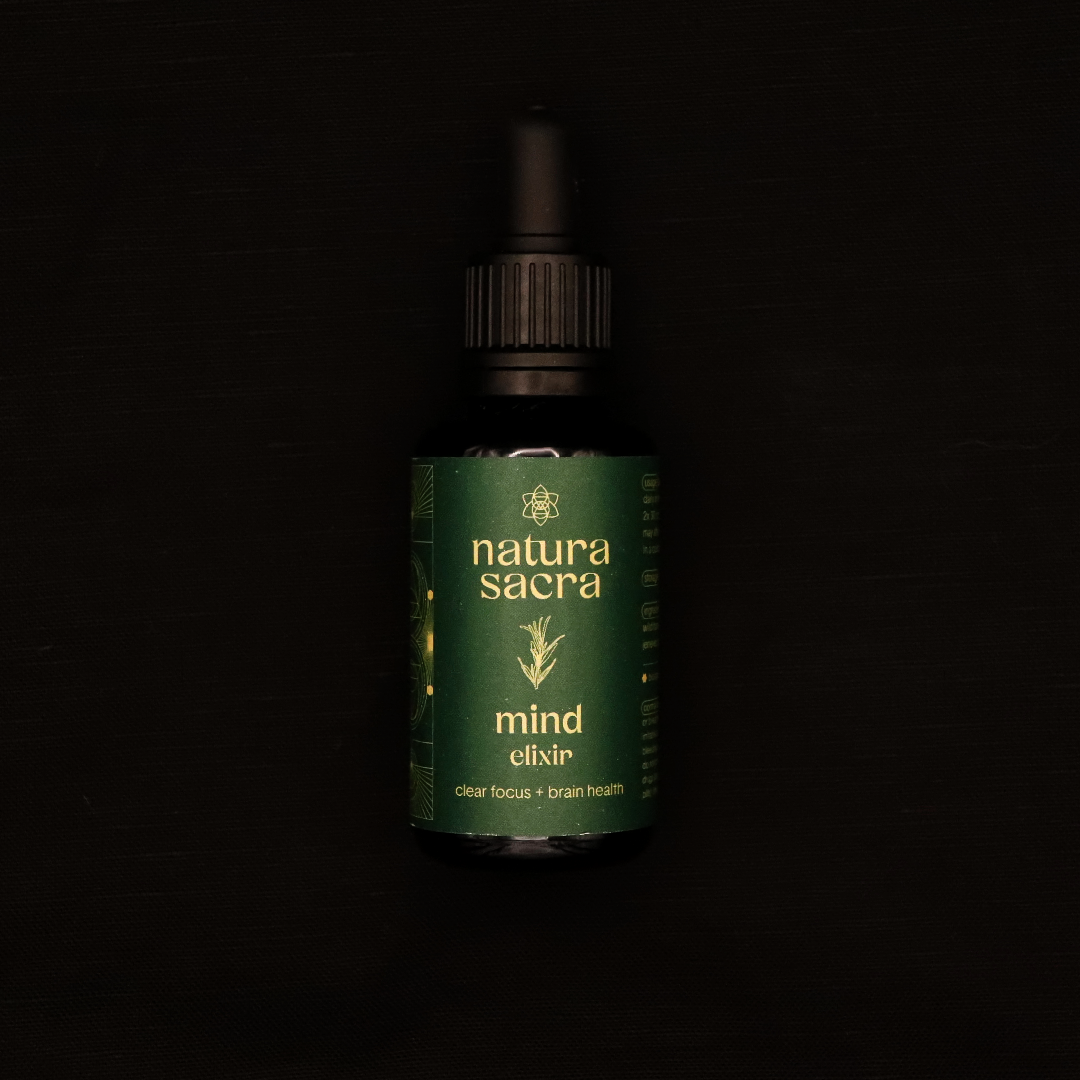
At Natura Sacra, we work with plants as daily allies — not quick fixes. If you want mood support as a ritual, explore:
- delight-me tea — a mood-brightening infusion traditionally taken to ease low mood and promote calm.
- bliss elixir — a balancing formula traditionally used to uplift and steady emotional tone.
- The Best Herbs to Support Joy, Lightness & Emotional Resilience — a deeper companion guide.
- Three Ways to Work with St. John’s Wort This Season — tradition + safety notes.
- Browse all collections — choose by what your body is asking for (sleep, stress, clarity, mood).
Note: If you take medications or have a complex mental health history, check interactions before using stronger botanicals (especially St. John’s wort).
FAQs
What is the best natural mood booster for stress?
For stress-driven mood dips, start with nervous-system basics (sleep + light + daily movement), then consider a calming nervine like lemon balm as a daily ritual.
What foods boost mood naturally?
Foods that support steadier mood patterns include fatty fish, nuts and seeds, berries, fermented foods, and balanced meals that prevent blood sugar crashes.
Do supplements actually improve mood?
Some do for some people — especially when they correct a deficiency (like vitamin D) or match a stress pattern (like omega-3s or certain botanicals). The best results usually come when supplements are paired with sleep and lifestyle consistency.
Is St. John’s wort the best herb for mood?
It may help mild to moderate depression in research, but it has major medication interactions, so it’s not a universal “best.” It’s a guided-use herb.
What Is the Best Natural Mood Booster? - download the full guide (PDF)
Research & Further Reading
- Exercise and depression outcomes (systematic review/network meta-analysis): https://www.bmj.com/content/384/bmj-2023-075847
- Bright light therapy for seasonal affective disorder (systematic review/meta-analysis): https://pubmed.ncbi.nlm.nih.gov/38220102/
- Healthline competitor reference (dopamine supplements list): https://www.healthline.com/nutrition/dopamine-supplements
- Mount Elizabeth competitor reference (mood-boosting foods list): https://www.mountelizabeth.com.sg/health-plus/article/mood-boosting-foods
- Omega-3s and depression (systematic review/meta-analysis): https://www.cambridge.org/core/journals/british-journal-of-nutrition/article/efficacy-and-safety-of-n3-fatty-acids-supplementation-on-depression-a-systematic-review-and-doseresponse-metaanalysis-of-randomised-controlled-trials/CF33CEE475F3342250E805CF9677D1FF
- Omega-3 EPA/DHA in anxiety & depression (systematic review/meta-analysis): https://www.sciencedirect.com/science/article/pii/S0952327823000418
- L-theanine stress/relaxation trial (placebo-controlled crossover): https://pmc.ncbi.nlm.nih.gov/articles/PMC8475422/