


Discover natural and herbal products with our 2026 guide. Learn to choose safe, effective remedies using tradition and science for everyday wellbeing.
Natural And Herbal Products Guide: Your 2026 Essential Handbook

Across Europe, more people are turning to natural and herbal products for everyday wellbeing. This shift is driven by rising concerns about synthetic additives, a growing desire for holistic health, and renewed trust in the wisdom of plants.
As options expand, understanding how to choose, use, and truly benefit from natural and herbal products becomes essential. Safe, informed choices empower us to weave plant-based rituals into modern life with confidence.
Our handbook is here to guide both beginners and enthusiasts, blending tradition with up-to-date research. We’ll explore the roots, science, product types, safety, and daily rituals behind natural wellness—helping you make the most of every botanical step.
Understanding Natural and Herbal Products: Foundations and Trends
The world of natural and herbal products is evolving rapidly across the EU and EEA. In our region, “natural” typically refers to products derived directly from plants, minerals, or other natural sources, with minimal processing and no synthetic additives. “Herbal” products, meanwhile, specifically use plant parts such as leaves, roots, flowers, or seeds for their beneficial properties. The EU’s framework draws a clear distinction between food supplements and herbal medicinal products, with the latter subject to stricter quality, safety, and efficacy requirements. For a deeper look at these legal differences, see the official EU herbal medicinal product regulations.
Europe’s rich herbal heritage stretches from the wild-gathered teas of the Mediterranean, like olive leaf and rosemary, to the Nordic use of wild berries and adaptogenic roots, and the Central European tradition of apothecary blends. Families have long relied on plant wisdom for seasonal health, digestion, and relaxation. Today, this cultural foundation is merging with scientific research and modern wellness needs.
In 2026, consumer priorities are shifting. People want natural and herbal products that offer full transparency, traceable sourcing, and evidence-based claims. There is also a growing expectation for organic products and sustainability, not just as marketing claims but as proof of ethical sourcing.
How do natural and herbal products differ from conventional supplements? Herbal products are often less processed, maintaining a broader spectrum of plant compounds, while conventional supplements tend to use isolated or synthetic nutrients. This difference can influence how the body absorbs and utilises the product, as plant-based compounds often work synergistically. Trust also plays a role: many consumers feel more confident in traditional herbal remedies, particularly when brands prioritise transparency.
Let’s take a closer look at the science. Plants like ashwagandha are known as adaptogens, helping the body respond to stress. Nervines, such as lemon balm, support the nervous system and promote calm. Bitters, like gentian root, stimulate digestion. Modern studies use methods like phytochemical analysis and clinical trials to validate traditional uses, but results can vary by preparation and individual response.
It is important to remember that natural does not automatically mean safe or effective. Some herbs interact with medications or are unsuitable during pregnancy. Always check for reputable sourcing, organic certification, and third-party testing. Look for trusted symbols on packaging, and do not hesitate to ask brands for lab results or origin details.
Finally, using natural and herbal products is most effective when paired with education and daily rituals. Whether it’s brewing a morning cup of herbal tea or incorporating a calming balm into your evening routine, these small practices connect us with tradition and support holistic wellbeing. At Natura Sacra, our mission is to help you make informed, confident choices at every step of your herbal journey.
The Essential Categories of Natural and Herbal Products
Navigating the world of natural and herbal products can feel overwhelming, but understanding the main categories helps you make informed, confident choices. Each format has its roots in tradition, shaped by how people across Europe have used plants for wellbeing for centuries. Let’s explore how these products fit into modern daily life.
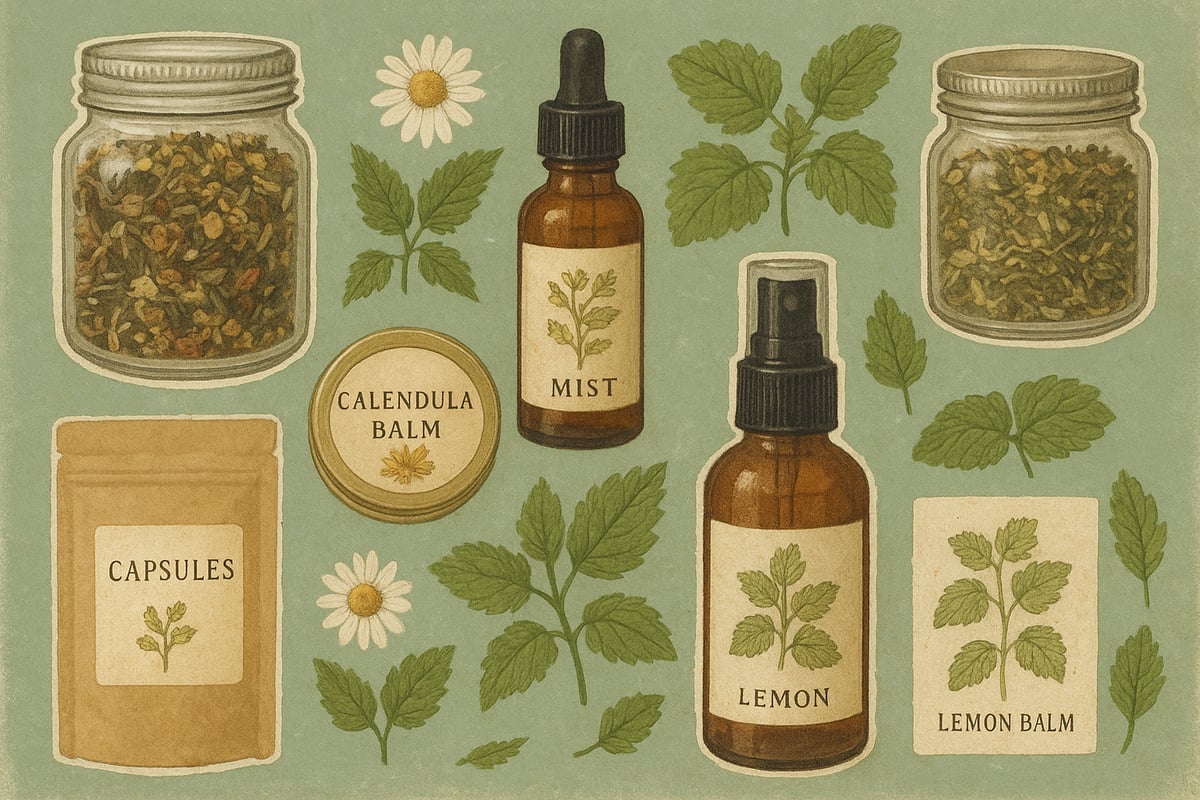
Teas are the most familiar entry point for many. Traditionally, herbal teas like chamomile, nettle, and lemon balm have been used for relaxation, gentle detox, and daily nourishment. Preparation is simple—steep dried herbs in hot water for 5–10 minutes. Integrating tea rituals into your morning or evening can support stress relief or digestive comfort. For a deeper dive into options and benefits, see our guide to herbal teas and their benefits. Choosing natural and herbal products in tea form allows you to connect with European traditions while customising your routine.
Tinctures and elixirs offer a more concentrated way to access plant compounds. Made by steeping herbs in alcohol or glycerin, tinctures are often used for stress, digestion, or sleep support. A few drops under the tongue delivers active constituents quickly. Elixirs often blend tinctures with honey or syrups for taste and added benefits. When starting with tinctures, begin with low doses and observe your body’s response. Oils and balms, such as calendula balm, are prized for skin soothing, relaxation, and even hormonal balance. Traditionally, these are applied to areas of tension or dryness, making them essential natural and herbal products for everyday care.
Mists and aromatherapy products harness aromatic plant compounds. Spritzing a herbal mist can uplift mood or promote calm, while essential oils are used for relaxation or hormonal harmony. Scientific studies suggest certain aromas may influence stress and sleep, but EU regulations require clear labelling and evidence for any claims. Capsules and powders are chosen when standardisation and precise dosing matter. Look for third-party tested, organic natural and herbal products in these forms to ensure purity and potency.
Reading product labels is key to making safe, effective choices. Look for terms like “organic,” “wildcrafted,” or “third-party tested.” Avoid products with vague ingredient lists or synthetic additives. Certifications such as EU organic or eco labels signal quality. Needs shift with the seasons—immune support is popular in winter, while detox blends are favoured in spring. Matching your natural and herbal products to the time of year helps you stay in tune with your body and the environment.
In summary, each product type offers its own unique pathway to herbal self-care. Whether you’re steeping a calming tea, applying a soothing balm, or exploring a gentle mist, always choose products that prioritise transparency and sustainability. Our collection is crafted to support your wellbeing journey through every season.
Hero Plants for Modern Wellbeing: Top Herbs and Their Uses
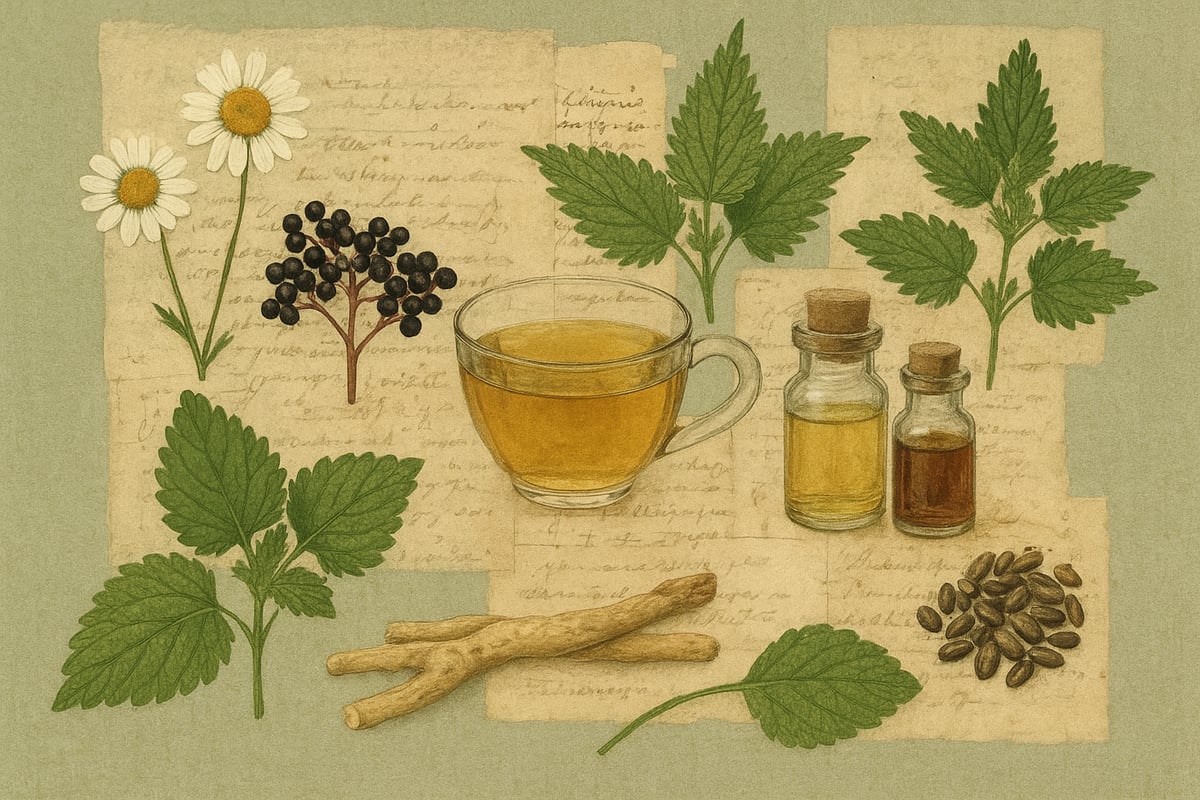
Across Europe, a handful of “hero” plants have stood the test of time, grounding the world of natural and herbal products in both tradition and emerging science. These celebrated herbs are deeply woven into cultural rituals, yet they are also gaining renewed attention for their roles in daily wellbeing. Understanding their roots, effects, and safe use helps us make informed, empowered choices.
Chamomile (Matricaria recutita):
Chamomile is cherished across Europe as a gentle remedy for centuries. Traditionally, it is used for relaxation and to support digestion, often sipped in calming evening teas. Its main compound, apigenin, interacts with brain receptors involved in sleep and calm. Modern research suggests chamomile may help reduce mild anxiety and improve sleep quality, though effects can vary person to person (PubMed). For most adults, daily tea is considered safe, but those with ragweed allergies should use caution.
Lemon Balm (Melissa officinalis):
Known as the “herb of joy,” lemon balm has long been valued in Mediterranean and Central European traditions for soothing the mind and uplifting the spirit. Its mild sedative and antiviral properties make it a favourite for easing nervous tension. Research suggests lemon balm may help reduce stress and support cognitive clarity, especially when used as a tea or tincture (PubMed). For more detail, see our Lemon balm: the herb of joy and calm guide. Generally, it is well tolerated, but best avoided in large amounts during pregnancy.
Nettle (Urtica dioica):
Nettle is a springtime staple, traditionally used as a mineral-rich tonic to “wake up” the body after winter. It contains iron, calcium, and vitamin C. Research indicates nettle may support urinary tract health and help manage mild inflammation (PubMed). Enjoy nettle as a brewed tea or added to soups. It is usually safe when cooked or dried, but fresh nettle can sting and should not be used raw. Pregnant people should consult a professional before regular use.
Ashwagandha (Withania somnifera):
An adaptogen from the Ayurvedic tradition, ashwagandha is now widely embraced across the EU for its reputation in supporting resilience against stress. Its active compounds, withanolides, are studied for their effects on stress hormones and energy balance. Research suggests ashwagandha may help lower stress and improve sleep in some people (PubMed). Typical use involves capsules or tinctures, but always start with a low dose and avoid if pregnant or with thyroid conditions unless advised by a professional.
Milk Thistle (Silybum marianum):
Milk thistle has a long history in Central Europe as a traditional liver tonic. The active compound, silymarin, is thought to support liver cell regeneration and protect against toxins. Modern studies suggest potential benefits for mild liver complaints, though more research is needed (PubMed). It is most often used as a standardised extract or tea. Generally safe, but those with allergies to the daisy family should use caution.
Elderberry (Sambucus nigra):
Elderberry is a trusted immune ally, especially during the colder months across Europe. Traditionally, syrups and teas made from cooked berries support the body during seasonal changes. Research suggests elderberry extract may help shorten the duration of colds and flu-like symptoms (PubMed). Never consume raw berries, as they can be toxic. Cooked preparations are safe for most adults.
Combining Herbs & Safety:
When exploring natural and herbal products, combining herbs can offer a broader spectrum of support, but it is vital to do so thoughtfully. Always start with one herb, observe effects, and consult a qualified practitioner for complex needs or if you take medication. Remember, “natural” does not always mean risk-free.
Seasonality & Practical Use:
Hero plants reflect the rhythms of European life: nettle and elderberry for spring and autumn, chamomile and lemon balm for year-round calm, ashwagandha for stress resilience, and milk thistle for gentle liver care. Our approach blends the wisdom of tradition with research-backed guidance. For a deeper dive into these plants, visit our curated Best herbs for everyday wellness resource.
At Natura Sacra, we honour these hero herbs in our natural and herbal products, always prioritising transparency, quality, and your wellbeing journey.
Safety, Sustainability, and Smart Choices in 2026
Choosing natural and herbal products for wellbeing requires more than just curiosity or trust in tradition. Safety is foundational, especially as these products become part of daily routines across the EU. Even time-honoured herbs can interact with medicines or cause allergies, so we always recommend checking with a healthcare professional before introducing something new, especially if you have existing health conditions.
The EU has robust regulations in place to protect consumers of natural and herbal products. Approved health claims, strict labelling requirements, and quality controls help ensure transparency and safety. However, not all products are created equal. As outlined by recent trends in European natural health products, there is growing scrutiny on botanicals, with more consumers demanding evidence, traceability, and compliance with EU standards. Always look for products that clearly disclose their ingredients, sourcing, and certifications.
Sustainability is at the heart of responsible herbal practice. Organic, local, and seasonal sourcing support not only the environment but also the potency and efficacy of natural and herbal products. Packaging innovations, such as violet glass, reduce waste and help preserve delicate plant compounds. We believe that every choice, from farm to shelf, shapes the broader impact of herbal wellness on our planet.
Verifying quality is essential. Look for third-party testing, organic or wild-crafted certifications, and traceable sourcing. Transparency is a sign of a trustworthy brand. If you are ever unsure, consult reputable herbalist associations or EU regulatory bodies for guidance. Scientific research continues to advance, with new studies using rigorous methods to test both the efficacy and safety of herbal medicine. For more insight on this, we recommend reading about the scientific validation of herbal medicine.
Moderation is key when using natural and herbal products. Self-diagnosis and overuse can lead to unexpected effects. Start with one product at a time, observe how your body responds, and adjust as needed. Keep in mind that herbal wellbeing is a journey, not a quick fix.
To support your learning, explore reputable resources like herbalist associations, EU regulatory sites, and scientific databases. We encourage you to choose brands and practitioners who prioritise safety, ethics, and education. At Natura Sacra, we are committed to empowering you with clear information and sustainable choices, so your herbal journey is both safe and rewarding.
Making the Most of Your Herbal Journey: Practical Steps for 2026
Beginning your journey with natural and herbal products can feel both exciting and overwhelming. The key is to start with intention, focusing on what you truly need. Take a moment to reflect on your current wellbeing. Are you seeking support for stress, better sleep, digestion, mood, or hormonal balance? Knowing your priorities helps you choose the right herbal approach from the start.
Next, explore which natural and herbal products might best match your goals. Blend traditional wisdom with up-to-date research as you consider different options. Our guide to building a plant-based wellness cabinet offers practical advice on selecting, storing, and using herbal products at home. Begin with one simple product or ritual, such as a calming tea or evening elixir, and observe how it affects your daily routine.
As you integrate natural and herbal products into your life, give yourself time to notice changes. Track your experiences in a wellbeing journal, noting shifts in energy, mood, or sleep over several weeks. Adjust your approach based on what you discover and be open to seasonal changes. For example, you might focus on immune support in winter or gentle detox in spring.
Prioritise safety at every stage. Always read product labels carefully, check for any contraindications, and consult a qualified health professional if you have underlying conditions or take medication. Choose products from transparent, research-informed brands that share their sourcing, testing, and sustainability practices. Consistency is key—herbal self-care works best as a daily ritual rather than a quick fix.
Finally, remember that learning about natural and herbal products is a lifelong journey. Use tools like habit trackers, join trusted communities, or seek guidance from experienced herbalists to deepen your understanding. Stay curious and informed, and embrace the gradual process of building lasting wellbeing. We’re here to support you every step of the way.
You’ve now got a solid foundation on how natural and herbal products can support different areas of your wellbeing, from stress and sleep to digestion and hormonal balance. Whether you’re just starting out or looking to deepen your daily rituals, the right guidance and quality products make all the difference. If you’re curious to see how research backed plant remedies can fit into your lifestyle, why not take a look at our collection of thoughtfully crafted teas, elixirs, and oils? You can start exploring what feels right for you here Discover our small batch herbal remedies crafted for natural wellbeing.